
Understanding the interest rate on a car loan is paramount for any prospective vehicle owner. It’s not merely a number; it’s a significant determinant of the total cost of your car over the loan’s lifetime and a critical factor in your monthly budget. While car advertisements often highlight attractive monthly payments, the underlying interest rate dictates how much of that payment goes towards the principal versus how much is pure financing cost. Discerning how these rates are determined and how to secure the most favorable terms can save thousands of dollars, making it a cornerstone of sound personal finance.
Deconstructing Car Loan Interest Rates: The Basics
At its core, a car loan interest rate is the cost of borrowing money from a lender to purchase a vehicle. Lenders charge interest as compensation for the risk they take in lending you money and for the opportunity cost of not using that money elsewhere. This rate is expressed as a percentage of the principal loan amount.
It’s crucial to differentiate between the nominal interest rate and the Annual Percentage Rate (APR). The nominal interest rate represents the basic cost of borrowing. However, the APR provides a more comprehensive picture, as it includes the interest rate plus any additional fees or charges associated with the loan, such as origination fees, application fees, or mandatory administrative costs. While not all car loans have additional fees beyond interest, the APR is often a better comparative metric because it reflects the true annual cost of borrowing. When evaluating loan offers, always compare APRs to get an accurate sense of which loan is truly cheaper.
Interest rates are not static; they fluctuate based on a multitude of factors, ranging from individual borrower characteristics to broader economic conditions. These rates are a reflection of risk – the higher a lender perceives the risk of default, the higher the interest rate they will charge to compensate themselves.
Key Determinants of Your Car Loan Interest Rate
Several interconnected factors converge to shape the interest rate you are offered for a car loan. Understanding these can empower you to take proactive steps to improve your financial standing before applying.
Your Credit Score and History
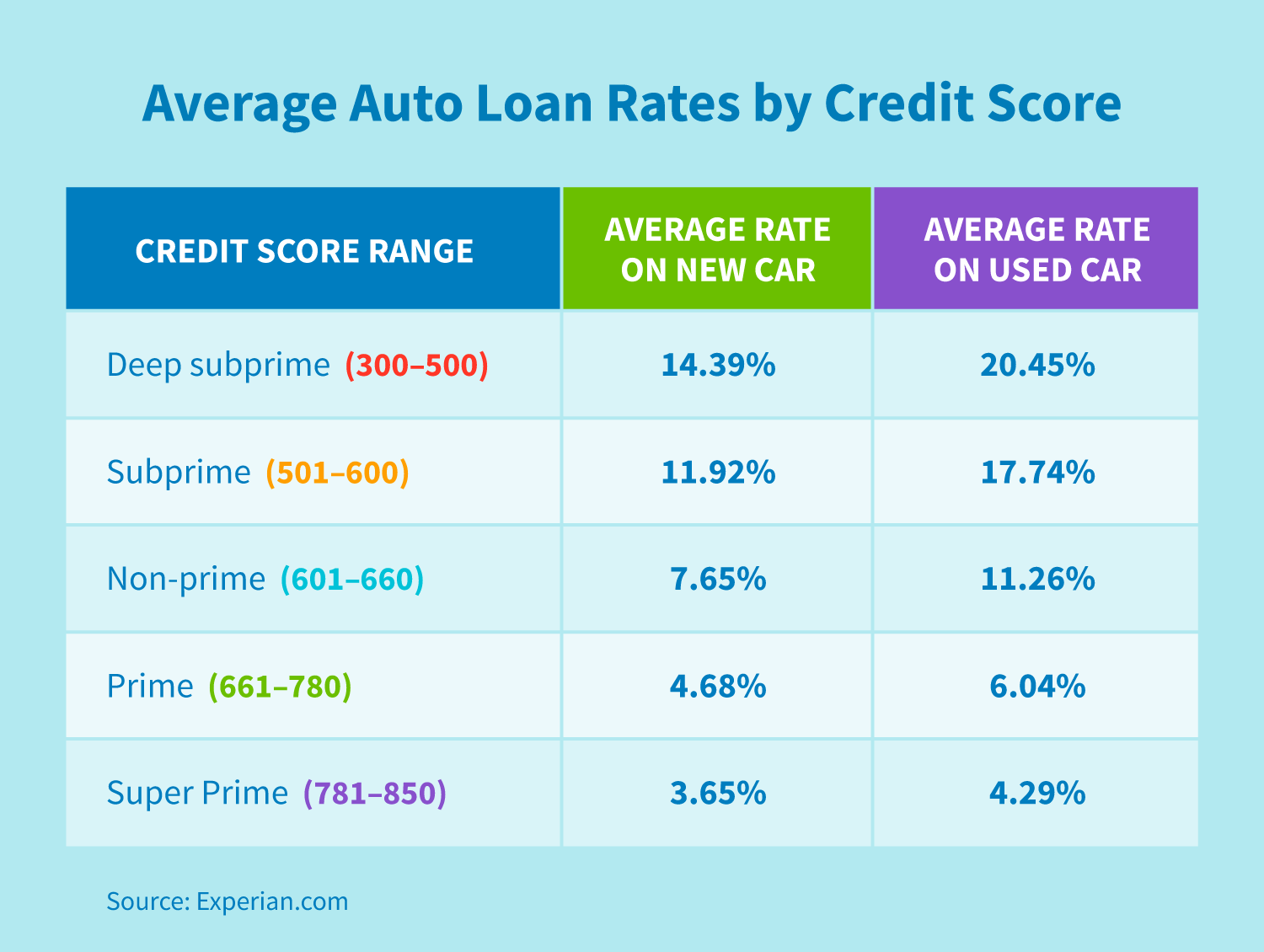
This is arguably the most significant factor. Your credit score is a numerical representation of your creditworthiness, derived from your borrowing and repayment history. Lenders use it to quickly assess the likelihood that you will repay your loan on time.
- Excellent Credit (780+): Borrowers with excellent credit scores typically qualify for the lowest interest rates, often referred to as “prime” or “super prime” rates. They are considered very low risk.
- Good Credit (670-739): Those with good credit can expect competitive rates, though slightly higher than those with excellent scores.
- Fair Credit (580-669): Borrowers in this range are considered moderate risk and will likely face higher interest rates.
- Poor Credit (below 580): Individuals with poor credit are deemed high risk and will be offered the highest interest rates, if approved at all, to offset the elevated chance of default.
A robust credit history demonstrating responsible use of credit, timely payments, and a manageable debt load signals reliability to lenders.
Loan Term
The length of your loan, or the loan term, also plays a crucial role. Shorter loan terms (e.g., 36 or 48 months) generally come with lower interest rates compared to longer terms (e.g., 60, 72, or even 84 months). While a longer term results in lower monthly payments, it typically means paying more in total interest over the life of the loan. Lenders view shorter terms as less risky because their money is exposed for a shorter period, reducing the chance of economic downturns or changes in the borrower’s financial situation impacting repayment.
Down Payment
Making a substantial down payment reduces the amount you need to borrow, thereby lowering the lender’s risk. When you put more money down, you have more equity in the car from the outset, which makes you less likely to default. Lenders often offer lower interest rates to borrowers who make larger down payments as a sign of their commitment and reduced risk exposure.
Debt-to-Income Ratio (DTI)
Your DTI ratio compares your total monthly debt payments to your gross monthly income. A low DTI indicates that you have sufficient income to manage your existing debts and take on new ones. Lenders view a lower DTI as a sign of financial stability and are more inclined to offer favorable interest rates. A high DTI, conversely, suggests financial strain and elevates the perceived risk.
New vs. Used Car
Generally, new car loans tend to have lower interest rates than used car loans. This is primarily because new cars typically hold their value better in the initial years, offering more collateral security for the lender. Used cars, especially older models, present higher risks due to potential reliability issues and faster depreciation, leading lenders to charge higher interest rates to compensate.
Lender Type
The type of financial institution can also influence the rates offered.
- Banks: Traditional banks offer competitive rates, especially to their existing customers with good credit.
- Credit Unions: Often known for member-centric services, credit unions frequently provide some of the lowest interest rates, as they are non-profit organizations.
- Captive Finance Companies: These are financing arms of car manufacturers (e.g., Ford Credit, Toyota Financial Services). They often offer promotional low-APR deals, sometimes even 0%, to stimulate sales of their specific brands.
- Online Lenders: A growing segment, online lenders can offer quick approvals and competitive rates, often catering to a wider range of credit profiles.
Economic Conditions
Broader economic factors significantly influence interest rates. The Federal Reserve’s benchmark interest rate adjustments ripple through the financial system, affecting the cost of borrowing for all types of loans, including car loans. During periods of economic growth and stable inflation, rates tend to be lower. Conversely, when inflation is high or the economy is uncertain, the Federal Reserve might raise rates, leading to higher lending rates across the board.
Current Car Loan Interest Rate Landscape and Averages
It’s challenging to quote a precise “current” average interest rate for car loans due to constant market fluctuations, individual borrower variations, and the distinction between new and used vehicles. However, understanding the general landscape and typical ranges can help set realistic expectations.
In periods of economic stability, prime borrowers with excellent credit might see rates as low as 3-5% for new car loans and 4-7% for used car loans. For those with good to average credit, rates could range from 6-10% for new vehicles and 8-12% for used ones. Borrowers with fair or poor credit, however, could face double-digit interest rates, sometimes exceeding 15-20% or even higher, particularly for used cars where the risk profile is elevated.

Recent years have seen considerable shifts in interest rates due to central bank policies aimed at managing inflation. When the Federal Reserve raises its benchmark rates, the cost of borrowing for banks increases, which in turn leads to higher interest rates for consumers on various loans, including auto loans. Therefore, staying informed about the broader economic climate and central bank announcements is a wise step before entering the car market. Websites of reputable financial institutions and financial news outlets often provide current average rate benchmarks which can serve as a useful, though generalized, reference point.
Strategies for Securing a More Favorable Car Loan Rate
While many factors influencing interest rates are beyond immediate control, several proactive strategies can significantly improve your chances of securing a lower rate.
Boost Your Credit Score
This is the most impactful long-term strategy.
- Pay Bills on Time: Payment history is the biggest factor in your credit score.
- Reduce Existing Debt: Especially revolving credit like credit cards, to lower your credit utilization ratio.
- Review Your Credit Report: Check for errors and dispute any inaccuracies.
- Avoid New Credit Applications: Multiple hard inquiries in a short period can temporarily ding your score.
Aim to improve your credit score months before you plan to buy a car.
Make a Substantial Down Payment
The larger your down payment, the less you need to borrow, reducing both your monthly payments and the total interest paid. A 20% down payment is often recommended for new cars to immediately establish equity and counteract initial depreciation. For used cars, even a 10-15% down payment can make a significant difference.
Choose a Shorter Loan Term
While a shorter term means higher monthly payments, it almost always translates to a lower interest rate and significantly less total interest paid over the life of the loan. If your budget allows, opting for a 36 or 48-month loan instead of 60 or 72 months can lead to substantial savings.
Shop Around Aggressively for Loans
Do not rely solely on the dealership’s financing offer. Get pre-approved for a loan from multiple lenders—banks, credit unions, and online lenders—before stepping onto the dealership lot. This gives you a benchmark and leverage. Pre-approvals usually involve a soft credit pull, which doesn’t affect your score, and can provide a firm offer of an interest rate. Having a pre-approval in hand can also simplify negotiations with the dealership, as you can compare their offer directly.
Consider a Co-signer (Cautiously)
If you have a limited credit history or a less-than-ideal credit score, a co-signer with excellent credit can help you qualify for a lower interest rate. However, this is a serious commitment for both parties. The co-signer is equally responsible for the loan, and any missed payments will negatively impact their credit score as well.
Negotiate Beyond the Sticker Price
Always negotiate the price of the car first, independently of the financing. Once you’ve agreed on a vehicle price, then discuss financing options. Mixing the two negotiations can lead to confusion and potentially a less favorable deal overall.

The Long-Term Impact of Interest Rates on Your Wallet
The difference between a seemingly small percentage point in interest can translate into thousands of dollars over the life of a car loan. This long-term financial impact underscores why securing the lowest possible rate is so vital.
Consider a $30,000 car loan over 60 months (5 years):
-
Scenario 1: 4% APR
- Monthly Payment: Approximately $552
- Total Interest Paid: Approximately $3,120
- Total Cost of Car: $33,120
-
Scenario 2: 8% APR
- Monthly Payment: Approximately $608
- Total Interest Paid: Approximately $6,480
- Total Cost of Car: $36,480
In this illustrative example, an increase of just 4 percentage points in the APR results in an additional $3,360 in interest over five years. This extra cost could otherwise be used for car maintenance, insurance, fuel, or even invested. For longer loan terms, the disparity becomes even more pronounced. A higher interest rate means a larger portion of your initial monthly payments goes towards interest rather than reducing the principal balance, extending the time it takes to build equity in the vehicle.
Furthermore, a higher interest rate limits your financial flexibility. It increases your monthly financial obligations, potentially straining your budget and impacting your ability to save, invest, or handle unexpected expenses.
For those who secure a high-interest rate initially, perhaps due to a developing credit history, refinancing can be an option. If your credit score improves significantly after a year or two of on-time payments, you might be able to refinance your car loan at a lower interest rate, thereby reducing your monthly payment and total interest paid. However, refinancing also incurs its own set of fees and considerations.
In conclusion, the interest rate on a car loan is a cornerstone of responsible vehicle ownership. It demands careful consideration, proactive financial planning, and diligent comparison shopping. By understanding the factors at play and employing strategic approaches, consumers can significantly mitigate the overall cost of their car and keep their personal finances on a stronger trajectory.
aViewFromTheCave is a participant in the Amazon Services LLC Associates Program, an affiliate advertising program designed to provide a means for sites to earn advertising fees by advertising and linking to Amazon.com. Amazon, the Amazon logo, AmazonSupply, and the AmazonSupply logo are trademarks of Amazon.com, Inc. or its affiliates. As an Amazon Associate we earn affiliate commissions from qualifying purchases.