
Donating plasma, a vital component of your blood, is an altruistic act that offers a surprising array of benefits, not just for those who receive it, but also for the donors themselves. While the primary motivation for many is the life-saving impact it has on individuals suffering from various medical conditions, a deeper dive reveals that engaging in this process can intersect with and even enhance aspects related to our website’s core pillars: Tech, Brand, and Money. Understanding these multifaceted advantages can inspire more people to consider becoming regular plasma donors.
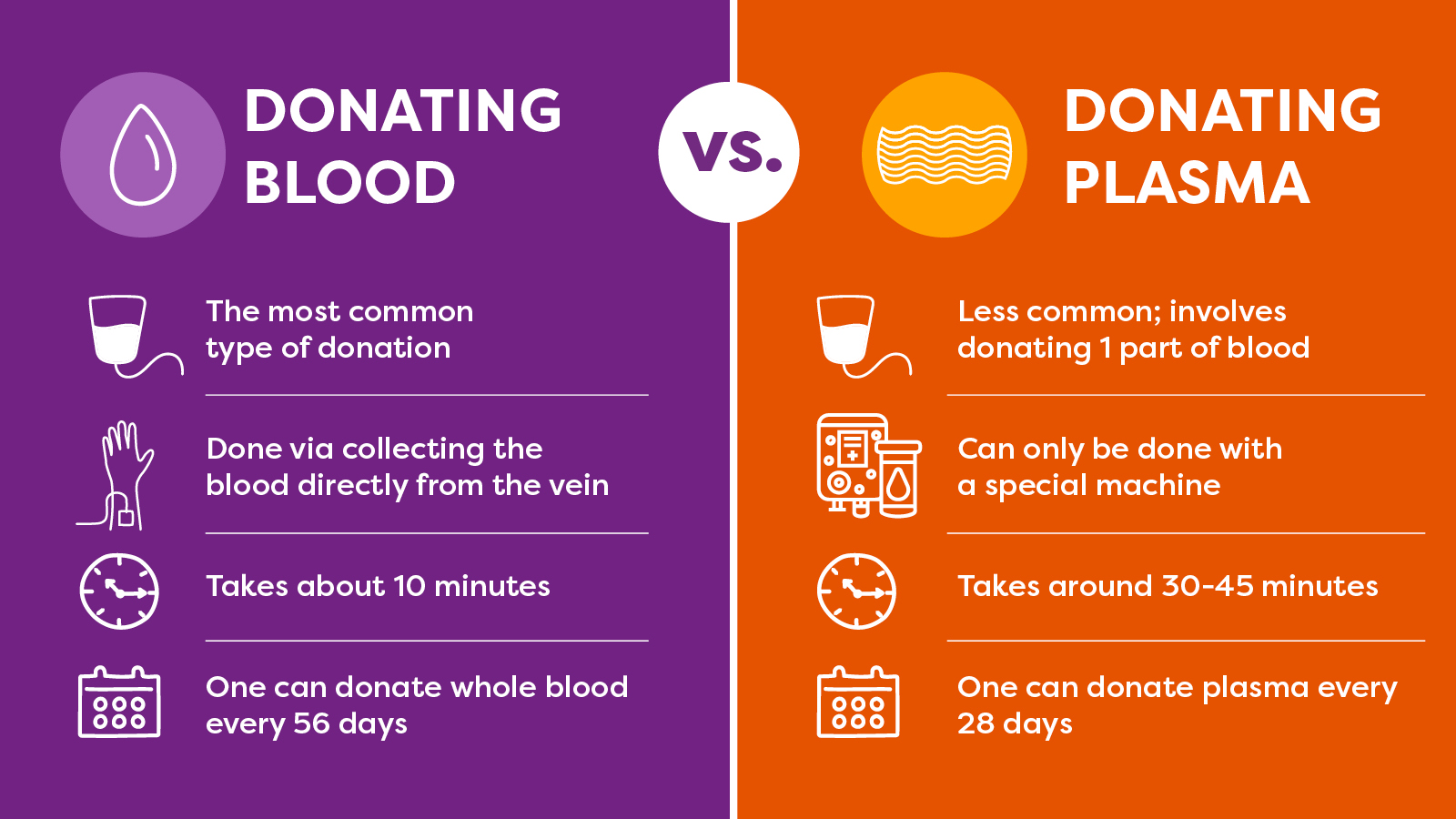
Plasma donation is a process where blood is drawn from a donor, the plasma is separated, and the remaining blood components are returned to the donor. This plasma, rich in proteins, antibodies, and clotting factors, is a critical ingredient in numerous life-saving therapies. From treating rare genetic disorders like hemophilia and immunodeficiencies to managing severe burns and trauma, plasma-derived medicines play an indispensable role in modern healthcare. However, the story of plasma donation extends beyond its profound medical significance, weaving its way into technological advancements, personal branding, and even financial considerations.
The Direct Impact: Saving Lives and Advancing Medical Technology
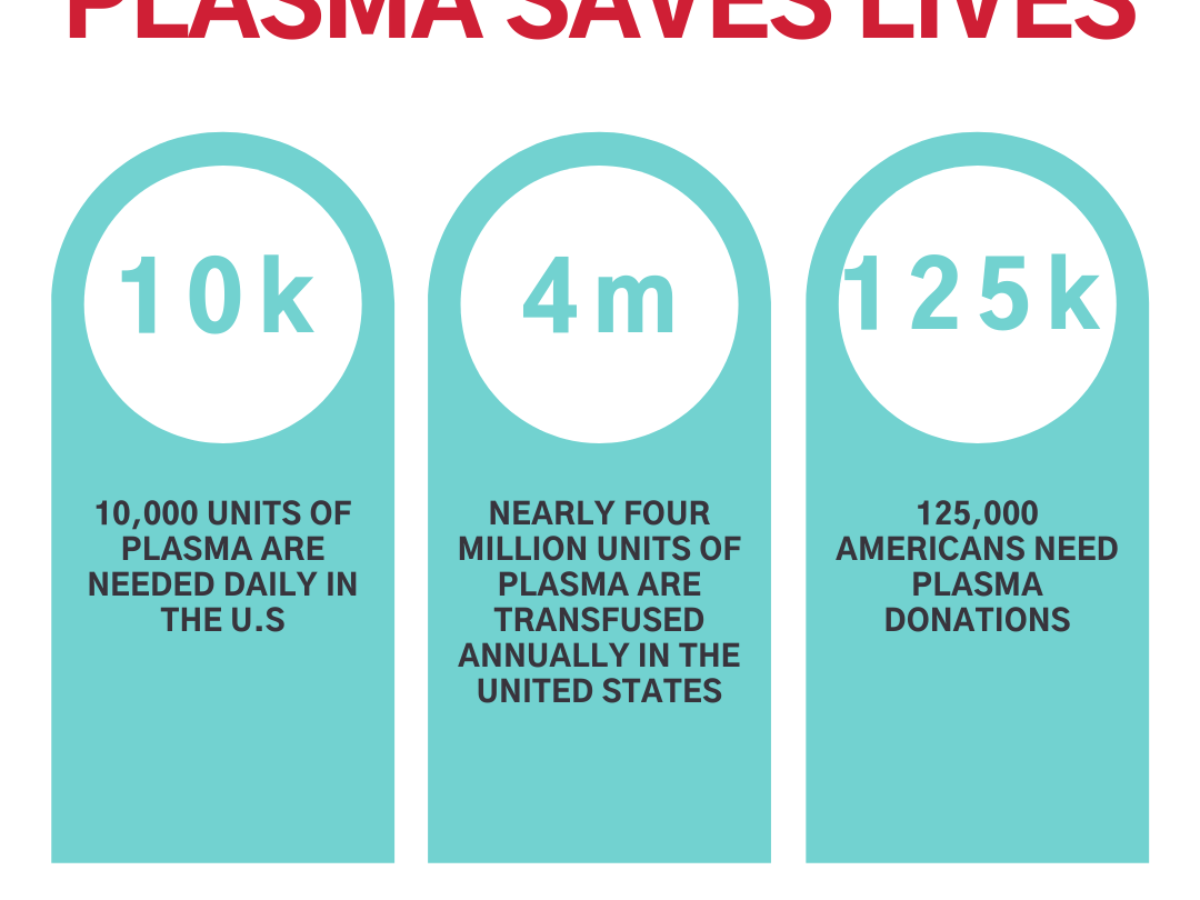
The most profound and undeniable benefit of donating plasma lies in its direct contribution to saving and improving human lives. Plasma contains essential proteins, antibodies, and clotting factors that are crucial for treating a wide range of serious medical conditions. For individuals with chronic illnesses or acute injuries, plasma-derived therapies are not just treatments; they are often the only hope.
Essential Treatments Powered by Donated Plasma
- Immunodeficiency Disorders: For people with weakened immune systems, donated plasma provides vital antibodies that help them fight off infections. Without these transfusions, they would be highly susceptible to life-threatening illnesses.
- Clotting Disorders: Conditions like hemophilia, where the blood doesn’t clot properly, can lead to severe bleeding. Plasma contains clotting factors that can prevent or control bleeding episodes, allowing individuals to lead more normal lives.
- Burn Victims: Severe burns compromise the body’s ability to regulate fluids and fight infection. Plasma transfusions help to restore fluid balance and provide essential proteins.
- Trauma and Surgery: In cases of severe blood loss due to trauma or major surgery, plasma can be administered to replenish vital clotting factors and volume, helping to stabilize patients.
- Autoimmune Diseases: Plasma exchange, a procedure that removes harmful antibodies from the blood, can be beneficial for certain autoimmune conditions.
The Role of Technology in Plasma Donation and Therapies
The efficacy and reach of plasma donation are deeply intertwined with technological advancements. The process of plasma donation itself has become increasingly sophisticated and safe, thanks to technology. Automated plasmapheresis machines are highly efficient, allowing for the collection of larger volumes of plasma while ensuring the donor’s comfort and safety. These machines utilize precise sensors and algorithms to monitor the process in real-time, optimizing plasma yield and minimizing donor discomfort.
Furthermore, the journey from collected plasma to life-saving medication is a testament to innovation in biotechnology and pharmaceutical development. Advanced separation techniques, sterile processing, and rigorous quality control measures, all underpinned by cutting-edge technology, ensure that the plasma is transformed into safe and effective therapies. Research into new uses for plasma-derived proteins and the development of recombinant alternatives are also driven by technological progress, constantly pushing the boundaries of what’s possible in medicine.
The Personal Gain: Financial Incentives and Skill Development
While the altruistic aspect of plasma donation is paramount, it’s also pragmatic to acknowledge the personal benefits that donors can experience. These can range from direct financial compensation to the development of valuable skills that align with our website’s focus on Tech and Money.
Financial Compensation: A Side Hustle with Impact
For many, the act of donating plasma can be a supplementary source of income. Plasma donation centers typically compensate donors for their time and contribution. The frequency of donation, the individual’s weight, and the specific center’s policies can all influence the amount received. This compensation can be particularly appealing as a form of online income or a side hustle, fitting neatly into personal finance strategies.
- Consistent Income Stream: Regular plasma donors can establish a predictable income stream that can help cover everyday expenses, contribute to savings goals, or fund personal projects.
- Flexible Scheduling: Most plasma donation centers offer flexible appointment times, allowing donors to fit donations into their busy schedules, whether they are students, professionals, or individuals seeking part-time work.
- No Upfront Investment: Unlike many online income opportunities, plasma donation requires no capital investment from the donor. The primary “investment” is time and a commitment to a healthy lifestyle.
Building a “Brand” of Health and Altruism
The act of donating plasma, while often done discreetly, can contribute to a powerful personal brand built on health consciousness and altruism. In an era where authenticity and social responsibility are increasingly valued, actively participating in life-saving initiatives can significantly enhance one’s reputation, both personally and professionally.
- Demonstrating Social Responsibility: Contributing to the well-being of others through plasma donation showcases a commitment to community and a desire to make a positive impact. This can be a valuable asset in personal branding, particularly for individuals seeking to build trust and credibility.
- Promoting a Healthy Lifestyle: To be eligible for plasma donation, individuals must meet certain health requirements. This often encourages donors to maintain a healthy diet, stay hydrated, and avoid certain substances, which can, in turn, bolster their personal brand as someone who prioritizes well-being.
- Networking and Community Involvement: Plasma donation centers often foster a sense of community among donors. Engaging in these spaces can lead to new connections and a greater sense of belonging, indirectly contributing to a broader personal network.
The Technological Edge: Enhanced Understanding and Digital Literacy
The process of plasma donation, coupled with the evolving landscape of healthcare and personal well-being, offers opportunities to engage with technology in meaningful ways. While not directly using AI tools for donation itself, the broader context of health management, understanding scientific processes, and staying informed can foster a digital literacy that is increasingly vital in our tech-centric world.
Navigating Health Data and Digital Tools
- Understanding Biological Processes: Donating plasma requires donors to have a basic understanding of their own physiology and the process of blood separation. This can spark an interest in biology and healthcare technologies, leading to further exploration of related digital resources, apps, and informational platforms.
- Utilizing Health Tracking Apps: Maintaining eligibility for plasma donation often involves tracking health metrics like blood pressure and iron levels. This naturally encourages the use of health tracking apps and wearable technology, fostering digital literacy in personal health management.
- Accessing Information Online: Donors frequently research eligibility criteria, understand the science behind plasma therapies, and find donation centers through online platforms. This process hones skills in digital information retrieval and evaluation, crucial for navigating the vast digital landscape.
The Future of Plasma and Biotech: A Tech-Driven Horizon
The continuous advancements in biotechnology and AI are revolutionizing how plasma is collected, processed, and utilized. While a donor might not directly interact with these advanced AI tools, their contribution fuels a field that is heavily reliant on them.
- AI in Plasma Processing and Research: AI algorithms are being developed to analyze vast datasets of plasma components, identify potential therapeutic targets, and optimize manufacturing processes for plasma-derived medicines. This leads to more efficient and personalized treatments.
- Predictive Analytics for Donor Health: Future technologies might utilize AI to predict donor health and optimize donation schedules, further enhancing the safety and efficiency of the process.
- Digital Platforms for Donor Engagement: Online portals and apps are increasingly being used by donation centers to manage appointments, communicate with donors, and provide educational resources, making the entire experience more streamlined and tech-integrated.

Conclusion: A Win-Win Proposition for the Community and the Individual
Donating plasma is a remarkable act of generosity that ripples outwards, creating positive change in the lives of countless individuals and driving progress in medical science. When viewed through the lens of our website’s core topics, the benefits become even more compelling.
From the direct, life-saving impact on patients and the continuous technological innovations in healthcare, to the financial incentives that can support personal finance goals and the opportunities to build a positive personal brand centered on health and altruism, plasma donation presents a compelling win-win proposition. It’s an accessible way for individuals to contribute to a vital cause, gain valuable insights into their own well-being, and even participate, indirectly, in the exciting advancements shaping our technological future. By understanding and embracing these multifaceted benefits, more individuals can be inspired to embark on the rewarding journey of becoming a plasma donor.
aViewFromTheCave is a participant in the Amazon Services LLC Associates Program, an affiliate advertising program designed to provide a means for sites to earn advertising fees by advertising and linking to Amazon.com. Amazon, the Amazon logo, AmazonSupply, and the AmazonSupply logo are trademarks of Amazon.com, Inc. or its affiliates. As an Amazon Associate we earn affiliate commissions from qualifying purchases.