
The cryptocurrency market has evolved from a niche interest into a significant component of the global financial landscape, attracting both institutional and retail investors. Deciding “what to buy” in this dynamic asset class requires a deep understanding of market fundamentals, risk assessment, and a clear investment strategy. Unlike traditional stocks or bonds, cryptocurrencies present unique opportunities and challenges, demanding diligent research and a disciplined approach to portfolio construction.
Navigating the Cryptocurrency Investment Landscape
Investing in cryptocurrency is fundamentally different from traditional asset classes due to its inherent volatility, nascent regulatory environment, and rapid technological evolution. Before committing capital, it’s crucial to grasp the underlying principles that drive value in this space. Cryptocurrencies derive their value from various factors, including their utility within decentralized networks, their role as a store of value, and speculative interest. Understanding these drivers is the first step toward making informed investment decisions.
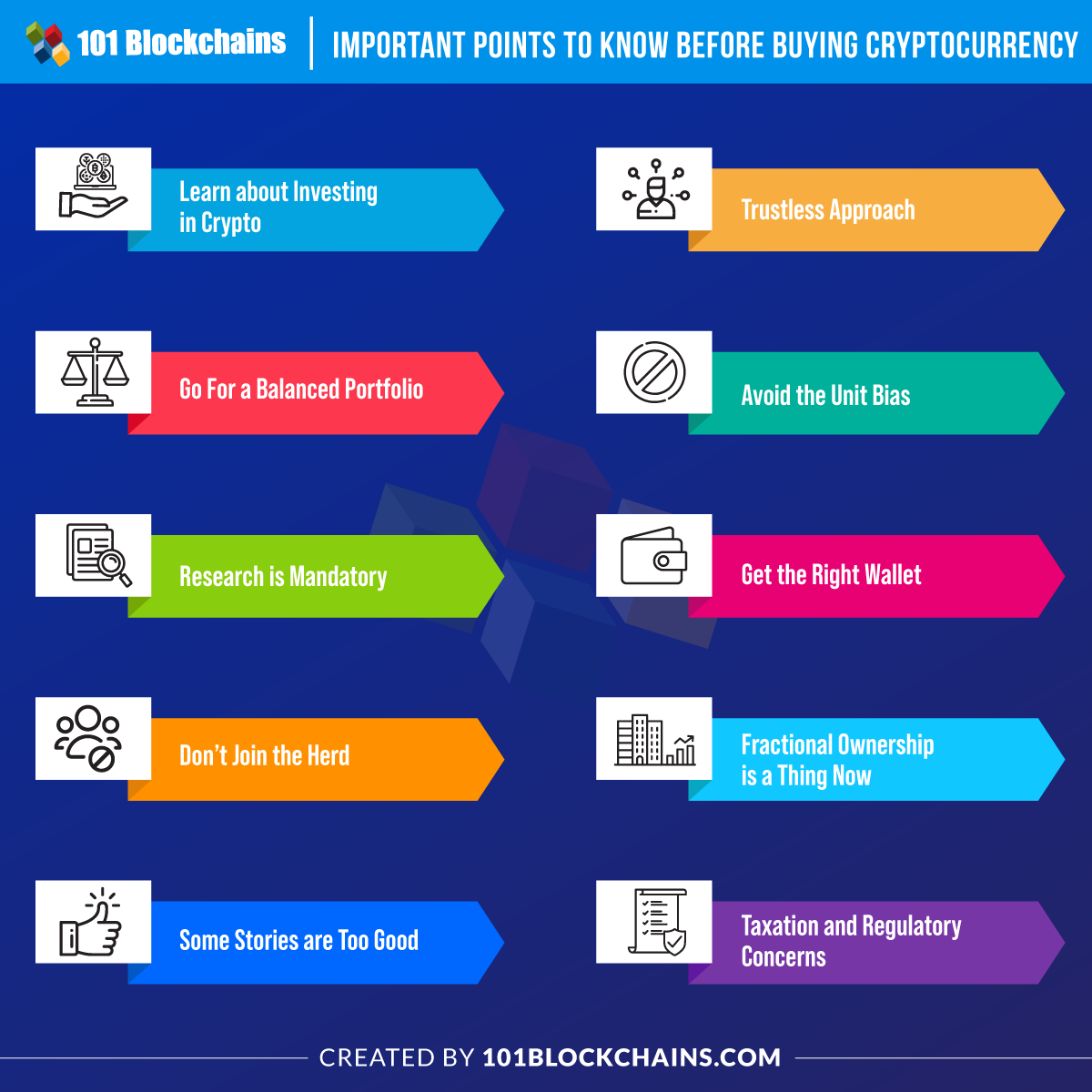
Understanding Market Dynamics and Risk
The cryptocurrency market is characterized by extreme price fluctuations, often influenced by news, regulatory shifts, technological advancements, and overall market sentiment. This volatility means that while significant gains are possible, so too are substantial losses. Investors must adopt a long-term perspective, recognizing that short-term price movements can be erratic. Risk management is paramount, starting with only investing capital one can afford to lose. Furthermore, understanding market capitalization (the total value of all coins in circulation) and liquidity (how easily an asset can be bought or sold without affecting its price) are critical metrics for evaluating a cryptocurrency’s stability and potential. High market cap coins generally offer more stability, while lower market cap altcoins can offer higher risk but also higher reward potential.
The Spectrum of Cryptocurrency Assets
The cryptocurrency ecosystem is vast, encompassing thousands of digital assets, each with its own purpose and underlying technology. These can broadly be categorized, each category presenting a different investment thesis:
- Store of Value: Assets designed to preserve purchasing power over time, often likened to “digital gold.”
- Smart Contract Platforms: Networks that enable the creation and execution of decentralized applications (dApps) and other blockchain-based services.
- Decentralized Finance (DeFi) Tokens: Assets integral to financial applications built on blockchain technology, offering services like lending, borrowing, and trading without intermediaries.
- Non-Fungible Tokens (NFTs): Unique digital assets representing ownership of items or content, currently a speculative niche.
- Stablecoins: Cryptocurrencies pegged to a stable asset, like the US dollar, designed to minimize price volatility, primarily used for trading and avoiding market fluctuations.
Each category carries different risk profiles and investment potential, necessitating a tailored approach to research and portfolio allocation.
Key Cryptocurrencies and Their Investment Cases
When considering what to buy, certain cryptocurrencies stand out due to their market dominance, technological maturity, or significant adoption. These typically form the foundation of many crypto portfolios.
Bitcoin (BTC): The Digital Gold Standard
Bitcoin, the first and largest cryptocurrency by market capitalization, is often seen as “digital gold.” Its primary investment thesis revolves around its scarcity (a fixed supply of 21 million coins), its decentralized nature, and its increasing adoption as a store of value and hedge against inflation. For many investors, Bitcoin serves as the bedrock of their crypto portfolio, offering a relatively more stable (though still volatile) entry point into the market compared to smaller altcoins. Its established network effect, strong community, and institutional interest further solidify its position as a primary investment choice.
Ethereum (ETH): The Internet of Value

Ethereum is more than just a cryptocurrency; it’s a decentralized platform that enables the creation of smart contracts and decentralized applications. Its native token, Ether (ETH), powers this ecosystem. The investment case for Ethereum is rooted in its utility as the foundational layer for DeFi, NFTs, and a vast array of other blockchain innovations. As more applications and services are built on Ethereum, the demand for ETH (used to pay for transaction fees, or “gas”) theoretically increases. Ethereum’s ongoing upgrades, particularly the transition to Ethereum 2.0 (now known as the Merge and subsequent upgrades), aim to improve scalability, security, and sustainability, potentially driving further value.
Understanding Altcoins: Beyond BTC and ETH
“Altcoins” refer to any cryptocurrency other than Bitcoin. This category is diverse and includes a wide range of projects with varying market caps, use cases, and risk profiles. While altcoins can offer exponential returns, they also carry significantly higher risk due to lower liquidity, less established technology, and smaller developer communities.
- Platform Tokens: Cryptocurrencies like Solana (SOL), Cardano (ADA), Polkadot (DOT), and Avalanche (AVAX) compete with Ethereum as foundational platforms for dApps. Their investment cases often hinge on scalability, transaction speed, and lower fees.
- DeFi Tokens: Tokens associated with decentralized finance protocols, such as Aave (AAVE), Uniswap (UNI), and Chainlink (LINK), play crucial roles in their respective ecosystems. Investing in DeFi tokens often means betting on the growth and adoption of decentralized financial services.
- Meme Coins: Cryptocurrencies like Dogecoin (DOGE) and Shiba Inu (SHIB) often gain popularity through social media and community hype rather than strong fundamental utility. These are highly speculative investments with extreme volatility.
When considering altcoins, thorough due diligence is non-negotiable. It involves scrutinizing the project’s whitepaper, team, technology, community, and economic model.
Essential Considerations Before Making a Purchase
Before making any cryptocurrency purchase, a structured approach to evaluation is crucial. This goes beyond just identifying popular coins and delves into the fundamental aspects that determine a project’s long-term viability.
Researching Fundamentals and Utility
- Whitepaper and Roadmap: A project’s whitepaper outlines its vision, technology, and goals. A clear roadmap demonstrates a plan for future development and adoption.
- Team and Advisors: Investigate the experience and credibility of the project team, developers, and advisors. A strong team with a proven track record is a positive indicator.
- Community and Ecosystem: A vibrant and engaged community, along with a growing ecosystem of developers and users, signals a healthy project.
- Tokenomics: Understand the token’s supply, distribution model, utility within its network, and inflation/deflation mechanisms. How does the token accrue value?
- Technology and Innovation: Evaluate the underlying technology. Does it offer a genuine solution to an existing problem? Is it scalable and secure?
- Regulatory Environment: Consider the potential impact of current and future regulations on the cryptocurrency you’re considering. Regulatory uncertainty can significantly impact prices.
Portfolio Diversification and Risk Management
No single cryptocurrency is guaranteed to succeed. Therefore, diversification is a cornerstone of a sound investment strategy. Spreading investments across different cryptocurrencies (e.g., Bitcoin, Ethereum, and a select few promising altcoins) can mitigate risk. Allocate capital based on your risk tolerance, with a higher percentage typically going to established assets like BTC and ETH, and a smaller, more speculative portion to higher-risk altcoins.
Dollar-Cost Averaging (DCA) is another effective strategy. Instead of investing a large lump sum at once, DCA involves investing a fixed amount of money at regular intervals (e.g., weekly or monthly), regardless of the asset’s price. This approach averages out the purchase price over time, reducing the impact of volatility and removing the need to time the market perfectly.

Security Best Practices
Once you decide what to buy, securing your assets is paramount.
- Reputable Exchanges: Choose well-established and regulated cryptocurrency exchanges known for their security measures, such as Coinbase, Binance, Kraken, or Gemini.
- Wallet Management: For larger holdings, consider transferring your assets from an exchange to a personal wallet.
- Hot Wallets: Connected to the internet (e.g., mobile apps, browser extensions). Convenient but more susceptible to online threats.
- Cold Wallets: Offline storage (e.g., hardware wallets like Ledger or Trezor). Offer the highest level of security for long-term holdings.
- Two-Factor Authentication (2FA): Always enable 2FA on exchanges and wallets.
- Strong Passwords: Use unique, complex passwords for all crypto-related accounts.
- Seed Phrase Security: If using a self-custody wallet, protect your seed phrase meticulously. It is the master key to your funds. Never share it, store it digitally, or lose it.
Investing in cryptocurrency presents a compelling opportunity for financial growth, but it demands a commitment to continuous learning, meticulous research, and disciplined risk management. By focusing on fundamental analysis, diversifying your portfolio, and prioritizing security, investors can navigate the complexities of this innovative market more effectively.
aViewFromTheCave is a participant in the Amazon Services LLC Associates Program, an affiliate advertising program designed to provide a means for sites to earn advertising fees by advertising and linking to Amazon.com. Amazon, the Amazon logo, AmazonSupply, and the AmazonSupply logo are trademarks of Amazon.com, Inc. or its affiliates. As an Amazon Associate we earn affiliate commissions from qualifying purchases.