
In the annals of financial history, few assets have captured the imagination and delivered the extraordinary returns that Bitcoin has. Its journey from an obscure digital experiment to a globally recognized financial instrument is a tale of innovation, speculation, and unprecedented wealth creation. For those looking back from the vantage point of today’s multi-trillion-dollar cryptocurrency market, the question “how much was 1 Bitcoin in 2010?” is not merely a historical inquiry, but a profound reflection on missed opportunities, the power of foresight, and the very nature of value. This article delves into Bitcoin’s nascent years, exploring its valuation (or lack thereof) in 2010 and extracting crucial financial lessons from its remarkable ascent.
The Dawn of a Cryptocurrency: Bitcoin’s Nascent Years (2009-2010)
To understand Bitcoin’s price in 2010, one must first grasp the context of its birth and early development. Bitcoin was not launched into a pre-existing market; it created its market from scratch. It was a fringe concept, understood and utilized by a small cohort of cypherpunks, cryptographers, and tech enthusiasts.
Satoshi Nakamoto’s Vision: A Peer-to-Peer Electronic Cash System
Bitcoin officially came into existence on January 3, 2009, with the mining of the Genesis Block by its pseudonymous creator, Satoshi Nakamoto. Nakamoto’s whitepaper, published a few months prior in October 2008, outlined a “peer-to-peer electronic cash system” designed to operate without central authority or intermediaries. This was a radical concept in the wake of the 2008 global financial crisis, offering an alternative to traditional banking systems perceived by many as flawed and untrustworthy.
In its earliest days, Bitcoin was more of a proof-of-concept and a passion project than an investable asset. There were no exchanges, no widespread awareness, and certainly no institutional investors. Its value was purely theoretical, derived from the computational effort required to mine it and the nascent trust placed in Nakamoto’s innovative protocol.
Mining in the Early Days: CPUs and the First Blocks
Mining Bitcoin in 2009 and 2010 was a vastly different endeavor than it is today. Instead of specialized, power-intensive Application-Specific Integrated Circuits (ASICs), early miners could use ordinary Central Processing Units (CPUs) on their home computers. The difficulty adjustment algorithm was still very low, meaning individuals could easily mine thousands of Bitcoins in a short period. Rewards for mining a block were 50 BTC, a sum that today would make one an instant multi-millionaire, but back then represented merely an arbitrary number in a digital ledger.
The act of mining was less about profit and more about contributing to the network’s security and testing the system. People were experimenting with this new digital currency, sharing ideas on forums like Bitcointalk.org, and slowly building the foundational infrastructure of what would become a global financial phenomenon.
The Elusive “Price”: Why Valuation Was Non-Existent
For much of 2009, Bitcoin had no discernible market price. It wasn’t traded on any exchange, nor was it generally accepted as payment for goods or services. Its “value” was effectively zero in terms of fiat currency. People traded it informally, gave it away, or simply held onto it out of curiosity. The concept of converting Bitcoin into dollars or euros was largely theoretical, as there was no established mechanism to do so. This absence of an official price point makes any historical inquiry into its 2009-2010 valuation challenging but also incredibly insightful. It underscores that, like any nascent technology, its initial value derived from utility and potential, not immediate market demand.
Pinpointing Bitcoin’s Value in 2010: From Pennies to Pizza
While 2009 saw virtually no financial valuation for Bitcoin, 2010 marked the first significant steps toward its monetary recognition. It was a year of experimentation, informal trading, and the very first real-world transactions that would eventually establish a market price.
The First Real-World Transaction: 10,000 BTC for Two Pizzas
Perhaps the most famous story from Bitcoin’s early days, and a definitive marker of its first “value,” occurred on May 22, 2010. Laszlo Hanyecz, a programmer living in Florida, offered 10,000 Bitcoins to anyone who would order him two pizzas. Another Bitcoin enthusiast accepted the offer, and Hanyecz received his pizzas, effectively paying 10,000 BTC for goods that cost around $25-$40 at the time.
This transaction is monumental because it was the first time Bitcoin was used to purchase a tangible good, thereby giving it a real-world valuation. Based on this exchange, one Bitcoin was worth approximately $0.0025 to $0.004. This humble beginning dramatically illustrates the speculative nature of early assets and how a single transaction can establish a rudimentary market price. Today, May 22 is celebrated annually as “Bitcoin Pizza Day,” a reminder of the incredible journey of this digital currency.
Forum Trading and Informal Exchanges: The Emergence of a Market
Following the pizza transaction, the concept of exchanging Bitcoin for fiat currency began to gain traction, albeit on a very small scale. Enthusiasts on online forums like Bitcointalk.org started to trade BTC directly with each other. These were peer-to-peer agreements, often involving PayPal transfers, and were based on mutual trust. The prices were highly variable, reflecting the limited liquidity and the participants’ individual perceptions of value.
These informal trades started to coalesce around a range, and while inconsistent, they began to lay the groundwork for a more formal market. It was a truly decentralized market in every sense of the word, driven by individuals rather than institutions.
Documented Price Points: The First Exchange Rates
The earliest documented exchange for Bitcoin for fiat currency was established in July 2010 by Mt. Gox. Before that, another platform, BitcoinMarket.com, launched in March 2010, offered a place for users to trade. It was on this platform that Bitcoin achieved its first public exchange rate against the US dollar. On March 17, 2010, a user offered 10,000 BTC for $50, making 1 Bitcoin worth approximately $0.005.
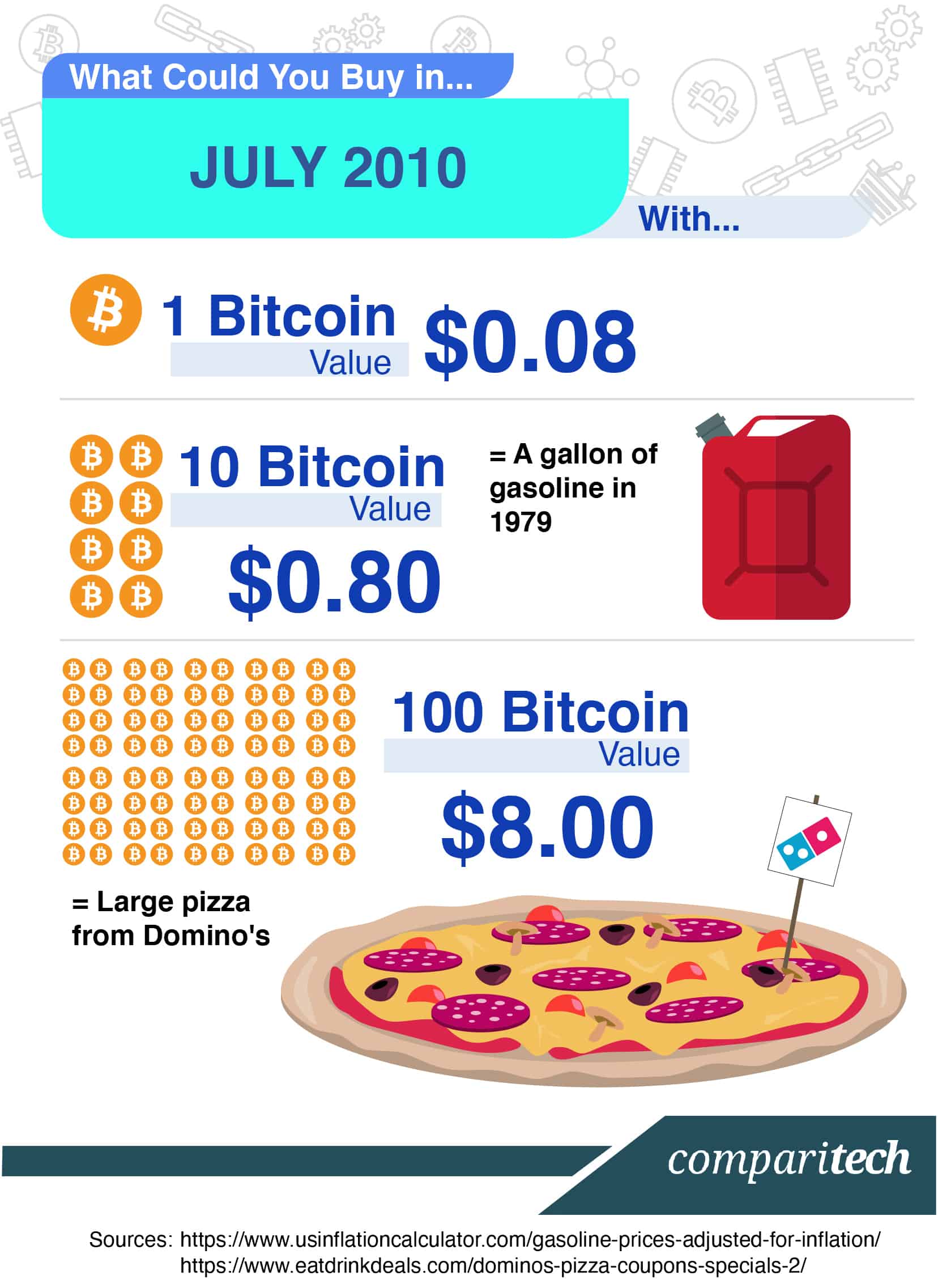
By mid-2010, as more individuals began to see its potential, Bitcoin’s value started to climb. By July 2010, it traded at around $0.08 on BitcoinMarket.com. Later that month, the first major price surge occurred, pushing Bitcoin to over $0.09 per coin. This was the result of media attention, increased interest, and growing belief in its future.
To summarize, in 2010, the value of 1 Bitcoin started at effectively zero, moved to fractions of a cent ($0.0025-$0.005) with the first documented transactions, and ended the year trading in the range of $0.06 to $0.08. This minuscule valuation highlights the profound disparity between its early perception and its current market standing.
The Astonishing Trajectory: From Cents to Stratospheric Heights
The story of Bitcoin’s price after 2010 is one of relentless, albeit volatile, growth, transforming it from a niche digital curiosity into a global financial asset. Its journey showcases the power of network effects, scarcity, and a fundamental shift in how we perceive and store value.
Early Price Volatility and Growth Spurts
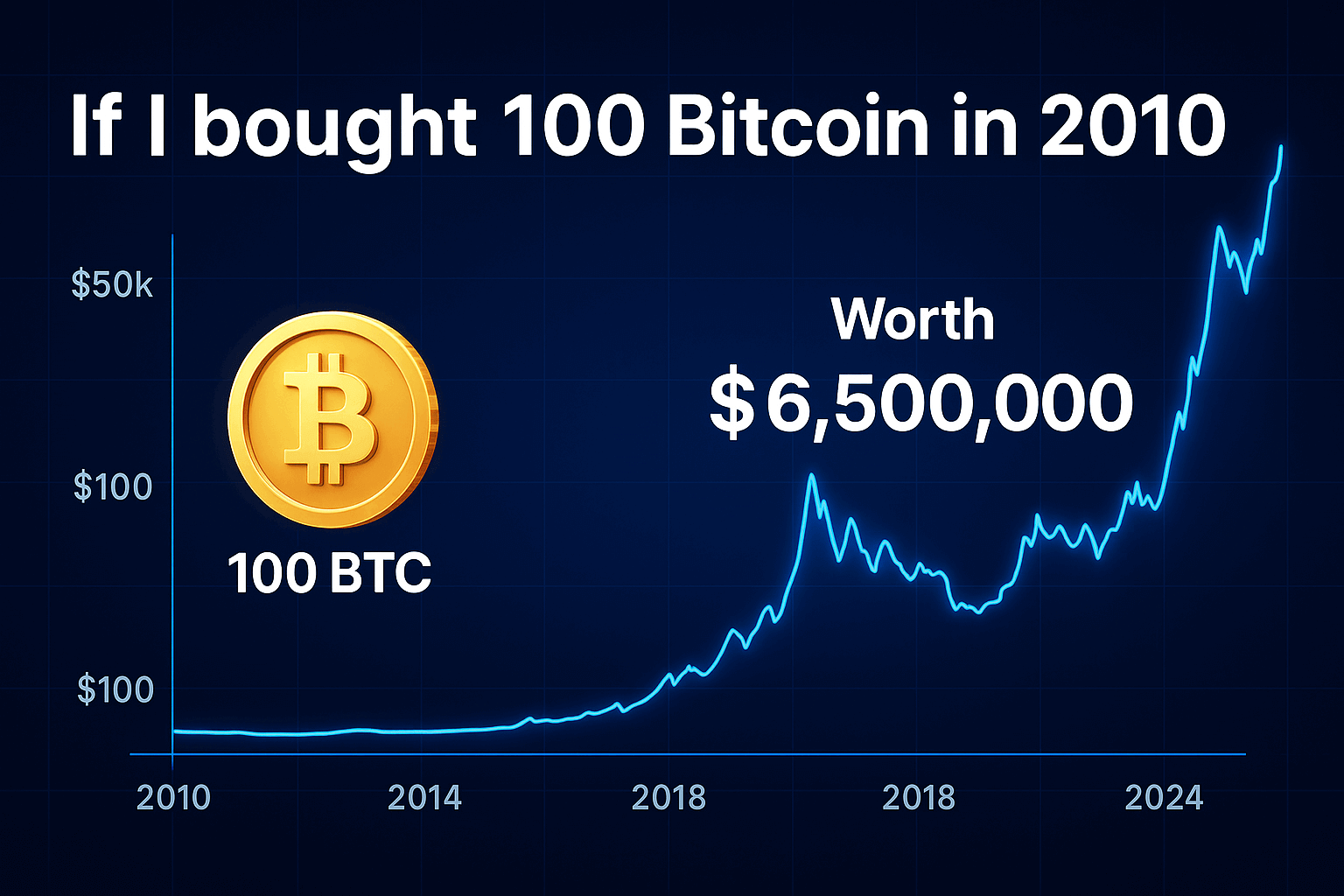
Following its initial price establishment in 2010, Bitcoin experienced a series of booms and busts. Early investors witnessed dramatic price swings, often doubling or tripling in value over short periods, only to crash significantly afterward. These early cycles were driven by speculation, media attention, technological developments, and occasionally, major hacks or regulatory concerns. Despite the volatility, the overall trend was undeniably upward. From its sub-dollar valuation in 2010, Bitcoin first touched parity with the US dollar in February 2011, then surged to over $30 by mid-2011, before settling back to single digits.
The Mt. Gox Era: Centralization and Early Market Formation
For several years, Mt. Gox, initially an exchange for Magic: The Gathering Online cards, became the dominant Bitcoin exchange. It facilitated the vast majority of global Bitcoin trading, providing much-needed liquidity and price discovery. While Mt. Gox played a crucial role in establishing Bitcoin’s market, its centralized nature and eventual collapse in 2014 due to a massive hack underscored the vulnerabilities of early cryptocurrency infrastructure. The Mt. Gox saga was a painful, yet ultimately instructive, chapter in Bitcoin’s development, highlighting the need for robust security and decentralized exchanges.
Factors Driving Bitcoin’s Exponential Rise (Scarcity, Adoption, Halving)
Several fundamental factors explain Bitcoin’s long-term astronomical price appreciation:
- Scarcity: With a fixed supply cap of 21 million Bitcoins, the asset is inherently deflationary. Unlike fiat currencies, which can be printed indefinitely, Bitcoin’s supply is predictable and transparent. This digital scarcity is a core driver of its value proposition, particularly as a hedge against inflation.
- Adoption: Gradually, Bitcoin transitioned from a tool for tech enthusiasts to a legitimate asset class. Early adopters were joined by retail investors, then institutional investors, and eventually, major corporations and even nation-states. This increasing adoption across various segments of the global economy has fueled demand.
- Halving Events: Approximately every four years, the reward for mining new blocks is cut in half. These “halving” events reduce the rate at which new Bitcoins enter circulation, effectively tightening supply. Historically, halving events have preceded significant bull runs, as the reduced supply meets increasing or sustained demand.
- Technological Advancements: Continuous development on the Bitcoin network (e.g., SegWit, Lightning Network) has improved its scalability and utility, further cementing its role as a leading cryptocurrency.
- Macroeconomic Environment: Global economic uncertainties, quantitative easing policies, and growing distrust in traditional financial systems have often pushed investors towards alternative assets like Bitcoin, which is sometimes dubbed “digital gold.”
Investment Lessons from Bitcoin’s Early Days
The journey from a few cents in 2010 to tens of thousands of dollars today offers invaluable lessons for investors, particularly regarding emerging technologies and speculative assets.
The Power of Early Adoption and Vision
Bitcoin’s story is the ultimate testament to the rewards of early adoption and having the vision to see beyond the immediate, conventional wisdom. Those who acquired Bitcoin when it was a mere curiosity, perhaps even for free or for trivial sums, were rewarded beyond imagination. This highlights that significant wealth creation often stems from identifying revolutionary technologies in their infancy, long before they achieve mainstream acceptance. However, it also emphasizes the extreme risk involved, as many early-stage projects ultimately fail.
Understanding Asymmetric Risk/Reward Profiles
Investing in Bitcoin in 2010 presented an asymmetric risk/reward profile. The downside was limited to the few cents (or dollars) per coin invested, representing a full loss. The upside, however, was virtually uncapped. The potential for exponential growth vastly outweighed the potential for loss, given the minimal initial investment required. This type of investment, characterized by a small potential loss and a massive potential gain, is a hallmark of truly disruptive technologies. Investors need to be able to identify such opportunities while also acknowledging the high probability of failure for many contenders.
The Importance of Long-Term HODLing (Hold On for Dear Life)
The term “HODL” originated from a misspelled post on the Bitcointalk forum in 2013, but its sentiment perfectly encapsulates the most successful strategy for early Bitcoin investors: simply holding onto their assets through extreme volatility. Those who bought in 2010 and held through multiple bull and bear cycles, through hacks, regulatory scares, and market crashes, were the ones who realized life-changing gains. This underscores the power of long-term conviction and patience, especially when dealing with highly volatile, high-growth assets. Panicking and selling during downturns would have led to missing out on the vast majority of Bitcoin’s appreciation.
Due Diligence and the Speculative Nature of Emerging Assets
While Bitcoin’s success is a compelling narrative, it’s crucial to remember that it is an outlier. For every Bitcoin, there are countless other early-stage projects that fizzled out. This means that while the rewards of early investment can be immense, so too are the risks. Investors must conduct thorough due diligence, understand the underlying technology, assess the potential market, and be prepared for total capital loss. Investing in emerging assets is inherently speculative and should only constitute a small portion of a diversified portfolio, aligned with an investor’s risk tolerance.
Beyond 2010: Bitcoin’s Enduring Impact on Global Finance
Bitcoin’s humble beginnings in 2010 were just the prelude to a paradigm shift in global finance. Its journey from fractions of a cent to global financial titan has had far-reaching consequences, extending beyond its direct monetary value.
A New Asset Class: Digital Store of Value
Bitcoin has firmly established itself as a new asset class, often referred to as “digital gold.” Its properties—decentralization, scarcity, censorship resistance, and divisibility—make it an attractive store of value for many investors, particularly in an era of increasing monetary expansion and geopolitical instability. This has led to its inclusion in the portfolios of institutional investors, hedge funds, and even public companies, fundamentally changing how diversified portfolios are constructed.
Catalyzing the Altcoin Revolution and DeFi
Bitcoin’s success paved the way for the entire cryptocurrency ecosystem. It demonstrated the viability of decentralized digital currencies, inspiring thousands of “altcoins” (alternative cryptocurrencies) and the development of decentralized finance (DeFi). The principles and technologies pioneered by Bitcoin have been extended and adapted to create platforms for smart contracts, decentralized applications (dApps), non-fungible tokens (NFTs), and a host of other innovations that are collectively reshaping the financial landscape.
Regulatory Scrutiny and Mainstream Acceptance
The growth of Bitcoin has inevitably attracted significant attention from regulators worldwide. Governments and financial bodies are grappling with how to integrate cryptocurrencies into existing legal frameworks, addressing concerns around money laundering, consumer protection, and financial stability. While regulatory uncertainty persists in some areas, the increasing acceptance of Bitcoin by major payment processors, banks, and even national governments (such as El Salvador making it legal tender) signals its ongoing move towards mainstream legitimization.

Bitcoin’s Future: A Continued Evolution
Looking ahead, Bitcoin’s story is far from over. Debates continue about its role as a medium of exchange versus a store of value, its environmental impact, and its long-term scalability. However, its foundational role in the digital economy is undeniable. From its nearly valueless state in 2010, Bitcoin has not only created immense wealth for its early believers but has also proven the immense potential of decentralized digital assets, forever altering the trajectory of finance and investment worldwide. Its history serves as a potent reminder that the most significant innovations often begin as overlooked ideas, requiring vision and conviction to see their true financial potential.
aViewFromTheCave is a participant in the Amazon Services LLC Associates Program, an affiliate advertising program designed to provide a means for sites to earn advertising fees by advertising and linking to Amazon.com. Amazon, the Amazon logo, AmazonSupply, and the AmazonSupply logo are trademarks of Amazon.com, Inc. or its affiliates. As an Amazon Associate we earn affiliate commissions from qualifying purchases.