
Understanding the true value of a “coin” is a question that resonates deeply within the realm of personal finance and investment. The term itself, seemingly straightforward, actually encompasses a vast and often complex landscape, from the digital frontiers of cryptocurrency to the tangible allure of rare numismatic treasures. For anyone looking to invest, collect, or simply comprehend their financial assets, deciphering the worth of a coin is not merely an academic exercise; it’s a critical step toward informed decision-making and wealth preservation. This article delves into the multi-faceted nature of coin valuation, guiding you through the economic principles, market dynamics, and specific considerations that dictate how much a coin is truly worth.

Understanding “Coin” in a Financial Context
Before we can appraise its worth, we must first define “coin.” In the modern financial lexicon, this term has bifurcated, representing two distinct asset classes, each with its own valuation metrics and market behaviors.
The Dual Nature: Digital vs. Physical Assets
On one hand, we have digital coins, primarily cryptocurrencies like Bitcoin, Ethereum, and countless altcoins. These are intangible, decentralized digital assets secured by cryptography and operating on blockchain technology. Their value is largely derived from market sentiment, utility within their respective ecosystems, network effects, and speculative interest. They represent a new paradigm of digital finance, challenging traditional notions of currency and investment.
On the other hand, we encounter physical coins, the traditional currency tokens minted by governments, and more pertinently for this discussion, collectible coins often referred to as numismatics. These tangible assets hold value based on their precious metal content (if applicable), rarity, historical significance, condition, and collector demand. They represent a long-standing form of investment and hobby, with a rich history of valuation practices.
Both categories, despite their fundamental differences, share a common thread: their worth is not static. It fluctuates based on a myriad of internal and external factors, demanding a sophisticated understanding of financial markets and specialized knowledge to accurately assess their current and potential value.
Why Valuation Matters: Investment, Collection, and Exchange
The imperative to understand a coin’s worth stems from several key financial motivations:
- Investment: For many, coins (digital or physical) are seen as vehicles for capital appreciation. Investors seek to buy assets whose value is expected to rise over time, providing returns on their initial outlay. Accurate valuation is crucial for identifying undervalued assets and making profitable entry and exit decisions.
- Collection: Collectors, particularly in the numismatic world, derive satisfaction from assembling significant sets of coins. While personal enjoyment is paramount, the financial value of their collection remains a significant consideration, influencing acquisition choices and providing a tangible measure of their hobby’s inherent worth.
- Exchange: Whether it’s using cryptocurrency for transactions or liquidating a physical coin collection, understanding the current market worth is essential for fair exchange. Selling an asset below its market value represents a financial loss, while overpricing can hinder a sale.
In essence, knowing “how much is coin worth” equips individuals with the knowledge to make strategic financial decisions, whether they are building a portfolio, curating a collection, or simply managing their assets responsibly.
Valuing Digital Coins (Cryptocurrencies)
The valuation of cryptocurrencies is a notoriously complex and often volatile affair, driven by a unique interplay of technological innovation, market psychology, and macroeconomic forces. Unlike traditional companies with clear financial statements, valuing a digital coin requires a distinct analytical framework.
Market Dynamics: Supply, Demand, and Scarcity
At the most fundamental level, cryptocurrency prices are governed by the classic economic principles of supply and demand. Limited supply, often hard-coded into a cryptocurrency’s protocol (e.g., Bitcoin’s 21 million coin cap), coupled with growing demand, inherently drives up value. Conversely, an abundant supply with stagnant or declining demand will depress prices. Scarcity, therefore, is a key value driver, mimicking the effect of rare commodities.
Technical Factors: Blockchain Utility, Network Effects, Development
Beyond basic economics, the underlying technology and ecosystem play a critical role.
- Utility: What problem does the blockchain solve? Is the coin used for transaction fees, governance, staking, or powering decentralized applications (dApps)? Coins with clear, demonstrable utility tend to hold more fundamental value than purely speculative tokens.
- Network Effects: The more users, developers, and applications built on a particular blockchain, the stronger its network effect, which can increase the value of its native coin. A robust and active community signals strength and potential for growth.
- Development Activity: Continuous development, protocol upgrades, and innovation signal a healthy and forward-looking project. A stagnant development roadmap can deter investors and users.
Macroeconomic Influences: Regulation, Adoption, Global Economy
The broader financial and regulatory landscape significantly impacts crypto valuation. Government regulations, or the lack thereof, can create uncertainty or foster adoption. Institutional adoption, partnerships with major corporations, and integration into traditional finance systems can lend legitimacy and drive significant capital inflows. Furthermore, global economic conditions, such as inflation rates, interest rates, and geopolitical stability, can influence whether investors flock to or flee from riskier assets like cryptocurrencies.
Avoiding Pitfalls: Volatility and Speculation
It’s crucial to acknowledge the high volatility inherent in the cryptocurrency market. Prices can swing dramatically in short periods, making it a high-risk investment. A significant portion of crypto valuation is also driven by speculation and sentiment, which can lead to bubbles and crashes. Due diligence, understanding the whitepaper, and evaluating the long-term vision of a project are paramount to navigate this complex terrain and distinguish sustainable growth from speculative frenzy.
Valuing Physical Coins (Numismatics)
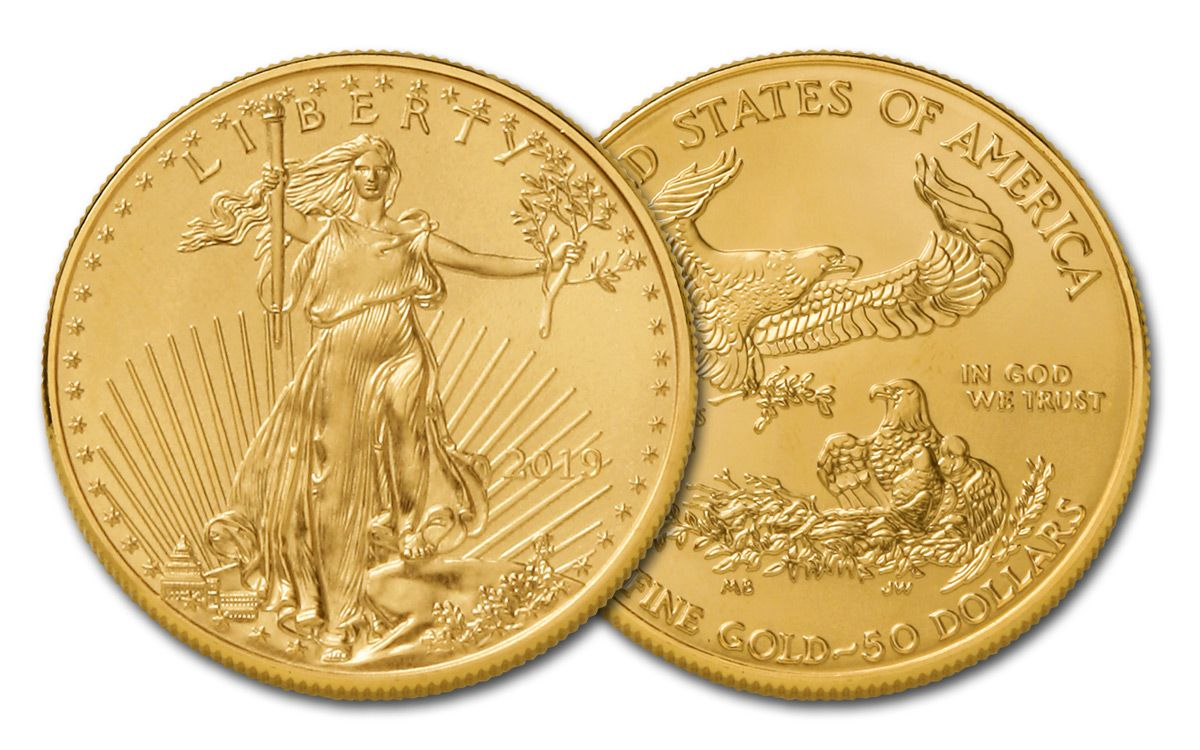
The world of numismatics, the study and collection of coins, offers a contrasting yet equally intricate set of valuation criteria. Here, the tangible nature of the asset and its historical context come to the fore, requiring a blend of historical knowledge, market expertise, and an eye for detail.
Key Determinants: Rarity, Condition, and Historical Significance
The intrinsic worth of a physical coin is primarily dictated by three pillars:
- Rarity: How many examples of this coin were minted? How many have survived over time? Coins with extremely low mintage figures or those that are difficult to find in any condition will naturally command higher prices. Scarcity here is often a function of original production numbers, attrition, and the challenges of discovery.
- Condition (Grade): This is arguably the most critical factor. The better the coin’s state of preservation, the higher its value. Minor scratches, wear, or environmental damage can drastically reduce worth. Professional grading scales (e.g., from Poor to Mint State-70) provide a standardized way to assess condition. A coin graded “Uncirculated” will always be worth significantly more than a “Good” example of the same coin.
- Historical Significance: Coins that commemorate significant events, feature important figures, or have a unique story attached to them often carry a premium. Proof of historical lineage (provenance) can also add value.
Certification and Grading: Ensuring Authenticity and Value
For serious collectors and investors, professional grading services (such as PCGS or NGC in the US) are indispensable. These third-party experts authenticate coins, assign a numerical grade based on a universally accepted scale, and encapsulate them in tamper-evident holders. This certification process provides confidence in a coin’s authenticity and condition, establishing a benchmark for its market value and facilitating secure trading. A raw, uncertified coin will almost always be worth less than an identical, professionally graded example due to the reduced risk for the buyer.
Market Trends and Collector Demand
Like any collectible, numismatic values are also subject to market trends and the ebbs and flows of collector demand. Certain series or historical periods might suddenly become popular, driving up prices. Economic conditions can also play a role; during times of inflation or economic uncertainty, some investors turn to tangible assets like precious metals and rare coins as a hedge, pushing values higher. Staying abreast of auction results, dealer inventories, and collector forums provides insight into current market sentiment.
The Role of Expert Appraisal
Given the nuances of numismatic valuation, consulting with reputable coin dealers, appraisers, or auction houses is essential, especially for high-value or rare specimens. These experts possess the knowledge and experience to accurately assess a coin’s rarity, condition, and market standing, providing a reliable estimate of its worth. They can also provide insights into the liquidity of certain coins and guide sellers in achieving the best possible price.
Tools and Strategies for Determining Coin Worth
Whether you’re dealing with digital assets or physical collectibles, a disciplined approach and access to reliable information are crucial for accurate valuation.
Researching Market Data: Exchanges, Auction Results, Price Guides
For cryptocurrencies, real-time data from reputable exchanges (e.g., Binance, Coinbase), crypto data aggregators (e.g., CoinMarketCap, CoinGecko), and blockchain explorers are indispensable. These platforms provide current prices, trading volumes, market capitalization, and historical price charts, allowing investors to track performance and identify trends.
For physical coins, the tools differ. Price guides (e.g., “A Guide Book of United States Coins,” commonly known as the “Red Book”), online databases, and recorded auction results from major numismatic auctioneers (e.g., Heritage Auctions, Stack’s Bowers Galleries) are vital. These resources provide a historical context for prices, allowing collectors to compare past sales of similar coins based on grade and provenance. Dealer websites and specialized forums also offer insights into current asking prices and market liquidity.
Financial Analysis: Fundamental vs. Technical Analysis (for digital)
Cryptocurrency investors often employ traditional financial analysis techniques:
- Fundamental Analysis (FA): This involves evaluating the intrinsic value of a cryptocurrency by examining its underlying technology, utility, development team, community, whitepaper, tokenomics, and competitive landscape. The goal is to determine if the coin is undervalued or overvalued relative to its potential.
- Technical Analysis (TA): This involves studying historical price charts and trading volumes to identify patterns and predict future price movements. Traders use indicators like moving averages, Bollinger Bands, and relative strength index (RSI) to make short-to-medium term trading decisions.
While primarily applied to digital assets, aspects of fundamental analysis (like assessing demand and scarcity) can implicitly inform numismatic valuations, albeit in a less quantifiable way.
Consultation with Experts and Communities
For both digital and physical coins, leveraging the knowledge of experts and specialized communities is highly beneficial.
- Crypto Communities: Online forums, Reddit communities, Telegram groups, and Discord servers dedicated to specific cryptocurrencies or the broader crypto market offer a wealth of shared knowledge, news, and sentiment. Engaging with these communities can provide valuable perspectives and early insights.
- Numismatic Experts: Reputable coin dealers, professional appraisers, and experienced collectors are invaluable resources. They can offer insights into rarity, authenticity, grading, and market conditions, providing personalized advice that online resources might miss. Attending coin shows and joining numismatic clubs fosters these connections.
Long-term vs. Short-term Investment Horizons
Finally, understanding how much a coin is worth is inextricably linked to your investment horizon. Short-term traders might focus on technical analysis and market sentiment to capitalize on immediate price swings, while long-term investors (in crypto or numismatics) will prioritize fundamental value, rarity, and historical appreciation potential. A coin that is “worth” a quick profit today might be considered a poor long-term hold, and vice-versa. Defining your financial goals is the first step in applying the appropriate valuation strategies.

Conclusion
The question “how much is coin worth?” is far from simplistic. It opens a pandora’s box of economic theory, technological innovation, historical appreciation, and market psychology. Whether you are navigating the volatile frontiers of cryptocurrency or delving into the rich history of numismatics, accurately assessing a coin’s value demands diligence, research, and a clear understanding of the unique factors at play. From the intricate blockchain utility of a digital token to the pristine condition of a rare physical specimen, every detail contributes to its ultimate financial standing. By employing rigorous analysis, consulting expert opinions, and staying informed about market trends, individuals can transform the complex task of coin valuation into a powerful tool for informed investment, enriching their collections, and securing their financial future. In a world where financial assets are constantly evolving, understanding the true worth of a “coin” is an indispensable skill for any prudent investor or discerning collector.
aViewFromTheCave is a participant in the Amazon Services LLC Associates Program, an affiliate advertising program designed to provide a means for sites to earn advertising fees by advertising and linking to Amazon.com. Amazon, the Amazon logo, AmazonSupply, and the AmazonSupply logo are trademarks of Amazon.com, Inc. or its affiliates. As an Amazon Associate we earn affiliate commissions from qualifying purchases.