
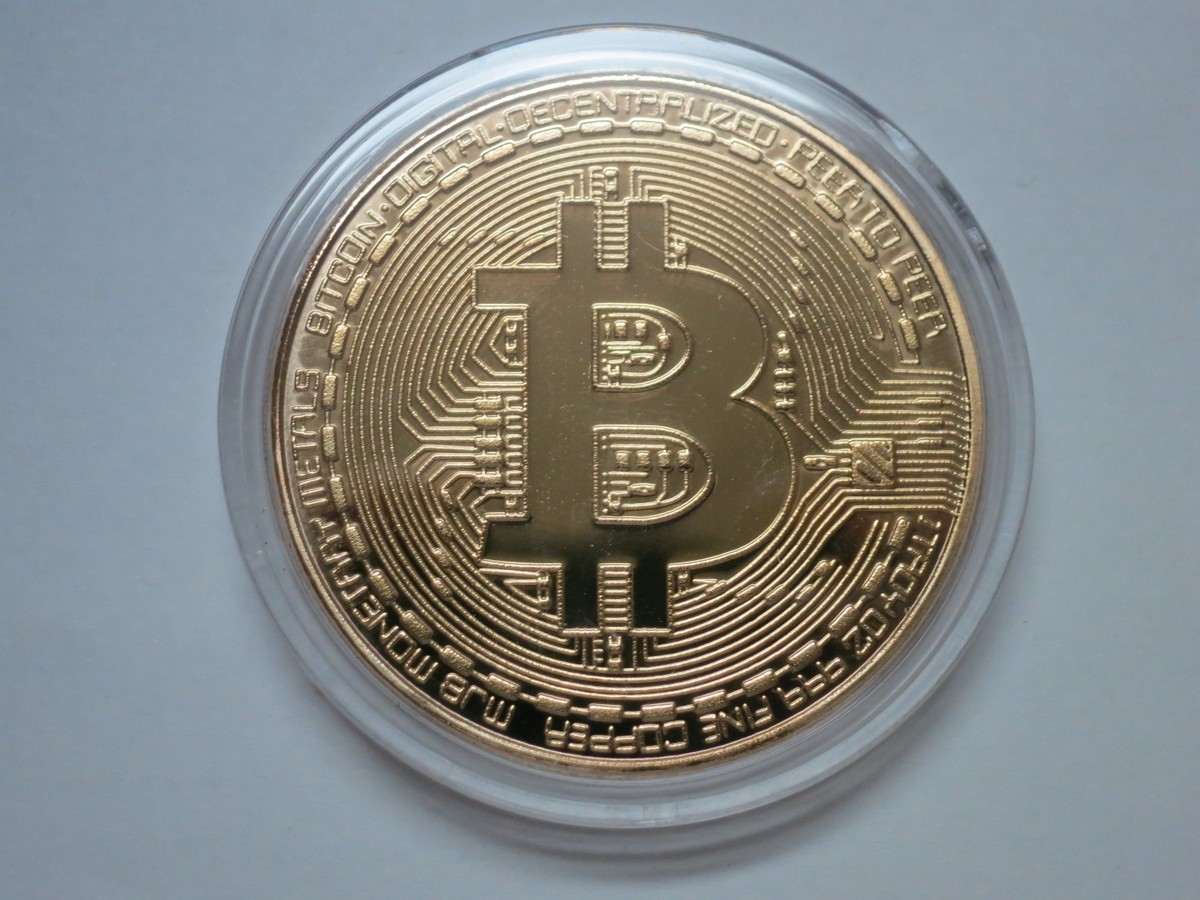
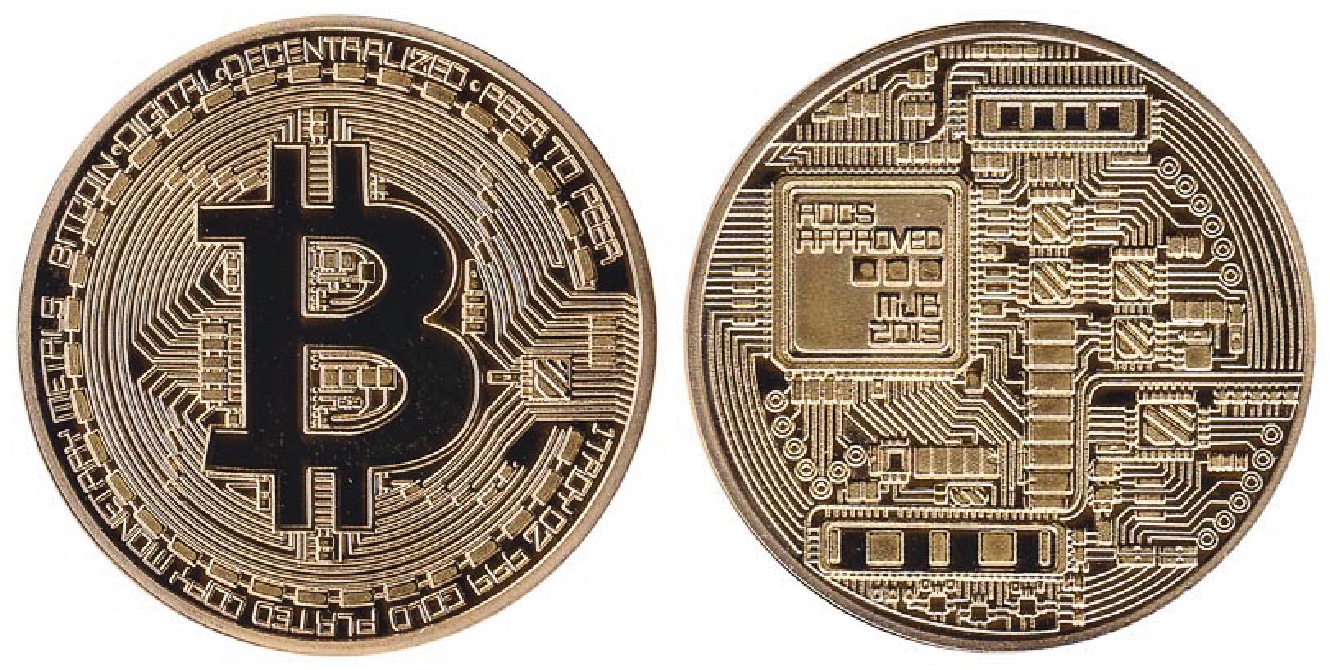
The concept of “physical Bitcoin” often conjures images of shiny gold or silver coins, perhaps with the iconic Bitcoin logo etched into their surface. For many, this tangible representation feels more reassuring than the abstract digital currency that exists only as entries on a blockchain. However, the true worth of a “physical Bitcoin” is a nuanced topic, far more complex than simply looking up the current market price of BTC. It involves a fascinating interplay of digital value, numismatic appeal, security considerations, and inherent risks. Understanding this dichotomy is crucial for anyone pondering the acquisition or valuation of these unique hybrid assets. This article delves into the various facets that determine the worth of a physical Bitcoin, firmly anchoring our discussion in the realm of personal finance and investment strategy.
Deconstructing the “Physical Bitcoin” Phenomenon
To accurately assess the value of a physical Bitcoin, we must first understand what it actually is – and, perhaps more importantly, what it is not. These items bridge the gap between the purely digital nature of cryptocurrency and our human inclination towards tangible assets, yet they operate under a distinct set of principles.
What Exactly is a Physical Bitcoin?
A “physical Bitcoin” is not Bitcoin itself. Bitcoin, by its very design, is a decentralized digital currency, existing solely as data on a distributed ledger known as the blockchain. A physical Bitcoin is essentially a physical vessel, typically a metal coin or bar, that contains the private key for a specific amount of digital Bitcoin. This private key is usually concealed under a tamper-proof hologram or seal. When this seal is broken or “peeled,” the private key is revealed, allowing the holder to sweep the associated digital Bitcoin into a standard cryptocurrency wallet.
The most famous example of these physical Bitcoins are the Casascius coins, created by Mike Caldwell between 2011 and 2013. These meticulously crafted coins, made from brass, silver, or gold, became highly sought after due to their quality, limited production, and the cryptographic ingenuity behind them. Other creators have since produced similar items, though Casascius coins remain the benchmark for collectibility. It’s crucial to understand that these physical items are akin to bearer bonds: whoever holds the coin effectively holds the keys to the digital Bitcoin it represents.
The Fundamental Disconnect: Digital vs. Tangible
The primary disconnect lies in the very nature of Bitcoin. Its strength and utility derive from its digital, borderless, and permissionless attributes. It can be sent anywhere in the world in minutes, is divisible into tiny fractions, and exists independently of any physical form. A physical Bitcoin, conversely, introduces all the limitations of physical assets: it must be physically moved, stored, can be lost or stolen, and its transfer requires a physical handover.
The appeal of the physical form often stems from a desire for tangibility, a way for early adopters and enthusiasts to materialize an otherwise abstract digital concept. For some, it offers a sense of security, believing that holding a physical coin is inherently safer than trusting digital storage. However, as we will explore, this perceived security is often outweighed by practical and security risks inherent to physical assets. It’s a collectible item that references a digital asset, rather than being the digital asset itself.
The Dual Valuation: Intrinsic vs. Numismatic
The “worth” of a physical Bitcoin is therefore a composite figure, derived from two distinct and often fluctuating components: the value of the digital Bitcoin it represents and its own collectible, or numismatic, value as a physical artifact. Understanding how these two values interact is central to appreciating what you truly hold.
The Underlying Digital Value: The Bitcoin Itself
At its core, the most significant component of a physical Bitcoin’s worth is the value of the digital Bitcoin stored within its private key. If a physical Bitcoin coin holds 1 BTC, its base value is the prevailing market price of 1 Bitcoin. This value fluctuates constantly with the global cryptocurrency markets. When you “redeem” or “peel” a physical Bitcoin, you are essentially extracting this digital value from its tangible casing, and it then becomes indistinguishable from any other digital Bitcoin.
This digital value is subject to the extreme volatility that characterizes the cryptocurrency market. Bitcoin’s price can swing dramatically based on market sentiment, regulatory news, technological developments, and macroeconomic factors. Therefore, a physical Bitcoin’s worth, particularly before its digital contents are redeemed, is directly tied to this dynamic market price. The risk and reward associated with holding a physical Bitcoin largely hinge on the performance of Bitcoin as an asset class.
The Numismatic and Collectible Premium
Beyond the value of the digital Bitcoin, many physical Bitcoins command a significant premium purely for their collectible nature. This is where the world of numismatics (the study or collection of currency) intersects with cryptocurrency. Factors influencing this collectible premium include:
- Scarcity and Rarity: Limited edition runs, coins with unique serial numbers, or those from highly reputable creators like Casascius are far more valuable. The fewer there are, the higher the demand from collectors.
- Historical Significance: Early physical Bitcoins, especially Casascius coins, represent a pivotal moment in cryptocurrency history. They are artifacts from Bitcoin’s nascent years, carrying a historical weight that enhances their appeal.
- Condition: Like traditional collectibles, the pristine condition of the physical item, particularly an unbroken tamper-proof seal, dramatically impacts its collectible value. A “peeled” coin, where the private key has been revealed, typically loses most, if not all, of its numismatic premium.
- Creator/Minter: The reputation and provenance of the creator play a huge role. Casascius coins are generally the most valued due to their early origin, trusted security measures (for their time), and quality.
For some rare Casascius coins, the collectible premium has, at times, far exceeded the value of the underlying digital Bitcoin, especially during periods when Bitcoin’s price was relatively low. Collectors might pay double, triple, or even many multiples of the digital value for an unpeeled, pristine example.
When the Values Diverge: Breaking the Seal
The act of “breaking the seal” on a physical Bitcoin is a critical moment that irrevocably alters its valuation. Once the private key is exposed, the physical item effectively transitions from a hybrid collectible/digital asset into a mere empty shell (or a “peeled” collectible). The digital Bitcoin is then accessible and can be transferred to a software wallet.
When this occurs, the physical Bitcoin largely loses its numismatic premium. While the empty coin might still hold some value as a historical artifact for a niche collector, it will be significantly less than an unpeeled equivalent. The owner has chosen to realize the digital value, sacrificing the unique collectible status. This decision often presents a dilemma for holders: to preserve the collectible value by keeping it sealed and accepting the risks, or to access the digital value, thereby diminishing its unique tangible appeal. For most collectors, an unpeeled coin is a diminished item, demonstrating that for a true collector, the physical object itself, in its original state, is as important as the digital contents.
Risks and Considerations for Physical Bitcoin Holders
While the allure of a tangible Bitcoin is understandable, holding such an item comes with a unique set of risks and practical considerations that differ significantly from holding purely digital Bitcoin. Investors and collectors must weigh these factors carefully.
Security Vulnerabilities of Physical Bitcoin
Despite the perceived security of physical possession, these items are susceptible to traditional risks that digital Bitcoin stored in secure cold wallets largely mitigates:
- Loss and Theft: A physical Bitcoin can be physically lost, misplaced, or stolen, just like cash or jewelry. If it’s a bearer instrument, whoever finds or steals it has direct access to the digital Bitcoin once the seal is broken. There’s no recourse or ability to reverse transactions.
- Damage: The physical item can be damaged, making it difficult or impossible to retrieve the private key. Water damage, extreme temperatures, or physical abrasion could render the coin useless.
- Counterfeiting: While less common for the most reputable creators like Casascius (due to their unique serial numbers and security features), unofficial or less carefully made physical Bitcoins could potentially be counterfeited, risking that the contained private key is either invalid or compromised.
- Creator Risk (Historical): For some early physical Bitcoins, there was a theoretical risk that the creator retained a copy of the private key. While Casascius took significant measures to mitigate this, it’s a general risk for any third-party-generated private key, which is why self-custody of digital BTC is generally preferred.
These vulnerabilities highlight that the physical nature introduces a layer of physical security challenges that digital assets typically bypass through cryptography and distributed ledger technology.
Practicality and Liquidity Issues
Holding a physical Bitcoin presents several practical challenges compared to its digital counterpart:
- Lack of Divisibility: Unlike digital Bitcoin, which can be divided into 8 decimal places (satoshi), a physical coin is a single, indivisible unit (e.g., 1 BTC, 0.5 BTC). This makes it unsuitable for smaller transactions or fractional investments.
- Limited Transferability and Speed: Transferring a physical Bitcoin requires physical delivery, which is slow, costly, and risky (e.g., shipping, customs, insurance). Digital Bitcoin can be transferred globally in minutes for minimal fees.
- Niche Market for Resale: If you wish to sell an unpeeled physical Bitcoin for its combined digital and numismatic value, you’re targeting a very niche market of collectors. Finding a buyer can be time-consuming, and negotiating a fair price can be complex. The liquidity is far lower than selling digital Bitcoin on an exchange.
- Redemption Complexity: The process of “sweeping” the private key from a physical coin into a digital wallet can be daunting for novices and carries the risk of errors if not done carefully.
Regulatory and Legal Ambiguity
The legal and regulatory status of physical Bitcoins can be ambiguous. Different jurisdictions may treat them differently for tax purposes, inheritance, or transfer of ownership. Are they collectibles? Are they a form of currency? Are they a bearer instrument? These classifications can have significant implications for their legal handling and transfer. This uncertainty adds another layer of complexity for holders, especially when dealing with estates or cross-border transfers.
Investing in Bitcoin: Physical vs. Digital Approaches
Given the dual nature and unique challenges of physical Bitcoins, it’s important to differentiate between holding digital Bitcoin for investment purposes and acquiring a physical Bitcoin as a collectible.
Why Pure Digital Bitcoin Remains the Standard
For the vast majority of investors seeking exposure to Bitcoin’s price appreciation, holding digital Bitcoin in a secure manner (such as a hardware wallet or reputable exchange) remains the most practical, secure, and liquid option.
- Superior Liquidity: Digital Bitcoin can be bought and sold almost instantly on numerous exchanges worldwide.
- Ease of Storage: While requiring careful management of private keys, digital cold storage (e.g., hardware wallets) offers a highly secure way to store large amounts of Bitcoin without the physical risks of theft or damage to a single item.
- Divisibility: Investors can buy and sell any fraction of Bitcoin, allowing for flexible investment strategies.
- Direct Market Access: Digital Bitcoin offers direct, unencumbered access to the broader cryptocurrency market.
When Does a Physical Bitcoin Make Sense?
A physical Bitcoin primarily makes sense for a specific niche:
- As a Collector’s Item: For those passionate about cryptocurrency history and numismatics, unpeeled physical Bitcoins, especially rare Casascius coins, are valuable historical artifacts. Their worth is driven by their provenance, scarcity, and condition, much like rare stamps or traditional coins.
- For Novelty or Gifting: A physical Bitcoin can serve as a unique and memorable gift, particularly for someone interested in cryptocurrency, offering a tangible representation of a groundbreaking technology.
- As a Unique Form of “Cold Storage” (with caveats): Some might view an unpeeled physical Bitcoin as a form of “cold storage,” physically separated from online systems. However, this comes with all the physical risks discussed and is generally not recommended for significant amounts of Bitcoin compared to dedicated hardware wallets.

Alternative Tangible Bitcoin Exposure
For investors who desire some form of “tangible” exposure to Bitcoin’s price movements without directly holding either digital or physical Bitcoin, several financial instruments have emerged:
- Bitcoin ETFs (Exchange-Traded Funds): These funds hold actual Bitcoin or Bitcoin futures and are traded on traditional stock exchanges. They offer regulated exposure to Bitcoin’s price without the complexities of self-custody.
- Stocks of Bitcoin-Related Companies: Investing in companies that mine Bitcoin, provide crypto services, or hold significant amounts of Bitcoin on their balance sheets (e.g., MicroStrategy) can offer indirect exposure.
These alternatives provide regulated and often more liquid avenues for gaining Bitcoin price exposure, bypassing the unique challenges of physical Bitcoin entirely.
In conclusion, the question “how much is a physical Bitcoin worth?” doesn’t have a simple, single answer. Its value is a dynamic blend of the prevailing market price of the digital Bitcoin it represents and a potentially significant, yet volatile, numismatic premium. While fascinating as collector’s items and historical artifacts, physical Bitcoins introduce numerous risks and practical limitations that make them less suitable for the average investor seeking straightforward exposure to Bitcoin’s economic potential. For most, direct ownership of digital Bitcoin through secure means remains the most efficient, liquid, and practical investment strategy, leaving physical Bitcoins to their rightful place as cherished relics in the annals of cryptocurrency history.
aViewFromTheCave is a participant in the Amazon Services LLC Associates Program, an affiliate advertising program designed to provide a means for sites to earn advertising fees by advertising and linking to Amazon.com. Amazon, the Amazon logo, AmazonSupply, and the AmazonSupply logo are trademarks of Amazon.com, Inc. or its affiliates. As an Amazon Associate we earn affiliate commissions from qualifying purchases.