
The question “how much are 10,000 Bitcoins worth?” immediately evokes images of immense wealth, a testament to Bitcoin’s unprecedented rise from an obscure digital experiment to a global financial phenomenon. Answering this question precisely is like trying to catch a cloud – the value is constantly shifting, influenced by a myriad of global economic factors, market sentiment, and the relentless ebb and flow of supply and demand. However, one thing remains certain: holding 10,000 Bitcoins today represents a fortune of staggering proportions, placing its owner firmly among the world’s wealthiest individuals, at least on paper.

To truly grasp the magnitude of such a sum, we must look beyond a simple multiplication. We need to delve into the dynamic forces that govern Bitcoin’s price, trace its incredible historical journey, consider the profound financial implications of managing such an asset, and explore the factors that will continue to shape its value in the future.
The Dynamic Nature of Bitcoin Valuation
Bitcoin’s valuation is a complex interplay of market forces, investor psychology, and technological adoption. Unlike traditional assets tied to a physical commodity or a company’s earnings, Bitcoin’s value is derived purely from its perceived utility, scarcity, and the collective belief in its future.
Bitcoin’s Price Volatility Explained
Bitcoin is renowned for its volatility. Price swings of 10-20% in a single day are not uncommon, and even larger movements occur during periods of intense market activity. This volatility stems from several factors:
- Decentralization: No single entity controls Bitcoin’s supply or price, making it susceptible to market sentiment and speculative trading.
- Limited Supply: With a hard cap of 21 million coins, Bitcoin is deflationary by design. This scarcity is a core tenet of its value proposition, but it also means that even small shifts in demand can have outsized impacts on price.
- Global Macro Factors: Bitcoin has increasingly shown correlation with broader macroeconomic trends, reacting to inflation data, interest rate decisions, geopolitical events, and the performance of traditional financial markets.
- Regulatory News: Announcements from governments and financial regulators regarding cryptocurrency often trigger significant price movements, either positive or negative.
- Technological Developments & Adoption: Upgrades to the Bitcoin protocol (like Taproot), increased institutional adoption (e.g., spot ETFs), and new use cases can boost confidence and demand.
The Importance of Real-Time Data
Given this inherent volatility, any specific valuation of 10,000 Bitcoins is merely a snapshot in time. To determine its precise worth, one would need to consult a live Bitcoin price index from a reputable cryptocurrency exchange. For illustrative purposes, let’s consider a hypothetical scenario:
If Bitcoin is trading at approximately $70,000 per BTC, then 10,000 Bitcoins would be worth:
10,000 BTC * $70,000/BTC = $700,000,000 (Seven Hundred Million US Dollars).
Should Bitcoin reach its all-time high of over $73,000, that figure would exceed $730 million. Conversely, in a market downturn where Bitcoin might dip to $50,000, the value would drop to $500 million. This fluctuation underscores the speculative nature of holding such a substantial amount and the critical need for real-time market data for any accurate valuation.
A Glimpse into Bitcoin’s Historical Journey
The current multi-hundred-million-dollar valuation of 10,000 Bitcoins is even more astonishing when viewed through the lens of its humble beginnings. This journey from digital curiosity to a recognized asset class is central to understanding its present-day worth.
Early Days and the Cost of 10,000 Bitcoins
In Bitcoin’s nascent stages, acquiring 10,000 BTC was incredibly easy and cheap.
- Mining: In 2009-2010, early adopters could mine thousands of Bitcoins using standard home computers, often generating blocks for personal satisfaction rather than monetary gain. The energy cost was negligible, and the hardware investment minimal.
- First Transactions: Famously, in May 2010, Laszlo Hanyecz paid 10,000 BTC for two pizzas. At the time, those Bitcoins were valued at approximately $41 – a mere fraction of a cent per coin. This transaction, now known as “Bitcoin Pizza Day,” serves as a poignant reminder of Bitcoin’s infinitesimal early value.
- Initial Exchange Rates: When the first exchanges began to emerge, Bitcoin’s price was often less than a dollar per coin. Holding 10,000 BTC would have cost very little, perhaps a few dollars or tens of dollars, making it one of the most profitable investments in history for those with foresight and ironclad conviction.
The Mount Gox Era and Beyond
The early to mid-2010s saw the rise and fall of exchanges like Mount Gox, which handled the vast majority of Bitcoin transactions. During this period, Bitcoin began to gain traction, and its price started to climb, reaching hundreds of dollars by 2013. A holder of 10,000 BTC would have seen their investment grow from negligible to several million dollars, a significant sum even then. The subsequent collapse of Mount Gox and other early hacks highlighted the nascent security challenges but did not derail Bitcoin’s long-term trajectory.
The Long Road to Mainstream Investment
Bitcoin’s journey to a mainstream investment has been marked by several dramatic bull runs and subsequent corrections:
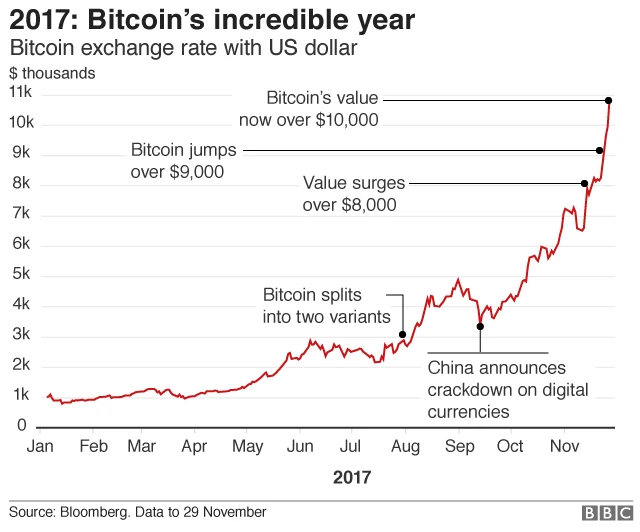
- 2017 Bull Run: Bitcoin surged towards $20,000, bringing cryptocurrencies into public consciousness. 10,000 BTC would have been worth nearly $200 million.
- 2021 Bull Run: Fueled by institutional interest, corporate adoption, and growing retail enthusiasm, Bitcoin reached new highs, pushing past $60,000. At this point, 10,000 BTC commanded a value of over $600 million.
- 2024 and Beyond: With the approval of spot Bitcoin ETFs in major markets and increasing integration into traditional finance, Bitcoin continues to solidify its position as a legitimate, albeit volatile, asset class. The value of 10,000 BTC has continued to climb, frequently breaching the $700 million mark and hinting at the possibility of a billion-dollar valuation.
Navigating the Financial Implications of a Bitcoin Fortune
Holding 10,000 Bitcoins is not just about the impressive dollar figure; it comes with a unique set of financial and logistical challenges that require sophisticated planning and execution.
Security and Custody Challenges
Protecting a digital fortune of this magnitude is paramount. Unlike fiat currency in a bank, there’s no central authority to reverse transactions or recover lost funds.
- Self-Custody (Cold Storage): The most secure method involves storing Bitcoin on hardware wallets or offline paper wallets, completely disconnected from the internet. This mitigates hacking risks but places the entire responsibility of safeguarding private keys on the owner. Loss of keys means permanent loss of funds.
- Multi-Signature Wallets: For added security, a multi-signature setup requires multiple private keys to authorize a transaction, often distributed among trusted individuals or entities.
- Institutional Custodians: Wealthy individuals and institutions often opt for specialized crypto custodians that offer advanced security measures, insurance, and regulatory compliance, albeit at a cost.
Liquidity and Market Impact
While $700 million is a staggering sum, liquidating 10,000 Bitcoins is not as simple as clicking a “sell” button.
- Market Depth: Selling such a large quantity on a standard exchange could significantly impact Bitcoin’s price, driving it down due to the sudden influx of supply. This phenomenon is known as “slippage.”
- Over-the-Counter (OTC) Desks: High-net-worth individuals typically use OTC desks, which facilitate large block trades directly between parties without impacting public exchange order books. These services offer better execution prices for massive transactions but come with fees and require trusted relationships.
- Staged Liquidation: To minimize market impact and optimize average selling price, a holder might choose to liquidate their Bitcoins in smaller increments over an extended period.
Tax Implications and Regulatory Landscape
The tax implications of holding and potentially selling 10,000 Bitcoins are substantial and vary significantly by jurisdiction.
- Capital Gains Tax: In most countries, Bitcoin is treated as property, meaning profits from its sale are subject to capital gains tax. The tax rate can differ based on the holding period (short-term vs. long-term).
- Income Tax: If Bitcoin is received as income (e.g., for services rendered), it may be subject to income tax.
- Wealth and Estate Taxes: Some jurisdictions may have wealth taxes or estate taxes that apply to significant asset holdings, including cryptocurrencies.
- Reporting Requirements: Financial institutions and individuals dealing with large cryptocurrency transactions often have strict reporting requirements to prevent money laundering and ensure tax compliance. Navigating this complex regulatory environment requires expert tax and legal advice.
Wealth Management and Financial Planning
A fortune of this size, particularly one as volatile as Bitcoin, necessitates comprehensive wealth management.
- Diversification: Prudent financial advice would almost certainly recommend diversifying such a substantial sum into a range of traditional assets (real estate, stocks, bonds) to mitigate risk.
- Estate Planning: Robust estate planning is crucial to ensure the smooth transfer of assets to heirs, especially given the unique challenges of inheriting digital assets.
- Philanthropy: Many individuals with such wealth explore philanthropic ventures, which also require careful financial structuring.
Beyond the Price Tag: Factors Shaping Bitcoin’s Future Value
The current worth of 10,000 Bitcoins is impressive, but what about its future? Several key factors will continue to influence Bitcoin’s trajectory and, by extension, the value of such a significant holding.
Supply and Demand Dynamics
Bitcoin’s pre-programmed scarcity is a fundamental driver of its value.
- Halving Events: Approximately every four years, the reward for mining new blocks is halved, reducing the rate at which new Bitcoins enter circulation. This supply shock has historically preceded significant price increases.
- Growing Demand: As institutional adoption expands, driven by products like spot ETFs, and retail interest persists, the demand for Bitcoin is expected to continue to grow against a dwindling supply.
Adoption and Utility
The “store of value” narrative is strong, but Bitcoin’s utility as a medium of exchange and a programmable money layer is also crucial.
- Payment Rail: Increased integration into payment systems and everyday commerce would enhance its utility and broaden its user base.
- Financial Innovation: The development of decentralized finance (DeFi) applications and layer-2 solutions (like the Lightning Network) built on Bitcoin could unlock new use cases and drive demand.
- Emerging Markets: Bitcoin’s role as a hedge against inflation and currency devaluation in economically unstable regions could also drive sustained demand.
Regulatory Clarity and Government Stance
The evolving regulatory landscape remains a critical determinant of Bitcoin’s future.
- Favorable Regulations: Clear, supportive regulatory frameworks can foster innovation, attract institutional capital, and increase investor confidence.
- Restrictive Measures: Conversely, harsh crackdowns or outright bans in major economies could severely dampen demand and price.
- CBDCs vs. Bitcoin: The rise of Central Bank Digital Currencies (CBDCs) could either compete with or complement Bitcoin, depending on their design and adoption.

Macroeconomic Influences
Bitcoin’s performance is increasingly intertwined with global macroeconomic trends.
- Inflation Hedge: Many view Bitcoin as a hedge against inflation, similar to gold. In periods of high inflation, demand for Bitcoin could increase.
- Interest Rates: Higher interest rates in traditional markets can make yield-bearing assets more attractive, potentially drawing capital away from speculative assets like Bitcoin.
- Global Economic Stability: In times of economic uncertainty or geopolitical instability, Bitcoin’s decentralized nature could make it an appealing safe-haven asset for some investors.
In conclusion, holding 10,000 Bitcoins today is an extraordinary feat of foresight, luck, or strategic accumulation that places one at the pinnacle of digital wealth. While the exact dollar figure is a moving target, constantly influenced by the volatile crypto markets, the underlying value proposition of Bitcoin as a scarce, decentralized, and increasingly adopted digital asset remains powerful. Managing such a fortune requires not only an understanding of its financial implications but also a robust strategy for security, taxation, and long-term wealth preservation in an ever-evolving financial landscape.
aViewFromTheCave is a participant in the Amazon Services LLC Associates Program, an affiliate advertising program designed to provide a means for sites to earn advertising fees by advertising and linking to Amazon.com. Amazon, the Amazon logo, AmazonSupply, and the AmazonSupply logo are trademarks of Amazon.com, Inc. or its affiliates. As an Amazon Associate we earn affiliate commissions from qualifying purchases.