
The year 2010 holds a mythical status in the annals of cryptocurrency history, particularly for Bitcoin. It was a period of profound obscurity for what would eventually become a globally recognized digital asset. For those who lament missing out on Bitcoin’s astronomical rise, understanding its humble beginnings and non-existent price tag in 2010 is crucial. Far from being a readily traded asset with a clear market value, Bitcoin in 2010 was a nascent experiment, primarily understood and exchanged by a small cohort of developers, cypherpunks, and early adopters. Its “value” was more theoretical than tangible, a testament to its radical new approach to digital money.
In essence, asking “how much was one Bitcoin in 2010?” is akin to asking the price of a revolutionary idea before it had a market. There was no established exchange, no readily available price feed, and certainly no institutional investment. The answers lie not in market charts but in the fascinating early transactions and the emerging understanding of what this digital currency could represent.
The Genesis of Digital Value: Bitcoin’s Early Days
To grasp Bitcoin’s price in 2010, one must first understand its genesis. Launched on January 3, 2009, by the pseudonymous Satoshi Nakamoto, Bitcoin was conceived as a decentralized, peer-to-peer electronic cash system. Its core innovation was the blockchain, a distributed ledger that recorded all transactions, secured by cryptographic proof, and maintained by a network of computers. In 2010, this technology was still largely a curiosity, far from mainstream awareness.
Satoshi’s Vision: A Peer-to-Peer Electronic Cash System
Satoshi Nakamoto’s white paper, “Bitcoin: A Peer-to-Peer Electronic Cash System,” laid out a radical vision: a currency independent of central banks and traditional financial institutions. This vision resonated deeply with a specific demographic – those who valued privacy, decentralization, and freedom from intermediary control. In 2010, Bitcoin was less about speculative investment and more about proving the viability of this cryptographic solution to the problem of digital cash. The “value” was in the concept, the code, and the potential, rather than any immediate financial return. Mining Bitcoin was a straightforward process for anyone with a computer, and the block rewards were substantial, starting at 50 BTC per block. The energy consumption was minimal compared to today, making it accessible and attractive to early enthusiasts.
The Early Days: Mining and First Transactions
For most of 2010, Bitcoin’s “price” was primarily an internal valuation among its early community. Miners secured the network and earned new Bitcoins, often for free, simply by running software on their computers. These early Bitcoins were considered more of a novelty or a token of participation in a groundbreaking project than a valuable asset. The first significant public exchange of Bitcoin for fiat currency occurred in October 2009, when Martti Malmi (also known as “sirius”) sold 5,050 BTC for $5.02 via PayPal to NewLibertyStandard, valuing each Bitcoin at approximately $0.0009. This transaction, though informal, offered the first glimpse of a potential monetary value.
However, the real breakthrough in 2010 was not a formal exchange, but a famous real-world transaction that established Bitcoin’s utility as a medium of exchange, giving it its first tangible “price” in the minds of many.
The Concept of Scarcity and Decentralization
Even in its infancy, the foundational principles that would later drive Bitcoin’s value were already in place. Satoshi had hard-coded a maximum supply of 21 million Bitcoins, establishing a scarcity mechanism akin to gold. This finite supply, combined with a predictable halving schedule for mining rewards, ensured that Bitcoin was inherently deflationary by design. Furthermore, its decentralized nature meant no single entity could control its supply or manipulate its value, a stark contrast to traditional fiat currencies managed by central banks. These economic principles, though not yet widely appreciated, were the bedrock upon which future valuation would be built. In 2010, these were theoretical advantages, but they hinted at a future where Bitcoin could function as “digital gold” – a store of value independent of government control.
Bitcoin’s Monetary Value in its Infancy: A Price Tag of Pennies (or Less)
The most famous answer to “how much was one Bitcoin in 2010?” typically points to a few key events that marked its transition from a purely theoretical asset to one with a nascent market value. For the vast majority of 2010, Bitcoin was worth fractions of a cent, if it had an established market value at all. There was no widespread interest, no media coverage, and no infrastructure to support its trading on a large scale.
The Non-Existent Market: Trading at a Fraction of a Cent
At the very beginning of 2010, Bitcoin essentially had no measurable market price. It was exchanged directly between individuals, often for free or as a gesture of support for the network. As the year progressed, rudimentary ways to value it began to emerge. Websites like NewLibertyStandard.org started offering an “exchange rate” based on the cost of electricity to mine Bitcoins, initially valuing 1 BTC at $0.0009. This was not a market price but an attempt to quantify its production cost.
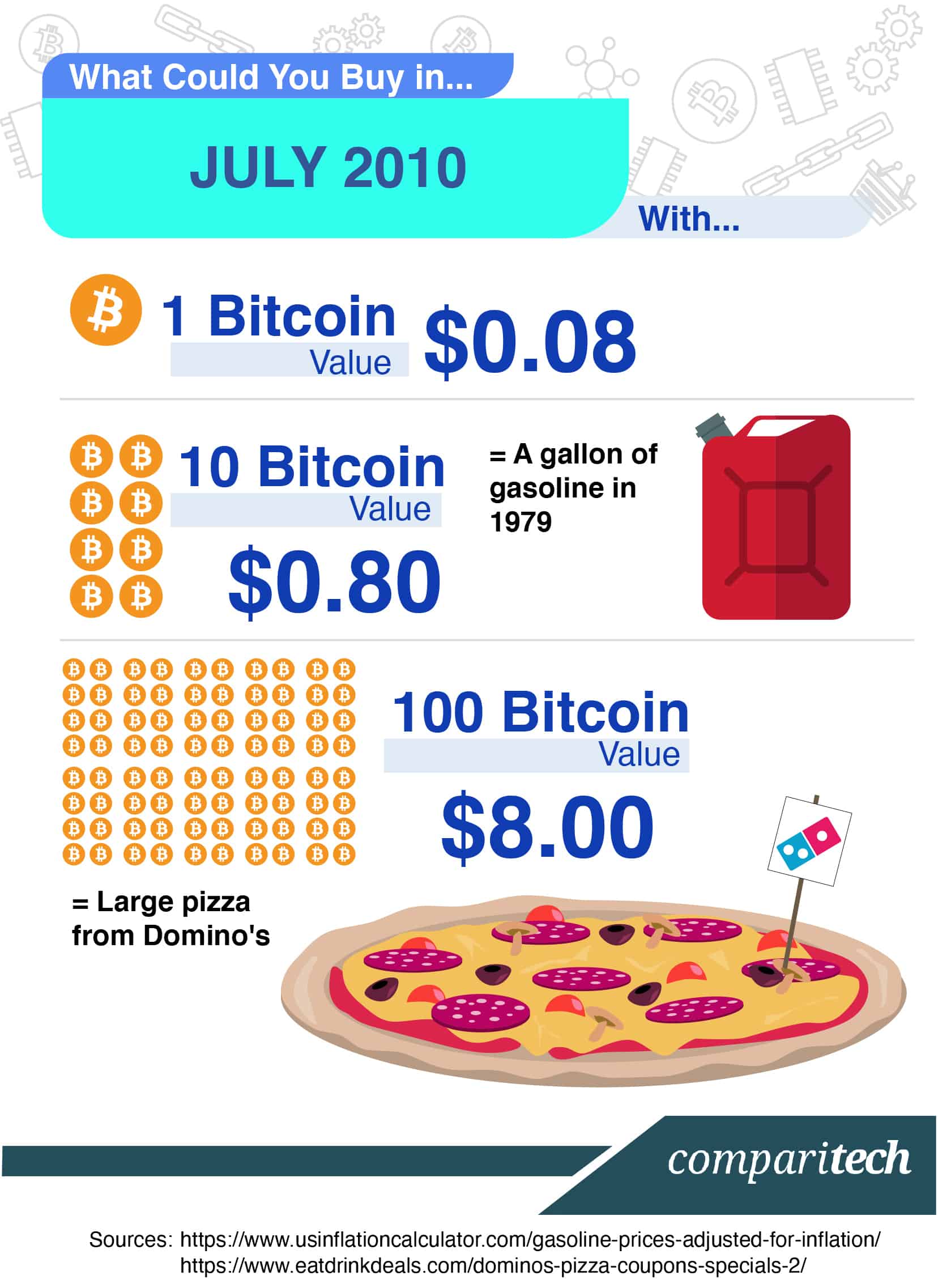
By July 2010, the first dedicated Bitcoin exchange, Mt. Gox, was launched. Its existence began to facilitate more organized trading, giving Bitcoin its first real public price discovery mechanism. Around this time, in July 2010, Bitcoin’s price started to hover around $0.08 per Bitcoin. It briefly surged to $0.09 and even $0.39 during this period before stabilizing. This was a monumental leap from the fractions of a cent it was valued at just months prior, indicating growing interest and early speculative activity.
The First Real-World Transaction: The Pizza Purchase
No discussion of Bitcoin’s 2010 value is complete without mentioning the legendary “Bitcoin Pizza Day.” On May 22, 2010, Laszlo Hanyecz, a programmer, successfully bought two pizzas for 10,000 Bitcoins. This transaction, facilitated through a forum, valued one Bitcoin at an astonishingly low rate. If we consider the cost of two pizzas to be roughly $25-$40 (depending on size and toppings), then each Bitcoin was valued at approximately $0.0025 to $0.004.
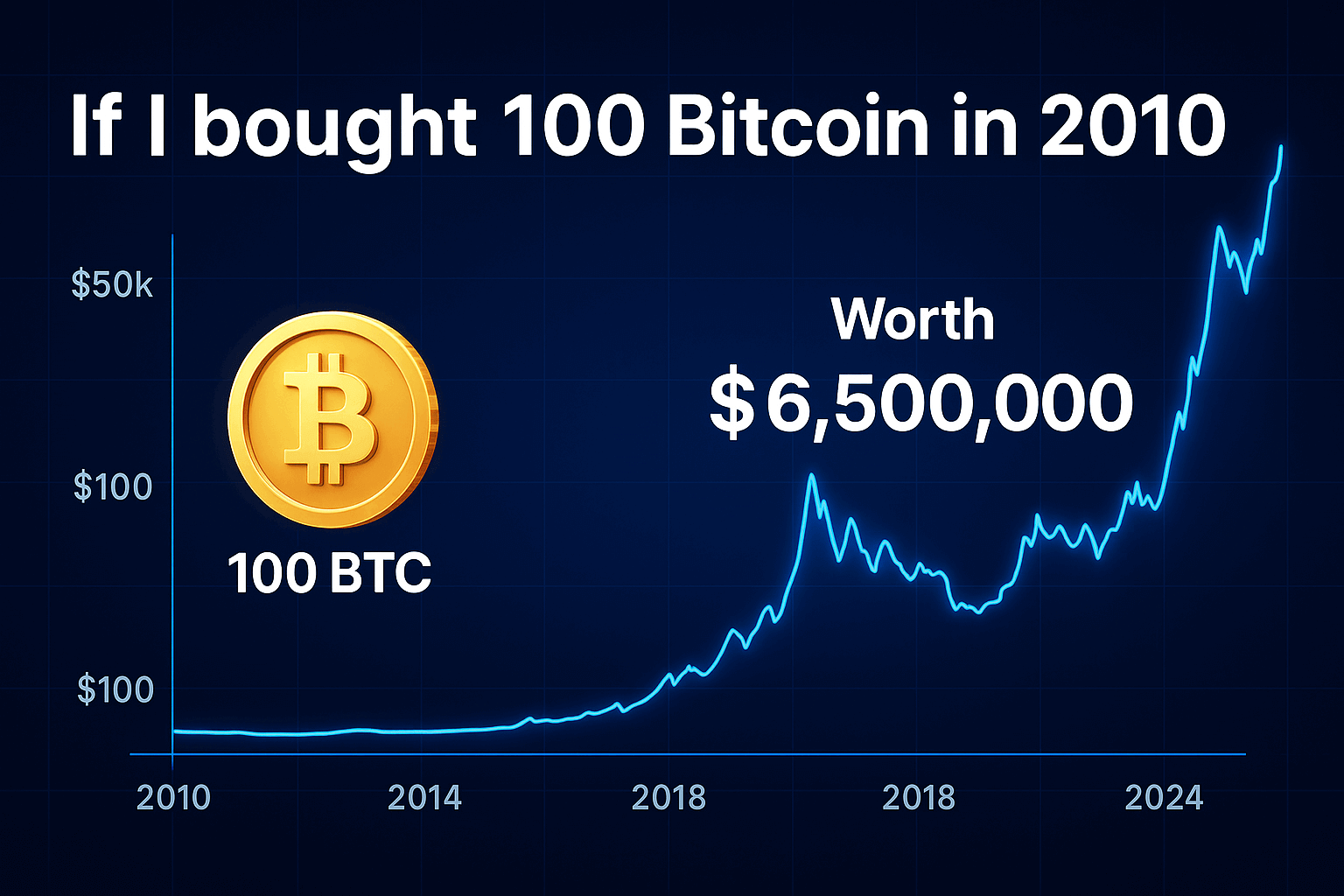
This event, while seemingly trivial at the time, was profoundly significant. It was the first instance of Bitcoin being used to purchase a physical good in the real world, proving its utility as a medium of exchange. It established the first truly public, market-derived price for Bitcoin, however tiny, and demonstrated its potential beyond merely being a technological curiosity. Today, those 10,000 Bitcoins would be worth hundreds of millions of dollars, a stark reminder of the incredible growth that followed.
Exchange Rates Emerge: The Gox Era and Beyond
The launch of Mt. Gox in July 2010 was a watershed moment. It provided a centralized platform where people could actually buy and sell Bitcoin with fiat currency (primarily USD). This significantly improved liquidity and price discovery. While still highly volatile and with low trading volumes, Mt. Gox started publishing an exchange rate that gave the public a concrete answer to “how much was one Bitcoin?”
By the end of 2010, Bitcoin’s price had retreated somewhat from its mid-year highs but remained significantly above its initial valuations. It hovered around $0.06 to $0.08 for most of the latter half of the year. This period saw the first real attempts at market formation, laying the groundwork for the explosion in price and adoption that would begin in earnest in subsequent years. The emergence of these exchanges marked the crucial transition of Bitcoin from an abstract concept to a tradable financial asset, albeit one still deeply misunderstood and undervalued by the wider world.
Why 2010 Matters: Laying the Foundation for Future Fortunes
The year 2010 was not just about Bitcoin’s low price; it was about the fundamental developments that enabled its future success. It was a crucible where the initial concepts were tested, refined, and proven to be viable, attracting the first wave of true believers and paving the way for unprecedented wealth creation.
Early Adopters and the Power of Compounding Returns
The individuals who acquired Bitcoin in 2010, whether through mining or purchasing at fractions of a dollar, represent the ultimate case study in the power of early adoption and compounding returns. Their initial “investments,” often made with little expectation of future wealth, yielded generational fortunes. This period highlights that true disruptive innovations often begin with negligible perceived value, and the greatest returns are often reserved for those willing to embrace extreme risk at the earliest stages. It’s a powerful lesson for investors today: identifying technologies with transformative potential before they become mainstream can lead to extraordinary outcomes, though such opportunities are inherently rare and risky.
The Risk and Reward Equation of Nascent Assets
Investing in Bitcoin in 2010 was an incredibly high-risk proposition. The project was experimental, lacked regulatory oversight, had no established use cases beyond niche transactions, and faced immense skepticism. There was a significant chance it could have failed entirely. However, precisely because the risk was so immense, the potential reward was also astronomical. This period underscores a fundamental principle in finance: high risk often correlates with high potential reward. It teaches us that truly disruptive assets offer their greatest upside when their future is most uncertain, and mainstream adoption is still a distant dream. Understanding this dynamic is crucial for evaluating new technologies and investments today.
From Niche Curiosity to Global Phenomenon
The seemingly insignificant events of 2010—the first public trade, the pizza purchase, the launch of an exchange—were the critical stepping stones that transformed Bitcoin from a niche curiosity among tech enthusiasts into the foundation of a global phenomenon. These moments demonstrated that Bitcoin could function as money, could be exchanged, and could have a market. They laid the essential groundwork for attracting further development, investment, and ultimately, widespread recognition. Without these early tests of utility and value, Bitcoin might have remained an obscure academic project rather than blossoming into the multi-trillion-dollar asset class it represents today.
The Lessons from Early Bitcoin for Today’s Investors
The story of Bitcoin in 2010 is more than just a historical anecdote; it offers profound lessons for contemporary investors navigating rapidly evolving markets, particularly in the realm of technology and disruptive innovation. It emphasizes patience, conviction, and a willingness to understand new paradigms.
Identifying Disruptive Innovations Early
The most valuable lesson from 2010 Bitcoin is the importance of identifying truly disruptive innovations in their nascent stages. While hindsight is 20/20, certain characteristics of Bitcoin were present even then: a novel technological solution to a real-world problem (digital scarcity without a central authority), a passionate community, and a clear vision. Today, investors are faced with countless emerging technologies (AI, Web3, biotech, etc.). The challenge is to discern which of these have the potential for similar exponential growth, understanding that the vast majority will fail. This requires deep research, critical thinking, and a forward-looking perspective, rather than simply chasing established trends.
The Volatility Paradox: High Risk, High Potential Reward
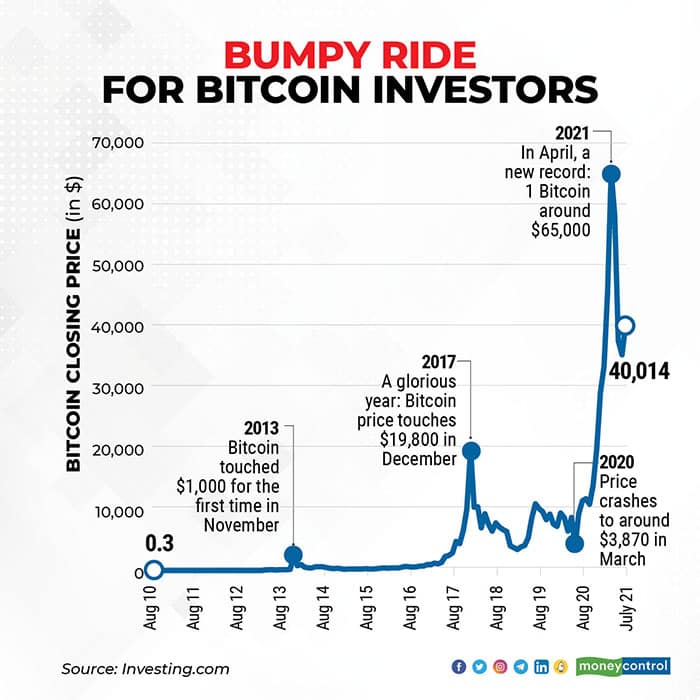
Bitcoin’s early price fluctuations, from fractions of a cent to nearly $0.40 and back down, were a precursor to its future volatility. This volatility is a double-edged sword: it represents significant risk but also the potential for immense returns. Investors in 2010 who held through these early swings and continued to believe in the long-term vision were ultimately rewarded. This teaches us that disruptive assets, particularly early on, will experience wild price swings. A high-conviction, long-term approach, coupled with an investment amount one can afford to lose, is often the most prudent strategy when dealing with such assets. Panic selling during downturns would have been catastrophic for early Bitcoin holders.
The Importance of Long-Term Vision and Conviction
Perhaps the most enduring lesson from Bitcoin’s 2010 valuation is the paramount importance of a long-term vision and unwavering conviction. No one could have predicted Bitcoin’s exact trajectory, but those who understood its fundamental value proposition – decentralization, scarcity, and censorship resistance – and had the foresight to hold on, reaped the rewards. Many sold their early Bitcoins for trivial sums, unable to foresee the future. For today’s investors, this translates to doing your due diligence, developing a strong thesis for your investments, and having the mental fortitude to stick to that thesis through market cycles and inevitable skepticism. The “price” of Bitcoin in 2010 was negligible, but the foresight of its early adopters proved priceless.
aViewFromTheCave is a participant in the Amazon Services LLC Associates Program, an affiliate advertising program designed to provide a means for sites to earn advertising fees by advertising and linking to Amazon.com. Amazon, the Amazon logo, AmazonSupply, and the AmazonSupply logo are trademarks of Amazon.com, Inc. or its affiliates. As an Amazon Associate we earn affiliate commissions from qualifying purchases.