
The sheer power of wind, a force of nature capable of shaping landscapes and challenging human endeavors, often sparks curiosity about its varied manifestations. While many perceive “strong wind” as a singular phenomenon, meteorologists and atmospheric scientists categorize these powerful air currents into distinct types, each with unique characteristics and impacts. Beyond the immediate visual spectacle of a gale or hurricane, understanding these strong winds can offer valuable insights, from the technological innovations required to withstand them to the financial implications they carry. This exploration delves into the four primary categories of strong winds, examining their formation, characteristics, and the broader technological and financial contexts they touch upon, aligning with the core interests of our platform: Tech, Brand, and Money.
Understanding the Forces: The Anatomy of Strong Winds
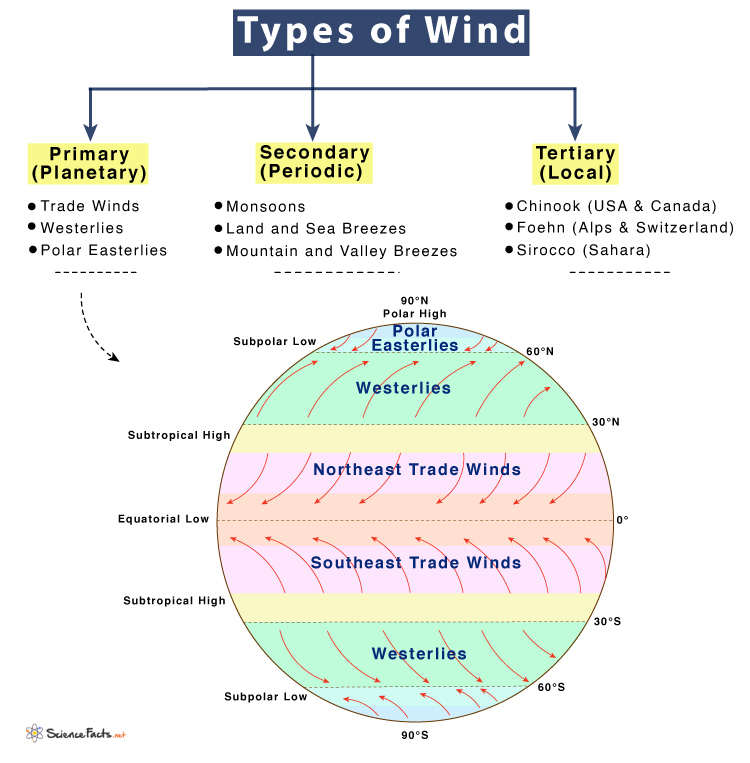
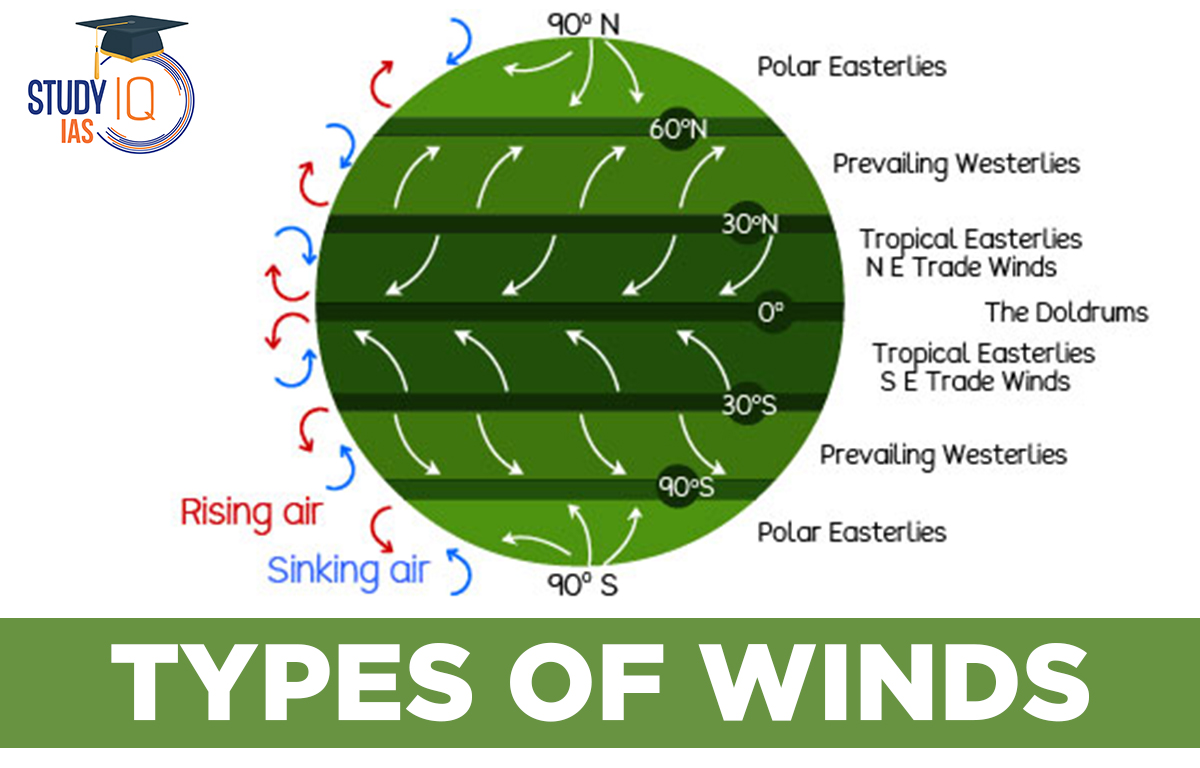
Before we classify the types of strong winds, it’s crucial to grasp the fundamental atmospheric processes that generate them. Wind, at its core, is the movement of air from an area of high atmospheric pressure to an area of low atmospheric pressure. This pressure difference is often driven by uneven heating of the Earth’s surface by the sun. Warmer air is less dense and rises, creating a low-pressure zone, while cooler air is denser and sinks, forming a high-pressure zone. The greater the pressure difference, the stronger the wind.
Several factors influence wind speed and direction, including:
- Pressure Gradients: The rate at which atmospheric pressure changes over a distance. Steeper gradients lead to stronger winds.
- Coriolis Effect: The apparent deflection of moving objects (like air) due to the Earth’s rotation. This effect is crucial in the formation of large-scale weather systems like hurricanes.
- Friction: The resistance to air movement caused by the Earth’s surface (terrain, buildings, etc.). Friction generally slows down winds, especially near the ground.
- Altitude: Wind speeds generally increase with altitude as friction decreases.
These fundamental principles underpin the formation of the powerful winds we will now explore.
The Four Pillars of Powerful Air Currents
Meteorological classifications of strong winds can vary slightly, but a common and comprehensive framework identifies four primary types based on their scale, formation, and typical behavior. These are:
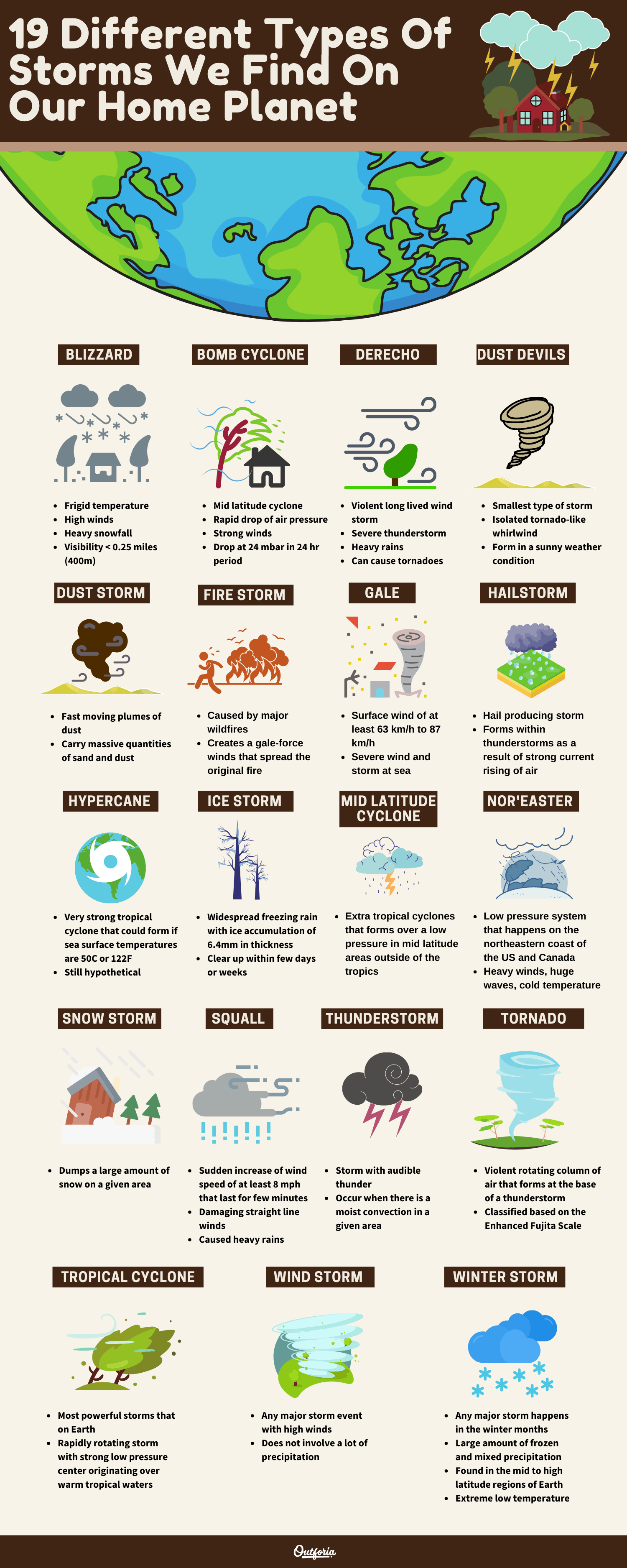
- Thunderstorms and Associated Winds (Microbursts, Downbursts, and Gust Fronts)
- Tropical Cyclones (Hurricanes, Typhoons, Cyclones)
- Mid-latitude Cyclones (Extratropical Cyclones, Nor’easters, Blizzards)
- Tornadoes
Let’s examine each of these in detail, considering their technological and financial ramifications.
1. Thunderstorms and Associated Winds: The Sudden Fury
While individual thunderstorms themselves aren’t typically classified as “strong winds” in the same vein as hurricanes, the atmospheric dynamics within and emanating from them can produce some of the most intense and localized wind phenomena. These include downbursts, microbursts, and gust fronts.
Formation and Characteristics: Thunderstorms form when warm, moist air rises rapidly into the atmosphere, cools, and condenses to form clouds and precipitation. The intense updrafts and downdrafts within these storms create powerful air movements.
- Downbursts: These are strong, localized downdrafts of air from a thunderstorm. As precipitation falls through a thunderstorm, it cools the air. This cool, dense air descends rapidly and hits the ground, spreading out horizontally in all directions.
- Microbursts: A microburst is essentially a small but extremely intense downburst, typically affecting an area less than 2.5 miles (4 km) in diameter. They are particularly dangerous due to their concentrated power and sudden onset. Wind speeds can exceed 100 mph, and sometimes reach over 150 mph.
- Gust Fronts: As a downburst or microburst hits the ground and spreads out, it creates a surge of wind that moves away from the storm. This leading edge of cooler, gusty air is known as a gust front. It can precede the main precipitation core of the thunderstorm and can also bring significant wind gusts, dust, and even lightning.
Technological Implications:
The unpredictability and localized ferocity of microbursts and gust fronts pose significant challenges for various industries.
- Aviation: Microbursts are a major hazard to aircraft, especially during takeoff and landing. The sudden change in wind speed and direction (wind shear) can cause pilots to lose control. This has spurred immense technological development in weather radar systems (like Doppler radar), onboard aircraft wind shear detection systems, and advanced flight control software. Airlines invest heavily in pilot training for wind shear avoidance and recovery. The development of more robust aerodynamic designs for aircraft also plays a role in mitigating these risks.
- Infrastructure Design: While not on the scale of hurricanes, intense microbursts can cause significant damage to buildings, power lines, and other infrastructure in localized areas. Engineering firms and construction companies utilize advanced simulation software and wind tunnel testing to design structures that can withstand these powerful, albeit short-lived, wind events. This includes reinforced roofing, stronger structural supports, and resilient utility pole designs.
- Smart City Technology: The deployment of IoT sensors for real-time weather monitoring in urban environments allows for faster dissemination of warnings about developing thunderstorms and associated gust fronts. This data can be integrated into traffic management systems to reroute vehicles or issue alerts to pedestrians, enhancing public safety.
Financial Considerations:
The economic impact of thunderstorm-related winds, particularly microbursts, is often localized but can be substantial.
- Insurance Claims: While individual microburst events might not trigger widespread catastrophe insurance payouts, clusters of them in populated areas can lead to significant claims for property damage, particularly to roofing, siding, and smaller structures. The risk modeling employed by insurance companies must account for the frequency and intensity of these localized wind events.
- Business Interruption: A sudden microburst can disrupt operations for businesses, leading to lost productivity and revenue. Companies with robust business continuity plans and investments in resilient infrastructure are better positioned to recover.
- Investment in Early Warning Systems: Governments and private entities invest in advanced weather forecasting and warning systems to mitigate the financial losses associated with severe weather. The accuracy and speed of these systems directly translate into reduced economic damage.
2. Tropical Cyclones: The Sustained Swirl of Destruction
Tropical cyclones are among the most formidable weather systems on Earth, characterized by sustained high winds, torrential rain, and storm surges. These vast rotating storms form over warm ocean waters and can unleash widespread devastation. The terminology varies by region: they are known as hurricanes in the Atlantic and Northeast Pacific, typhoons in the Northwest Pacific, and cyclones in the South Pacific and Indian Ocean.
Formation and Characteristics: Tropical cyclones develop from tropical disturbances that intensify as they draw energy from warm ocean waters. Key characteristics include:
- Eye: A calm, clear area at the center of the storm.
- Eyewall: The ring of intense thunderstorms surrounding the eye, where the strongest winds and heaviest rainfall occur.
- Spiral Rainbands: Bands of thunderstorms extending outward from the eyewall.
The defining feature of a tropical cyclone is its sustained wind speed, which, according to the Saffir-Simpson Hurricane Wind Scale, must reach at least 74 mph to be classified as a hurricane. Category 5 hurricanes, the most severe, have sustained winds exceeding 157 mph.
Technological Implications:
The immense power of tropical cyclones necessitates continuous technological innovation in forecasting, preparedness, and resilience.
- Advanced Forecasting and Monitoring: This is a critical area of tech development. Satellites equipped with infrared and microwave sensors provide crucial data on storm structure, intensity, and track. Weather radar, both ground-based and airborne (e.g., reconnaissance aircraft), offers detailed insights into the storm’s internal dynamics. Sophisticated computer models (numerical weather prediction) are vital for predicting storm paths and intensity, enabling timely evacuations and preparedness measures. The development of AI and machine learning algorithms is increasingly being used to improve the accuracy of these predictions.
- Infrastructure Resilience: Designing and retrofitting buildings, bridges, and other infrastructure to withstand hurricane-force winds is a major engineering challenge. This involves the development of stronger building materials (e.g., advanced concrete, high-tensile steel), innovative structural designs (e.g., aerodynamic building shapes, reinforced window systems), and protective measures like seawalls and levees.
- Communication Systems: During and after a hurricane, reliable communication is paramount. Technologies like satellite communication, robust mobile networks designed to withstand extreme conditions, and emergency communication protocols are essential for coordinating rescue efforts and providing vital information.
- Renewable Energy Solutions: The vulnerability of traditional power grids to hurricanes has spurred innovation in decentralized and resilient energy systems. This includes the development of more robust solar panel mounting systems and wind turbine designs that can withstand extreme winds, as well as microgrid technologies that can operate independently.
Financial Considerations:
Tropical cyclones represent one of the most significant financial threats in affected regions.
- Insurance Markets: The property and casualty insurance industry is heavily impacted by hurricanes. Premiums rise significantly in high-risk areas, and the availability of insurance can become a major concern. Reinsurance markets play a crucial role in absorbing some of the massive financial losses that can occur. Catastrophe modeling is a vital tool for insurers to assess and price risk.
- Economic Disruption and Reconstruction: The cost of rebuilding after a major hurricane can run into billions of dollars. This impacts government budgets (disaster relief, infrastructure repair), local economies (tourism, agriculture, manufacturing), and individual households (loss of homes, businesses, and livelihoods).
- Investment in Mitigation and Preparedness: While costly upfront, investments in stronger infrastructure, early warning systems, and evacuation planning can significantly reduce long-term economic losses. This highlights the financial benefit of proactive risk management.
- Supply Chain Vulnerabilities: Disruptions to ports and transportation networks caused by hurricanes can have far-reaching supply chain implications, leading to increased costs and shortages for businesses globally.
3. Mid-latitude Cyclones: The Persistent Powerhouses
Mid-latitude cyclones, also known as extratropical cyclones, are large-scale low-pressure systems that form in the middle latitudes of the Earth, outside of the tropics. They are responsible for much of the day-to-day weather in these regions, including significant wind events, precipitation, and temperature changes.
Formation and Characteristics: These systems develop along the boundaries between warm and cold air masses, often driven by the jet stream. They are characterized by:
- Rotating Wind Patterns: Counter-clockwise in the Northern Hemisphere and clockwise in the Southern Hemisphere.
- Associated Weather Fronts: Cold fronts, warm fronts, and occluded fronts, which bring distinct weather changes.
- Varied Wind Strengths: While not always reaching the intensity of tropical cyclones, the strongest winds within mid-latitude cyclones can be very powerful, especially in areas like the Great Plains of North America (often referred to as “windy corridors”) or along coastlines experiencing strong pressure gradients. Nor’easters, a specific type of intense mid-latitude cyclone affecting the northeastern coast of the United States, can bring hurricane-force wind gusts, heavy snow (blizzards), and coastal flooding.
Technological Implications:
The pervasive influence of mid-latitude cyclones necessitates robust technological solutions for weather forecasting and infrastructure.
- Comprehensive Weather Modeling: Similar to tropical cyclones, accurate forecasting of mid-latitude systems relies on sophisticated numerical weather prediction models. These models track the development and movement of these large systems, providing essential information for public safety and economic planning. Ensemble forecasting, which runs multiple model variations, helps to assess the uncertainty associated with these predictions.
- Wind Energy Technology: Regions frequently affected by strong, persistent winds from mid-latitude cyclones are ideal locations for wind farms. Continuous technological advancements in turbine design, blade aerodynamics, energy storage solutions, and grid integration technologies are crucial for harnessing this renewable energy source efficiently and reliably. The development of offshore wind technology is particularly important for accessing stronger and more consistent winds.
- Coastal Engineering and Protection: Areas prone to strong winds and associated storm surges from mid-latitude cyclones require specialized engineering. This includes the design of durable coastal defenses (seawalls, breakwaters), elevated construction techniques, and erosion control measures.
Financial Considerations:
The financial impact of mid-latitude cyclones can be widespread and sustained.
- Energy Sector Investments: The reliable harnessing of wind power from these systems represents a significant area of investment in renewable energy. The economics of wind energy are heavily influenced by wind speeds and consistency, driving innovation in more efficient and cost-effective turbine technology.
- Agricultural Impacts: Strong winds can cause significant damage to crops, impacting farm revenues and contributing to food price volatility. The development of drought-resistant and wind-tolerant crop varieties is an area of agricultural research with financial implications.
- Insurance for Property Damage: While perhaps less dramatic than a single hurricane, the cumulative effect of strong winds from multiple mid-latitude cyclones over time can lead to substantial property insurance claims, particularly for roofing, siding, and unsecured objects.
- Transportation and Logistics: Disruptions to transportation networks caused by strong winds, snow, and ice associated with these storms can lead to significant logistical costs and delays for businesses.
4. Tornadoes: The Violent Vortex of Extreme Winds
Tornadoes are perhaps the most visually dramatic and feared of all strong wind phenomena. These violently rotating columns of air, extending from a thunderstorm to the ground, are characterized by incredibly intense and destructive winds.
Formation and Characteristics: Tornadoes typically form within severe thunderstorms, often supercells, where a rotating updraft (mesocyclone) develops. When this rotation extends vertically and intensifies, and the conditions are right, a tornado can descend.
- Extreme Wind Speeds: Tornado wind speeds are notoriously difficult to measure directly due to their fleeting and violent nature. However, the Enhanced Fujita (EF) Scale, used to rate tornado intensity, is based on the damage they cause. EF5 tornadoes, the most powerful, can have estimated wind speeds exceeding 200 mph, and in some rare cases, potentially over 300 mph.
- Localized but Intense Destruction: While often narrow in width, tornadoes can cause complete devastation along their path. Their destructive power is a direct result of the extreme wind speeds and debris carried within them.
Technological Implications:
The extreme nature of tornadoes presents immense technological challenges in prediction, protection, and recovery.
- Doppler Radar and Storm Spotting Networks: The primary technological tools for tornado detection are Doppler radar, which can identify the rotation within thunderstorms (a precursor to tornado formation), and extensive human storm spotter networks. Advancements in radar technology, including dual-polarization radar, provide even more detailed information about storm structure and precipitation.
- Early Warning Systems: Developing effective tornado warning systems is a continuous technological effort. This includes rapid dissemination of alerts through mobile alerts (e.g., Wireless Emergency Alerts), radio and television broadcasts, and dedicated weather apps. The speed and accuracy of these warnings are critical for saving lives.
- Building Codes and Sheltering Solutions: Designing structures that can withstand tornado-force winds is extremely challenging and costly. However, improved building codes in tornado-prone regions mandate stronger construction materials, reinforced connections, and specialized roofing. The development of tornado shelters and safe rooms (both underground and above-ground) using reinforced concrete and steel is a crucial technological and safety measure.
- Drones and Remote Sensing: The use of drones for post-tornado damage assessment offers a safer and more efficient way to survey destruction and aid in recovery efforts compared to traditional aerial surveys.
Financial Considerations:
Tornadoes represent a significant financial risk due to their destructive power.
- Insurance Costs: Tornadoes are a major driver of property insurance claims in many parts of the world. The frequency and severity of tornado outbreaks directly impact insurance premiums and the availability of coverage. Catastrophic modeling plays a vital role in assessing the potential financial losses.
- Reconstruction Costs: The cost of rebuilding communities devastated by strong tornadoes is enormous, requiring substantial investment from governments, insurance companies, and individuals. This can lead to significant economic disruption and long-term recovery challenges for affected regions.
- Economic Impact on Businesses: Businesses in the path of a tornado can suffer complete destruction, leading to lost inventory, equipment, and revenue. Business interruption insurance is crucial, but the scale of destruction can still pose a significant financial hurdle to reopening.
- Investment in Research and Development: Funding for tornado research and the development of better prediction and mitigation technologies is essential for reducing future financial and human costs.
In conclusion, while the title “What are the 4 types of strong winds” might seem straightforward, a deeper dive reveals a complex interplay of atmospheric science, cutting-edge technology, and significant financial implications. From the localized fury of microbursts to the sustained power of tropical cyclones, the persistent force of mid-latitude systems, and the terrifying vortex of tornadoes, each category of strong wind presents unique challenges. Understanding these forces, the technologies developed to predict and withstand them, and the financial risks and opportunities they present, is crucial for building resilient communities and navigating the ever-changing landscape of our planet.
aViewFromTheCave is a participant in the Amazon Services LLC Associates Program, an affiliate advertising program designed to provide a means for sites to earn advertising fees by advertising and linking to Amazon.com. Amazon, the Amazon logo, AmazonSupply, and the AmazonSupply logo are trademarks of Amazon.com, Inc. or its affiliates. As an Amazon Associate we earn affiliate commissions from qualifying purchases.