
Build-A-Bear Workshop has carved out a unique niche in the retail landscape, offering not just a toy, but an interactive experience in crafting a personalized companion. For many, a trip to Build-A-Bear represents a cherished memory, a celebratory treat, or a thoughtful gift. However, before embarking on this creative journey, a common and crucial question arises: “How much does a Build-A-Bear actually cost?”
The answer, as with many personalized products, isn’t a simple fixed figure. The total price of a Build-A-Bear is highly variable, influenced by a myriad of choices, from the initial selection of the furry friend to the final array of outfits, sounds, scents, and accessories. Understanding the financial breakdown of a Build-A-Bear adventure is essential for effective budgeting and making informed purchasing decisions. This article will deconstruct the various cost components, explore the hidden value drivers, offer practical budgeting tips, and position Build-A-Bear as an insightful case study in modern consumer spending and perceived value.

Deconstructing the Base Price: What’s Included?
The journey to owning a Build-A-Bear begins with selecting your furry friend, and this foundational choice sets the initial financial baseline. Understanding what constitutes the starting price and how various add-ons accumulate is the first step in mastering your Build-A-Bear budget.
The Core Bear/Animal
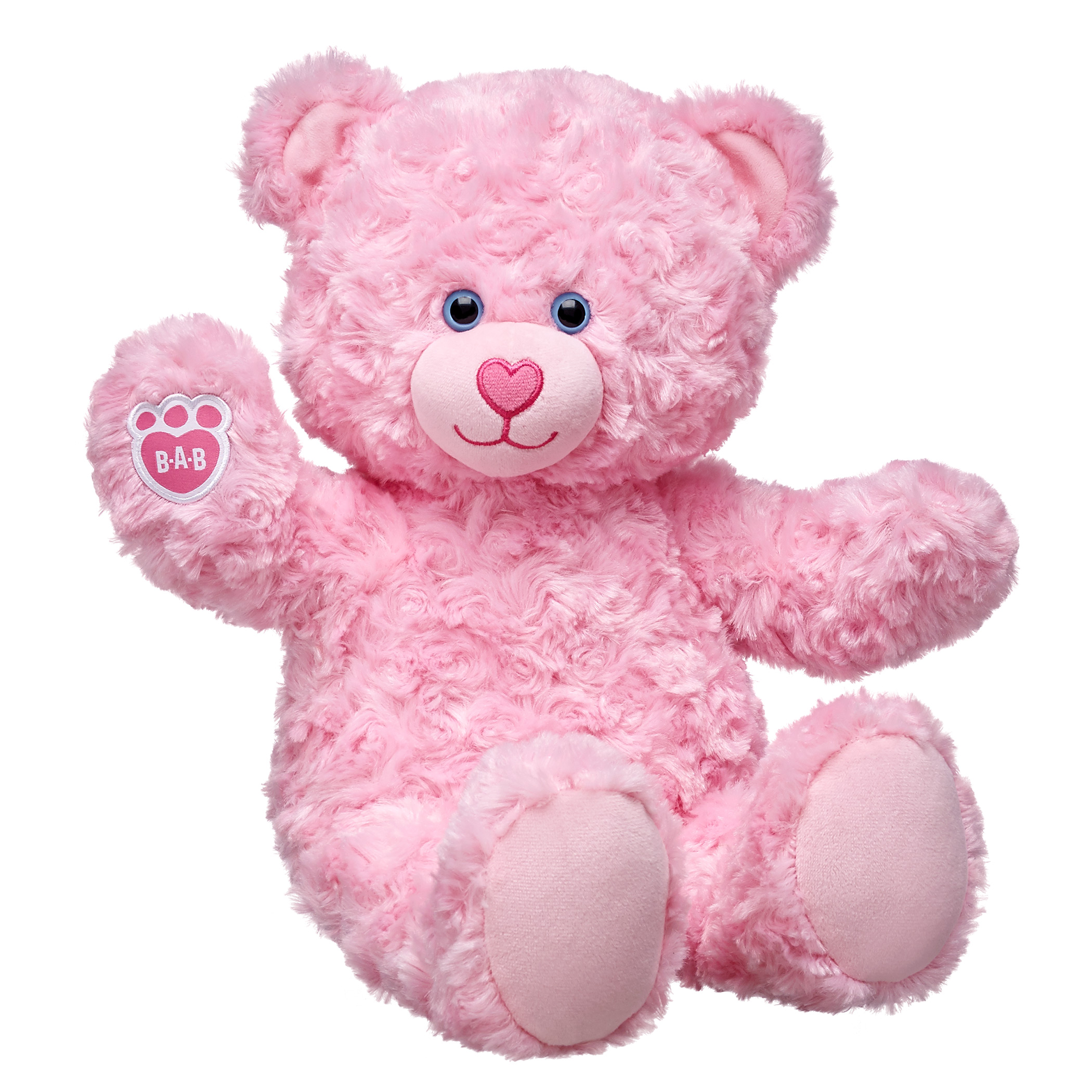
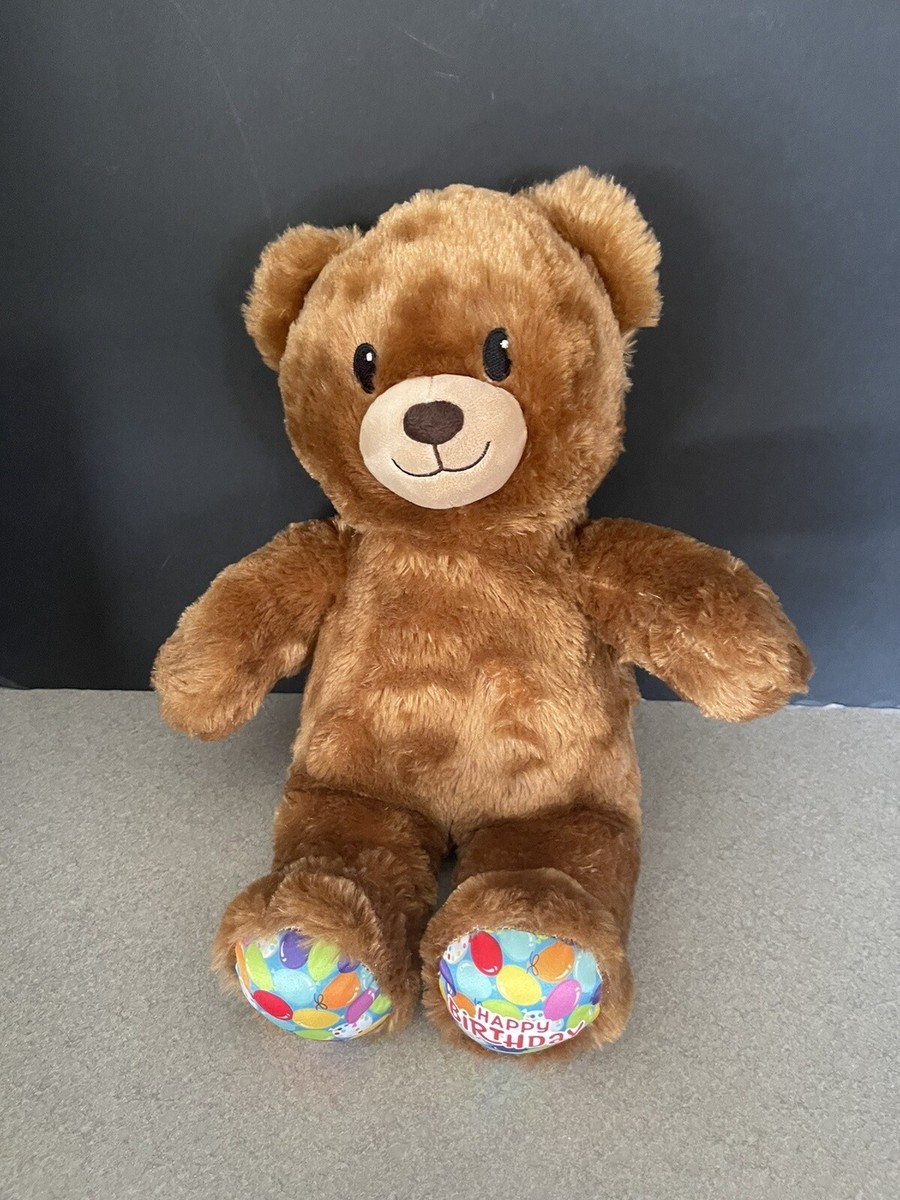
The most significant component of your Build-A-Bear cost is, unsurprisingly, the bear or animal itself. Prices for the bare, unstuffed animal typically range from $15 to $35, though special editions, licensed characters (like those from Disney, Marvel, or Pokémon), or larger-sized plush can go higher, sometimes reaching $50 or more. Standard animals like bears, bunnies, and cats tend to be on the lower end, while popular characters or limited releases command a premium. This initial price covers the unstuffed skin and the stuffing process, along with the heart ceremony, which is an integral part of the Build-A-Bear experience. It’s important to note that this base price does not include any clothing, accessories, or sounds.
Build-An-Outfit & Accessories
Once your furry friend is stuffed and given a heart, the next step in personalization often involves dressing them up. This is where costs can begin to climb rapidly. Outfits, which range from simple t-shirts and shorts to elaborate costumes and formal wear, typically cost between $10 and $30 per ensemble. Shoes, often sold separately, can add another $7 to $15. Beyond clothing, there’s a vast array of handheld accessories, headwear, and jewelry:
- Small Accessories: Think sunglasses, tiny backpacks, or bows, usually priced from $3 to $10.
- Themed Accessory Sets: These might include multiple coordinating items, ranging from $15 to $25.
The sheer variety here means careful selection is key to managing your spending. Each item, while seemingly small, contributes to the overall expenditure.
Sound Chips and Scents
Adding an auditory or olfactory dimension to your bear is another popular customization option. Sound chips, which can play pre-recorded phrases, songs, or even a personalized message you record, typically cost between $7 and $10. These are inserted into the bear during the stuffing process, adding an extra layer of interactive fun. Similarly, scent chips, which infuse your bear with fragrances like strawberry, cupcake, or cotton candy, are usually priced around $4 to $6. While relatively inexpensive on their own, these small additions can quickly add up if multiple are chosen. For example, a bear with a custom sound chip and a scent chip adds approximately $11–$16 to the total.
Other Customization Options
Beyond the main categories, Build-A-Bear sometimes offers other minor customization elements or special additions. These might include items like:
- Gift Boxes/Bags: While often a small fee, specialized packaging can add a few dollars to the total.
- Medallions or Charms: Small decorative items to signify a special occasion, usually in the $3 to $5 range.
- Embroidery: Some locations or online options may offer personalized embroidery for a name or date on the paw or clothing, which typically adds $5 to $10.
These seemingly small financial increments, when combined, demonstrate how a basic bear can quickly evolve into a more significant investment, making a comprehensive understanding of each potential cost crucial for consumers.
Beyond the Bear: Understanding the Experience Value and Hidden Costs
The monetary value of a Build-A-Bear extends beyond the sum of its physical components. A significant portion of its cost is tied to the immersive, interactive experience, while other factors like sales channels and loyalty programs can also subtly influence the final price.
The Experiential Premium
One of the primary drivers of Build-A-Bear’s pricing strategy is the unique in-store experience it offers. Unlike simply purchasing a plush toy off a shelf, Build-A-Bear involves a multi-step, engaging process: selecting the animal, participating in the stuffing, choosing and inserting a heart, giving it a “heartbeat” sound, making a wish, and finally dressing and naming the creation. This interactive, hands-on journey fosters an emotional connection with the product, transforming a transactional purchase into a memorable event. This “experiential premium” contributes to the higher price point compared to mass-produced plush toys. Customers are not just buying a bear; they are paying for the joy of creation, the personalized ceremony, and the lasting memory, which inherently carries a higher perceived value.
Online vs. In-Store Pricing
While the core product pricing is generally consistent, there can be subtle financial differences between purchasing in-store and online.
- In-Store: Offers the full, immersive experience, which is often considered part of the product’s value. There are no shipping costs, but sales tax will apply based on the location. Impulse purchases are more likely due to the visual appeal and interactive nature of product display.
- Online: Provides convenience and the ability to build a bear from home. Online-exclusive items or bundles might be available. However, online purchases incur shipping costs, which can range from $8 to $20 or more, depending on the speed and destination. While the base price of items might be similar, the addition of shipping can sometimes make the online purchase pricier unless a free shipping promotion is available. The “experience” of building online is also different, relying on digital customization rather than physical interaction.
Sales Tax and Local Variations
Sales tax is an often-overlooked “hidden cost” that can impact the final price. The specific percentage of sales tax varies significantly by state and even by local municipality in the United States, and similar taxes apply in other countries. For example, a $50 Build-A-Bear could cost an extra $3.50 in a 7% sales tax state, pushing the total to $53.50. While seemingly small, it’s an important factor to include in your financial calculations, especially when setting a firm budget. Furthermore, while Build-A-Bear generally maintains consistent pricing across its network, slight regional variations in pricing for specific items or promotions could occasionally occur, influenced by local market dynamics or operational costs.
Membership Programs & Discounts
Savvy shoppers can leverage Build-A-Bear’s loyalty programs and promotions to mitigate costs.
- Bonus Club Rewards: Build-A-Bear offers a free loyalty program (Bonus Club) where members earn points for every dollar spent. These points accumulate and can be redeemed for discounts on future purchases. For frequent buyers, this can translate into significant savings over time.
- Birthday Treat Bear: A popular offering allows Bonus Club members to purchase a special “Birthday Treat Bear” for the price of their age (e.g., a 5-year-old pays $5 for the bear, plus any accessories). This is a highly cost-effective way to get a core animal for a child’s birthday.
- Coupons and Promotions: Build-A-Bear frequently runs sales, discounts, and promotional offers, especially during holidays or seasonal events. These can include percentage-off deals, buy-one-get-one offers on accessories, or bundles. Monitoring their website, signing up for newsletters, or following their social media can alert consumers to these opportunities, which can substantially reduce the overall financial outlay.
Budgeting for Your Build-A-Bear Adventure: Financial Planning Tips
Understanding the varied costs of a Build-A-Bear is the first step; the next is effectively managing your finances to ensure a delightful experience without breaking the bank. Strategic budgeting can transform a potentially expensive outing into an affordable, joyful memory.
Setting a Realistic Budget
Before stepping into the store or browsing the online catalog, the most crucial financial tip is to establish a clear and realistic budget. Decide on an absolute maximum amount you are willing to spend. This might be $30 for a basic bear, $50 for a bear with one outfit, or $75 for a more elaborate creation. Communicate this budget, especially if you are with children, to manage expectations from the outset. Having a firm number in mind will help guide choices and prevent impulse overspending, ensuring that the experience remains positive and financially stress-free.
Prioritizing Add-Ons
With a multitude of clothing, accessories, sounds, and scents available, it’s easy for costs to escalate. A key budgeting strategy is to prioritize. If your budget is tight, focus on what truly matters. Is it the specific animal? The sentimental value of a sound chip? Or a favorite outfit?
- Core Bear First: Always start by factoring in the cost of the desired animal.
- One Key Accessory: If the budget allows for only one additional item, decide if it’s an outfit, a sound, or a pair of shoes.
- Bundle Deals: Look for pre-packaged bundles online that might offer better value for a complete outfit and bear.
By making conscious decisions about which add-ons are essential and which are merely desirable, you can stay within your financial limits without sacrificing the joy of personalization.
Gift-Giving Considerations
When purchasing a Build-A-Bear as a gift, there are several financial approaches to consider.
- Gift Cards: Build-A-Bear gift cards are an excellent option. They allow the recipient to experience the joy of customization firsthand while staying within the giver’s predefined budget. You can load a specific amount, ensuring the recipient has enough for a basic bear or a bear plus a few accessories. This avoids the awkwardness of cost discussions during the experience itself.
- Pre-Built Options: For a simpler gifting approach, especially for younger children, consider ordering a pre-built bear online. This often presents a complete package at a set price, removing the variability of in-store choices.
- Co-Gifting: For more expensive licensed characters or elaborate outfits, consider pooling resources with other gift-givers to share the cost, making a more significant gift more affordable for all parties.
Long-Term Value vs. Immediate Cost
While the immediate monetary outlay is important, it’s also worth considering the long-term value. A Build-A-Bear often becomes a cherished companion, a tangible memory of a special occasion, or a comforting presence for years.
- Durability and Sentiment: The quality of Build-A-Bear products generally ensures durability, meaning the initial investment can provide years of joy and companionship.
- Emotional Return: The emotional value derived from a personalized, unique toy that a child helped create can far outweigh its monetary cost. This “return on investment” isn’t financial but deeply personal and sentimental.
When budgeting, therefore, it can be helpful to frame the expense not just as a cost, but as an investment in a lasting memory or a beloved personal item, which often makes the expenditure feel more justified.
Build-A-Bear as a Case Study in Consumer Spending and Perceived Value
Build-A-Bear Workshop is more than just a toy store; it’s a fascinating example of how businesses leverage consumer psychology and strategic pricing to create a unique value proposition. Analyzing its model offers insights into modern retail and personal finance.
The Psychology of Impulse Buying
Build-A-Bear masterfully employs principles of consumer psychology to encourage additional purchases. The in-store environment is designed to be immersive and engaging, appealing directly to emotions, especially children’s desires. The sequential nature of the building process—selecting the animal, then the outfit, then the sound, then the scent—creates natural decision points where “just one more thing” seems like a small addition. Each step builds anticipation and emotional investment, making it harder for consumers to decline add-ons once they’ve committed to the core experience. This progressive commitment, coupled with the visual appeal of numerous accessories, fuels impulse buying, often leading customers to spend more than initially intended. For consumers, recognizing this psychological dynamic is crucial for sticking to a budget.
Marketing and Pricing Strategies
Build-A-Bear’s pricing strategy is a sophisticated blend designed to appeal to various market segments.
- Entry-Level Pricing: By offering a base bear for around $15-$20, they provide an accessible entry point, drawing in budget-conscious consumers or those simply looking for a basic plush toy.
- Tiered Pricing for Customization: The extensive range of add-ons, each with its own price point, allows for a highly flexible, tiered pricing structure. This caters to consumers willing to spend more for greater personalization, from a simple outfit to a fully customized, high-end character with all the bells and whistles.
- Value-Added Experience: The experiential aspect is a core part of their marketing, justifying higher price points compared to non-interactive toy retailers. They sell memories and engagement, not just products.
- Licensed Characters: Partnering with popular franchises allows them to command premium prices, leveraging the brand equity of characters like Pokémon or Star Wars to drive sales and perceived value among specific fan bases.
Comparing Build-A-Bear to Alternatives
From a purely financial perspective, a Build-A-Bear typically costs more than a standard, off-the-shelf plush toy.
- Mass-Produced Plush: A conventional teddy bear or character plush toy can range from $5 to $25 at a general retailer, offering good value for a soft toy.
- Customization Premium: The premium paid at Build-A-Bear reflects the customization, the interactive experience, and often higher quality materials. It’s akin to comparing a custom-made suit to an off-the-rack one; both serve the same function, but the former offers personalization and an enhanced experience at a higher cost.
For consumers, the choice comes down to weighing the financial cost against the value of personalization, emotional connection, and the unique retail experience. If the primary goal is simply an inexpensive plush toy, alternatives exist. If the goal is a unique, emotionally significant item created through an engaging process, Build-A-Bear justifies its cost.
In conclusion, understanding “how much is a Build-A-Bear” involves more than just a single price tag. It’s about comprehending a dynamic pricing model that factors in the base animal, a vast array of customization options, an unparalleled interactive experience, and strategic marketing. While the final cost can vary widely, a conscious approach to budgeting, prioritization of choices, and an awareness of the value proposition ensures that your Build-A-Bear adventure remains a financially manageable and joyous one. By making informed financial decisions, you can create a cherished companion without any unexpected monetary surprises.
aViewFromTheCave is a participant in the Amazon Services LLC Associates Program, an affiliate advertising program designed to provide a means for sites to earn advertising fees by advertising and linking to Amazon.com. Amazon, the Amazon logo, AmazonSupply, and the AmazonSupply logo are trademarks of Amazon.com, Inc. or its affiliates. As an Amazon Associate we earn affiliate commissions from qualifying purchases.