
The quest to identify the “best” investment firm is a common starting point for many individuals and businesses seeking to grow their wealth. However, much like asking “what is the best car?”, the answer is rarely universal. Instead, it’s deeply personal, shaped by individual financial goals, risk tolerance, investment knowledge, desired level of involvement, and the complexity of one’s financial situation. The landscape of investment firms is vast and varied, ranging from traditional brick-and-mortar institutions to cutting-edge digital platforms, each offering distinct advantages and catering to different client needs. This article aims to demystify the process, guiding you through the critical considerations necessary to pinpoint the investment firm that is truly “best” for you.
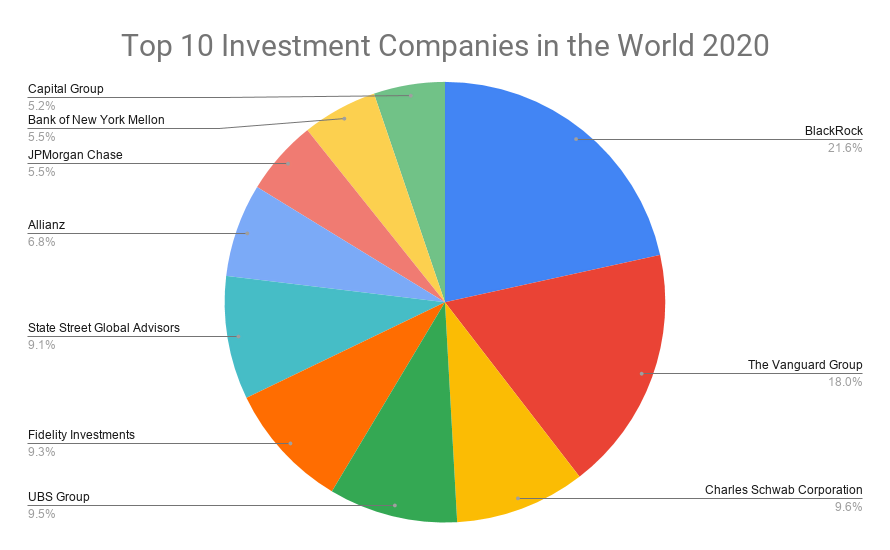
Defining “Best”: A Personalized Approach to Investment Firms
Before embarking on the search, it’s crucial to understand that “best” isn’t an objective, industry-wide accolade. Rather, it’s a subjective assessment based on how well a firm aligns with your unique financial journey. A firm that excels for a high-net-worth individual with complex estate planning needs might be entirely unsuitable for a young investor just starting to save for retirement.
Understanding Your Investment Goals and Risk Tolerance
The foundation of choosing an investment firm lies in a clear articulation of your personal financial objectives. Are you saving for retirement, a down payment on a house, your children’s education, or simply seeking to grow capital over the long term? Each goal comes with a different timeline and, often, a different level of acceptable risk. A short-term goal might necessitate conservative investments, while long-term goals can often accommodate greater market volatility in pursuit of higher returns. Your risk tolerance – your emotional and financial capacity to withstand market fluctuations – is equally vital. A firm that pushes you into investments far beyond your comfort zone, or conversely, too conservatively for your goals, is not the right fit.
The Spectrum of Investor Needs
Investors fall along a spectrum. At one end, you have the hands-on DIY investor who thrives on research, direct trading, and managing their own portfolio. At the other, there’s the investor who prefers to delegate all investment decisions to a trusted professional, seeking comprehensive financial planning, tax advice, and estate management alongside portfolio management. Many fall somewhere in between, perhaps using a robo-advisor for core investments but consulting an advisor for specific life events. Identifying where you sit on this spectrum will significantly narrow down your options, as different firms are structured to serve these distinct levels of engagement and need.
Navigating the Landscape of Investment Firms
The investment industry offers a diverse array of firms, each with a unique business model, service offering, and fee structure. Understanding these categories is the first step in identifying potential candidates.
Traditional Brokerage Houses: Full-Service vs. Discount
Full-service brokerage houses like Merrill Lynch or Morgan Stanley offer a comprehensive suite of services, including personalized financial planning, wealth management, tax advice, estate planning, and access to a dedicated financial advisor. They often cater to high-net-worth individuals and those seeking an all-encompassing financial partnership. While they provide invaluable guidance and expertise, their services come at a higher cost, typically through commissions, asset-under-management (AUM) fees, or a combination.
Discount brokerage firms such as Charles Schwab, Fidelity, or Vanguard, on the other hand, prioritize low costs and accessibility. They provide platforms for investors to execute trades independently, offering a wide range of investment products like stocks, bonds, mutual funds, and ETFs, often with commission-free trading options. While some offer basic advisory services or robo-advisor options, their primary appeal is to self-directed investors comfortable making their own decisions.
Robo-Advisors: Automation Meets Affordability
Robo-advisors like Betterment or Wealthfront leverage algorithms and technology to provide automated, low-cost investment management. After answering a series of questions about your financial goals and risk tolerance, they construct and manage a diversified portfolio, typically composed of exchange-traded funds (ETFs). They rebalance portfolios automatically and offer features like tax-loss harvesting. Robo-advisors are an excellent choice for new investors, those with smaller portfolios, or individuals seeking a hands-off, cost-effective solution for long-term growth.
Independent Financial Advisors: Fee-Only vs. Commission-Based
Independent financial advisors (IFAs) can be invaluable resources, offering tailored advice without being tied to specific proprietary products. However, it’s crucial to distinguish between their compensation models. Fee-only advisors charge a transparent fee for their services, typically an hourly rate, a flat fee, or a percentage of assets under management. This model is generally preferred because it minimizes conflicts of interest; their recommendations are solely in your best financial interest, as they don’t earn commissions on the products they recommend.
Commission-based advisors, conversely, earn a living through commissions on the sale of investment products. While not inherently bad, this model can create a potential conflict of interest, where an advisor might be incentivized to recommend products that pay them a higher commission, rather than what is objectively best for the client.
Boutique Firms and Specialized Services
Beyond the major players, there are numerous boutique investment firms that specialize in niche areas. These might include firms focused on socially responsible investing (SRI), impact investing, specific asset classes (e.g., real estate, private equity), or serving particular client segments (e.g., medical professionals, entrepreneurs). These firms can offer highly tailored strategies and deep expertise in their chosen domain but may have higher minimum investment requirements or more specialized fee structures.
Key Criteria for Evaluating Investment Firms
Once you understand the types of firms available and your own needs, you can begin to evaluate specific candidates using a defined set of criteria.
Fee Structures: Transparency is Paramount
Investment fees, even seemingly small percentages, can significantly erode your returns over time. It’s imperative to understand all fees involved: management fees (AUM percentage), trading commissions, transaction fees, administrative fees, and expense ratios of underlying funds. A firm that is upfront and transparent about its fee structure is a good sign. Be wary of hidden fees or vague explanations. For full-service firms, ensure you understand how your advisor is compensated (fee-only, commission, or fee-based).
Range of Services and Product Offerings

Does the firm offer the specific investment products you’re interested in? If you want to invest in individual stocks, ensure they provide that access. If you prefer ETFs or mutual funds, confirm their selection is broad and offers low-cost options. Beyond just investment products, consider the breadth of services. Do they offer comprehensive financial planning, retirement planning tools, tax guidance, estate planning, or even banking services? The “best” firm will have the offerings that match your present and potential future needs.
Advisor Expertise and Credentials
If you’re working with an advisor, their credentials and experience are paramount. Look for certifications like Certified Financial Planner (CFP®), Chartered Financial Analyst (CFA®), or Certified Public Accountant (CPA) if tax planning is a priority. These designations indicate a high level of expertise, ethical standards, and ongoing education. Don’t hesitate to ask about their experience, their typical client profile, and their investment philosophy. A good advisor will be able to clearly articulate their approach and how it aligns with your goals.
Technology and Client Experience
In today’s digital age, the quality of a firm’s technology platform can significantly impact your client experience. Does the firm offer an intuitive online portal or mobile app for account access, performance tracking, and communication? Is it easy to fund your account, review statements, and get support? Strong customer service, whether through online chat, phone, or in-person meetings, is also vital. Responsive and knowledgeable support can make a substantial difference, especially when you have questions or need assistance.
Fiduciary Duty and Regulatory Compliance
Perhaps the most critical consideration for any investment firm or advisor is their commitment to acting in your best interest. A fiduciary duty means they are legally obligated to put your interests ahead of their own. While all registered investment advisors (RIAs) are fiduciaries, not all brokers or financial professionals operate under this standard. Always ask if an advisor operates under a fiduciary standard at all times. Additionally, ensure the firm and its advisors are properly registered with regulatory bodies like the Securities and Exchange Commission (SEC) or relevant state authorities. You can check an advisor’s background and any disciplinary actions through resources like FINRA’s BrokerCheck.
The Due Diligence Process: Finding Your Ideal Match
Finding the best investment firm isn’t a one-step process; it requires careful due diligence.
Initial Research and Shortlisting
Start by researching firms that align with your initial assessment of needs (e.g., robo-advisor for hands-off, low-cost; full-service for comprehensive planning). Read reviews, check industry rankings, and explore their websites. Create a shortlist of 3-5 firms that appear to be a good fit.
Interviewing Prospective Firms
Treat this as a job interview – for them! Prepare a list of questions covering fees, services, advisor credentials, investment philosophy, technology, and their fiduciary status. Pay attention not just to their answers, but also to how they communicate. Do they listen more than they talk? Do they explain complex concepts clearly? Do you feel a sense of trust and rapport?
Reviewing Performance and Client Testimonials
While past performance is not indicative of future results, understanding a firm’s historical approach and performance against relevant benchmarks can be insightful. Be wary of any firm that guarantees specific returns. Look for client testimonials or independent reviews, but take them with a grain of salt, as experiences can vary. Focus on overall satisfaction and comments about service quality.
Understanding the Client Agreement
Before committing, thoroughly read and understand the client agreement and any disclosures. Pay close attention to the fine print regarding fees, services, responsibilities, and how disputes are handled. Don’t hesitate to ask for clarification on any point you don’t understand.
Beyond the Firm: Your Role in Investment Success
Even with the “best” investment firm, your active participation and oversight remain crucial for long-term financial success.
Continuous Communication and Review
Your financial situation and goals are likely to evolve over time. Maintain open lines of communication with your advisor or review your robo-advisor’s settings regularly. Schedule periodic reviews to assess portfolio performance, adjust strategies as needed, and ensure your investments remain aligned with your objectives.
Staying Informed About Your Investments
While you may delegate management, staying generally informed about market conditions, economic trends, and the performance of your investments empowers you. Understanding the “why” behind your portfolio’s construction and changes helps build confidence and reduces anxiety during market fluctuations.

Adapting to Life Changes
Major life events – marriage, having children, career changes, buying a home, or nearing retirement – will inevitably impact your financial strategy. The best investment firm will be one that adapts with you, helping to recalibrate your portfolio and financial plan to accommodate these significant milestones.
In conclusion, there isn’t a single “best” investment firm for everyone. The optimal choice is highly individualized, requiring a thoughtful assessment of your own financial circumstances, a thorough exploration of the various types of firms available, and a diligent evaluation based on key criteria like fees, services, expertise, and fiduciary commitment. By asking the right questions and doing your homework, you can confidently select the investment firm that is best positioned to help you achieve your financial aspirations.
aViewFromTheCave is a participant in the Amazon Services LLC Associates Program, an affiliate advertising program designed to provide a means for sites to earn advertising fees by advertising and linking to Amazon.com. Amazon, the Amazon logo, AmazonSupply, and the AmazonSupply logo are trademarks of Amazon.com, Inc. or its affiliates. As an Amazon Associate we earn affiliate commissions from qualifying purchases.