
For millions of investors, traders, and financial professionals worldwide, the New York Stock Exchange (NYSE) closing bell is more than just a sound; it’s the culmination of a day’s worth of market activity, a moment of reckoning for portfolios, and a signal to pause and strategize. While the immediate answer to “what time did the New York Stock Exchange close today?” is often straightforward, the implications of this daily event, and the occasional deviations from it, are profound. Understanding NYSE closing times, along with pre-market, after-hours, and special schedules, is fundamental to navigating the complex world of investing. It impacts everything from order execution and liquidity to risk management and the global flow of capital.
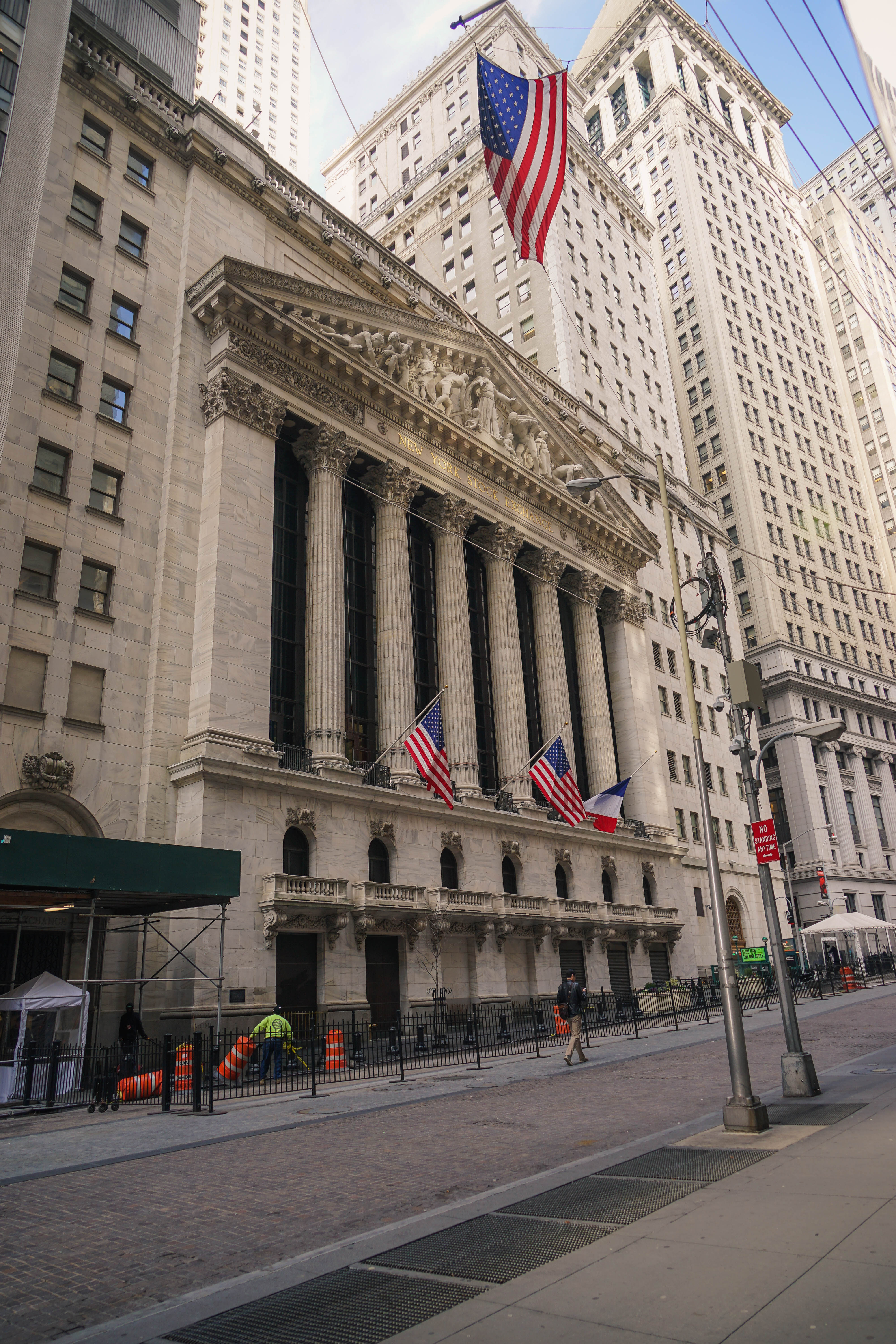
This article delves into the standard closing procedures of the NYSE, explores the various exceptions and extended trading opportunities, and examines why these precise timings are so critical for financial decision-making. We will also cast a wider net to compare NYSE hours with global markets and consider the ongoing debate about the future of market operating times in an increasingly interconnected and technology-driven world. For anyone serious about managing their finances or participating in the stock market, comprehending the rhythms of Wall Street is not just a detail – it’s a strategic imperative.
Understanding the Rhythms of Wall Street: The Standard NYSE Closing Time
The New York Stock Exchange operates on a highly structured schedule, a tradition that underpins the stability and predictability of the world’s largest equity market. The standard trading hours are well-established, providing a consistent framework for market participants.
The Conventional Closing Bell: A Daily Ritual
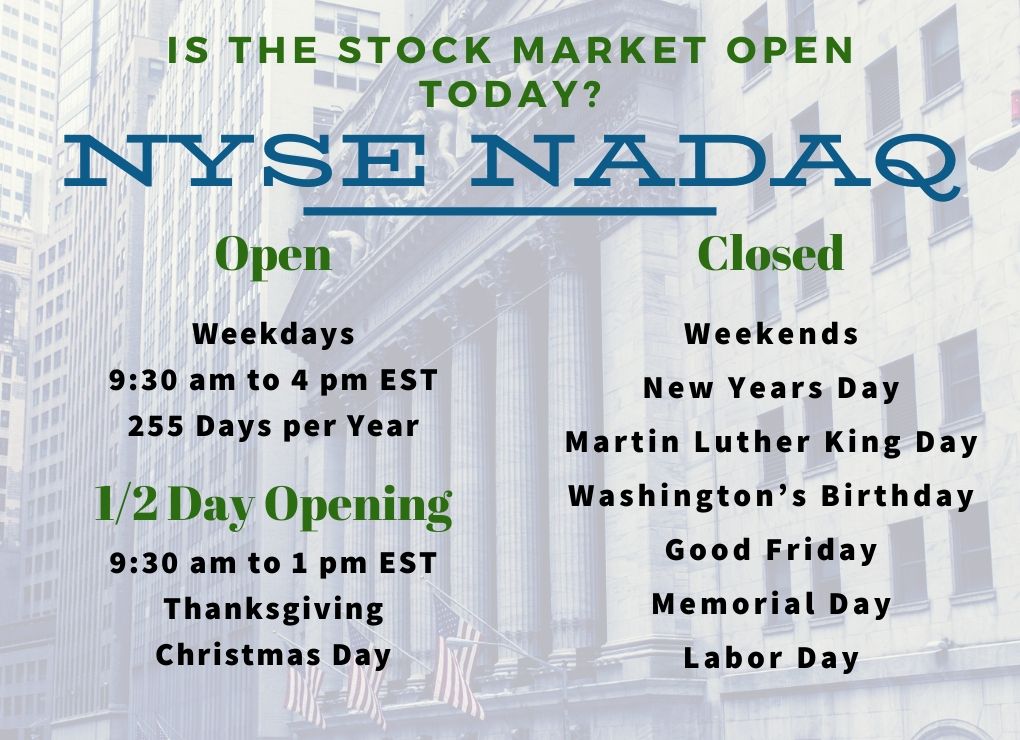
On a typical trading day, the New York Stock Exchange officially closes at 4:00 PM Eastern Time (ET). This is heralded by the iconic closing bell ceremony, a tradition that dates back decades and symbolizes the end of regular trading for the day. From the moment the bell rings, no new orders can be executed during regular market hours, and all outstanding orders placed during the day are either filled, partially filled, or canceled, depending on their specifications. This 4:00 PM ET close applies to all listed stocks and exchange-traded funds (ETFs) on the NYSE, marking the cessation of continuous price discovery on the primary exchange floor and electronic systems.
The consistency of this closing time provides a crucial anchor for financial professionals. Portfolio managers can finalize valuations, risk managers can assess end-of-day exposures, and individual investors can review their positions without the constant fluctuation of live prices. It allows for a period of reflection and preparation before the next day’s opening.
Why Fixed Hours Matter: Order and Efficiency
The adherence to fixed trading hours, culminating in a precise closing time, is not an arbitrary choice; it serves several critical functions that enhance market order, efficiency, and fairness.
Firstly, fixed hours concentrate liquidity. By confining trading activity to specific windows, buyers and sellers are more likely to find each other, leading to tighter spreads and more efficient price discovery. If markets were open 24/7 without significant global coordination, liquidity could become fragmented, making it harder to execute large orders without significant price impact.
Secondly, regular hours provide a necessary break for market participants. Traders, analysts, and back-office operations need time to process trades, reconcile accounts, perform risk calculations, and prepare for the next session. This “downtime” is essential for maintaining operational integrity and preventing burnout in a high-pressure environment. It also allows for the dissemination of corporate news and economic data outside of live trading, giving all participants an equal opportunity to digest information before the market reopens.
Finally, fixed hours contribute to market integrity by simplifying oversight. Regulators can more effectively monitor trading activity, detect unusual patterns, and enforce rules when transactions occur within defined periods. This structured environment fosters trust and confidence among investors, knowing that the market operates under clear and consistent guidelines.
Beyond the Bell: Navigating Exceptions and Extended Trading
While the 4:00 PM ET close is the norm, the financial markets are dynamic, and there are several scenarios where the NYSE’s schedule deviates or extends, offering additional trading opportunities for savvy investors.
Holiday Schedules and Early Closures
The NYSE observes a number of U.S. federal holidays, during which the market remains entirely closed. These typically include New Year’s Day, Martin Luther King, Jr. Day, Presidents’ Day, Good Friday, Memorial Day, Juneteenth National Independence Day, Independence Day, Labor Day, Thanksgiving Day, and Christmas Day. Investors must consult the official NYSE holiday schedule each year, as the exact dates for some holidays vary, and occasionally, a holiday falling on a weekend may result in the market being closed on an adjacent weekday.
In addition to full closures, the NYSE also operates on an abbreviated schedule for certain holidays, often closing early at 1:00 PM ET. These typically include the day before Independence Day (if it falls on a weekday), the day after Thanksgiving (Black Friday), and Christmas Eve. These early closures are designed to allow market participants to observe holidays while still providing a limited trading window. Understanding these special schedules is crucial for planning trades, setting limit orders, and managing portfolio exposure around holiday periods. Failing to account for these changes can lead to missed opportunities or unexpected market behavior when regular trading resumes.
Circuit Breakers: Unscheduled Halts
Beyond planned adjustments, the NYSE has mechanisms for unscheduled halts in trading designed to curb excessive volatility and prevent panic selling. These are known as circuit breakers. The Securities and Exchange Commission (SEC) rules establish three levels of market-wide circuit breakers, tied to percentage declines in the S&P 500 Index:
- Level 1 (7% decline): Triggers a 15-minute halt if reached before 3:25 PM ET.
- Level 2 (13% decline): Triggers a 15-minute halt if reached before 3:25 PM ET.
- Level 3 (20% decline): Triggers a halt for the remainder of the trading day, regardless of the time.
If a Level 1 or 2 decline occurs at or after 3:25 PM ET, no trading halt is imposed, but a Level 3 decline would still halt trading for the rest of the day. These circuit breakers are rarely activated but serve as a critical safety net during extreme market turmoil, such as those witnessed during the COVID-19 pandemic in March 2020. They temporarily alter the effective closing time, bringing trading to an abrupt end to allow investors to reassess and cool down.
After-Hours and Pre-Market Trading: Expanding the Window
While the closing bell marks the end of regular trading, the market doesn’t entirely go dark. Extended-hours trading, comprising pre-market and after-hours sessions, allows investors to trade outside the standard 9:30 AM to 4:00 PM ET window.
- Pre-Market Trading: Typically runs from 4:00 AM ET to 9:30 AM ET.
- After-Hours Trading: Typically runs from 4:00 PM ET to 8:00 PM ET.
These sessions occur on electronic communication networks (ECNs) rather than the main NYSE floor. They are often utilized by institutional investors reacting to earnings reports, news announcements, or global market movements that occur outside regular hours. For individual investors, participating in extended-hours trading comes with increased risks, primarily lower liquidity and wider bid-ask spreads, which can lead to greater price volatility and potentially unfavorable execution prices. However, they also offer the flexibility to react quickly to breaking news without waiting for the next regular session.
The Strategic Investor: Why Market Hours Dictate Decision-Making
For investors, understanding market hours is not just about knowing when to place an order; it’s a fundamental aspect of strategic planning, risk management, and capitalizing on market movements.
Order Execution and Liquidity Considerations
The standard 9:30 AM to 4:00 PM ET window is characterized by the highest liquidity and tightest bid-ask spreads. This means that during these hours, orders are more likely to be filled quickly at prices very close to the quoted market price. As the market approaches the closing bell, there can often be a surge in trading activity, sometimes referred to as the “closing auction,” as institutions and arbitrageurs look to rebalance portfolios or execute large orders based on end-of-day prices. This can lead to increased volatility and trading volume in the final minutes.
In contrast, pre-market and after-hours sessions generally have significantly lower liquidity. With fewer buyers and sellers, it can be harder to find a counterparty for a trade, leading to wider bid-ask spreads and potentially larger price swings on smaller volumes. For an individual investor, this means that an order placed in after-hours trading might be filled at a price significantly different from the last regular-hours trade, or it might not be filled at all. Understanding these liquidity dynamics is critical for choosing the right time to enter or exit positions.
Impact on News Reactions and Volatility
Major corporate news, such as earnings reports, mergers and acquisitions, or FDA approvals, is frequently released either before the market opens or after it closes. This strategic timing allows companies to disseminate information outside of the immediate frenzy of live trading, giving investors time to digest and react. However, this also means that much of the initial price reaction to such news often plays out in the extended-hours sessions.
A company announcing stellar earnings after the 4:00 PM ET close might see its stock price surge in after-hours trading. Conversely, negative news can trigger sharp declines. For investors, this creates a dilemma: wait until regular hours for better liquidity but potentially miss out on initial price movements, or trade in extended hours and face higher risks. The closing time thus delineates a critical period during which market-moving information is often processed and initial reactions formed, dictating the narrative for the following trading day.
Risk Management in Extended Hours
Trading outside of regular market hours inherently carries higher risks. The lower liquidity means that prices can be more easily manipulated, and a small number of large orders can cause significant price dislocations. This increased volatility, combined with wider spreads, translates to greater potential for losses, especially for those who are not monitoring their positions closely.
Additionally, not all brokers offer extended-hours trading, and those that do may have different rules or limitations. Investors engaging in pre-market or after-hours trading must be acutely aware of these risks and employ robust risk management strategies, such as using limit orders instead of market orders to control execution prices. They must also recognize that news released during these periods can have a disproportionate impact, making swift and informed decision-making paramount. The NYSE’s 4:00 PM ET close acts as a psychological and practical demarcation point, reminding investors that the landscape of risk shifts significantly beyond this time.
A Global Perspective: NYSE in the Context of 24/7 Markets
While the NYSE operates on a fixed schedule, it is part of an interconnected global financial system that, collectively, never truly sleeps. Understanding the NYSE’s hours in this broader context reveals the intricate dance of international capital flows.
Comparing Global Exchange Hours
Major stock exchanges around the world each have their own operating hours, reflecting local business cultures, time zones, and regulatory frameworks. For instance:
- London Stock Exchange (LSE): 8:00 AM to 4:30 PM GMT (Greenwich Mean Time)
- Tokyo Stock Exchange (TSE): 9:00 AM to 3:00 PM JST (Japan Standard Time), with a lunch break
- Shanghai Stock Exchange (SSE): 9:30 AM to 3:00 PM CST (China Standard Time), with a lunch break
- Euronext (Paris, Amsterdam, Brussels, Lisbon): 9:00 AM to 5:30 PM CET (Central European Time)
As one market closes, another is often opening or already in full swing. When the NYSE closes at 4:00 PM ET (which is 9:00 PM GMT), European markets have already been closed for hours, but Asian markets are preparing to open or are in their overnight sessions. This sequential opening and closing of major exchanges create a continuous flow of trading activity around the globe, impacting asset prices and market sentiment.
The Interconnectedness of World Markets
The closing bell of the NYSE might signal the end of trading in New York, but its influence reverberates across the globe. News, economic data, and major corporate announcements released during NYSE hours can immediately affect the sentiment and trading patterns in Asian markets once they open. Similarly, events unfolding in Europe or Asia during the NYSE’s off-hours will often set the tone for the next day’s opening on Wall Street.
For example, a significant downturn in European markets overnight could lead to a lower open for the NYSE the following morning. Conversely, strong earnings from a major tech company after the NYSE closes might see its American Depositary Receipts (ADRs) trade actively in Asian or European markets, indicating how the primary market’s closure doesn’t halt global price discovery entirely. This interconnectedness means that investors with global portfolios must constantly monitor market developments beyond their local exchange’s operating hours, recognizing that the “closing time” is a regional, not a universal, concept in today’s digital age.
The Future of Trading Hours: Debating the 24/7 Market
The concept of fixed trading hours, exemplified by the NYSE’s 4:00 PM ET close, is increasingly being challenged by technological advancements and the rise of a truly globalized financial system. The debate over whether stock exchanges should operate 24/7 is gaining traction.
Arguments for Continuous Trading
Proponents of a 24/7 market argue that continuous trading would better serve the needs of a globalized economy. They contend that:
- Enhanced Global Access: Investors from different time zones could trade more conveniently without being bound by the NYSE’s ET schedule.
- Reduced Gaps and Volatility: Market-moving news could be immediately priced in, potentially reducing the dramatic “gap” openings or closings that occur when news breaks overnight. This could lead to more efficient price discovery and potentially smoother transitions.
- Increased Liquidity: A wider trading window could attract more participants, potentially increasing overall market liquidity, although this benefit is debated for individual stocks.
- Technological Feasibility: With modern electronic trading systems, the technical infrastructure for 24/7 operation largely exists, making it an achievable goal.
- Competition: Some argue that traditional exchanges risk losing volume to decentralized finance (DeFi) platforms or other always-on trading venues if they don’t adapt.
The success of 24/7 trading in other asset classes, such as foreign exchange (forex) and cryptocurrencies, often serves as a model for this vision.
Challenges and Concerns of an “Always Open” Market
Despite the potential benefits, a move to 24/7 equity trading presents significant challenges and raises substantial concerns:
- Human Factor and Burnout: The current fixed hours allow for essential downtime for traders, analysts, and support staff. Continuous operation could lead to severe burnout, increased errors, and a decline in mental well-being across the industry.
- Liquidity Fragmentation: While total market liquidity might increase, liquidity for individual stocks could become fragmented across time zones, potentially leading to wider spreads and less efficient pricing during off-peak hours.
- Regulatory Oversight: Monitoring and regulating a market that never closes would be immensely challenging, potentially increasing the risk of manipulation and fraud.
- Operational Complexity: Settlement and clearing processes, which currently rely on end-of-day reconciliation, would need a complete overhaul to support continuous trading, introducing significant operational risks.
- Information Overload: Investors would face a constant stream of information and price movements, making it harder to process data and make informed decisions without constant monitoring.
These concerns highlight that the shift to 24/7 trading is not merely a technical one but involves fundamental changes to market structure, human capacity, and regulatory frameworks.
Technological Enablers: Bridging the Gap
While a full 24/7 NYSE may not be imminent, technology is already bridging the gap. Electronic communication networks (ECNs) facilitate extended-hours trading, and advancements in artificial intelligence and algorithmic trading allow for automated execution strategies even when human traders are offline. The growth of fractional share trading and commission-free platforms has also democratized access to markets, empowering more individuals to trade, often in conjunction with these extended hours.
The New York Stock Exchange’s 4:00 PM ET closing bell remains a cornerstone of the financial world, a fixed point in a constantly moving global market. While the question “what time did the New York Stock Exchange close today?” typically yields a precise answer, the context surrounding that answer – from extended trading to global market dynamics and future possibilities – is complex and ever-evolving. For the strategic investor, understanding these nuances is not just about knowing the time, but about mastering the rhythm of capital itself.
aViewFromTheCave is a participant in the Amazon Services LLC Associates Program, an affiliate advertising program designed to provide a means for sites to earn advertising fees by advertising and linking to Amazon.com. Amazon, the Amazon logo, AmazonSupply, and the AmazonSupply logo are trademarks of Amazon.com, Inc. or its affiliates. As an Amazon Associate we earn affiliate commissions from qualifying purchases.