
The human colon, a vital component of our digestive system, is a complex and dynamic organ responsible for absorbing water and electrolytes, and forming and eliminating waste. While often overlooked until problems arise, its smooth functioning is crucial for overall health. One such potential issue that can disrupt this delicate balance is the formation of strictures. But what exactly are colon strictures, how do they develop, and what are the implications for our well-being?
This article delves into the world of colon strictures, exploring their nature, causes, symptoms, diagnostic approaches, and treatment options. Understanding these conditions is essential for proactive health management and can empower individuals to recognize potential warning signs and seek appropriate medical attention.
Understanding the Anatomy and Function of the Colon
Before diving into strictures, a brief understanding of the colon’s anatomy and its everyday work is beneficial. The colon, also known as the large intestine, is the final section of the digestive tract. It’s a muscular tube that extends from the cecum to the rectum, typically measuring about 1.5 meters (5 feet) in length. Its primary roles include:
- Water Absorption: As partially digested food material moves through the small intestine and enters the colon, it’s still in a liquid state. The colon’s main job is to absorb water and electrolytes from this material, transforming it into semi-solid stool.
- Electrolyte Balance: The colon also plays a role in maintaining the body’s electrolyte balance, absorbing essential minerals like sodium and potassium.
- Waste Formation and Storage: It processes the remaining indigestible material and bacteria into feces. These feces are then stored in the rectum before being eliminated from the body through defecation.
- Gut Microbiome Maintenance: The colon houses a vast and diverse community of microorganisms, collectively known as the gut microbiome. This microbiome is critical for digestion, nutrient absorption, immune system development, and even influencing mood and cognitive function.
The colon’s inner lining, the mucosa, is lined with specialized cells that facilitate absorption and mucus production, which lubricates the passage of stool. The muscular walls of the colon contract rhythmically to propel the contents forward, a process called peristalsis. Any disruption to this intricate structure or its normal function can lead to various health issues, including the development of strictures.
What Exactly Are Colon Strictures?
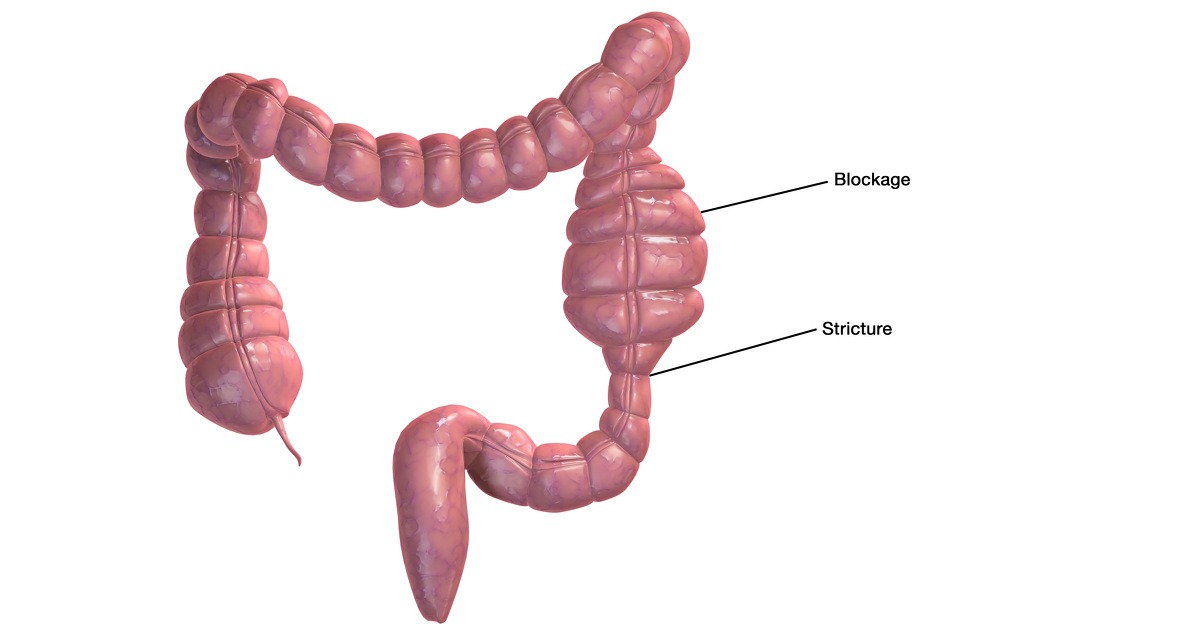
A colon stricture, also known as a colonic stenosis, is a narrowing or tightening of the colon. Imagine a hose that has been kinked or partially blocked; this is analogous to a stricture in the colon. This narrowing can occur in any part of the colon, from the cecum to the sigmoid colon, and can vary in severity from a mild restriction to a complete blockage.
The narrowing is typically caused by scar tissue formation, which can lead to a loss of elasticity and the thickening of the colon wall. This thickening can reduce the lumen (the internal space) of the colon, impeding the passage of stool and other intestinal contents. In severe cases, a stricture can lead to a bowel obstruction, a serious medical emergency.
Strictures can be either benign (non-cancerous) or malignant (cancerous). While this article focuses on benign strictures, it’s crucial to remember that colon cancer can also cause narrowing of the colon. Therefore, any identified stricture requires thorough investigation to rule out malignancy.
The effects of a colon stricture depend on its location, size, and degree of narrowing. A small, asymptomatic stricture might go unnoticed, while a larger or more significantly narrowed stricture can cause a range of uncomfortable and even dangerous symptoms.
Causes and Risk Factors for Developing Colon Strictures
The formation of colon strictures is not a random event; it’s usually the result of underlying medical conditions or events that inflame, injure, or damage the colon’s lining. Understanding these causes is key to prevention and early detection.
1. Inflammatory Bowel Diseases (IBD)
The most common culprits behind benign colon strictures are chronic inflammatory conditions affecting the digestive tract, particularly Crohn’s disease and ulcerative colitis.
- Crohn’s Disease: This autoimmune disease can affect any part of the gastrointestinal tract, from the mouth to the anus, but it commonly affects the end of the small intestine and the colon. Chronic inflammation in Crohn’s disease can lead to the formation of scar tissue and fibrosis, which can constrict the colon. Deep ulcers that heal can also contribute to stricture formation.
- Ulcerative Colitis: This condition primarily affects the colon and rectum, causing continuous inflammation and ulceration of the innermost lining. While less prone to strictures than Crohn’s disease, long-standing and severe ulcerative colitis can also lead to fibrous scarring and narrowing.
2. Diverticular Disease
Diverticulosis is a common condition where small pouches, called diverticula, bulge outward through weak spots in the colon wall. While most people with diverticulosis have no symptoms, diverticulitis, the inflammation or infection of these pouches, can be problematic. Repeated episodes of diverticulitis, especially in the sigmoid colon, can lead to chronic inflammation and the development of fibrous tissue, ultimately causing a stricture.
3. Radiation Therapy
Patients who have undergone radiation therapy to the pelvic region for conditions like gynecological cancers or prostate cancer are at risk of developing radiation-induced strictures in the colon. The radiation can damage the colon’s lining and blood supply, leading to inflammation, fibrosis, and narrowing over time, even years after treatment.
4. Post-Surgical Complications
Surgery in the colon area, particularly colectomies (removal of part of the colon) or repairs of perforations, can sometimes lead to stricture formation at the surgical site or anastomosis (where two ends of the colon are rejoined). Scar tissue formation is a natural part of healing, but in some cases, it can become excessive and lead to narrowing.
5. Ischemic Colitis
This condition occurs when blood flow to a part of the colon is reduced or blocked, leading to inflammation and damage to the colon tissue. While often temporary, severe or prolonged ischemia can result in scar tissue formation and subsequent stricture. This can occur due to factors like atherosclerosis, blood clots, or low blood pressure.
6. Infections
Certain severe or chronic infections of the colon, such as those caused by Clostridium difficile (C. diff) or specific types of bacterial infections, can trigger significant inflammation and, in rare cases, lead to stricture formation as the colon heals.
7. Polyps and Tumors
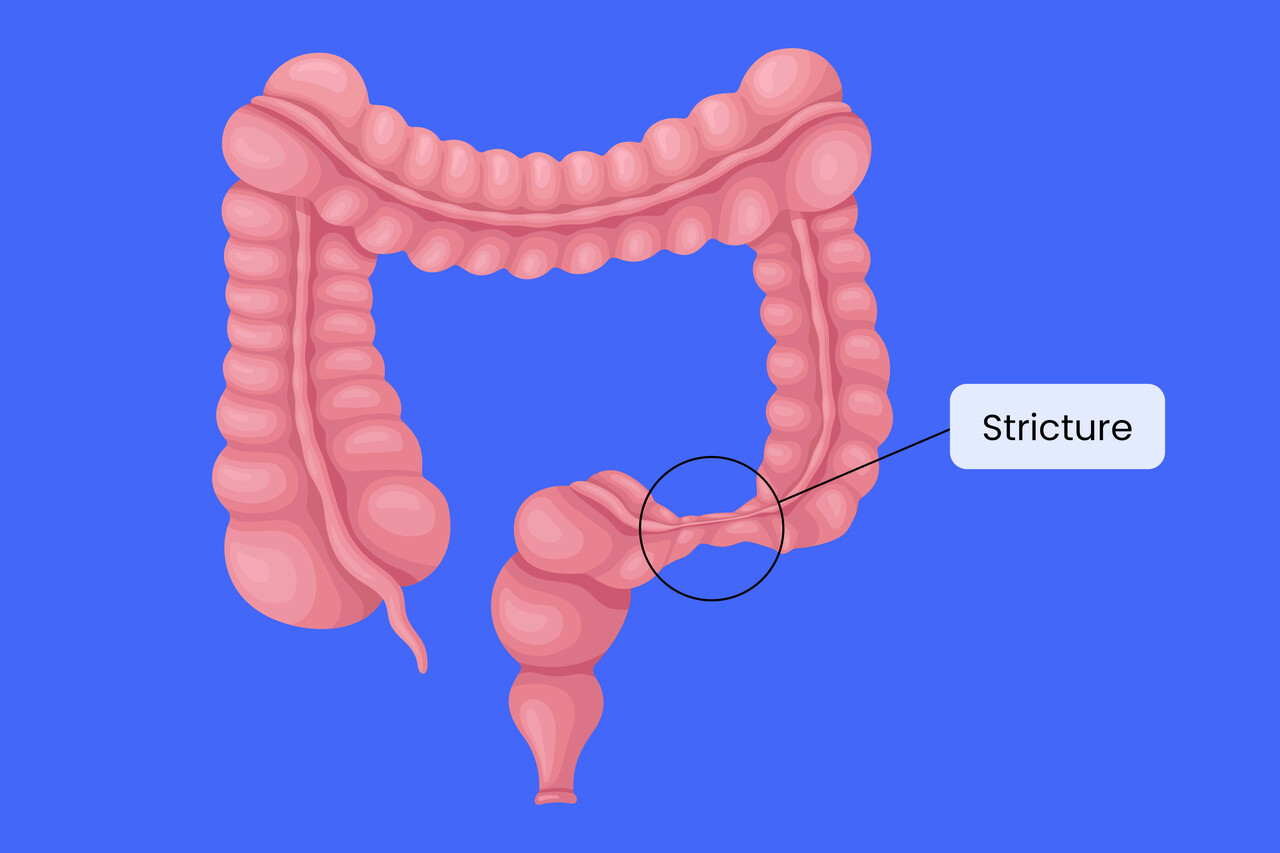
While this article focuses on benign strictures, it’s crucial to reiterate that malignant tumors (colon cancer) are a significant cause of colonic narrowing. Large polyps, though usually benign, can also cause a partial blockage if they grow significantly in size.
Symptoms and Diagnosis of Colon Strictures
The presence of a colon stricture can manifest in a variety of symptoms, depending on its location, severity, and whether it’s causing a partial or complete obstruction. Some individuals may have very mild or no symptoms, while others experience significant discomfort and require urgent medical attention.
Common Symptoms
- Changes in Bowel Habits: This is a hallmark symptom. Individuals might experience constipation, difficulty passing stools, or a sensation of incomplete bowel evacuation. Stools might become narrower or more pencil-like.
- Abdominal Pain and Cramping: Pain can be localized to the area of the stricture or be more generalized. It may be associated with bowel movements or occur intermittently.
- Bloating and Abdominal Distension: When stool and gas cannot pass freely through the narrowed section, it can lead to a buildup in the colon above the stricture, causing bloating and a feeling of fullness.
- Nausea and Vomiting: In cases of more severe obstruction, the inability to pass contents can lead to nausea and vomiting, as the digestive system struggles to function.
- Rectal Bleeding: While not always present, bleeding can occur, especially if the stricture is associated with underlying inflammation or ulceration.
- Unexplained Weight Loss: Chronic digestive issues and difficulty absorbing nutrients due to a significant stricture can sometimes lead to unintentional weight loss.
- Fever and Chills: If a stricture leads to a complication like a perforation or a blockage that causes infection, fever and chills may be present.
Diagnostic Approaches
Diagnosing a colon stricture involves a combination of patient history, physical examination, and various imaging and endoscopic techniques.
1. Medical History and Physical Examination
A healthcare provider will begin by asking about your symptoms, their duration, and any relevant medical history, including previous IBD diagnoses, surgeries, radiation treatments, or diverticulitis. A physical examination might reveal tenderness in the abdomen, especially over the area of the suspected stricture, and signs of abdominal distension.
2. Imaging Studies
- Barium Enema (Lower GI Series): This is an older but still useful diagnostic tool. A contrast agent (barium) is introduced into the colon via the rectum. X-rays are then taken as the barium fills the colon, highlighting any narrowing or irregularities in the colon wall.
- CT Scan (Computed Tomography): A CT scan provides detailed cross-sectional images of the abdomen and pelvis. It can identify the location and extent of a stricture, assess for any associated inflammation or complications like abscesses, and help differentiate between benign and malignant causes. Oral or intravenous contrast agents are often used to improve visualization.
- MRI (Magnetic Resonance Imaging): MRI can also be used to visualize the colon and assess for strictures, particularly in cases where radiation or inflammatory processes are suspected.
3. Endoscopic Procedures
- Colonoscopy: This is the gold standard for diagnosing colon strictures. A flexible tube with a camera (colonoscope) is inserted through the anus and advanced through the entire colon. The endoscopist can directly visualize the colon lining, identify the presence and location of a stricture, assess its appearance, and take biopsies. Biopsies are crucial for ruling out cancerous causes and can sometimes help identify inflammatory causes of the stricture. In some cases, a colonoscope can be carefully advanced through a benign stricture to examine the colon beyond it.
- Sigmoidoscopy: This procedure is similar to colonoscopy but only examines the lower part of the colon (sigmoid colon and rectum). It may be used if only the lower colon is suspected of having a stricture.
The diagnostic process aims not only to identify the stricture but also to determine its cause and severity. This information is critical for guiding treatment decisions.
Management and Treatment Options for Colon Strictures
The management of colon strictures is tailored to the individual patient, considering the cause of the stricture, its severity, the patient’s overall health, and the presence of symptoms or complications. The primary goals of treatment are to relieve symptoms, restore normal bowel function, prevent complications, and address the underlying cause.
1. Conservative Management and Lifestyle Modifications
For mild, asymptomatic strictures, especially those caused by chronic inflammatory conditions that are well-controlled, a conservative approach may be sufficient.
- Dietary Adjustments: Patients may be advised to adopt a low-residue diet to reduce the bulk and indigestibility of stool, making it easier to pass through a narrowed segment. This might involve limiting fruits and vegetables with skins and seeds, whole grains, and nuts.
- Hydration: Adequate fluid intake is crucial to keep stool soft and facilitate passage.
- Medications: If the stricture is due to an underlying inflammatory condition like IBD, appropriate medical therapy to control inflammation will be paramount. This might include anti-inflammatory drugs, immunosuppressants, or biologic agents.
2. Endoscopic Interventions
Endoscopic procedures offer minimally invasive options for treating certain types of colon strictures.
- Balloon Dilation: If a stricture is identified during a colonoscopy, a balloon can be passed through the narrowed segment and inflated. This gently stretches the colon wall, widening the lumen. Balloon dilation can provide significant symptom relief for benign strictures. However, the stricture may recur, requiring repeat procedures.
3. Surgical Intervention
Surgery is often necessary for severe strictures, those causing significant symptoms or complete obstruction, strictures that cannot be successfully treated endoscopically, or when malignancy cannot be ruled out.
- Strictureplasty: This is a surgical technique where the narrowed segment of the colon is incised lengthwise and then sutured closed in a different direction, widening the lumen without removing any bowel. This is particularly useful in cases of multiple strictures or when preserving bowel length is important, as often seen in Crohn’s disease.
- Resection and Anastomosis: In cases of severe or complicated strictures, the affected segment of the colon may need to be surgically removed (resection). The remaining healthy ends of the colon are then rejoined (anastomosis). This is a more definitive treatment but involves the loss of a portion of the colon.
- Stoma Formation: In cases of complete obstruction or when a safe anastomosis cannot be performed, a temporary or permanent stoma (colostomy or ileostomy) may be created. This diverts fecal matter to an external bag.

4. Managing Underlying Causes
It’s vital to remember that treating the stricture itself is only part of the solution. Addressing the root cause is essential for long-term management and preventing recurrence. This involves:
- Optimizing IBD Management: Ensuring that Crohn’s disease or ulcerative colitis is well-controlled with appropriate medications and regular monitoring.
- Managing Diverticulitis: Following dietary recommendations and seeking prompt treatment for acute diverticulitis episodes.
- Follow-up After Radiation: Regular check-ups for patients who have undergone pelvic radiation to monitor for any late complications.
The choice of treatment will depend on a thorough assessment by a gastroenterologist and/or surgeon, taking into account all relevant factors. Regular follow-up and adherence to medical advice are crucial for individuals with colon strictures to maintain their quality of life and prevent serious complications.
aViewFromTheCave is a participant in the Amazon Services LLC Associates Program, an affiliate advertising program designed to provide a means for sites to earn advertising fees by advertising and linking to Amazon.com. Amazon, the Amazon logo, AmazonSupply, and the AmazonSupply logo are trademarks of Amazon.com, Inc. or its affiliates. As an Amazon Associate we earn affiliate commissions from qualifying purchases.