
The financial world often presents a labyrinth of instruments, each with its unique characteristics, risks, and opportunities. Among these, futures contracts stand out as powerful derivatives, enabling participants to speculate on future price movements or hedge existing exposures. When the term “Nasdaq Futures” emerges, it points specifically to a type of futures contract whose value is intrinsically tied to the performance of the Nasdaq 100 Index, a benchmark for technology and growth companies. Understanding Nasdaq Futures is crucial for anyone looking to navigate the modern investment landscape, offering a dynamic tool for investors, traders, and institutional hedgers alike.
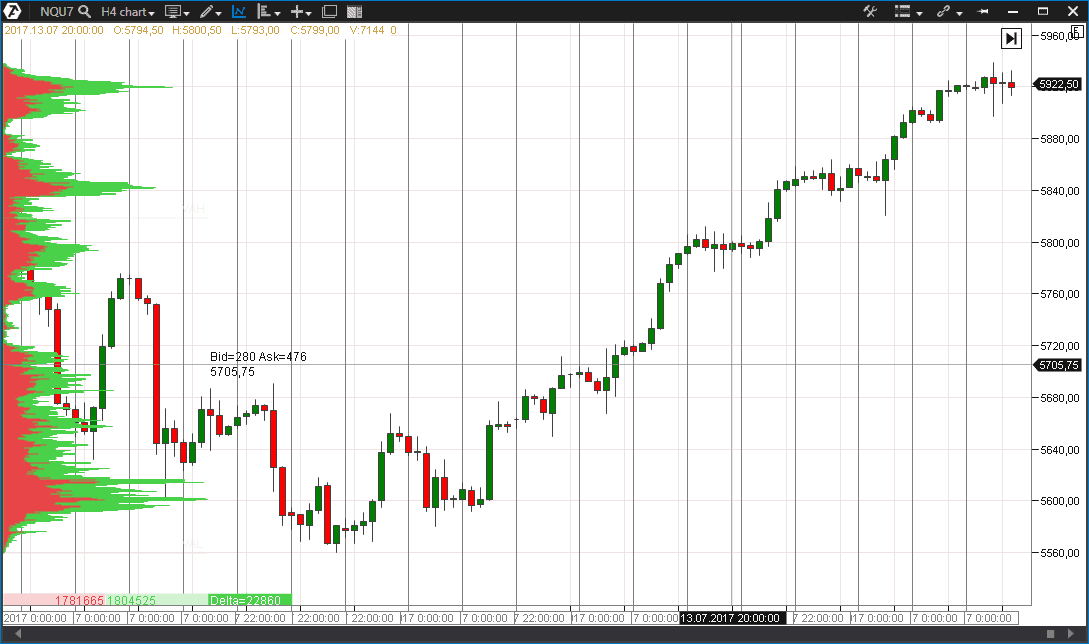
At its core, a futures contract is a standardized legal agreement to buy or sell something at a predetermined price on a specified date in the future. The “something” in question can range from commodities like oil and gold to financial instruments such as interest rates, currencies, and, in this case, stock market indices. Nasdaq Futures, therefore, allow market participants to gain exposure to the broader technology-heavy Nasdaq 100 Index without having to buy or sell all 100 individual stocks. This introduction serves as a gateway to exploring the mechanics, benefits, risks, and strategic applications of Nasdaq Futures, providing a foundational understanding for both aspiring and experienced financial professionals.
Understanding Futures Contracts: The Foundation
Before delving specifically into Nasdaq Futures, it’s essential to grasp the fundamental concepts of futures contracts themselves. These derivatives play a pivotal role in global financial markets, facilitating price discovery, risk management, and speculative trading across a vast array of underlying assets.
Definition of a Futures Contract
A futures contract is a legally binding agreement to buy or sell an asset at a predetermined price on a specific date in the future. This agreement is made between two parties through a regulated exchange. Unlike options contracts, which give the holder the right but not the obligation to buy or sell, a futures contract creates an obligation for both parties to fulfill the terms of the agreement. The buyer (long position) is obligated to take delivery of the asset, or its cash equivalent, while the seller (short position) is obligated to deliver the asset, or its cash equivalent, on the expiration date. In the context of index futures like Nasdaq Futures, physical delivery of all 100 underlying stocks is impractical, so contracts are typically cash-settled.
Key Characteristics: Standardization, Leverage, Expiration
Futures contracts possess several defining characteristics that differentiate them from other financial instruments:
- Standardization: To ensure liquidity and ease of trading, futures contracts are highly standardized. The underlying asset, contract size, expiration dates, and minimum price fluctuations (tick sizes) are all predetermined by the exchange where they trade. This standardization means that any “Nasdaq Futures contract” refers to an identical agreement for all market participants, simplifying trading and price comparison.
- Leverage: Futures trading inherently involves significant leverage. Traders are not required to pay the full value of the contract upfront but instead post a relatively small initial margin deposit. This margin represents a fraction of the total contract value, allowing traders to control a large position with a comparatively small amount of capital. While leverage can amplify profits, it equally amplifies losses, making robust risk management imperative.
- Expiration: Every futures contract has a specified expiration date. Upon expiration, the contract is settled, either by physical delivery (rare for index futures) or, more commonly, by cash settlement. Traders can choose to close their positions before expiration by taking an offsetting trade, or they can “roll over” their position by simultaneously closing out an expiring contract and opening a new one with a later expiration date.
The Role of Exchanges and Clearinghouses
Futures trading operates within a highly regulated ecosystem, primarily facilitated by exchanges and clearinghouses:
- Exchanges: Futures exchanges, such as the Chicago Mercantile Exchange (CME) Group, provide the marketplace where futures contracts are listed and traded. They set the rules, ensure transparency, and disseminate market data. For Nasdaq Futures, the primary exchange is the CME Group, specifically its equity index division, offering contracts like the E-mini Nasdaq 100.
- Clearinghouses: A crucial component of the futures market is the clearinghouse. Once a trade is executed on an exchange, the clearinghouse steps in to act as the counterparty to both the buyer and the seller. This process, known as novation, eliminates counterparty risk for traders. The clearinghouse guarantees the performance of all contracts, requiring participants to post and maintain margin deposits to cover potential losses, thereby safeguarding the integrity of the market.
Delving into Nasdaq Futures
With a foundational understanding of futures contracts, we can now focus on the specifics of Nasdaq Futures, dissecting what makes them a distinct and powerful tool in financial markets.
The Underlying Asset: The Nasdaq 100 Index
The Nasdaq 100 Index serves as the bedrock for Nasdaq Futures contracts. This index is a modified capitalization-weighted index composed of 100 of the largest domestic and international non-financial companies listed on the Nasdaq Stock Market. It is renowned for its heavy concentration in technology and growth-oriented sectors, including computer hardware and software, telecommunications, retail/wholesale trade, and biotechnology. Companies like Apple, Microsoft, Amazon, Alphabet (Google), and Meta (Facebook) are prominent constituents. Consequently, Nasdaq Futures are a direct proxy for the performance and sentiment surrounding these leading-edge industries.
Popular Nasdaq Futures Contracts: E-mini Nasdaq 100 and Micro E-mini Nasdaq 100
While various Nasdaq-related futures contracts exist, two are particularly popular and accessible:
- E-mini Nasdaq 100 Futures (NQ): These are the flagship Nasdaq futures contracts, offering significant liquidity and a relatively large contract size. The “E-mini” designation indicates that they are electronically traded and are a smaller version of an older, larger contract. Each point movement in the Nasdaq 100 Index translates to a $20 change in the value of an E-mini NQ contract. This means a 100-point move in the index results in a $2,000 profit or loss per contract.
- Micro E-mini Nasdaq 100 Futures (MNQ): Introduced by the CME Group in 2019, Micro E-mini contracts are one-tenth the size of their E-mini counterparts. For MNQ, each point movement in the Nasdaq 100 Index corresponds to a $2 change in the contract value. This smaller contract size significantly lowers the capital requirement for entry, making Nasdaq futures trading more accessible to individual traders and those with smaller accounts, allowing for more granular position sizing and risk management.
Contract Specifications: Tick Size, Multiplier, Margin
Understanding the precise specifications of Nasdaq Futures is critical for calculating potential profits and losses and managing risk:
- Tick Size: This is the smallest increment by which the price of a futures contract can move. For both E-mini and Micro E-mini Nasdaq 100 futures, the tick size is 0.25 index points.
- Multiplier: This value determines the dollar value of each index point movement. As mentioned, the multiplier for E-mini NQ is $20 per point, and for Micro E-mini MNQ, it is $2 per point.
- Margin: Futures trading requires two types of margin:
- Initial Margin: The amount of capital required to open a new futures position. It’s a performance bond, not a down payment.
- Maintenance Margin: The minimum amount of equity that must be maintained in a futures account at all times. If the account balance falls below this level, a “margin call” will be issued, requiring the trader to deposit additional funds to bring the account back up to the initial margin level. Margins are set by the exchange and can change based on market volatility.
How Nasdaq Futures Differ from Trading Stocks
While both involve exposure to the Nasdaq 100, futures trading differs significantly from direct stock trading or investing in an ETF that tracks the index:
- Leverage: Futures offer much higher leverage than traditional stock trading, where buying on margin typically involves a 50% initial margin. This magnified leverage means greater potential for both gains and losses.
- Cost: The transaction costs for futures are generally lower, often involving a flat commission per contract rather than a percentage of the trade value.
- 24-Hour Trading: Nasdaq futures trade almost 24 hours a day, five days a week, offering continuous market access and liquidity, especially beneficial for reacting to global news outside of regular stock market hours.
- Expiration: Futures contracts have expiration dates, requiring traders to manage their positions accordingly, either by closing or rolling them over. Stocks, conversely, represent ownership and do not expire.
- Short Selling: Shorting stocks involves borrowing shares and selling them, with potential limitations. Shorting futures is as straightforward as buying, offering symmetrical opportunity and risk whether betting on a rise or fall.
Why Trade Nasdaq Futures? Advantages and Disadvantages
Nasdaq Futures appeal to a diverse range of market participants due to their unique set of advantages and disadvantages. A balanced perspective is essential for informed decision-making.
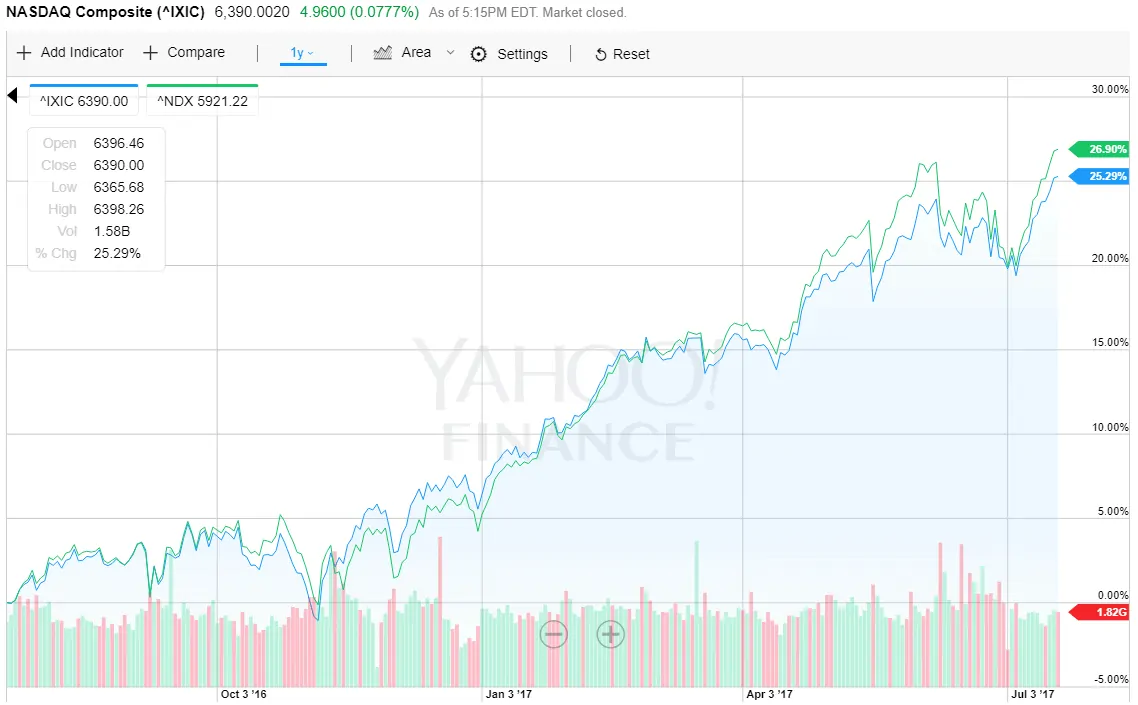
Benefits: Liquidity, Leverage, 24-Hour Access, Hedging Opportunities
- High Liquidity: E-mini Nasdaq 100 futures are among the most liquid futures contracts globally, ensuring that traders can typically enter and exit positions quickly and efficiently with minimal slippage, even for large orders. This liquidity is crucial for active traders.
- Leverage: As discussed, futures offer significant leverage, enabling traders to control substantial contract values with a relatively small capital outlay. This can lead to impressive returns on capital if trades are successful.
- Nearly 24-Hour Access: The CME Group’s electronic trading platform allows Nasdaq futures to be traded almost around the clock, from Sunday evening to Friday afternoon. This continuous access is invaluable for responding to overnight news or market developments and for participants in different time zones.
- Hedging Opportunities: Nasdaq Futures are an excellent tool for hedging. Portfolio managers holding a large portfolio of tech stocks can sell Nasdaq futures to offset potential declines in their equity holdings without liquidating individual stocks. This provides a cost-effective way to temporarily reduce market exposure.
- Efficiency: Futures offer exposure to a broad market index with a single trade, saving on multiple commissions and the complexity of managing an entire basket of stocks.
- Tax Efficiency (for some): In many jurisdictions, futures contracts may be eligible for favorable tax treatment (e.g., 60/40 rule in the U.S. for section 1256 contracts, where 60% of gains are long-term and 40% are short-term, regardless of holding period).
Risks: High Volatility, Margin Calls, Complexity, Rollover Risk
- High Volatility: The Nasdaq 100 Index, being heavily weighted towards growth and technology stocks, can be highly volatile. This translates directly to volatile price movements in Nasdaq Futures, which can lead to rapid and significant losses if the market moves against a position, especially when amplified by leverage.
- Margin Calls: The leverage inherent in futures trading means that even relatively small adverse price movements can lead to a margin call. If a trader fails to meet a margin call, their position may be automatically liquidated by the broker, often at an unfavorable price, resulting in substantial losses.
- Complexity: Futures trading requires a deep understanding of market mechanics, contract specifications, and risk management principles. It’s not suitable for novice investors without proper education and practice. The fast-paced nature and margin requirements demand disciplined decision-making.
- Rollover Risk: For traders who wish to maintain a continuous position, futures contracts need to be “rolled over” from an expiring contract month to a new, further-out contract month. This process can incur additional transaction costs and may expose the trader to price differences between the expiring and new contracts, known as “basis risk.”
- Unlimited Loss Potential (theoretically): While stop-loss orders can mitigate this, in fast-moving markets, there’s a theoretical risk of losses exceeding the initial margin deposit, potentially leading to a debit balance in the trading account.
Trading Strategies and Market Dynamics
Nasdaq Futures are versatile instruments, employed in various strategies ranging from pure speculation to sophisticated hedging. Understanding the underlying market dynamics is key to successful application.
Speculation: Profiting from Price Movements
The most common use of Nasdaq Futures, especially among individual traders, is speculation. Traders aim to profit from anticipating the direction of the Nasdaq 100 Index. If a trader believes the index will rise, they take a long position (buy futures); if they expect a decline, they take a short position (sell futures). This requires keen market analysis, timely execution, and stringent risk management. Speculators often rely on technical analysis (chart patterns, indicators) and fundamental analysis (economic data, company earnings, sector trends) to inform their trading decisions.
Hedging: Managing Portfolio Risk
Institutional investors and portfolio managers frequently use Nasdaq Futures for hedging purposes. For instance, a fund manager with a diversified portfolio heavily weighted in large-cap technology stocks might be concerned about a short-term market downturn. Instead of selling off individual stocks, which could incur significant transaction costs and potentially trigger taxable events, they can sell Nasdaq futures contracts. If the market declines, the profits from the short futures position can offset losses in the underlying equity portfolio. When the perceived risk has passed, the futures position can be bought back, and the equity portfolio remains intact.
Technical Analysis vs. Fundamental Analysis in Futures Trading
- Technical Analysis: This involves studying historical price charts and volume data to identify patterns and predict future price movements. Traders use indicators like moving averages, RSI, MACD, and Bollinger Bands. Given the high liquidity and 24-hour nature of Nasdaq futures, technical analysis is a very popular approach as all market sentiment and activity are reflected in the price action.
- Fundamental Analysis: This involves evaluating economic factors, industry trends, and company-specific news to determine the intrinsic value of an asset. For Nasdaq futures, fundamental analysis would involve monitoring macroeconomic data (GDP, inflation, interest rates), tech sector earnings reports, geopolitical events, and regulatory changes that could impact the growth prospects of the underlying Nasdaq 100 companies. While slower to manifest, fundamental shifts can drive powerful, long-term trends.
Key Economic Indicators and Their Impact
Several economic indicators can significantly influence the Nasdaq 100 Index and, consequently, Nasdaq Futures:
- Interest Rate Decisions (Federal Reserve): Higher interest rates typically negatively impact growth stocks, as they increase borrowing costs and discount future earnings more heavily, making them less attractive.
- Inflation Reports (CPI, PPI): Persistently high inflation can lead to tighter monetary policy, affecting growth stock valuations.
- GDP Growth: Strong economic growth generally bodes well for corporate earnings, boosting stock market indices.
- Employment Data (Non-Farm Payrolls, Unemployment Rate): A robust job market signals a healthy economy, supporting consumer spending and corporate profits.
- Technology Sector Earnings: Given the index’s composition, the earnings reports of major tech companies are critical drivers of price movement.
- Global Economic Data: As many Nasdaq 100 companies have international operations, global economic health and geopolitical stability also play a role.
Getting Started with Nasdaq Futures Trading
Embarking on Nasdaq futures trading requires careful preparation, a clear understanding of the risks, and a commitment to continuous learning.
Choosing a Futures Broker
The first practical step is selecting a reputable futures broker. Key considerations include:
- Regulation: Ensure the broker is regulated by relevant authorities (e.g., CFTC and NFA in the U.S.).
- Trading Platform: Look for a user-friendly, reliable trading platform with advanced charting tools, fast execution, and access to real-time market data.
- Commissions and Fees: Compare transaction costs, which can vary significantly between brokers.
- Customer Support: Assess the quality and responsiveness of their support team.
- Margin Requirements: Understand the broker’s initial and maintenance margin requirements, which may be slightly higher than exchange minimums.
- Educational Resources: Some brokers offer valuable educational materials, webinars, and demo accounts.
Understanding Margin Requirements
Before placing a trade, thoroughly understand the margin requirements for the specific Nasdaq futures contract you intend to trade (E-mini NQ or Micro E-mini MNQ). Initial margin is necessary to open a position, and maintenance margin must be maintained to keep it open. Always ensure you have sufficient capital in your account to cover not just the initial margin but also potential losses and maintenance margin calls. Over-leveraging is a primary cause of account blow-ups in futures trading.
Risk Management Essentials
Robust risk management is paramount in futures trading:
- Stop-Loss Orders: Always use stop-loss orders to limit potential losses on a trade. While not guaranteed in fast markets, they are crucial for defining your maximum risk.
- Position Sizing: Never risk more than a small percentage of your total trading capital on any single trade (e.g., 1-2%). This helps protect your account from significant drawdowns. Micro E-mini contracts are excellent for smaller accounts to manage position size effectively.
- Capital Allocation: Do not trade with money you cannot afford to lose. Futures trading carries a high level of risk and may not be suitable for all investors.
- Emotional Control: Trading with discipline and sticking to a predefined trading plan, free from emotional impulses, is critical for long-term success.
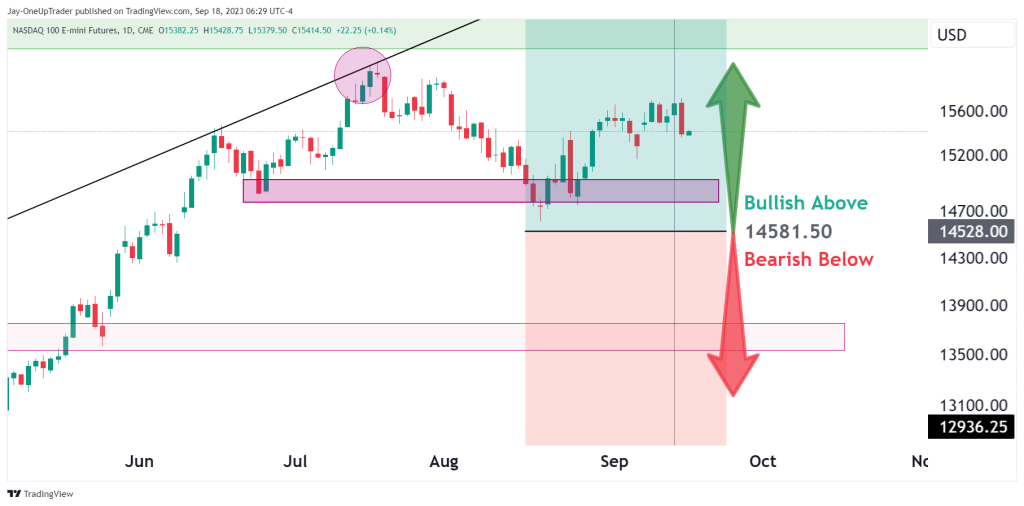
Education and Practice
No amount of theoretical knowledge can replace practical experience.
- Simulated Trading (Paper Trading): Most brokers offer demo or paper trading accounts that allow you to trade with virtual money in a real-time market environment. This is an invaluable tool for practicing strategies, getting familiar with the platform, and understanding market dynamics without financial risk.
- Continuous Learning: The financial markets are constantly evolving. Stay updated on economic news, market trends, and new trading techniques. Read books, attend webinars, and learn from experienced traders.
In conclusion, Nasdaq Futures offer a potent and versatile avenue for interacting with the technology-driven segment of the stock market. From providing immense leverage for speculative gains to serving as an indispensable tool for hedging against market downturns, their role in the modern financial ecosystem is undeniable. However, their power comes with inherent risks, necessitating a thorough understanding of their mechanics, diligent risk management, and a commitment to continuous learning. For those equipped with the knowledge and discipline, Nasdaq Futures can be a highly effective component of a sophisticated financial strategy.
aViewFromTheCave is a participant in the Amazon Services LLC Associates Program, an affiliate advertising program designed to provide a means for sites to earn advertising fees by advertising and linking to Amazon.com. Amazon, the Amazon logo, AmazonSupply, and the AmazonSupply logo are trademarks of Amazon.com, Inc. or its affiliates. As an Amazon Associate we earn affiliate commissions from qualifying purchases.