
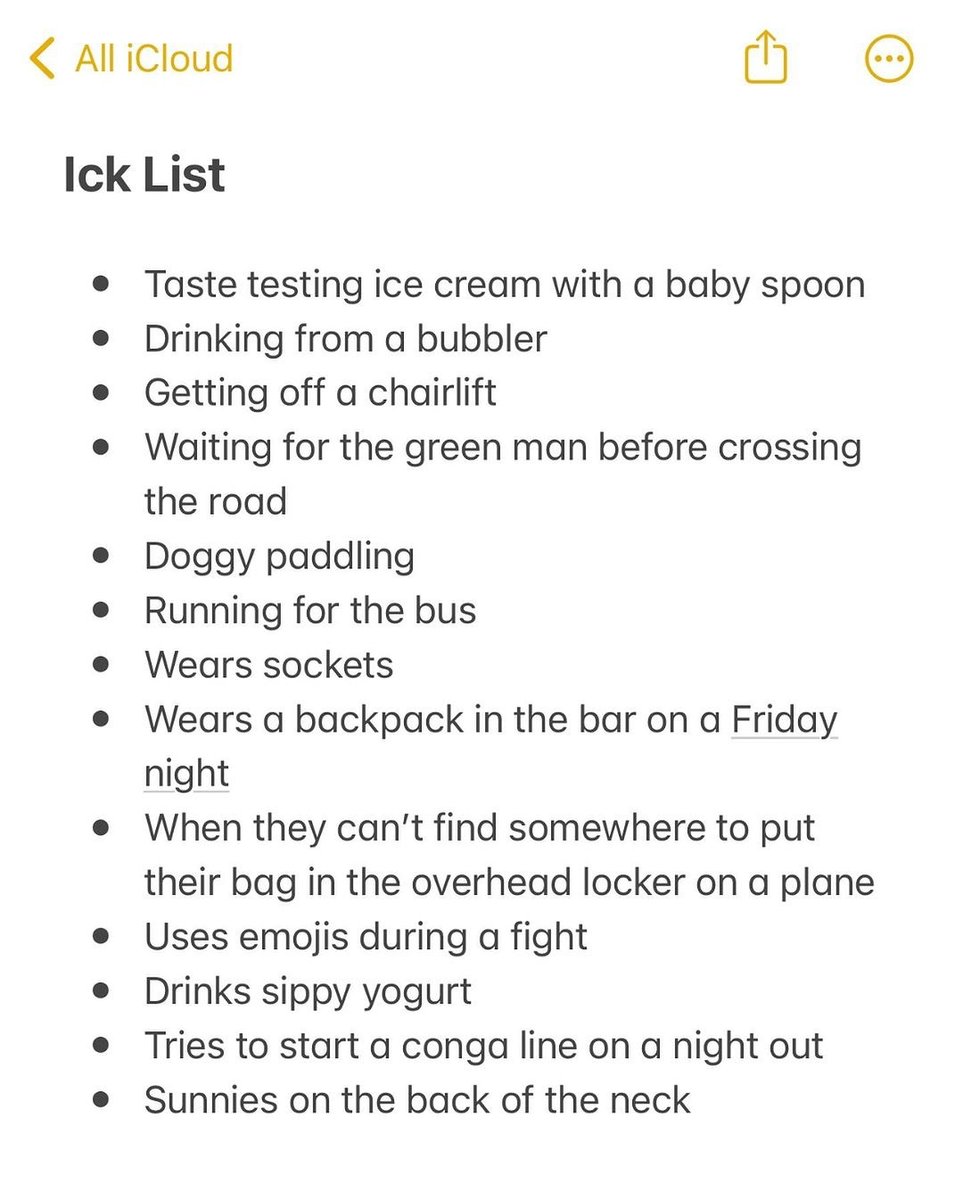
In the lexicon of modern social dynamics, the term “ick” has migrated from the realm of personal dating to the sphere of consumer behavior. While it originated as a slang term describing a sudden, often inexplicable feeling of disgust or repulsion toward a romantic interest, the “Brand Ick” is a very real phenomenon in corporate identity and marketing strategy. For a brand, the “ick” is that moment of disconnect where a consumer views a company’s actions, messaging, or aesthetics as cringeworthy, out-of-touch, or fundamentally dishonest.
In an era where brand loyalty is increasingly fragile and consumer skepticism is at an all-time high, understanding these “icks” is not just about avoiding social media ridicule; it is a prerequisite for long-term survival. This article explores the psychological roots of brand repulsion, categorizes the most prevalent strategic missteps, and provides a roadmap for maintaining a brand identity that attracts rather than repels.
The Psychology of the Brand Ick: Why Consumers Turn Away
Before diving into specific examples, it is essential to understand why “brand icks” occur. At its core, a brand is a promise—a psychological contract between a provider and a consumer. When a brand triggers an “ick,” it is usually because it has violated the perceived authenticity of that contract.
From Friction to Revulsion
There is a distinct difference between a poor user experience and a brand ick. A slow-loading website is friction; a brand using a tragic global event to promote a flash sale is an ick. Friction is a technical failure, whereas an ick is a moral or social misalignment. When a consumer experiences a brand ick, they don’t just feel inconvenienced—they feel embarrassed for the brand or insulted by its tactics. This emotional response is much harder to rectify than a simple logistical error.
The Era of Radical Transparency
We live in an age where the curtain between the corporation and the consumer has been pulled back. Through social media and whistleblowing culture, the “behind the scenes” of a brand is now front and center. Consumers are no longer just buying a product; they are buying into a value system. When the public persona of a brand (the branding) clashes with its internal reality (the corporate identity), the resulting dissonance creates an immediate sense of repulsion.
Communication and Messaging Icks: The Cringe Factor in Marketing
Communication is the primary touchpoint for brand identity. It is also the most common place for icks to manifest, particularly when brands attempt to appear more relatable or “human” than they actually are.
Tone-Deaf Trend Hopping
One of the most frequent brand icks is the desperate attempt to stay “relevant” by hijacking memes or internet slang that doesn’t align with the brand’s core identity. When a legacy financial institution attempts to use Gen-Z slang or participate in a fleeting TikTok dance trend, it often feels forced and “cringe.” This is perceived as “digital blackface” or “youth-baiting,” where the brand is clearly trying too hard to sit at the “cool table.”
Authentic branding requires a deep understanding of one’s own voice. If a brand’s voice is traditionally authoritative and professional, a sudden shift into meme culture feels disingenuous. It signals that the brand lacks a solid foundation and is willing to abandon its identity for a few likes.
The Inauthenticity Trap
Consumers have developed a “BS detector” that is more sensitive than ever. A major brand ick is the use of overly polished, “corporate-speak” responses to genuine criticism. When a company uses a robotic, PR-scrubbed statement to address a real issue, it communicates a lack of accountability.
Similarly, the “relatable brand” persona—where a multi-billion dollar corporation tries to act like a quirky, depressed teenager on Twitter—is beginning to sour. While this worked in the early 2010s, it is now often seen as a calculated manipulation tactic. When the “quirky” brand then lays off 20% of its workforce, the ick factor reaches a breaking point.
Over-Communication and Inbox Fatigue
There is a fine line between staying top-of-mind and being a digital stalker. A significant brand ick is the aggressive over-use of push notifications and email marketing. When a brand sends three emails a day with subject lines like “Are you ignoring us?” or “We miss you!”, it triggers a feeling of desperation. This “clingy” behavior devalues the brand and leads to immediate unsubscribes. Professional branding understands that silence can be as powerful as speech; it respects the consumer’s digital space.
Visual and Identity Icks: When Aesthetics Repel
A brand’s visual identity—its logo, color palette, typography, and website design—serves as its “face.” If that face feels outdated, inconsistent, or derivative, it can trigger an immediate “ick” that prevents the consumer from ever engaging with the actual product.
Dated or Inconsistent Visual Language
Inconsistency is a major red flag. If a brand’s Instagram looks like a high-end luxury boutique, but its website looks like it was built in 2005, the consumer experiences a jarring lack of professionalism. This inconsistency suggests a lack of attention to detail and a fractured corporate structure.
Furthermore, “blanding”—the trend of every tech and fashion company adopting the exact same minimalist, sans-serif logo—has become its own brand ick. By trying to look “modern” and “clean,” many brands have lost their soul, becoming indistinguishable from their competitors. This lack of distinctiveness signals a lack of creative vision.
Poor User Experience (UX) as a Brand Statement
While UX is often categorized as a technical field, it is fundamentally a branding issue. A website that is cluttered with pop-ups, “dark patterns” (design choices that trick users into doing something), or difficult navigation is a brand ick. It tells the consumer: “We value our data collection and ad revenue more than your time and comfort.” This perceived selfishness is the ultimate repellent. A brand that respects its audience will always prioritize a seamless, intuitive visual experience.
Ethical and Cultural Icks: The High Cost of Performative Values
Perhaps the most damaging brand icks are those rooted in ethics. In the modern marketplace, “Brand Purpose” is a buzzword, but when purpose is not backed by action, it becomes a liability.
Performative Activism: Greenwashing and Woke-washing
Consumers are increasingly wary of brands that adopt social or environmental causes for marketing gain without making systemic internal changes. “Greenwashing”—making unsubstantiated claims about the environmental benefits of a product—is a massive brand ick.
Similarly, “woke-washing,” where brands use social justice movements to sell products while maintaining unethical supply chains or lacking diversity in their boardrooms, leads to intense public backlash. When a brand’s “values” are only visible during Pride Month or Earth Day, it feels predatory and opportunistic. Authenticity in branding means that your values should be a permanent part of your corporate identity, not a seasonal marketing campaign.
Toxic Corporate Culture Leaks
A brand is only as good as the way it treats its people. In the age of Glassdoor and LinkedIn, internal culture is no longer internal. When reports of a toxic workplace, high turnover, or executive misconduct go public, it creates a profound brand ick for the consumer. It becomes difficult to enjoy a product when you know it was created in an environment of exploitation. Brands that focus solely on their external image while neglecting their internal culture are building on a foundation of sand.
Mitigating the Ick: Strategies for Brand Resilience
Recognizing these icks is the first step toward avoiding them. For brand strategists and corporate leaders, the goal is to build a brand that feels grounded, honest, and respectful.
Prioritizing Community over Conversion
The best way to avoid a brand ick is to stop viewing consumers as mere conversion points and start viewing them as a community. This shift in perspective changes the tone of communication from “What can I get from you?” to “How can I serve you?” Brands that focus on building long-term relationships are less likely to engage in the desperate, “icky” tactics of aggressive marketing and trend-hopping.
Consistency as a Trust Builder
Trust is built through the accumulation of consistent experiences. To avoid the “ick” of inconsistency, brands must ensure that their identity is unified across every department—from customer service and HR to design and marketing. A brand audit can help identify areas where the corporate reality might be diverging from the brand promise.
Radical Honesty and Accountability
When a brand does make a mistake—which is inevitable—the best way to neutralize the ick is through radical honesty. This means moving away from scripted PR apologies and toward genuine accountability. Acknowledging a mistake without excuses, explaining what went wrong, and outlining the steps to fix it can actually turn a moment of repulsion into a moment of deepened loyalty.
In conclusion, the “brand ick” is more than just a passing social media trend; it is a vital indicator of brand health. By staying true to a core identity, respecting the intelligence of the consumer, and ensuring that actions align with words, brands can navigate the complex modern landscape without triggering the repulsion that has claimed so many corporate giants before them. In the end, the most “non-icky” thing a brand can be is authentic.
aViewFromTheCave is a participant in the Amazon Services LLC Associates Program, an affiliate advertising program designed to provide a means for sites to earn advertising fees by advertising and linking to Amazon.com. Amazon, the Amazon logo, AmazonSupply, and the AmazonSupply logo are trademarks of Amazon.com, Inc. or its affiliates. As an Amazon Associate we earn affiliate commissions from qualifying purchases.