
For many investors, the S&P 500 index represents the pinnacle of U.S. stock market performance and stability. Comprising 500 of the largest publicly traded companies in the United States, it serves as a robust benchmark for the overall health of the American economy. While you can’t “buy” the S&P 500 directly as a single stock, gaining exposure to this formidable index is not only possible but also remarkably straightforward and accessible to nearly any investor. This guide will demystify the process, detailing the various methods, account types, and crucial considerations for effectively integrating the S&P 500 into your investment portfolio.
Understanding the S&P 500 and Its Appeal
Before diving into how to buy it, it’s essential to grasp what the S&P 500 is and why it’s such a popular investment vehicle.
What is the S&P 500?
The S&P 500, or Standard & Poor’s 500, is a stock market index that tracks the performance of 500 large companies listed on U.S. stock exchanges. It is a market-capitalization-weighted index, meaning companies with larger market values have a greater impact on the index’s performance. Managed by S&P Dow Jones Indices, it is widely regarded as one of the best gauges of large-cap U.S. equities and a leading indicator for the U.S. stock market. The companies included span diverse sectors, from technology giants and healthcare leaders to financial institutions and consumer staples, offering broad exposure to the American corporate landscape.
Why Invest in the S&P 500?
Investing in the S&P 500 offers several compelling advantages for both novice and seasoned investors:
- Broad Diversification: By holding 500 different companies, an S&P 500 investment provides instant diversification across various industries and business models. This significantly reduces the idiosyncratic risk associated with investing in individual stocks, as the poor performance of one company is unlikely to derail your entire investment.
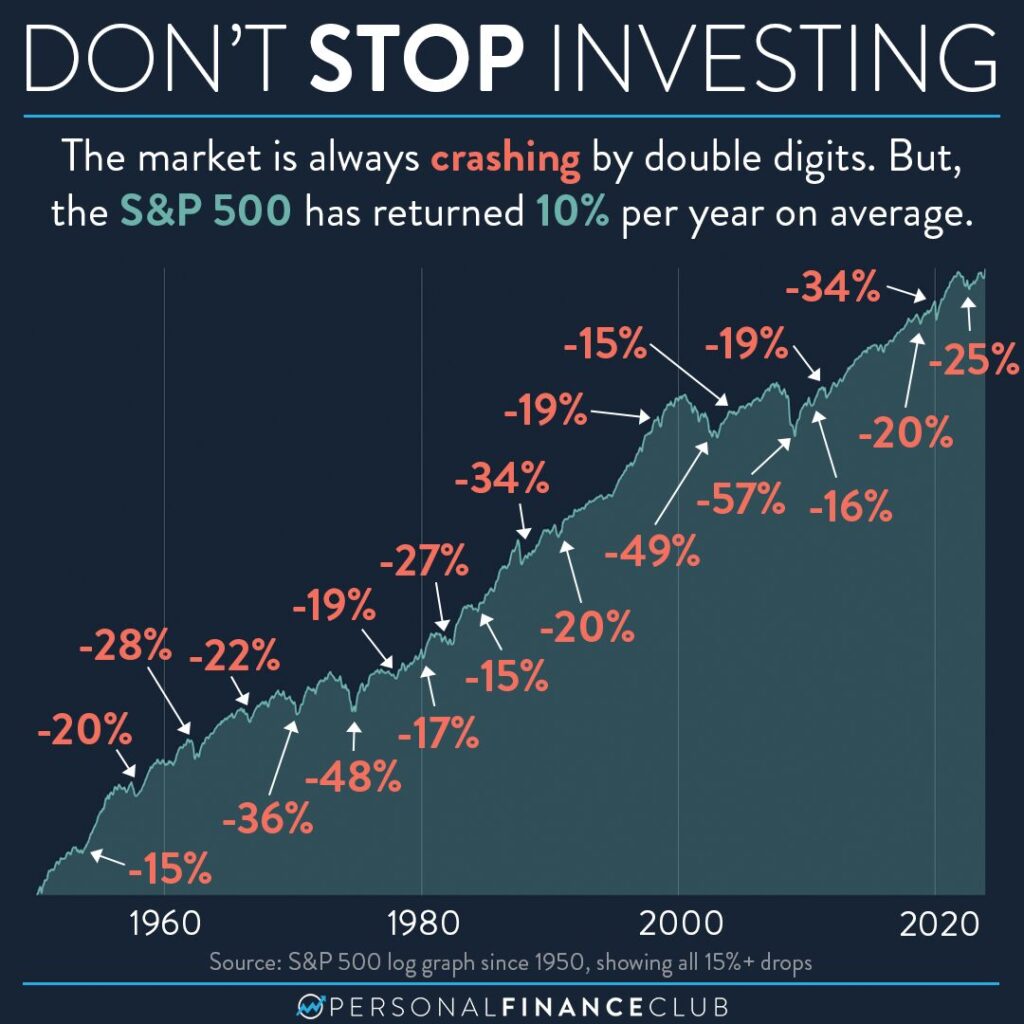
- Historical Performance: Over the long term, the S&P 500 has demonstrated impressive average annual returns, often cited between 8-12% historically, though past performance is not indicative of future results. It has consistently recovered from downturns, reflecting the long-term growth trajectory of the U.S. economy.
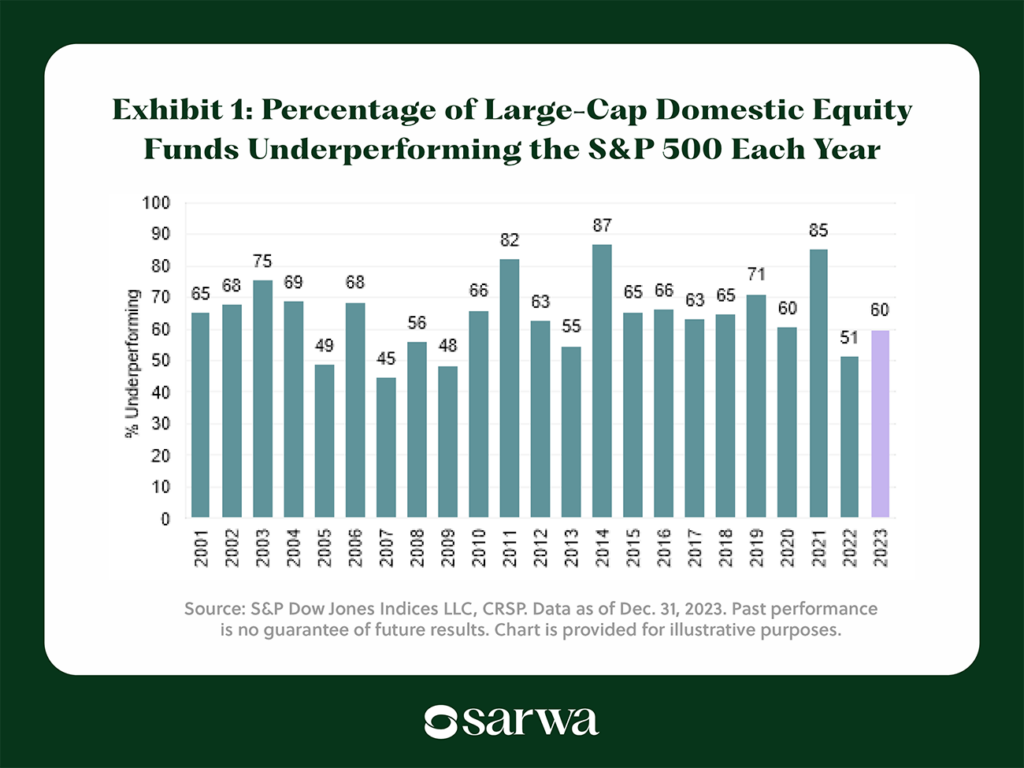
- Simplicity and Low Cost: For investors who prefer a hands-off approach or lack the time and expertise for active stock picking, S&P 500 funds offer a simple, cost-effective way to participate in market growth. They typically come with very low expense ratios, meaning more of your money stays invested and grows.
- Liquidity: Funds that track the S&P 500 are highly liquid, meaning they can be easily bought and sold during market hours, providing flexibility for investors.
- Exposure to Economic Growth: As the index represents a significant portion of the U.S. economy, investing in the S&P 500 effectively means you are betting on the continued innovation, productivity, and growth of American enterprise.
Primary Ways to Invest in the S&P 500
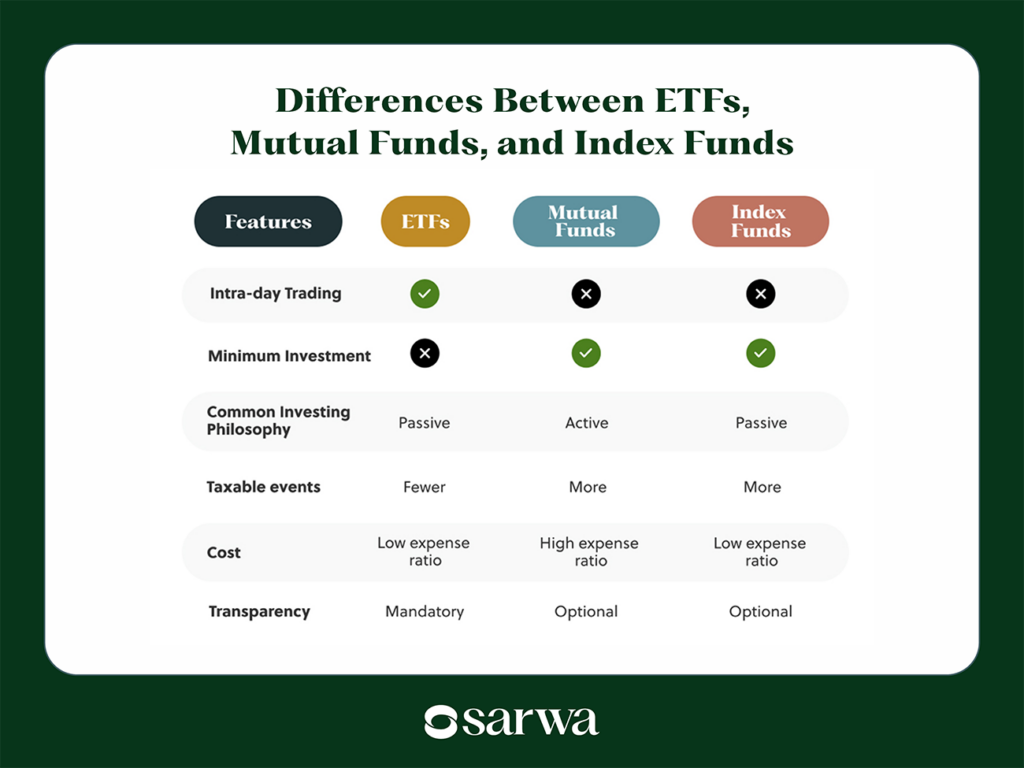
Since you cannot directly purchase “the S&P 500,” investors gain exposure through investment vehicles that are designed to track its performance. The two most popular and accessible methods are Exchange-Traded Funds (ETFs) and Index Mutual Funds.
S&P 500 Exchange-Traded Funds (ETFs)
ETFs are investment funds that hold a collection of assets (like stocks, bonds, or commodities) but trade on stock exchanges like individual stocks. An S&P 500 ETF holds shares of the 500 companies in the index, weighted appropriately, to mimic its performance as closely as possible.
- How They Work: When you buy a share of an S&P 500 ETF, you are buying a small slice of a portfolio that replicates the index. Their prices fluctuate throughout the trading day, and they can be bought and sold at any time the market is open.
- Advantages: ETFs generally boast very low expense ratios (the annual fee charged by the fund manager), offering a cost-efficient way to invest. Their tradability offers flexibility for investors who might want to enter or exit positions quickly. They are also transparent, with holdings updated regularly.
- Examples: Some of the most popular S&P 500 ETFs include:
- SPDR S&P 500 ETF Trust (SPY): The oldest and one of the most liquid S&P 500 ETFs.
- iShares Core S&P 500 ETF (IVV): Known for its competitive expense ratio.
- Vanguard S&P 500 ETF (VOO): Another highly popular option from Vanguard, celebrated for its low costs.
S&P 500 Index Mutual Funds
Index mutual funds are professionally managed portfolios that aim to replicate the performance of a specific market index, such as the S&P 500. Investors buy units (shares) of the fund, and the fund manager uses the pooled money to purchase the underlying securities of the index.
- How They Work: Unlike ETFs, mutual funds are typically priced once per day after the market closes, based on their Net Asset Value (NAV). You buy and sell shares directly through the fund company or a brokerage.
- Advantages: Mutual funds are excellent for long-term investors, particularly those who prefer automatic investments (dollar-cost averaging) without needing to worry about intraday price fluctuations. They often come with features like automatic dividend reinvestment. Many S&P 500 index mutual funds also have very low expense ratios, competitive with ETFs.
- Examples: Leading S&P 500 index mutual funds include:
- Vanguard 500 Index Fund Admiral Shares (VFIAX): A highly regarded, low-cost option.
- Fidelity 500 Index Fund (FXAIX): Fidelity’s popular S&P 500 offering.
- Schwab S&P 500 Index Fund (SWPPX): Another low-cost choice from Charles Schwab.
Other Indirect Methods
While ETFs and index mutual funds are the most direct routes, you might gain indirect exposure through other investment products:
- Target-Date Funds: Often found in retirement plans, these funds automatically adjust their asset allocation over time and frequently include significant exposure to S&P 500 index funds in their equity portion.
- Robo-Advisors: Automated investment platforms often construct diversified portfolios using various ETFs, including those that track the S&P 500, tailored to your risk tolerance and financial goals.
Opening an Investment Account and Making Your First Purchase
Once you’ve decided on an S&P 500 ETF or index mutual fund, the next step is to open an investment account and execute your purchase.
Choosing a Brokerage Account
To buy S&P 500 funds, you’ll need an investment account with a brokerage firm. Consider the following when choosing one:
- Reputation and Reliability: Opt for well-established brokers like Fidelity, Vanguard, Charles Schwab, TD Ameritrade (now Schwab), E*TRADE, or newer online platforms like M1 Finance or Robinhood.
- Fees and Commissions: Many brokers now offer commission-free trading for ETFs and even some mutual funds. Check for account maintenance fees, transfer fees, or other hidden costs.
- Investment Options: Ensure the broker offers the specific S&P 500 ETF or mutual fund you’re interested in, or a suitable alternative.
- Research Tools and Customer Service: Look for platforms that offer robust research tools, educational resources, and responsive customer support, especially if you’re a newer investor.
Account Types: Taxable vs. Tax-Advantaged
The type of account you choose will significantly impact the tax treatment of your investments.
- Taxable Brokerage Accounts: Standard investment accounts where capital gains, dividends, and interest are subject to taxes in the year they are realized. These offer flexibility as there are no contribution limits (beyond what you can afford) or withdrawal restrictions.
- Retirement Accounts:
- IRA (Individual Retirement Account): Offers tax deductions for contributions (Traditional IRA) or tax-free withdrawals in retirement (Roth IRA). Both allow you to invest in a wide range of securities, including S&P 500 funds.
- 401(k) or 403(b): Employer-sponsored plans where you can often choose from a selection of funds, many of which include S&P 500 index funds. These offer significant tax advantages for retirement savings.
- Education Accounts (e.g., 529 Plans): Tax-advantaged accounts designed for saving for education expenses, which may also offer S&P 500 fund options.
The Purchase Process
- Fund Your Account: Link your bank account and transfer funds to your brokerage account. This can typically be done via ACH transfer, wire transfer, or check deposit.
- Search for the Fund: Use the ticker symbol (e.g., SPY, VOO, VFIAX) to locate your chosen S&P 500 ETF or mutual fund on the brokerage platform.
- Place Your Order:
- For ETFs: You’ll typically place a “market order” (to buy at the current price) or a “limit order” (to buy at a specific price or better).
- For Mutual Funds: You’ll place an order to buy a specific dollar amount or number of shares, and the transaction will execute at the fund’s NAV after the market closes.
- Consider Dollar-Cost Averaging: Instead of investing a lump sum all at once, consider investing a fixed amount regularly (e.g., $100 every month). This strategy, known as dollar-cost averaging, can help mitigate risk by averaging out your purchase price over time and reduces the impact of market volatility.
Important Considerations Before Investing
While investing in the S&P 500 is generally a sound strategy, it’s crucial to approach it with a clear understanding of the broader financial landscape.
Understanding Risk
Even highly diversified investments like the S&P 500 are subject to market risk. The value of your investment can go down, and there’s no guarantee of returns. While the S&P 500 has a strong long-term track record, short-term volatility and bear markets are inevitable. Investors should be prepared for potential drawdowns and understand that capital is at risk.
Expense Ratios and Fees
Always pay close attention to the expense ratio of any fund you consider. Even a seemingly small difference (e.g., 0.03% vs. 0.09%) can amount to thousands of dollars in lost returns over decades due to compounding. Opt for funds with the lowest possible expense ratios, especially for passive index tracking.
Diversification Beyond the S&P 500
While the S&P 500 provides excellent diversification within large-cap U.S. equities, a truly diversified portfolio might include other asset classes:
- International Stocks: To gain exposure to global economic growth and reduce dependence on a single country’s market.
- Bonds: To add stability and potentially reduce overall portfolio volatility, especially as you approach retirement.
- Other Assets: Depending on your risk tolerance and goals, you might consider small-cap stocks, real estate, or commodities.
A well-balanced asset allocation strategy, tailored to your individual financial goals and risk tolerance, is paramount.
Long-Term Horizon and Emotional Discipline
Investing in the S&P 500 is most effective when viewed as a long-term endeavor. Resist the urge to react to daily market fluctuations or try to “time the market.” Emotional discipline – sticking to your investment plan through bull and bear markets – is often the most critical factor for long-term success. The power of compounding works best when left undisturbed over many years.
Conclusion
Investing in the S&P 500 is a highly effective, accessible, and often recommended strategy for building long-term wealth. By understanding what the S&P 500 represents, choosing between low-cost ETFs or index mutual funds, and utilizing the right investment account, you can easily gain exposure to the performance of America’s leading companies. Remember to prioritize diversification, keep fees low, and maintain a long-term perspective. Starting early and investing consistently are key ingredients for harnessing the power of the market and achieving your financial aspirations.
aViewFromTheCave is a participant in the Amazon Services LLC Associates Program, an affiliate advertising program designed to provide a means for sites to earn advertising fees by advertising and linking to Amazon.com. Amazon, the Amazon logo, AmazonSupply, and the AmazonSupply logo are trademarks of Amazon.com, Inc. or its affiliates. As an Amazon Associate we earn affiliate commissions from qualifying purchases.