
In an era defined by digital transformation, the financial landscape has witnessed a radical shift, largely spearheaded by innovative platforms that challenge traditional models. Among these, the Robinhood app stands out as a disruptive force, having fundamentally reshaped how millions of individuals engage with the stock market and personal finance. From its iconic green interface to its promise of democratizing investing, Robinhood has become synonymous with accessible trading, introducing a new generation to the world of stocks, options, and cryptocurrencies. But beyond the hype and the headlines, what exactly is the Robinhood app, and what is its true impact as a financial tool in the modern investment ecosystem?

At its core, Robinhood Markets, Inc. is an American financial services company known for pioneering commission-free trading of stocks, exchange-traded funds (ETFs), and cryptocurrencies via its mobile app and website. Launched in 2013 by Vladimir Tenev and Baiju Bhatt, its mission was clear: “to democratize finance for all.” This aspiration wasn’t merely a slogan; it translated into a product designed to remove perceived barriers to entry for new investors, primarily through the elimination of trading fees and the simplification of investment processes. This article will delve into Robinhood’s core offerings, explore its comprehensive suite of products, analyze its influence and controversies within personal finance, and ultimately evaluate its place as a critical financial tool for contemporary investors.
The Genesis of Accessible Investing: Robinhood’s Core Offerings
Before Robinhood, retail investing often involved significant transaction fees, complex brokerage interfaces, and a general perception that the stock market was an exclusive domain for the wealthy or financially savvy. Robinhood directly challenged these norms, igniting a paradigm shift that forced incumbent brokerages to adapt.
Zero-Commission Trading: The Game Changer
The most significant innovation Robinhood introduced was the abolition of commissions on stock and ETF trades. Historically, every buy or sell transaction incurred a fee, often ranging from $5 to $10. While this might seem negligible to a large institutional trader, it represented a substantial hurdle for individuals looking to invest small amounts or engage in frequent trading. For an investor wanting to buy $100 worth of stock, a $7 commission meant an immediate 7% loss, making such micro-investments economically unfeasible. Robinhood’s commission-free model eradicated this barrier, making it viable for anyone, regardless of their capital, to participate in the market. This move was so disruptive that it eventually forced nearly all major online brokers, including Charles Schwab, Fidelity, and E-Trade, to follow suit, fundamentally altering the competitive landscape of the brokerage industry.
Democratizing Financial Markets: Beyond Stocks
Robinhood’s vision of democratizing finance extended beyond just eliminating commissions. It aimed to make a broader range of financial instruments accessible. In addition to stocks and ETFs, Robinhood quickly expanded its offerings to include options trading, traditionally a more complex and higher-risk investment vehicle. Crucially, it was one of the first major brokerages to offer commission-free cryptocurrency trading, allowing users to buy and sell digital assets like Bitcoin and Ethereum directly within the same app they used for traditional equities. This integrated approach streamlined the investment experience, placing diverse asset classes within reach of everyday users, often without the need for multiple accounts or specialized platforms. This broadened access introduced many to assets they might otherwise have ignored or found too complicated to pursue.
User Experience and Accessibility
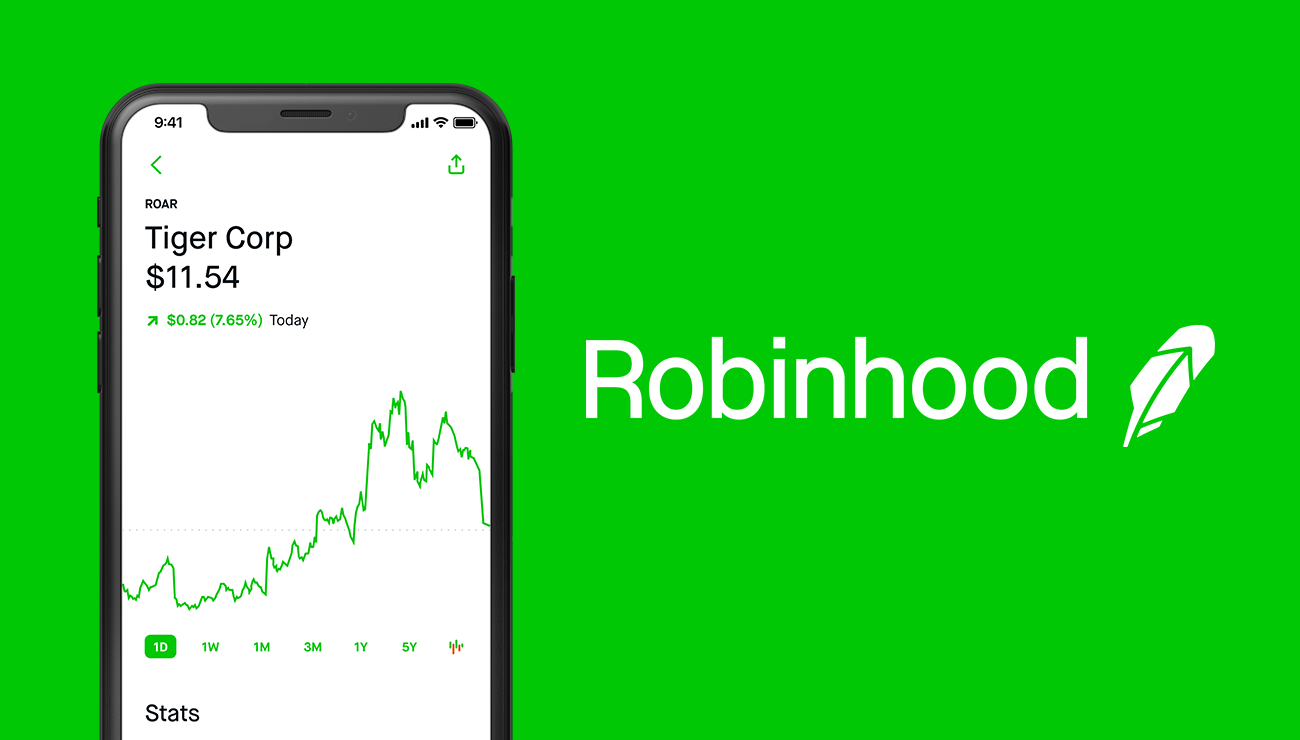
Central to Robinhood’s appeal is its intuitive and visually engaging mobile app. Designed with a clean, minimalist interface, it prioritized ease of use, making complex financial actions feel simple and approachable. The app’s design eschewed dense charts and jargon-filled menus in favor of clear visuals, real-time data, and straightforward transaction flows. Features like fractional share investing, which allows users to buy portions of expensive stocks for as little as $1, further lowered the barrier to entry, enabling diversification even with limited capital. This focus on user experience has been instrumental in attracting a younger, tech-savvy demographic, many of whom are first-time investors. The app’s design philosophy effectively transformed investing from a perceived chore into an accessible, almost effortless activity, aligning with modern digital consumption patterns.
Navigating the Robinhood Ecosystem: Products and Services
The Robinhood app has evolved significantly since its inception, expanding its suite of financial products and services to cater to a broader range of investor needs, while maintaining its core philosophy of accessibility.
Stocks, ETFs, and Options: Core Trading
The bedrock of Robinhood’s platform remains commission-free trading of individual stocks and ETFs. Users can easily search for companies, view basic financial data, track performance, and execute trades with a few taps. The ability to buy fractional shares further enhances this, allowing investors to build diversified portfolios even with small budgets. For those seeking more advanced strategies, Robinhood also provides access to options trading. While options carry higher risk, Robinhood simplifies the execution, making them accessible to users who might otherwise be intimidated by more complex platforms. The app provides basic educational resources to help users understand the fundamentals, though the responsibility for understanding the intricacies of options trading ultimately lies with the investor.
Cryptocurrency Trading: Expanding Digital Assets
Recognizing the surging interest in digital assets, Robinhood was an early mover in integrating cryptocurrency trading into its platform. Robinhood Crypto allows users to buy, sell, and hold a selection of popular cryptocurrencies like Bitcoin (BTC), Ethereum (ETH), Dogecoin (DOGE), and others, all commission-free. This integration means users can manage their traditional investments and crypto holdings within a single app, offering unparalleled convenience. While initially, it did not offer crypto wallets for transferring assets off the platform, Robinhood has since begun rolling out wallet functionality, allowing users greater control over their digital assets. This move positions Robinhood as a significant player in the retail crypto market, bridging the gap between traditional finance and decentralized digital currencies.
Cash Management and Retirement Accounts
Beyond active trading, Robinhood has expanded into more foundational personal finance services. Its Cash Management program offers users a competitive interest rate on uninvested cash held in their brokerage account, along with a debit card for spending. This effectively turns the brokerage account into a hybrid checking/savings account, adding a layer of utility. More recently, Robinhood introduced retirement accounts, specifically Individual Retirement Accounts (IRAs), allowing users to contribute to Roth or Traditional IRAs directly through the app. This is a crucial development for Robinhood, as it signifies a move towards becoming a more comprehensive financial platform, catering to long-term wealth building rather than just short-term trading. Furthermore, Robinhood Gold, a premium subscription service, offers benefits like instant deposits, professional research, and margin investing, catering to more active or capital-intensive traders.
Robinhood’s Influence and Controversies in Personal Finance
While Robinhood has undeniably democratized access to financial markets, its rapid growth and unique approach have also sparked considerable debate, raising questions about its impact on investor behavior and market stability.
Empowering Retail Investors: The Gamification Debate
Robinhood’s success is largely attributed to its appeal to retail investors, particularly younger demographics. The app’s user-friendly interface, push notifications, confetti animations for first trades, and curated lists of popular stocks have been lauded for “gamifying” investing. This approach has undeniably empowered millions to take control of their financial futures, breaking down psychological barriers to market participation. However, critics argue that this gamified experience can encourage speculative, short-term trading behaviors, rather than sound, long-term investment strategies. The ease of trading, coupled with the emotional highs and lows, can be addictive, potentially leading inexperienced investors to take on excessive risk without fully understanding the underlying principles or consequences.
Regulatory Scrutiny and User Protection
Robinhood’s rapid ascent has inevitably drawn the attention of financial regulators. The company has faced numerous inquiries and fines related to its business practices, particularly concerning its “payment for order flow” (PFOF) model – how it generates revenue by routing customer trades to market makers rather than charging commissions. While a common industry practice, the scrutiny often centers on whether PFOF incentivizes market makers to prioritize their own profits over obtaining the best execution price for retail customers. Furthermore, outages during periods of high market volatility, particularly in early 2020 and during the “meme stock” frenzy, highlighted concerns about platform stability and the potential for users to be locked out of critical trading decisions. These incidents have led to calls for enhanced investor protection and more robust regulatory oversight of app-based brokers.
The “Meme Stock” Phenomenon and Market Impact
Perhaps Robinhood’s most defining, and controversial, moment came during the “meme stock” saga of early 2021, centered around GameStop (GME) and AMC Entertainment (AMC). Robinhood’s platform became a primary conduit for a massive influx of retail investors coordinating through online forums like Reddit to drive up the prices of heavily shorted stocks, causing significant losses for institutional hedge funds. This event showcased the unprecedented collective power of retail investors, largely facilitated by accessible apps like Robinhood. However, when Robinhood temporarily restricted trading on certain volatile stocks due to increased clearinghouse deposit requirements, it faced immense backlash from users and politicians who accused it of market manipulation and protecting institutional interests. This incident underscored the complex interplay between democratized trading, market infrastructure, and the potential for systemic risk, leaving an indelible mark on Robinhood’s public perception.
Who is Robinhood For? Evaluating its Role as a Financial Tool
Given its unique features, controversies, and expansive offerings, discerning who Robinhood serves best as a financial tool is crucial for making informed investment decisions.
Appealing to the New Investor
Robinhood’s primary strength lies in its ability to attract and onboard new investors. For individuals who are just starting their investment journey, the app offers an unparalleled ease of entry. The commission-free model, fractional shares, and intuitive interface remove many of the initial hurdles and intimidation factors associated with traditional investing. It provides a low-cost, low-barrier way to gain exposure to the market, learn the basics of trading, and begin building wealth. The educational content, while foundational, helps beginners grasp core concepts. For young professionals or students looking to dip their toes into investing without committing significant capital or navigating complex brokerage platforms, Robinhood remains a highly attractive starting point.
Considerations for Experienced Traders
For more experienced traders or sophisticated investors, Robinhood presents a mixed bag. While the commission-free trading and access to options and crypto are appealing, the platform’s advanced analytical tools and research capabilities lag behind those offered by traditional full-service brokers. Experienced traders who rely on in-depth fundamental analysis, complex charting, and advanced order types might find Robinhood’s simplified interface limiting. The absence of certain asset classes, like mutual funds or bonds, might also be a drawback for those seeking a more diversified, long-term portfolio strategy beyond individual stocks and ETFs. For these users, Robinhood might serve as a supplementary platform for specific speculative plays or crypto exposure, rather than their primary brokerage.

Balancing Convenience with Risk Management
Ultimately, Robinhood is a powerful financial tool, but like any tool, its effectiveness depends on how it’s used. Its unparalleled convenience and accessibility come with the inherent responsibility of risk management. For users, it’s vital to understand that the ease of placing trades does not diminish the inherent risks of market investing. The platform encourages active trading, which can be detrimental if not approached with a clear strategy, disciplined risk assessment, and a thorough understanding of the underlying assets. Investors should leverage Robinhood’s features responsibly, prioritizing financial education, diversifying portfolios, and aligning their trading activities with their long-term financial goals and risk tolerance, rather than succumbing to the allure of speculative fads or emotionally driven decisions.
In conclusion, the Robinhood app is far more than just a trading platform; it represents a significant chapter in the ongoing evolution of personal finance and retail investing. By championing commission-free trading and an accessible user experience, it has successfully onboarded millions of new investors, fundamentally altering the financial landscape. While it has navigated its share of controversies and faced scrutiny over its business model and impact on investor behavior, its expansion into cash management and retirement accounts signals a maturity towards becoming a more comprehensive financial partner. For new investors, it serves as an invaluable gateway to the markets, while for experienced traders, it offers a convenient, low-cost option for specific strategies. As the financial world continues to digitalize, Robinhood’s legacy will undoubtedly be remembered as a catalyst that truly democratized finance, placing powerful investment tools directly into the hands of the everyday individual.
aViewFromTheCave is a participant in the Amazon Services LLC Associates Program, an affiliate advertising program designed to provide a means for sites to earn advertising fees by advertising and linking to Amazon.com. Amazon, the Amazon logo, AmazonSupply, and the AmazonSupply logo are trademarks of Amazon.com, Inc. or its affiliates. As an Amazon Associate we earn affiliate commissions from qualifying purchases.