
Doha, the glittering capital of Qatar, has rapidly transformed into a global nexus for business, culture, and tourism. This spectacular rise has propelled its hospitality sector into a fiercely competitive arena, where simply offering a bed is no longer enough. In this vibrant landscape, the question of “where to stay” transcends mere logistics; it becomes a choice deeply influenced by sophisticated brand strategies, meticulously crafted corporate identities, and highly targeted marketing efforts. This article delves into how various accommodations in Doha differentiate themselves, build compelling brand narratives, and strategically capture the hearts and minds of their diverse audiences through masterful branding.
Crafting Distinctive Brand Identities in Doha’s Luxury Sector
The luxury segment in Doha’s hospitality market is a testament to the power of deliberate brand positioning. Hotels vie for the attention of affluent travelers and discerning business executives by cultivating unique brand identities that speak to specific desires—be it a longing for cultural immersion or a preference for ultra-modern opulence.
The Allure of Heritage: Storytelling Through Traditional Design and Service
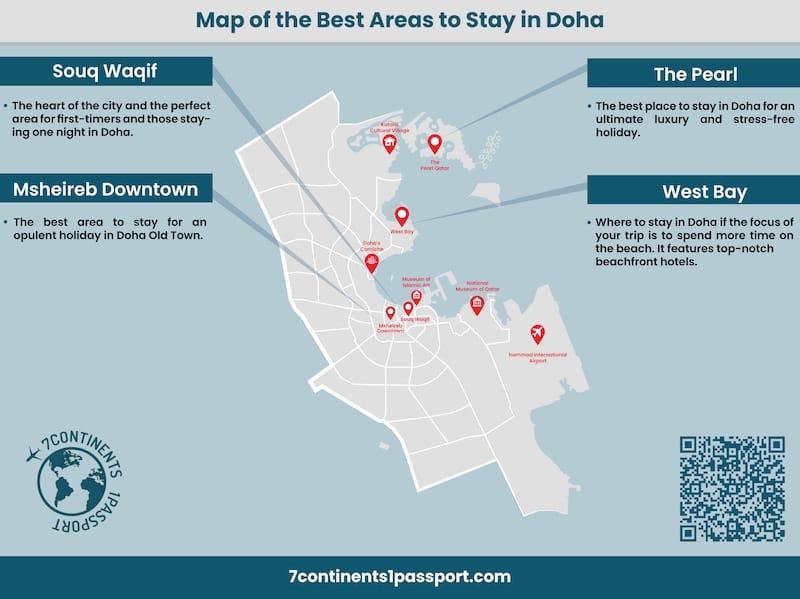
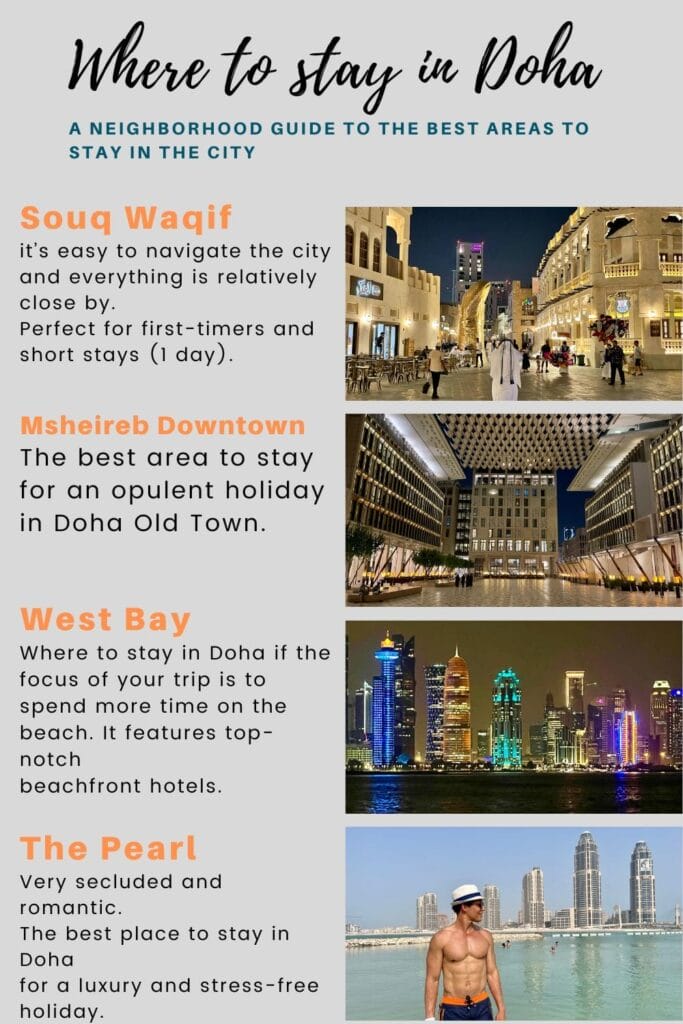
Some of Doha’s most iconic luxury properties have expertly carved out a niche by anchoring their brand identity in Qatari heritage and tradition. Hotels like those nestled within the vibrant Souq Waqif are prime examples. Their corporate identity is meticulously designed to evoke a sense of timeless elegance, authenticity, and cultural immersion. The architecture mirrors traditional Qatari buildings, with intricate details, courtyards, and warm, inviting aesthetics. This isn’t just interior design; it’s a fundamental aspect of their brand strategy, communicating a commitment to local culture.
Their marketing narratives often emphasize storytelling—tales of Bedouin hospitality, the historical significance of the souq, and the rich tapestry of Qatari life. Service philosophies are tailored to reflect traditional Qatari generosity and personalized care, becoming an intrinsic part of their brand promise. By focusing on an authentic, culturally rich experience, these hotels don’t just sell rooms; they market a journey back in time, a connection to the soul of Doha, appealing to travelers seeking more than just luxury—they seek meaning and a distinctive sense of place.
Modern Opulence: Defining a Brand Through Avant-Garde Design and Exclusive Experiences
In stark contrast, other luxury establishments in areas like West Bay or The Pearl embrace a brand identity synonymous with contemporary grandeur, cutting-edge design, and exclusive, curated experiences. These properties position themselves as beacons of modern luxury, targeting a clientele that values innovation, sophistication, and a cosmopolitan lifestyle. Their brand design is characterized by striking architectural statements, minimalist yet luxurious interiors, and state-of-the-art amenities.
The marketing of these establishments often highlights exclusivity, showcasing their panoramic skyline views, Michelin-starred dining experiences, bespoke wellness programs, and private access to pristine beaches or yacht marinas. Their corporate identity speaks to a forward-thinking, aspirational demographic. They don’t just offer luxury; they market a lifestyle, a statement of success, and an entry into an elite world of curated pleasures. Through meticulous design, service innovation, and targeted messaging, these brands define themselves as leaders in progressive luxury, appealing to those who seek the pinnacle of modern indulgence.
Mid-Market and Boutique Branding: Niche Positioning and Value Proposition
While the luxury sector often relies on grandeur, the mid-market and boutique segments in Doha are equally strategic in their branding, focusing on niche positioning and a clear value proposition to attract their specific target audiences.
Business First: Branding for the Corporate Traveler
Doha’s status as a burgeoning business hub means there’s a significant demand for accommodations catering specifically to the corporate traveler. Hotels in this category craft a brand identity centered on efficiency, connectivity, and seamless service. Their corporate identity emphasizes professionalism, reliability, and productivity. The design is often sleek, functional, and equipped with advanced technological infrastructure—high-speed internet, dedicated workspaces, and extensive meeting and conference facilities.
Their marketing strategy focuses on key benefits for business guests: convenient locations near business districts, express check-in/check-out, 24/7 business centers, and loyalty programs tailored for frequent corporate visitors. They don’t market lavishness but rather a promise of uninterrupted productivity, comfort, and discretion. The messaging revolves around making business travel effortless and effective, appealing directly to companies and individual professionals who prioritize utility and a strong return on their travel investment. This is about building a brand of trust and efficiency in a demanding corporate environment.
The Rise of Lifestyle Brands: Personalization and Community Building
A growing trend in Doha is the emergence of boutique and lifestyle hotels that differentiate themselves through unique design concepts, personalized service, and a focus on fostering a sense of community or local connection. These brands often possess a distinct personality, almost a form of personal branding for the hotel itself. Their design strategy involves curated aesthetics, often incorporating local art, bespoke furnishings, and thematic elements that tell a story.
Their marketing efforts target a demographic seeking unique, experiential stays—travelers who prefer character over conformity. They leverage social media to showcase their distinctive ambiance, promote local partnerships (e.g., with local artists, cafes, or tour operators), and highlight events that encourage guest interaction. The brand promise here is about authenticity, discovery, and a more intimate connection to Doha. This approach builds brand loyalty not just through comfort, but through the creation of memorable, shareable experiences that resonate with a specific, lifestyle-oriented audience.
Global Hospitality Chains in Doha: Consistency, Localization, and Brand Equity
The presence of major international hospitality chains in Doha is substantial, and their branding strategies offer fascinating case studies in leveraging global recognition while adapting to local nuances.
Leveraging Global Recognition: The Power of Established Brand Trust
Global hospitality giants like Marriott, Hilton, Accor, and IHG bring with them an enormous reservoir of brand equity and established trust. Their brand strategy is built on the promise of consistency, quality, and a predictable guest experience, regardless of location. For many international travelers, choosing a familiar brand offers a sense of security and reliability. Their marketing campaigns often highlight their global presence, extensive loyalty programs, and consistent service standards.
This pre-existing brand recognition significantly reduces the perceived risk for travelers and simplifies their decision-making process. The corporate identity of these chains is meticulously managed across continents, ensuring that core values and service levels are upheld. In Doha, they capitalize on this global reputation, attracting a broad spectrum of guests who value the assurance of an internationally recognized brand, from business travelers needing dependable service to families seeking familiar amenities.
Local Adaptation: Weaving Qatari Culture into International Brand Standards
Despite the benefits of global recognition, successful international chains in Doha understand the critical importance of local adaptation. This is where their brand strategy becomes nuanced. They face the challenge of integrating Qatari culture and hospitality traditions while maintaining their established global brand standards. This often involves incorporating local design elements, art, and culinary offerings into their properties.
Marketing efforts might showcase the blend of international luxury with authentic Qatari touches, demonstrating respect for local culture while still delivering a globally recognized experience. For example, local artwork might adorn their lobbies, Qatari-inspired dishes might be featured prominently on their menus, and staff might be trained in local etiquette and welcoming customs. This careful balance—a case study in sophisticated brand adaptation—allows them to appeal to both international guests seeking comfort in familiarity and those eager to experience local flavor, effectively broadening their market appeal without diluting their core corporate identity.
Digital Branding and the Evolving Customer Journey
In today’s interconnected world, a hotel’s digital presence is paramount to its brand strategy. The customer journey, from initial search to post-stay engagement, is heavily influenced by how effectively a brand communicates and engages online.
Visual Storytelling: Crafting an Engaging Online Presence
The first impression of a hotel in Doha often happens online. Effective digital branding relies heavily on visual storytelling to convey the brand’s essence, ambiance, and unique offerings. Hotel websites, social media platforms (Instagram, TikTok, Facebook), and online travel agency (OTA) listings are critical touchpoints. High-quality photography, immersive virtual tours, and engaging video content are essential tools for marketing and brand design. These visuals do more than just showcase amenities; they evoke emotions, illustrate the lifestyle offered, and convey the hotel’s corporate identity.
For example, a luxury hotel might use cinematic videos to highlight its exclusive experiences, while a boutique property might use vibrant, authentic imagery to emphasize its unique character and local charm. The narrative woven through these visuals helps potential guests envision their stay, solidifying the hotel’s brand perception long before arrival. This proactive visual communication is a cornerstone of modern digital branding, crucial for standing out in a crowded market like Doha.
Personalization and Relationship Marketing: Building Brand Loyalty Digitally
Beyond initial attraction, digital branding plays a vital role in fostering brand loyalty and long-term relationships. Hotels in Doha leverage data analytics and Customer Relationship Management (CRM) systems to personalize offers, streamline communication, and enhance the overall guest journey. Targeted email marketing campaigns, tailored promotions based on past preferences, and seamless integration of loyalty programs are all part of a sophisticated digital marketing strategy.
The aim is to move beyond transactional interactions to build emotional connections. Post-stay surveys, personalized thank-you notes, and proactive outreach for future bookings contribute to a continuous engagement cycle. This relationship marketing approach, facilitated by digital tools, transforms guests into brand advocates. By understanding and anticipating guest needs through data-driven insights, hotels can deliver a highly personalized experience that reinforces their brand promise and cultivates enduring loyalty in the competitive Doha market.
Future Trends: Innovating Hospitality Branding in Doha
As Doha continues to evolve, so too will the strategies employed by its hospitality brands. Staying ahead requires foresight and an agile approach to brand innovation.
Sustainability as a Core Brand Value
An increasingly critical trend in hospitality branding is the integration of sustainability as a core brand value. Modern travelers, particularly younger demographics, are more conscious of their environmental and social impact. Hotels in Doha are beginning to respond by branding themselves as eco-friendly or socially responsible. This isn’t just about PR; it involves genuine operational changes—reducing waste, conserving water, sourcing local produce, and supporting community initiatives.
The communication of these sustainable practices becomes a powerful marketing tool, resonating with a growing segment of conscientious travelers. Hotels that genuinely embed sustainability into their corporate identity and marketing messaging can gain a significant competitive advantage, building a brand image of responsibility and forward-thinking ethics. This shift positions them not just as places to stay, but as partners in creating a better future.
Experiential Branding Beyond the Stay: Curating Memorable Moments
The future of hospitality branding in Doha will increasingly move beyond just offering rooms and amenities to curating entire memorable experiences that become integral to the brand identity. This involves strategic partnerships with local attractions, event organizers, and cultural institutions to offer unique packages, curated tours, and exclusive access to events.
The hotel becomes a gateway to an enriched Doha experience, not just a place to sleep. A luxury hotel might brand itself through exclusive art exhibitions, while a lifestyle boutique might offer immersive cooking classes showcasing Qatari cuisine. This approach solidifies the brand as a provider of unforgettable moments, creating emotional connections that extend far beyond the duration of a guest’s stay. The marketing here focuses on the story of the experience rather than just the features of the property, transforming the hotel into a destination within itself.

Conclusion
The question of “where to stay in Doha” is inherently intertwined with the sophisticated world of brand strategy. From luxury behemoths leveraging heritage and innovation, to mid-market players crafting niche value propositions, and global chains balancing consistency with local adaptation, every successful accommodation in Doha is a testament to meticulous brand building. Through strategic corporate identity development, compelling design, and targeted marketing, these establishments don’t just offer shelter; they offer a carefully constructed brand experience. As Doha continues its ascent on the global stage, the art of hospitality branding will remain the crucial differentiator, ensuring that each property effectively communicates its unique story and captures its ideal audience in this dynamic and competitive market.
aViewFromTheCave is a participant in the Amazon Services LLC Associates Program, an affiliate advertising program designed to provide a means for sites to earn advertising fees by advertising and linking to Amazon.com. Amazon, the Amazon logo, AmazonSupply, and the AmazonSupply logo are trademarks of Amazon.com, Inc. or its affiliates. As an Amazon Associate we earn affiliate commissions from qualifying purchases.