
The Progressive Era, spanning roughly from the 1890s to the 1920s, was a period of widespread social activism and political reform across the United States. While often viewed through a broad lens of societal change, many of its core objectives were deeply intertwined with financial stability, economic equity, and the restructuring of business and financial systems. The era’s proponents aimed to address the economic inequalities and corporate excesses that emerged from rapid industrialization and unchecked capitalism, fundamentally reshaping the financial landscape for individuals, businesses, and the nation as a whole. From reining in monopolistic power to establishing a robust central banking system, the Progressive Era laid crucial groundwork for modern financial regulation and economic policy.

Reshaping Corporate Power and Market Dynamics
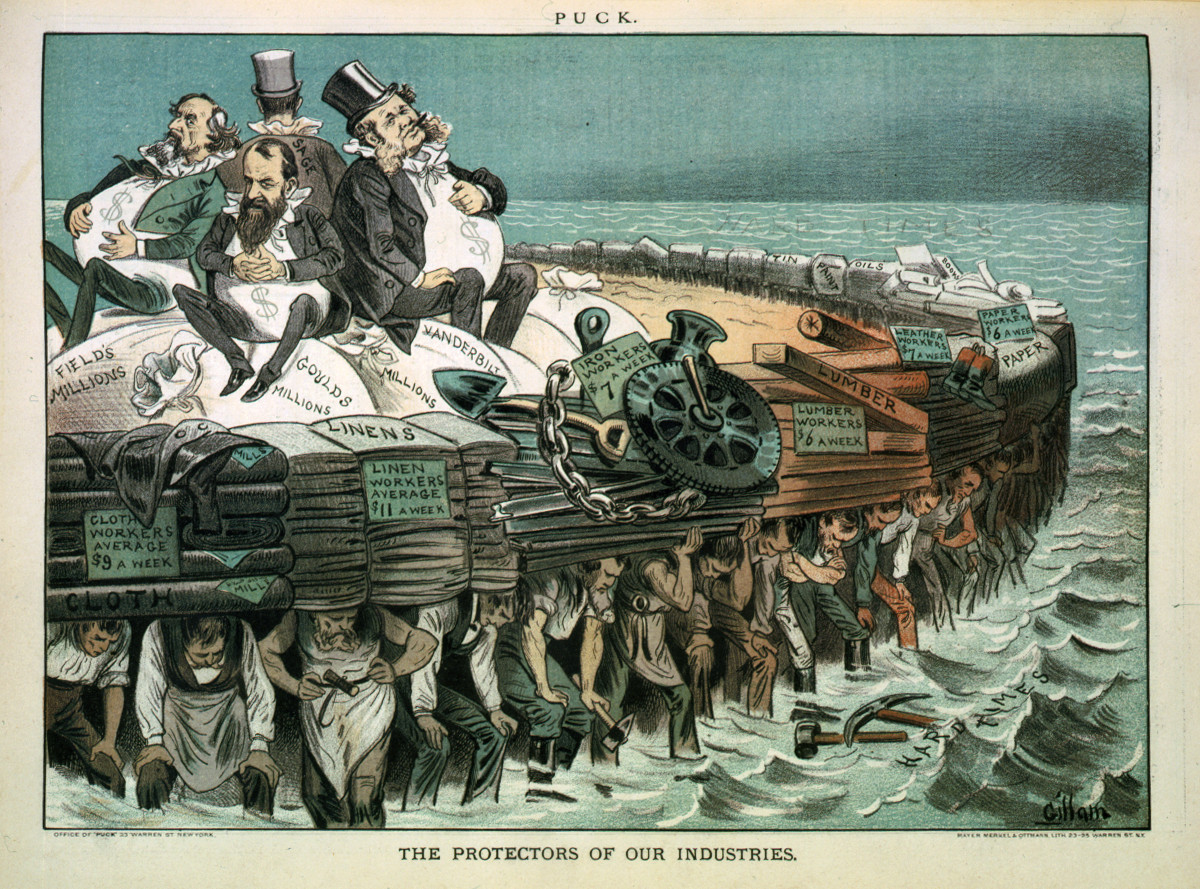
A primary concern of the Progressive Era was the concentration of economic power in the hands of a few large corporations, often referred to as “trusts” or monopolies. Progressives believed that these entities stifled competition, exploited consumers and laborers, and exerted undue influence over political processes. Their financial goals centered on dismantling these monopolies and fostering a more equitable and competitive marketplace.
Curbing Monopolies and Fostering Competitive Markets
The era saw significant legislative action aimed at breaking up trusts and promoting fair competition. The Sherman Antitrust Act of 1890, though initially underutilized, was vigorously enforced during the Progressive years, famously used by President Theodore Roosevelt to target railroad, oil, and tobacco monopolies. This was followed by the Clayton Antitrust Act of 1914, which further prohibited anti-competitive practices such as price discrimination, tying contracts, and the acquisition of competitors’ stock where it would substantially lessen competition.
From a financial perspective, the goal was to prevent artificial inflation of prices that harmed consumers’ purchasing power and to ensure that smaller businesses had a fair chance to compete. This not only protected the personal finances of ordinary citizens but also encouraged a more dynamic business environment, allowing capital to flow to innovative and efficient enterprises rather than being locked up by entrenched giants. For investors, it meant a shift from speculative gains driven by monopolistic control to returns based on genuine market performance and competitive advantage.
Standardizing Business Practices and Financial Reporting
The era also saw a push for greater transparency and ethical conduct in business. The egregious practices of some “robber barons” highlighted the need for regulation to protect both investors and the public. While comprehensive financial reporting standards were still decades away, the Progressive movement laid conceptual groundwork. Muckraking journalists exposed fraudulent schemes and unsafe practices, creating public demand for accountability. This nascent drive for transparency aimed to reduce systemic risk, protect individual investments, and foster a more trustworthy corporate environment where financial decisions were based on sound information rather than deceptive practices. It was an early step towards ensuring that business finance was conducted with a degree of public trust and oversight.
Strengthening Consumer Protection and Labor’s Financial Well-being
Another significant focus of the Progressive Era was to protect ordinary citizens from exploitation and ensure their economic security. This included safeguarding consumers from harmful products and improving the financial standing and working conditions of laborers.
Safeguarding Consumer Finances Through Product Regulation
Before the Progressive Era, consumers had little recourse against unsafe or fraudulently marketed products. Upton Sinclair’s “The Jungle” famously exposed the horrors of the meatpacking industry, leading directly to federal intervention. The Pure Food and Drug Act and the Meat Inspection Act, both passed in 1906, were landmark pieces of legislation. Financially, these acts aimed to protect consumers from incurring costs due to illness from contaminated food or ineffective/dangerous drugs. They ensured that consumers received genuine value for their money by guaranteeing product safety and accurate labeling, preventing deceptive marketing that could lead to financial losses or health expenditures. This was an early form of consumer protection that directly impacted household budgets and health-related financial burdens.
Elevating Labor Standards and Economic Security
The industrial age brought with it harsh working conditions, long hours, and low wages, often exploiting vulnerable populations including women and children. Progressive goals included improving the financial stability and safety of the workforce. While the idea of a federal minimum wage was still nascent, various states and localities began to experiment with wage standards. More broadly, the movement championed legislation to limit working hours (e.g., 8-hour workday), improve workplace safety, and restrict child labor.
From a financial perspective, these reforms aimed to increase the personal finance stability of working-class families. Eliminating child labor meant that adult workers could command better wages and reduce competition from cheaper labor. Improved safety standards reduced the financial burden of workplace injuries and deaths on families and public services. Better wages and working conditions contributed to increased household income, savings potential, and overall economic participation, bolstering the consumer base crucial for continued economic growth.
Architecting a Stable Financial and Monetary System
Perhaps one of the most profound and lasting financial legacies of the Progressive Era was the overhaul of the nation’s banking and monetary system. Repeated financial panics and the absence of a centralized authority to manage the money supply highlighted critical weaknesses in the existing structure.
Establishing the Federal Reserve for Economic Stability
Prior to 1913, the United States lacked a central bank, leading to periodic banking panics and volatile credit markets. The Aldrich-Vreeland Act of 1908 was a stopgap measure, but the landmark Federal Reserve Act of 1913 fundamentally transformed the financial landscape. Its creation established the Federal Reserve System, designed to provide the nation with a safer, more flexible, and more stable monetary and financial system.
Financially, the Fed’s primary goals were to manage the money supply, prevent future panics by acting as a “lender of last resort” to banks, and facilitate a stable credit environment. This directly impacted business finance by ensuring a consistent flow of capital for investment and growth, and it protected personal finance by safeguarding bank deposits and mitigating the risk of widespread financial collapse. The ability to influence interest rates and regulate banking became a critical tool for macroeconomic stability.
Implementing Progressive Taxation for Fairer Wealth Distribution
The 16th Amendment, ratified in 1913, enabled Congress to levy a federal income tax. This marked a significant shift in government finance and economic policy. Previously, federal revenue largely came from tariffs and excise taxes, which disproportionately affected lower and middle-income individuals. The progressive income tax, where higher earners paid a larger percentage of their income, was a core tenet of the Progressive movement’s financial goals.
The financial aim was two-fold: to provide the federal government with a stable and substantial source of revenue to fund public services and programs, and to address the growing wealth disparity by redistributing wealth more equitably. This impacted both personal finance (by making taxation fairer) and government finance (by creating a powerful tool for funding public infrastructure, regulation, and social welfare programs). It also represented an early recognition that concentrated wealth could destabilize society and the economy.
Regulating the Banking Sector to Protect Depositors and Investors
Beyond the Federal Reserve’s creation, Progressives advocated for stronger oversight of the banking industry itself. While deposit insurance (like the FDIC) came later during the New Deal, the Progressive Era saw calls for greater state and federal regulation to ensure the solvency of banks, prevent fraudulent practices, and protect depositors’ savings. The goal was to rebuild public trust in financial institutions, making saving and investing more secure for the average citizen. This contributed to a more robust financial system capable of supporting broader economic growth.
Fostering Business Efficiency and Resource Stewardship
Progressives also sought to apply scientific principles to management and resource allocation, aiming for greater economic efficiency and long-term sustainability.
Applying Scientific Management Principles to Boost Productivity and Profit
Inspired by figures like Frederick Winslow Taylor, the Progressive Era saw the rise of “scientific management” in industry. The goal was to optimize production processes, reduce waste, and improve efficiency. Financially, this directly aimed to increase the profitability of businesses by streamlining operations and maximizing output per unit of input. While sometimes criticized for dehumanizing labor, its proponents believed that greater efficiency would ultimately lead to lower costs for consumers and higher wages for more productive workers, thereby benefiting the overall economy. This focus on efficiency impacted business finance by driving innovation in production and supply chain management.

Conserving Natural Resources for Long-Term Economic Sustainability
The Progressive Era was also notable for its conservation movement, led by figures like Theodore Roosevelt. While often framed environmentally, conservation had significant economic underpinnings. The rapid exploitation of natural resources (forests, minerals, land) by unchecked industrial expansion raised concerns about future economic viability.
From a financial perspective, the goal of conservation was to ensure the long-term economic sustainability of the nation. Protecting natural capital, such as timber reserves, fertile lands, and water sources, was seen as crucial for future industry, agriculture, and general prosperity. Preventing resource depletion meant safeguarding future revenue streams and avoiding the potentially immense financial costs of environmental degradation. This foresight protected essential assets for future generations of businesses and citizens.
In conclusion, the Progressive Era’s goals, when viewed through the lens of finance and economics, were about bringing order, equity, and stability to a rapidly changing industrial economy. From regulating corporate power and protecting consumers and laborers to restructuring the financial system and promoting sustainable resource use, the era’s reforms were instrumental in shaping the financial frameworks that continue to underpin modern American society.
aViewFromTheCave is a participant in the Amazon Services LLC Associates Program, an affiliate advertising program designed to provide a means for sites to earn advertising fees by advertising and linking to Amazon.com. Amazon, the Amazon logo, AmazonSupply, and the AmazonSupply logo are trademarks of Amazon.com, Inc. or its affiliates. As an Amazon Associate we earn affiliate commissions from qualifying purchases.