
Understanding Full Coverage: A Foundation for Financial Prudence
Securing adequate car insurance is a fundamental component of sound personal finance, serving as a critical safeguard against significant financial outlays following an accident or other unforeseen events. When consumers seek “full coverage,” they are typically looking for a comprehensive suite of protections designed to shield their assets and mitigate financial risk. This isn’t a single type of policy but rather a strategic combination of coverages.
Deconstructing “Full Coverage”: What’s Included and Why It Matters
“Full coverage” typically encompasses three primary components: liability insurance, collision insurance, and comprehensive insurance. Each plays a distinct role in protecting your financial well-being.
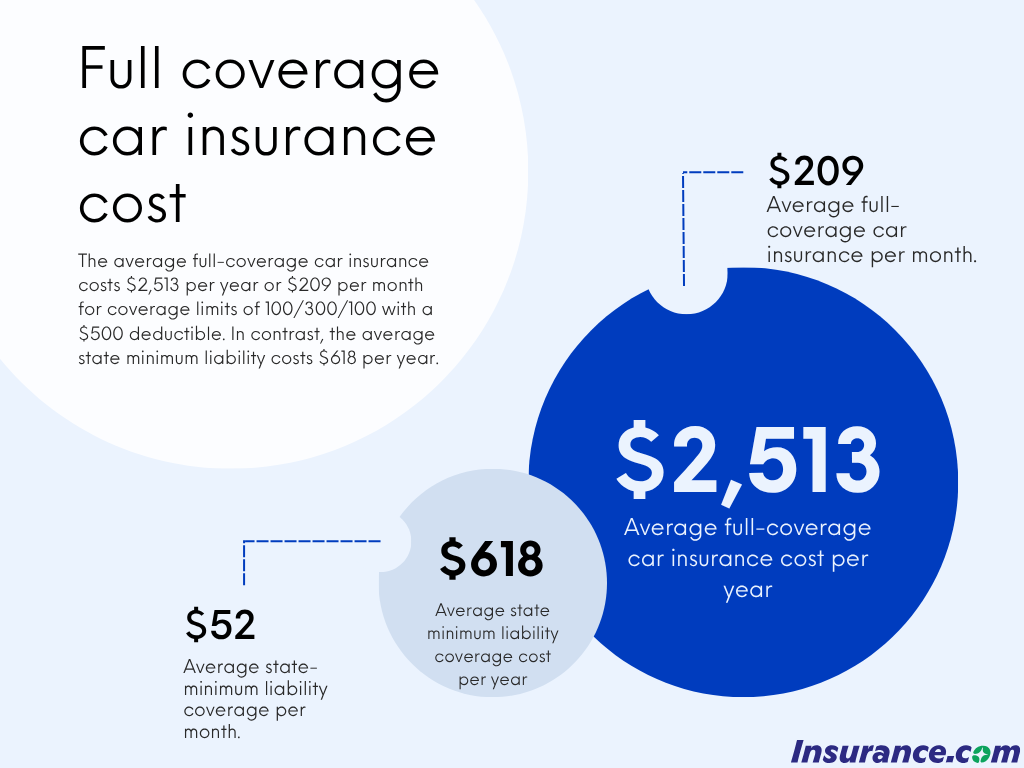
Liability Insurance: This is the bedrock of any car insurance policy and is legally mandated in most states. It protects you financially if you are at fault for an accident. It covers:
- Bodily Injury Liability: Pays for medical expenses, lost wages, and pain and suffering for others involved in the accident. Without sufficient liability coverage, you could be personally liable for these costs, potentially leading to financial ruin.
- Property Damage Liability: Covers damage to another person’s property, such as their vehicle, fences, or buildings. A low limit here could leave you footing a substantial bill for vehicle repairs or property replacement.
Collision Insurance: This coverage is designed to repair or replace your own vehicle if it is damaged in an accident, regardless of who is at fault. It covers incidents like hitting another car, colliding with an object (e.g., a tree or pole), or rolling over. For many, a car is a significant asset, and collision insurance protects that investment from the depreciative impact of an accident. If you have a loan or lease on your vehicle, your lender will almost certainly require collision coverage to protect their financial interest.
Comprehensive Insurance: While collision covers accidents, comprehensive insurance addresses a broader array of non-collision events that can damage your car. This includes theft, vandalism, fire, natural disasters (hail, floods), and collisions with animals. Like collision, it protects your vehicle as an asset against risks beyond your control, safeguarding your financial investment.
For most individuals, particularly those with newer vehicles or who rely heavily on their car for daily life, this combination of liability, collision, and comprehensive insurance represents the essential “full coverage” necessary to maintain financial stability in the face of automotive risks. It’s an investment in peace of mind and protection against potentially devastating financial liabilities.
The Financial Imperative of Robust Protection
The true value of comprehensive car insurance extends beyond mere compliance with legal requirements. From a personal finance perspective, robust full coverage is a critical risk management tool. Without it, a single significant accident could deplete savings, necessitate debt, or even lead to asset forfeiture. High medical bills from an at-fault accident or the cost of replacing a totaled vehicle without insurance can set back financial goals by years. Furthermore, lenders often mandate full coverage to protect their collateral, making it a necessary financial consideration for many vehicle owners.
Unraveling the Variables: What Drives Your Insurance Premiums?
The pursuit of the “cheapest” full coverage car insurance is complex because premiums are highly individualized. Insurers employ sophisticated algorithms to assess risk, translating various personal and external factors into a financial cost. Understanding these drivers is key to strategizing for lower rates.
Personal Profile and Driving Record: Your Financial Risk Score
Your personal characteristics and driving history are paramount in determining your insurance premium. Insurers view these elements as direct indicators of your likelihood to file a claim.
- Age and Gender: Younger, less experienced drivers, particularly males, often face higher premiums due to statistical data indicating a greater propensity for accidents. As drivers mature and gain experience, their rates typically decrease, assuming a clean record.
- Credit Score (where permitted by law): In many states, insurers use credit-based insurance scores as a predictor of claim likelihood. Individuals with higher credit scores are often statistically less likely to file claims, potentially qualifying them for lower rates. This highlights the interconnectedness of overall financial health and insurance costs.
- Driving History: A pristine driving record – free of accidents, speeding tickets, and other moving violations – is arguably the most influential factor in securing affordable rates. Each claim or violation signals increased risk to an insurer, leading to higher premiums. DUI/DWI convictions are particularly detrimental, often resulting in substantially elevated costs or even policy cancellation.
- Marital Status and Occupation: Married individuals often receive lower rates, as statistics suggest they are less likely to be involved in accidents. Certain occupations deemed lower risk by insurers may also qualify for discounts.
Vehicle Specifications and Geographical Nuances
The type of vehicle you drive and where you drive it significantly impact your full coverage costs.
- Make, Model, and Year: Sporty cars, luxury vehicles, and those with higher horsepower often incur higher premiums due to increased theft risk, higher repair costs, and a greater likelihood of being involved in high-speed accidents. Vehicles with excellent safety ratings and standard security features may qualify for discounts. The cost of parts and labor for repairs also plays a critical role.
- Location: Your ZIP code can dramatically affect your rates. Urban areas with higher traffic density, crime rates, and greater incidence of accidents or vandalism typically command higher premiums than rural areas. State-specific regulations and minimum coverage requirements also influence baseline costs.
Provider-Specific Underwriting and Market Dynamics
Each insurance company has its own proprietary underwriting models, risk assessment algorithms, and operational overheads. This means that two individuals with identical profiles could receive vastly different quotes from different providers. Some insurers might specialize in certain demographics (e.g., military personnel with USAA), while others might have a broader market appeal. Market competition and regional presence also influence pricing strategies, making comparison shopping an essential financial tool.
Strategic Pathways to Securing the Most Affordable Full Coverage
Finding the cheapest full coverage car insurance isn’t about compromising protection; it’s about optimizing your financial strategy. Several proactive steps can lead to significant savings without sacrificing necessary coverage.
The Non-Negotiable Step: Comprehensive Comparison Shopping
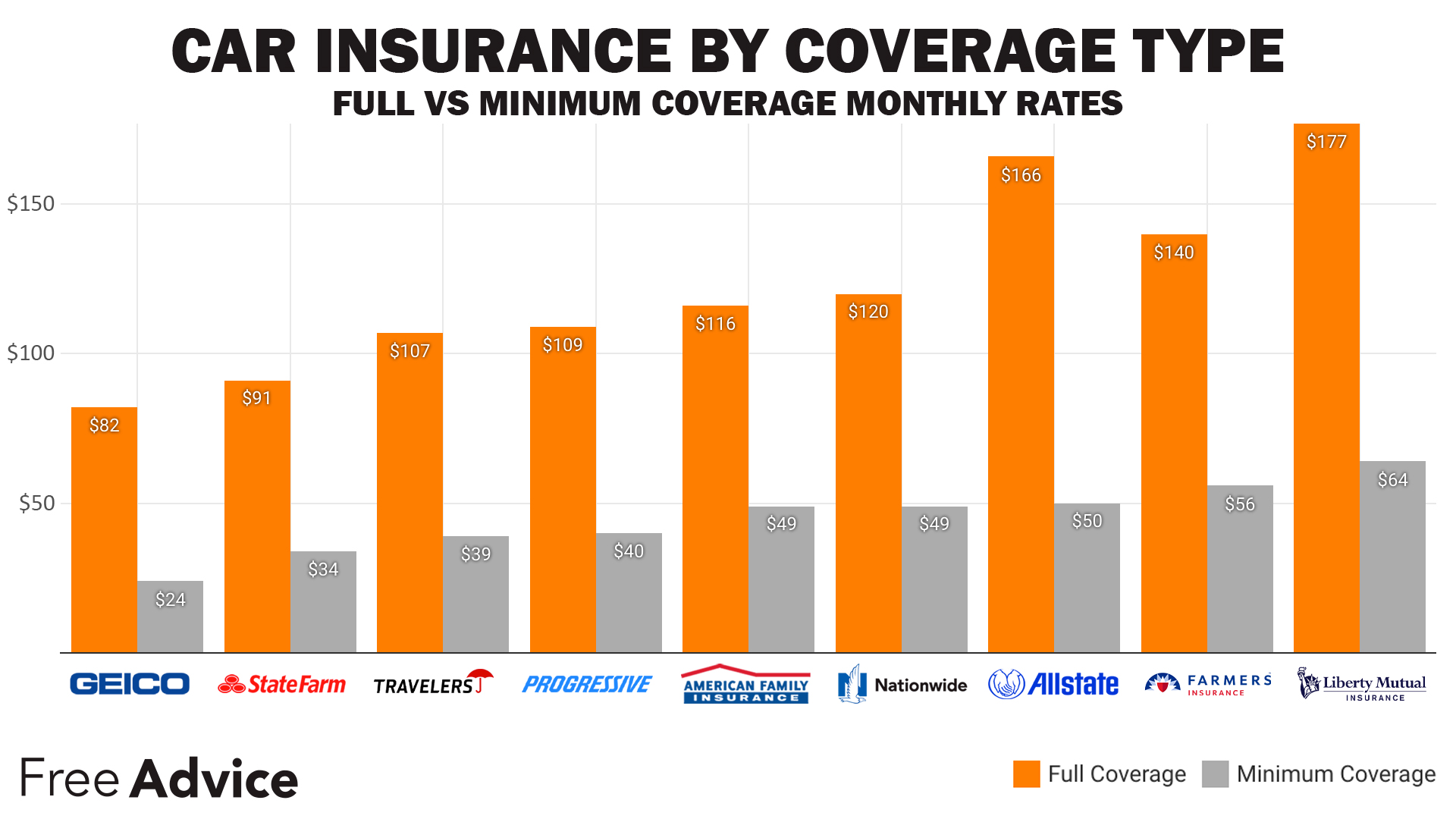
The single most effective strategy for finding affordable full coverage is to diligently compare quotes from multiple insurance providers. Because rates vary so widely based on individual circumstances and insurer-specific algorithms, relying on a single quote is akin to leaving money on the table.
- Online Aggregators: Websites like The Zebra, NerdWallet, or QuoteWizard allow you to enter your information once and receive multiple quotes from various carriers. These tools are excellent for an initial overview and quick comparisons.
- Direct Insurers: Major national carriers like GEICO, Progressive, State Farm, Allstate, and Farmers allow you to get quotes directly through their websites or via phone. Sometimes, direct quotes offer unique discounts or promotions not available through aggregators.
- Independent Agents: An independent insurance agent works with multiple carriers and can shop around on your behalf, often identifying policies and discounts you might miss. They offer personalized advice and can be particularly valuable for complex situations or hard-to-insure drivers.
Financial Tip: Aim to obtain at least 3-5 quotes every 6-12 months, or whenever significant life events occur (e.g., buying a new car, moving, getting married, turning a new age bracket).
Harnessing the Power of Discounts and Bundling Options
Insurance companies offer a plethora of discounts, and diligently pursuing these can substantially reduce your premium.
- Bundling Policies: One of the most common and effective discounts is bundling your auto insurance with other policies, such as home, renter’s, or even life insurance, with the same provider. This can often lead to savings of 10-25% on your combined premiums.
- Multi-Car Discount: Insuring multiple vehicles under the same policy with one company can also yield savings.
- Safe Driver Discounts: If you maintain a clean driving record for a specified period (e.g., 3-5 years), many insurers offer good driver discounts. Telematics programs, which monitor driving habits via an app or device, can provide further discounts for safe driving.
- Good Student Discount: Students with a high GPA can often qualify for lower rates, recognizing their perceived responsibility.
- Vehicle Safety Features: Cars equipped with anti-lock brakes, airbags, anti-theft devices, or driving assistance systems may qualify for discounts.
- Professional Affiliations: Certain professional organizations, alumni associations, or employers have partnerships with insurance companies that offer exclusive rates.
Financial Tip: Always ask about every available discount. Even small discounts can add up to significant annual savings.
Optimizing Deductibles and Payment Structures
Your policy’s deductible and how you pay can also influence your overall costs.
- Adjusting Your Deductible: Your deductible is the amount you pay out-of-pocket before your insurance coverage kicks in for collision and comprehensive claims. Opting for a higher deductible (e.g., $1,000 instead of $500) will lower your premium. However, this strategy requires you to have a corresponding emergency fund readily available to cover that deductible should a claim arise. This is a direct trade-off between premium cost and immediate financial exposure.
- Paying Annually or Semi-Annually: Many insurers offer a discount for paying your premium in full, rather than in monthly installments, which often incur service fees.
- Reviewing Coverage Limits: While full coverage is crucial, ensure your liability limits are appropriate for your assets. Carrying excessively high limits beyond what’s financially prudent for your net worth could mean overpaying. Conversely, never skimp on liability if you have significant assets to protect.
Top Contenders in the Pursuit of Affordable Full Coverage
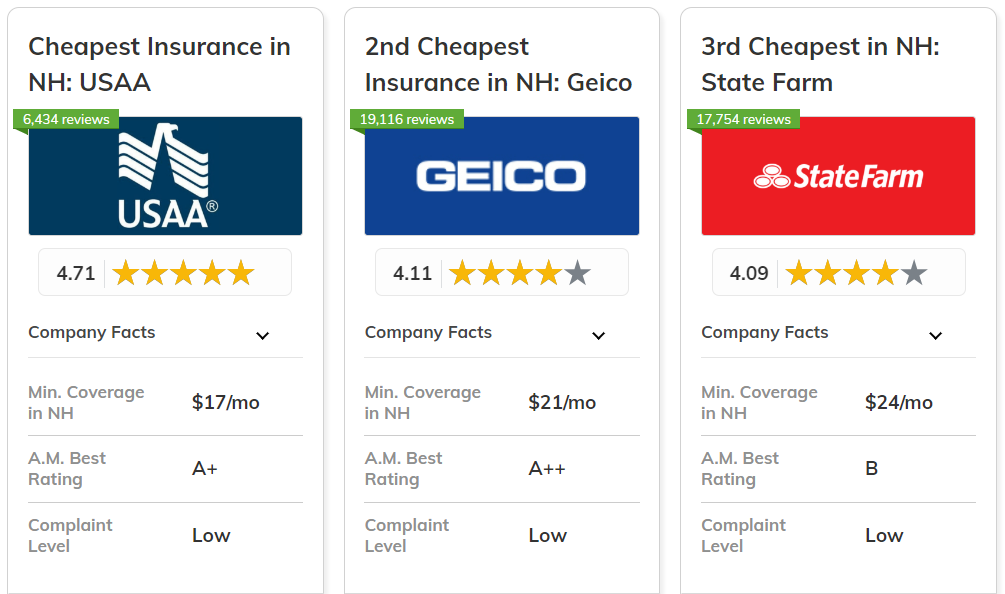
While there’s no single insurer that is “cheapest” for everyone, certain companies consistently rank high for competitive pricing and a wide array of discounts, making them strong candidates in the search for affordable full coverage.
Navigating the Landscape of Insurers: From Giants to Niche Providers
- Large National Carriers: Companies like GEICO, Progressive, State Farm, Allstate, and Farmers are household names for a reason. Their sheer size and extensive customer base often allow them to offer competitive rates and a broad range of discounts. They invest heavily in technology, allowing for quick online quotes and policy management. GEICO and Progressive, in particular, are known for their aggressive pricing models and extensive online presence, often appealing to drivers seeking quick, low-cost options.
- Membership-Based Insurers: USAA consistently receives top ratings for customer satisfaction and often offers excellent rates, but it is exclusively available to military members, veterans, and their families. If you qualify, USAA is almost always worth checking first.
- Online-First Insurers: Newer players and digitally focused brands sometimes have lower operational overheads, which they can pass on to consumers in the form of lower premiums.
- Regional Carriers and Local Specialists: Don’t overlook smaller, regional insurance companies or local providers. These insurers may have a deeper understanding of local risks and demographics, potentially offering highly competitive rates in specific areas that larger national carriers might overlook. An independent agent is often the best way to connect with these local options.
The Role of Independent Agents and Online Comparison Tools
Both independent agents and online comparison websites serve as invaluable financial tools in your quest for the cheapest full coverage. Independent agents provide personalized guidance and can act as your advocate, navigating complex policy options and identifying tailored solutions. Online comparison tools, on the other hand, empower you with speed and transparency, allowing for rapid evaluation of numerous quotes from the comfort of your home. It’s often most effective to leverage both: use online tools for initial screening and then consult with an independent agent to refine your options and ensure comprehensive coverage.
The Holistic View: Beyond Just the Cheapest Premium
While the pursuit of the lowest premium is a valid financial goal, it’s crucial to remember that “cheapest” is only truly beneficial if the insurance provides reliable financial protection when you need it most.
Balancing Price with Financial Strength and Service
A cheap policy that fails to deliver on its promise during a claim event is no bargain. Before committing to the lowest quote, investigate the insurer’s:
- Financial Stability: Check ratings from independent agencies like A.M. Best, Moody’s, or S&P. A strong financial rating indicates the company’s ability to meet its financial obligations, including paying claims.
- Customer Service and Claims Reputation: Read customer reviews, check J.D. Power rankings, and inquire about their claims process. A smooth, efficient claims process can save you immense stress, time, and potential additional financial burdens following an accident. Good service is a hidden value that can prevent further financial drain.
Regular Review: A Prudent Financial Habit
Your insurance needs and the market itself are not static. Life changes—such as getting married, purchasing a new vehicle, improving your credit score, moving to a new area, or even celebrating another birthday—can significantly impact your rates. Developing a habit of reviewing your full coverage policy annually, or whenever a major life event occurs, ensures that you continue to receive the best value for your financial protection. This proactive financial management can prevent you from overpaying and keep your full coverage aligned with your evolving needs and market conditions.
aViewFromTheCave is a participant in the Amazon Services LLC Associates Program, an affiliate advertising program designed to provide a means for sites to earn advertising fees by advertising and linking to Amazon.com. Amazon, the Amazon logo, AmazonSupply, and the AmazonSupply logo are trademarks of Amazon.com, Inc. or its affiliates. As an Amazon Associate we earn affiliate commissions from qualifying purchases.