
The quest to identify the “best” car insurance company is a journey fraught with complexity, as what constitutes optimal for one individual may be far from ideal for another. There’s no single, universally best provider; instead, the ideal choice is deeply personal, driven by a confluence of financial considerations, individual needs, driving habits, and risk tolerance. In the realm of personal finance, car insurance stands as a critical pillar, safeguarding assets and ensuring financial stability in the face of unforeseen incidents. Navigating this landscape requires a keen understanding of how insurance works, what factors influence costs, and how to assess a company’s financial reliability and value proposition beyond just the lowest premium.
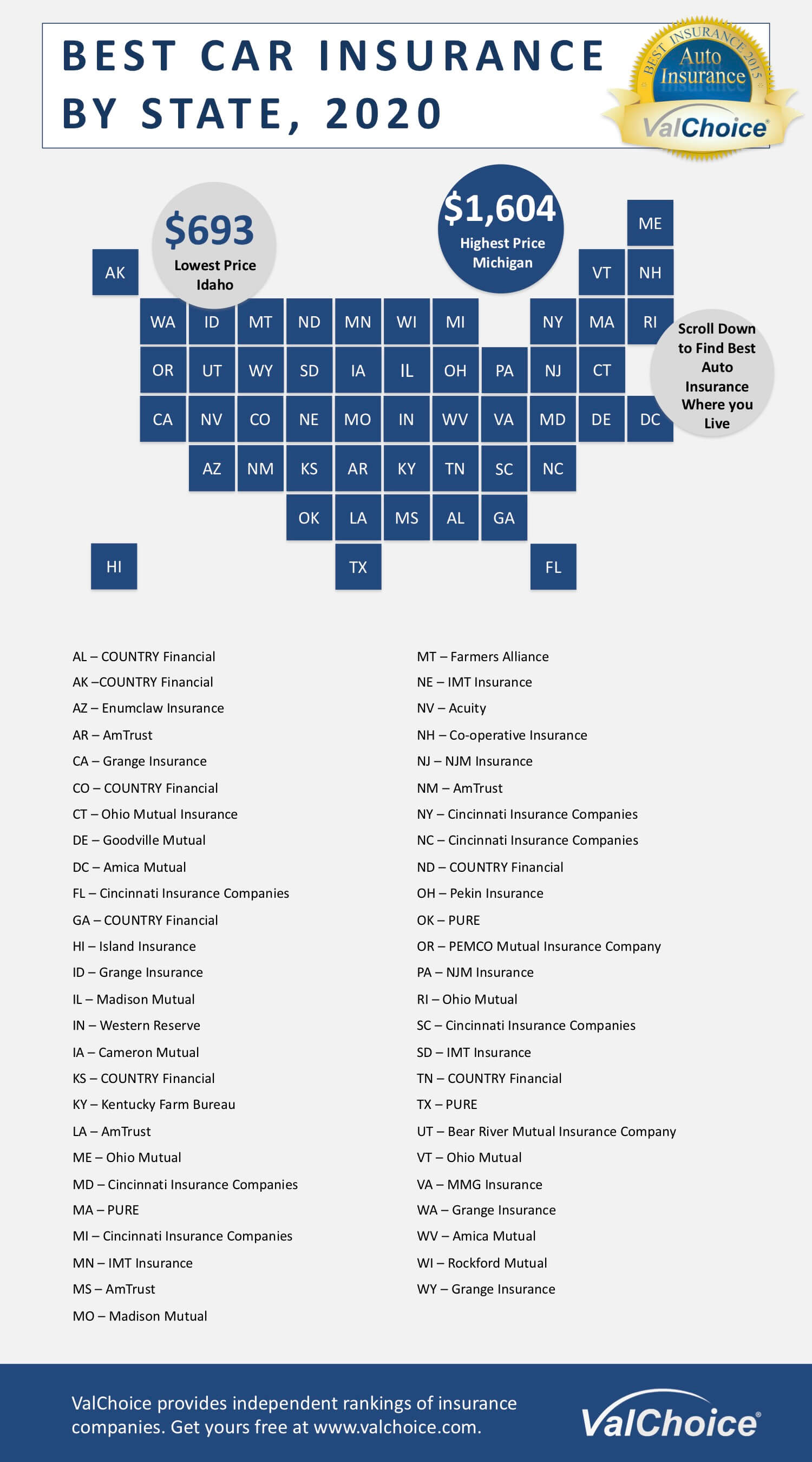
This article will delve into the intricacies of selecting a car insurance provider, focusing squarely on the financial implications and strategies for making an economically sound decision. We’ll explore the various elements that shape your premiums, equip you with tools to evaluate companies, and outline approaches to optimize your coverage without compromising financial security. The goal is to empower you to make an informed choice that aligns with your financial goals and provides genuine peace of mind.
Beyond the Price Tag: Understanding Car Insurance Value
While the premium — the amount you pay for coverage — is often the most immediate financial concern, it’s merely one piece of a larger puzzle when assessing the value of a car insurance policy. True value encompasses the scope of coverage, the efficiency of claims processing, the company’s financial stability, and the quality of customer service, all of which have direct or indirect monetary implications.
The Core Purpose of Car Insurance: Financial Protection
At its heart, car insurance is a financial safety net. It protects you from potentially catastrophic financial losses resulting from accidents, theft, or damage to your vehicle. Without adequate coverage, a single incident could lead to tens or even hundreds of thousands of dollars in out-of-pocket expenses for repairs, medical bills, legal fees, and property damage to others. Understanding this protective function is paramount; skimping on coverage to save a few dollars upfront can prove to be a devastating false economy in the long run. The “best” company, therefore, is one that reliably delivers on this promise of financial protection when you need it most.
Premium vs. Payout: A Balancing Act
The monthly or annual premium you pay is directly linked to the insurer’s assessment of the risk you pose and the potential cost of claims they might have to pay out on your behalf. A lower premium often corresponds to either less comprehensive coverage, higher deductibles (the amount you pay out-of-pocket before insurance kicks in), or a perceived lower risk profile. Conversely, a higher premium typically indicates broader coverage, lower deductibles, or a higher assessed risk. The balancing act involves finding the sweet spot where the premium is affordable, but the coverage limits and deductible levels offer sufficient financial protection without being excessive. Over-insuring can be a waste of money, but under-insuring is a gamble with your financial future.
Decoding Your Coverage Options and Their Costs
Car insurance policies are rarely one-size-fits-all. They comprise various types of coverage, each designed to address specific financial risks, and each contributing to the overall premium.
- Liability Coverage: Mandatory in most states, this covers damages and injuries you cause to others. It’s split into bodily injury liability (for medical expenses, lost wages, etc.) and property damage liability (for repairing or replacing property you damage). Higher limits provide more financial protection but increase premiums.
- Collision Coverage: Pays for damage to your own vehicle resulting from a collision, regardless of fault. This is optional if you own your car outright but usually required by lenders.
- Comprehensive Coverage: Protects your car from non-collision incidents like theft, vandalism, fire, natural disasters, or hitting an animal. Also optional but often required by lenders.
- Personal Injury Protection (PIP) or Medical Payments (MedPay): Covers medical expenses for you and your passengers, regardless of fault. PIP may also cover lost wages.
- Uninsured/Underinsured Motorist (UM/UIM) Coverage: Protects you if you’re hit by a driver who has no insurance or insufficient insurance to cover your damages.
Each of these components carries a cost. Understanding what each covers helps you determine which ones are essential for your financial security and which might be superfluous given your circumstances.
Key Factors Influencing Car Insurance Premiums
Insurance premiums are not arbitrarily set; they are the result of sophisticated actuarial calculations designed to predict the likelihood and potential cost of a claim. Numerous factors, both personal and vehicle-related, contribute to how much you’ll pay. Understanding these influences can help you optimize your financial outlay.
Personal Profile: Age, Driving Record, and Location
Your personal data plays a significant role in risk assessment.
- Age and Gender: Younger, less experienced drivers (especially males) typically face higher premiums due to statistically higher accident rates. As drivers gain experience and mature, premiums generally decrease.
- Driving Record: A clean driving record with no accidents or traffic violations is the single most powerful factor for lower premiums. Each infraction or at-fault accident can significantly increase your rates for several years.
- Credit Score: In many states, insurers use a credit-based insurance score (which differs from a standard credit score) to predict the likelihood of a claim. Statistically, individuals with higher credit scores tend to file fewer claims, leading to lower premiums. Maintaining good credit is a tangible way to save money on insurance.
- Location: Where you live and park your car influences rates. Urban areas with higher traffic density, crime rates (theft, vandalism), or severe weather patterns often have higher premiums than rural areas.
Vehicle Characteristics: Make, Model, and Safety Features
The car you drive is another major determinant of your insurance costs.
- Make, Model, and Year: Certain vehicles are more expensive to repair or replace, which directly impacts comprehensive and collision premiums. Luxury cars, sports cars, and those with high theft rates typically cost more to insure.
- Safety Features: Vehicles equipped with advanced safety features (e.g., automatic emergency braking, lane-keeping assist, anti-lock brakes, multiple airbags) can qualify for discounts because they reduce the likelihood or severity of accidents.
- Engine Size/Horsepower: More powerful engines are often associated with higher risk, leading to higher premiums.
Policy Details: Deductibles, Limits, and Add-ons
The specific choices you make when configuring your policy also directly affect the financial commitment.
- Deductibles: Opting for a higher deductible (e.g., $1,000 instead of $250) significantly reduces your premium because you’re agreeing to bear more of the initial repair cost yourself. This is a common strategy for financially stable individuals who can absorb the higher out-of-pocket expense in case of a claim.
- Coverage Limits: Setting higher liability limits provides greater financial protection but also increases your premium. It’s often a wise investment, especially if you have significant assets to protect.
- Add-ons and Endorsements: Features like roadside assistance, rental car reimbursement, gap insurance, or new car replacement coverage enhance your policy but come at an additional cost. Evaluate if the convenience and protection these offer are worth the extra expense for your specific situation.
Strategies for Identifying Top-Tier Car Insurance Providers
Finding the “best” company isn’t about finding the cheapest quote; it’s about finding the best value – robust coverage at a competitive price from a financially sound insurer that provides excellent service. This requires a systematic approach.
Leveraging Online Comparison Tools and Aggregators
The digital age has revolutionized how we shop for insurance. Online comparison websites and aggregators allow you to input your information once and receive multiple quotes from various insurers simultaneously. This is an invaluable first step for a quick financial overview of the market. While convenient, it’s crucial to remember that these tools may not include every insurer, and the quotes are often estimates. Always verify the final quote directly with the chosen insurer.
Analyzing Financial Strength and Reliability
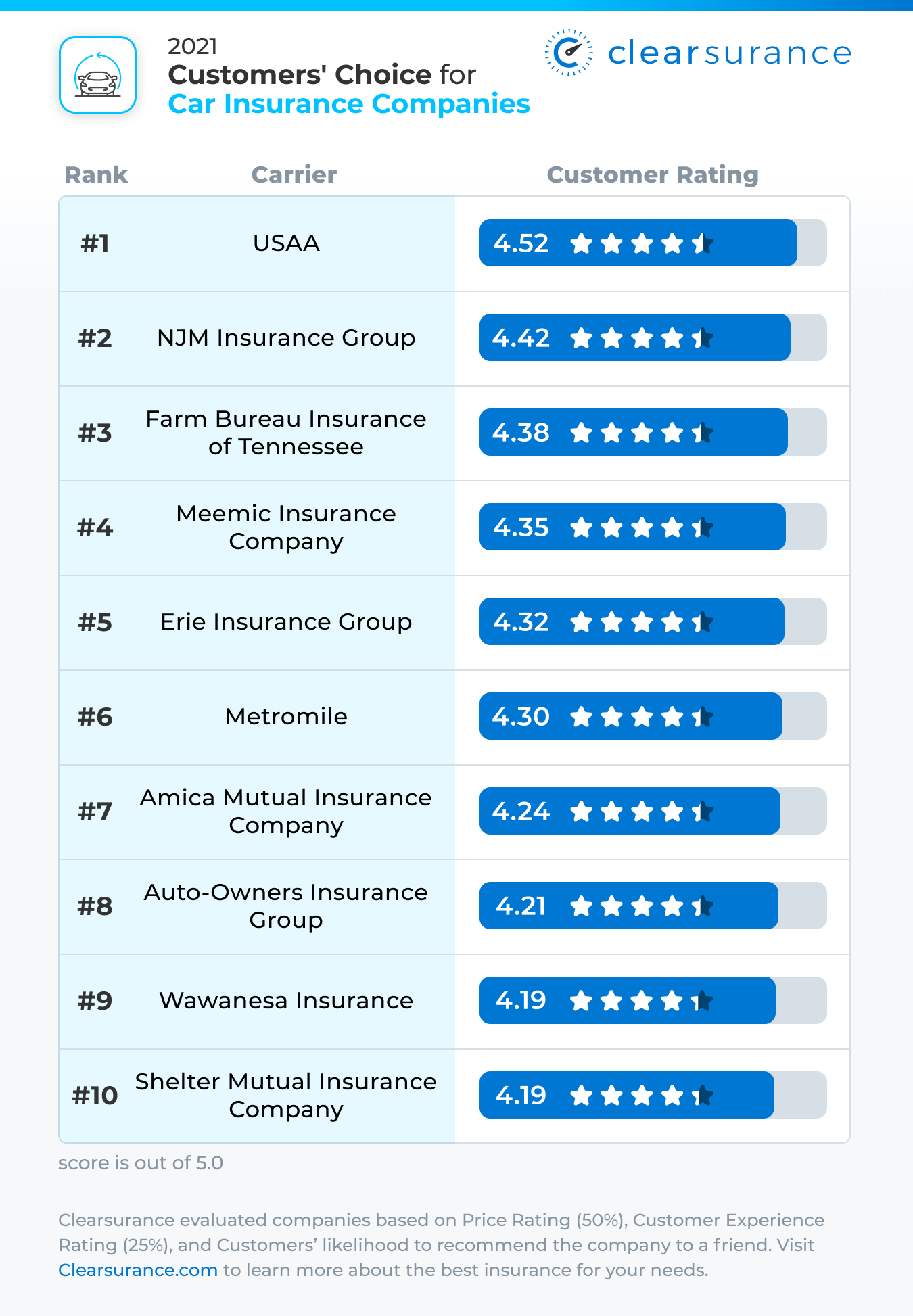
A company’s financial strength is paramount. What good is a policy if the insurer can’t pay out a large claim? Independent rating agencies like A.M. Best, Standard & Poor’s, and Moody’s assess the financial stability of insurance companies. Look for companies with high ratings (e.g., A+ or A++ from A.M. Best), which indicate a strong ability to meet their financial obligations to policyholders. This insight is a critical financial safeguard.
The Importance of Customer Service and Claims Handling
When an accident occurs, the true test of an insurance company isn’t its low premium, but its ability to efficiently and fairly process claims. Poor claims service can lead to significant financial stress, delays, and unexpected out-of-pocket costs.
- Responsiveness: How quickly do they respond to inquiries and initiate the claims process?
- Fairness: Are their adjusters fair in their assessments and settlement offers?
- Transparency: Do they clearly explain the process and your coverage?
- Ease of Process: Is the claims submission process straightforward, or is it bogged down in red tape?
These factors directly impact your financial experience during a stressful time.
Reading Reviews and Understanding Reputation
While individual experiences vary, aggregate customer reviews can provide valuable insights into an insurer’s service quality. Websites like J.D. Power, Consumer Reports, and the Better Business Bureau offer ratings and reviews on customer satisfaction, claims handling, and overall experience. Pay attention to consistent themes in negative reviews, especially those related to claim denials, slow payouts, or poor communication, as these point to potential financial frustrations.
Maximizing Savings and Optimizing Your Car Insurance Policy
Once you’ve identified potential top-tier providers, the next step is to strategically optimize your policy to ensure you’re getting the best possible value and minimizing your financial outlay without sacrificing essential protection.
Bundling Policies and Multi-Car Discounts
Many insurers offer significant discounts when you purchase multiple policies from them (e.g., car insurance and home insurance, or car insurance and renters insurance) or if you insure multiple vehicles under the same policy. Bundling can often lead to savings of 5-25% on your total insurance costs, making it a compelling financial strategy.
Telematics and Usage-Based Insurance Programs
Technology has introduced “usage-based insurance” (UBI) programs, where insurers use telematics devices (small devices plugged into your car’s diagnostic port or smartphone apps) to monitor driving habits such as mileage, speed, braking, and time of day driven. Safe drivers who opt into these programs can often receive substantial discounts based on their actual driving behavior rather than general statistics. This is an excellent way for good drivers to directly control their insurance costs.
Regular Policy Review and Re-Shopping
Insurance needs change over time. Your driving habits might evolve, you might move, your car might age, or new discounts could become available. It’s financially prudent to review your policy at least once a year, especially at renewal time. Don’t be afraid to re-shop the market every few years to ensure your current insurer is still offering the most competitive rates for your circumstances. Loyalty doesn’t always pay when it comes to insurance.
Boosting Your Credit Score (Indirect Impact)
As mentioned, your credit-based insurance score can impact your premiums in many states. By maintaining a good credit score through timely payments, managing debt, and monitoring your credit report for errors, you can indirectly contribute to lower insurance costs. This highlights the interconnectedness of various aspects of personal finance.
The Future Landscape of Car Insurance and Your Financial Planning
The car insurance industry is dynamic, with technological advancements constantly reshaping its future. Staying abreast of these changes can help you adapt your financial planning and insurance strategy.
Impact of Autonomous Vehicles and Advanced Safety Tech
As vehicles become more autonomous and incorporate advanced safety features, the nature of risk will shift. Fewer human errors could lead to fewer accidents, potentially lowering premiums for collision and liability coverage. However, the cost of repairing complex sensors and computer systems in these vehicles might increase comprehensive coverage costs. Insurers are still figuring out how to price this evolving risk.
Rise of Personalized and On-Demand Insurance
The trend toward personalization is accelerating. Beyond telematics, insurers are exploring highly customized policies that could offer coverage for specific trips, hours of use, or even “pay-as-you-drive” models that appeal to those who drive infrequently. This could offer significant financial savings for individuals with low mileage or flexible driving schedules.
Adapting Your Strategy for Long-Term Financial Security
Ultimately, selecting the best car insurance company is an ongoing process of financial due diligence. It means regularly assessing your needs, comparing providers, understanding the cost components, and leveraging available discounts and technologies. As your financial situation evolves, so too should your insurance strategy. By taking a proactive and informed approach, you can ensure that your car insurance serves its primary purpose: providing robust financial protection without becoming an undue burden on your personal finances. There isn’t one best company for everyone, but there is undoubtedly a best company for you at any given time, and finding it is a key component of sound financial management.
aViewFromTheCave is a participant in the Amazon Services LLC Associates Program, an affiliate advertising program designed to provide a means for sites to earn advertising fees by advertising and linking to Amazon.com. Amazon, the Amazon logo, AmazonSupply, and the AmazonSupply logo are trademarks of Amazon.com, Inc. or its affiliates. As an Amazon Associate we earn affiliate commissions from qualifying purchases.