
In a world filled with uncertainties, securing your financial future and safeguarding your assets is paramount. Insurance acts as a critical safety net, providing peace of mind and protection against unforeseen events that could otherwise lead to devastating financial consequences. From health emergencies and property damage to auto accidents and unexpected life changes, having the right insurance coverage is a cornerstone of sound personal finance. However, for many, the landscape of insurance can seem complex and overwhelming, leaving them wondering: “Where exactly do I get insurance?” This guide aims to demystify the process, exploring the various avenues available for acquiring essential insurance policies, empowering you to make informed decisions for your financial well-being.
Understanding Your Insurance Needs First
Before embarking on the journey to find insurance, it’s crucial to understand what you need to protect and why. A well-informed approach ensures you purchase coverage that is both adequate and cost-effective, preventing you from being underinsured or overinsured. This foundational step is arguably the most important, as it dictates the type and amount of coverage you’ll seek.
Assessing Personal and Family Risks
Every individual and family faces a unique set of risks. Begin by conducting a thorough personal risk assessment. Consider your current life stage, family structure, assets, liabilities, and lifestyle. Do you own a home, drive a car, or have dependents? What are your health conditions and financial responsibilities?
- Health Risks: Evaluate your health status, family medical history, and potential future healthcare needs. Do you have access to employer-sponsored health plans, or will you need to purchase individual coverage?
- Life Risks: If you have dependents, what would happen to their financial stability if you were no longer able to provide for them? This speaks directly to the need for life insurance.
- Property Risks: If you own a home, what are the risks of fire, theft, natural disasters, or liability claims from visitors? Renters also need to consider their personal belongings.
- Auto Risks: If you drive, what are the potential costs associated with accidents, vehicle damage, or liability to others?
- Income Risks: What if you become disabled and unable to work? Disability insurance can replace a portion of your income.
Differentiating Types of Insurance
The insurance market offers a wide array of products, each designed to address specific risks. Understanding the primary categories will help you narrow down your search.
- Health Insurance: Covers medical expenses, prescription drugs, and sometimes dental and vision care. Essential for everyone.
- Life Insurance: Provides a financial payout to beneficiaries upon the policyholder’s death, offering income replacement and debt coverage.
- Auto Insurance: Mandatory in most places, it covers damages and injuries in the event of a car accident.
- Homeowners/Renters Insurance: Protects your dwelling and personal property from perils like fire, theft, and natural disasters. Homeowners also covers liability.
- Disability Insurance: Replaces a portion of your income if you become unable to work due to illness or injury.
- Long-Term Care Insurance: Covers the costs of extended care services (e.g., nursing homes, in-home care) not typically covered by health insurance.
- Umbrella Insurance: Provides additional liability coverage beyond the limits of your homeowners and auto policies, offering broader protection against major claims and lawsuits.
Budgeting for Premiums
Insurance, while vital, comes at a cost – the premium. It’s essential to integrate insurance premiums into your overall financial budget. While you want adequate coverage, you also need to ensure the premiums are affordable without jeopardizing other financial goals. Sometimes, a higher deductible can lead to lower premiums, but means you’ll pay more out-of-pocket before insurance kicks in. Balancing coverage levels with affordability requires careful consideration and often, professional guidance.
Traditional Avenues for Acquiring Insurance
Once you’ve identified your insurance needs, the next step is to explore where to purchase these policies. The traditional routes offer various benefits, catering to different preferences for personal interaction and comparison shopping.
Independent Insurance Agents
Independent agents are a popular choice for many consumers. Unlike captive agents, independent agents work with multiple insurance companies.
- Pros: They can shop around on your behalf, comparing quotes and policies from several different insurers to find the best fit for your needs and budget. This often results in more competitive pricing and comprehensive coverage options. They offer personalized advice and can explain complex policy terms.
- Cons: While they represent multiple companies, they earn commissions, which might subtly influence their recommendations. Some smaller independent agencies might have a more limited selection of carriers.
Captive Insurance Agents
Captive agents, also known as exclusive agents, work for a single insurance company (e.g., State Farm, Allstate, Farmers).
- Pros: They possess deep expertise in their company’s specific product offerings, often providing detailed insights into policy features, discounts, and claims processes unique to their carrier. This can be beneficial if you are already familiar with and prefer a particular insurer.
- Cons: Their inability to offer quotes from competitors means you won’t get a market comparison from them directly. You would need to contact multiple captive agents from different companies yourself to compare.
Direct from Insurance Carriers
Many insurance companies allow consumers to purchase policies directly from them, either online or over the phone.
- Pros: This route can sometimes offer competitive pricing, as you bypass agent commissions. It provides convenience for those comfortable with self-service, allowing you to get quotes and purchase policies quickly from the comfort of your home. Many direct carriers have user-friendly websites and mobile apps.
- Cons: You miss out on the personalized advice and guidance an agent provides. If you’re unsure about the nuances of different policy types or coverage levels, it can be easy to make a mistake without expert consultation. You’re responsible for comparing multiple carriers yourself.
Employer-Sponsored Plans
For many, health insurance, and sometimes life or disability insurance, is offered through their employer.
- Pros: Employer-sponsored plans are often significantly more affordable because employers typically subsidize a portion of the premiums. They also offer convenience, with enrollment often integrated into HR processes. Group rates can lead to better coverage for less money than individual plans.
- Cons: The choices are often limited to a few specific plans selected by the employer. If you leave your job, you may lose your coverage or face higher COBRA costs. These plans might not always perfectly align with your individual needs, requiring supplementary private insurance.
Leveraging Digital Platforms and Online Resources
The digital age has revolutionized how we research and purchase insurance, introducing new efficiencies and comparison tools that empower consumers.
Online Insurance Marketplaces/Aggregators
Websites like Policygenius, EverQuote, SelectQuote, and The Zebra allow you to enter your information once and receive multiple quotes from various insurance providers.
- Pros: They offer unparalleled convenience for comparison shopping, saving significant time and effort. You can easily compare rates, coverage options, and deductibles side-by-side, helping you find potentially lower premiums. They often provide educational resources to help you understand different policies.
- Cons: While convenient, these platforms may not always include every insurance provider, especially smaller, local ones. The advice offered is typically generic, lacking the personalized touch of a dedicated agent. Data privacy can also be a concern, as you’re sharing your information with multiple entities.
Direct-to-Consumer Online Insurers
A new wave of insurance companies has emerged, operating exclusively online without traditional agents. Companies like Lemonade (renters/homeowners), Root (auto), or Oscar (health) leverage technology and data analytics to offer streamlined experiences.
- Pros: They often boast user-friendly apps, quick quote processes, and innovative approaches to claims handling (e.g., AI-driven claim processing). Their operational efficiencies can sometimes translate into more competitive pricing, particularly for specific demographics or risk profiles they target.
- Cons: As newer entrants, some may have shorter track records or less extensive product lines compared to established carriers. Their focus on digital interaction might not appeal to those who prefer face-to-face or phone-based service for complex questions or claims.

Financial Advisors and Planners
While not direct sellers of insurance themselves in most cases, certified financial planners (CFPs) or wealth managers play a crucial role in advising clients on their insurance needs.
- Pros: A good financial advisor integrates insurance into a broader financial plan, ensuring that your coverage aligns with your overall financial goals, investment strategies, and estate planning. They offer objective advice, helping you understand how different insurance policies fit into your complete financial picture. They can recommend specific types and amounts of coverage based on a holistic view of your finances.
- Cons: Financial advisors charge fees for their services, which can be an additional cost. While they advise on the need for insurance, they typically refer you to agents or brokers for the actual purchase, as most are not licensed to sell insurance products directly unless it’s a part of their specific business model.
Key Considerations When Choosing an Insurance Provider
The “where” is just one part of the equation; the “who” you choose to get your insurance from is equally vital. The reputation and reliability of your insurer are critical, especially when it comes time to file a claim.
Financial Stability and Reputation
You want an insurer that will be there when you need them most.
- Ratings: Check financial strength ratings from independent agencies like A.M. Best, Standard & Poor’s, Moody’s, and Fitch. These ratings assess an insurer’s ability to meet its financial obligations.
- Customer Reviews: Look at customer reviews and complaints with organizations like the Better Business Bureau or state insurance departments to gauge their customer service and claims handling reputation.
Coverage Options and Customization
Ensure the provider can offer policies that truly meet your unique needs.
- Flexibility: Does the insurer offer flexibility in deductibles, coverage limits, and optional riders (add-ons) that allow you to tailor the policy?
- Comprehensive Offerings: Can they bundle different types of insurance (e.g., home and auto) for potential discounts and administrative convenience?
Customer Service and Claims Process
The true test of an insurance company often comes during the claims process.
- Accessibility: How easy is it to contact them? Do they offer 24/7 support for claims?
- Efficiency: Research their reputation for timely and fair claims processing. A smooth, transparent claims experience can significantly reduce stress during a difficult time.
Price vs. Value
While price is a major factor, the cheapest option isn’t always the best.
- Value: Consider the overall value proposition, which includes the breadth of coverage, the insurer’s reputation, customer service, and claims efficiency, alongside the premium cost. A slightly higher premium for a highly-rated company with excellent service can be a worthwhile investment.
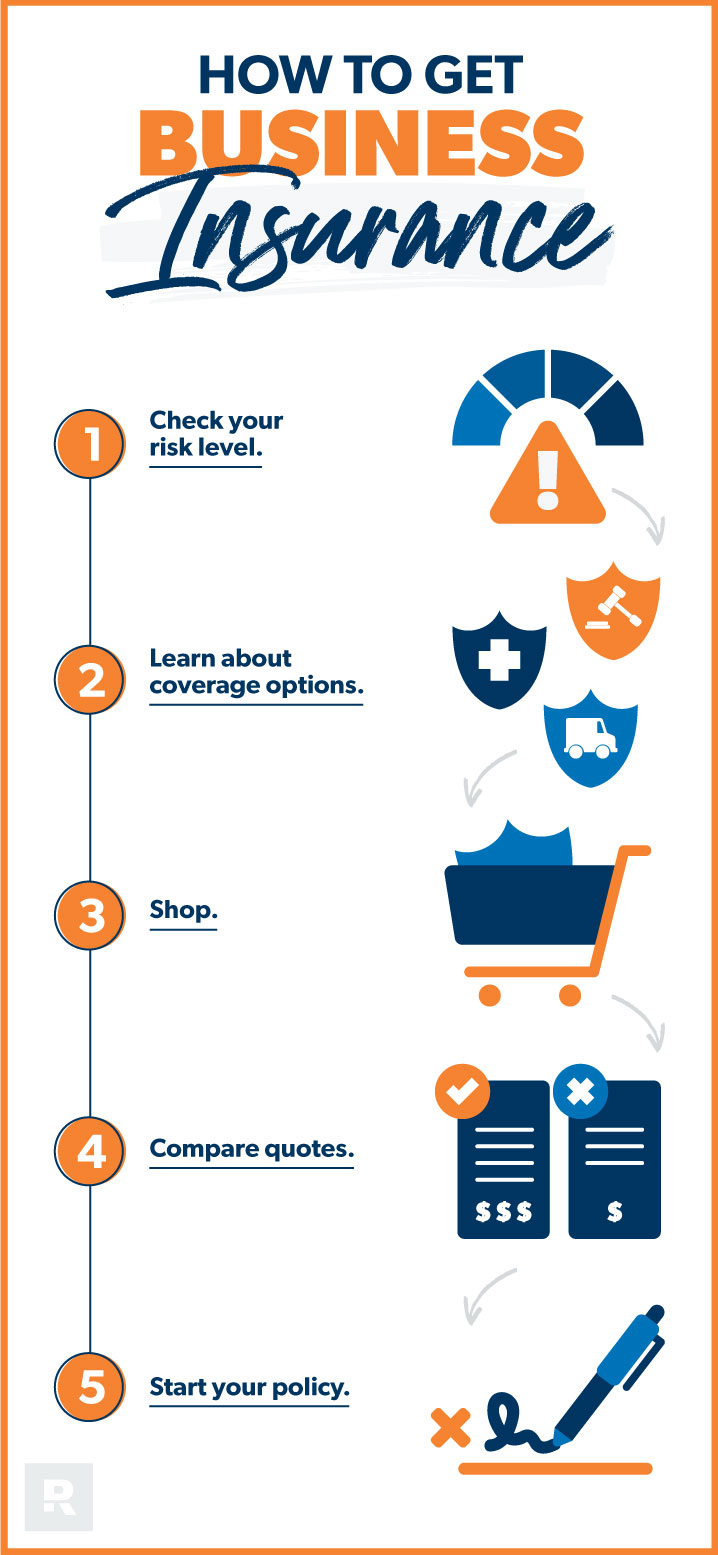
The Decision-Making Process: A Step-by-Step Approach
Finding the right insurance can feel like a daunting task, but by breaking it down into manageable steps, you can navigate the process effectively and confidently secure your financial protection.
1. Gather Your Information
Before seeking quotes, compile all necessary personal and financial information. This includes details about your assets (home, car, valuables), liabilities (debts), income, health history, driving record, and any existing policies. The more accurate and complete your information, the more precise your quotes will be.
2. Obtain Multiple Quotes
Whether you use an independent agent, online marketplace, or contact companies directly, always get at least three to five quotes for comparable coverage. This is the only way to genuinely compare prices and ensure you’re getting a competitive rate. Don’t just look at the bottom-line premium; compare the specifics of what each policy covers.
3. Review Policy Details Carefully
Once you have quotes, don’t just pick the cheapest. Read the fine print of each policy. Pay close attention to:
- Deductibles: The amount you pay out-of-pocket before insurance kicks in.
- Coverage Limits: The maximum amount the insurer will pay for a covered loss.
- Exclusions: Specific events or conditions that are not covered by the policy.
- Riders/Endorsements: Any optional additions that enhance or modify the standard policy.
4. Ask Questions
Do not hesitate to ask questions. If you’re working with an agent, leverage their expertise. If buying direct, utilize their customer service channels. Clarify any uncertainties about coverage, terms, discounts, and the claims process. A clear understanding of your policy is crucial.
5. Re-evaluate Periodically
Life is dynamic, and so should be your insurance coverage. Review your policies at least once a year, or whenever a significant life event occurs (e.g., marriage, birth of a child, home purchase, new job, retirement). Your needs will change, and your insurance should adapt accordingly to maintain optimal financial protection.

Conclusion
Navigating the world of insurance can seem complex, but by understanding your needs, exploring the various avenues for acquisition, diligently researching providers, and carefully reviewing policy details, you can make informed decisions that safeguard your financial future. Whether you opt for the personalized touch of an independent agent, the convenience of online platforms, or the benefits of employer-sponsored plans, the ultimate goal remains the same: to secure comprehensive and appropriate coverage. Proactive insurance planning is not merely an expense; it is a fundamental investment in your peace of mind and financial security, providing a robust shield against life’s unpredictable challenges.
aViewFromTheCave is a participant in the Amazon Services LLC Associates Program, an affiliate advertising program designed to provide a means for sites to earn advertising fees by advertising and linking to Amazon.com. Amazon, the Amazon logo, AmazonSupply, and the AmazonSupply logo are trademarks of Amazon.com, Inc. or its affiliates. As an Amazon Associate we earn affiliate commissions from qualifying purchases.