
Plasmids, those seemingly simple circular snippets of DNA, are far more than just biological curiosities. In the realm of cutting-edge science and technology, they serve as indispensable tools, driving innovation across a spectrum of fields. While their origins lie in the fundamental mechanisms of life, their applications have expanded exponentially, profoundly impacting areas as diverse as technological advancement, brand development in the life sciences, and even the financial landscape through biotech investments and the economic potential of genetic engineering. This exploration delves into the multifaceted uses of plasmids, revealing their critical role in shaping our present and future.

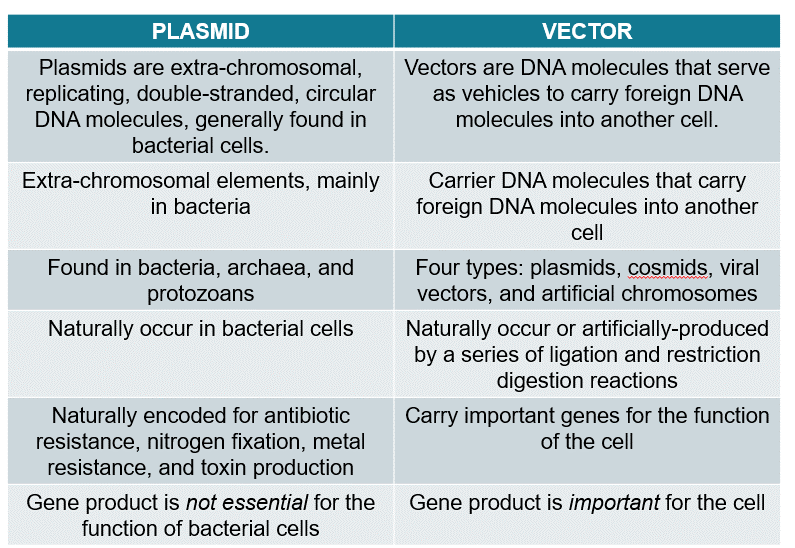
The ubiquitous presence of plasmids in bacteria, and even in some eukaryotes, has been a boon to scientific discovery. These extrachromosomal DNA molecules are self-replicating, meaning they can multiply independently of the host cell’s main genome. This inherent ability makes them ideal vehicles for carrying and expressing foreign genetic material, a concept that forms the bedrock of modern molecular biology and biotechnology.
The Foundational Power of Plasmids in Biotechnology
At their core, plasmids are biological workhorses, providing scientists with a way to manipulate and understand genetic information. Their ease of manipulation in the lab, coupled with their ability to replicate within host organisms, makes them central to a vast array of biotechnological processes.
Gene Cloning and Amplification: The Blueprint Copy Machine
One of the most fundamental applications of plasmids is in gene cloning and amplification. Imagine needing to make millions of copies of a specific gene – perhaps one that codes for a therapeutic protein or an enzyme used in an industrial process. Plasmids act as biological photocopiers. Scientists can insert the gene of interest into a plasmid vector, a specially engineered plasmid designed for cloning. This recombinant plasmid is then introduced into a host organism, typically E. coli bacteria, which are then cultured in large quantities. As the bacteria multiply, they also replicate the plasmids, effectively making countless copies of the inserted gene.
This process is crucial for:
- Producing proteins for medicine: Many life-saving drugs, such as insulin for diabetes or growth hormones, are produced using recombinant DNA technology. The genes for these proteins are cloned into plasmids and expressed in bacteria, which then churn out large quantities of the desired therapeutic.
- Developing diagnostic tools: Genes encoding specific antigens or antibodies can be cloned into plasmids to create diagnostic kits for identifying diseases.
- Research and development: For scientists studying gene function, cloning genes into plasmids allows them to isolate, study, and even modify specific genetic sequences.
Protein Expression: Manufacturing Biological Machinery
Beyond simply copying genes, plasmids are essential for expressing them, meaning they can direct the host cell to produce the protein encoded by the inserted gene. Plasmids designed for expression contain regulatory elements, such as promoters and terminators, that control when and how much of the gene is transcribed into RNA and subsequently translated into protein.
This ability to produce specific proteins in large quantities has revolutionized industries:
- Pharmaceuticals: As mentioned, the production of therapeutic proteins is a cornerstone. Plasmids enable the large-scale manufacturing of these complex molecules, making treatments more accessible and affordable.
- Industrial enzymes: Enzymes used in detergents, food production, and biofuels are often produced using genetically modified organisms containing plasmids that express these enzymes. This leads to more efficient and sustainable industrial processes.
- Agriculture: Plasmids can be used to introduce genes into plants that confer traits like pest resistance or improved nutritional value.
Gene Therapy: Repairing and Replacing Genetic Defects
The potential of plasmids in gene therapy is immense and rapidly developing. Gene therapy aims to treat diseases by correcting or replacing faulty genes. Plasmids can be engineered to carry therapeutic genes and deliver them into target cells within the body. While viral vectors have historically dominated gene therapy research, non-viral methods, including the use of plasmids, are gaining traction due to their perceived safety and ease of production.
- mRNA vaccines: A prime example of plasmid technology in action is in the development of mRNA vaccines, such as those for COVID-19. Plasmids are used to create the DNA template that is then transcribed into mRNA. This mRNA, when introduced into the body, instructs cells to produce a specific protein (like the spike protein of the virus), triggering an immune response. This represents a significant leap in how we develop vaccines and potentially treat other diseases.
- In vivo gene editing: Future applications may involve using plasmids to deliver gene-editing tools like CRISPR-Cas9 directly into cells to correct genetic mutations responsible for inherited disorders.
Plasmids: Shaping Brands and Driving Economic Value
The impact of plasmids extends beyond the laboratory bench, influencing the Brand and Money aspects of the scientific and technological landscape.
Building Brands in the Biotech Frontier
In the competitive world of biotechnology, the ability to develop and deploy innovative technologies is intrinsically linked to brand building. Companies that harness plasmid technology effectively can establish themselves as leaders in their respective fields.
- Innovation as a brand differentiator: A company’s successful development of a novel therapeutic protein produced via plasmid expression, or a new gene therapy approach utilizing plasmids, becomes a powerful branding tool. It signals their commitment to scientific advancement and their capacity to deliver groundbreaking solutions.
- Intellectual property and market exclusivity: Patents on specific plasmid constructs, expression systems, or therapeutic applications derived from plasmid technology are crucial for establishing market dominance and building a strong brand identity. This intellectual property protection allows companies to recoup their research and development investments and build a sustainable business.
- Reputation through impact: The ultimate branding for a biotech company is its impact on human health and well-being. Companies that successfully use plasmids to bring life-saving drugs, effective vaccines, or novel diagnostic tools to market build a reputation for reliability, innovation, and positive societal contribution. This positive reputation is invaluable for attracting investment, talent, and customer trust.
- Storytelling through scientific breakthroughs: The narrative of scientific discovery and the tangible benefits derived from plasmid technology can be powerful marketing tools. Highlighting the journey from laboratory innovation to real-world impact creates compelling stories that resonate with investors, stakeholders, and the public, solidifying the company’s brand image.
Driving Financial Growth and Investment Opportunities
The economic implications of plasmid technology are substantial, creating significant investment opportunities and driving financial growth in the biotech sector.
- Investment in R&D: The development of new plasmid-based therapies, vaccines, and agricultural products requires significant research and development investment. Venture capital firms and institutional investors actively seek out companies with promising plasmid-related pipelines, recognizing the potential for high returns.
- Market capitalization of biotech firms: Companies specializing in recombinant DNA technology, gene therapy, and vaccine development, often built upon plasmid platforms, command substantial market capitalizations. Their success directly translates to shareholder value and contributes to the overall economic output of the biotechnology sector.
- The rise of synthetic biology: Plasmids are a cornerstone of synthetic biology, a field that aims to design and construct new biological parts, devices, and systems. This burgeoning field is poised to create entirely new industries and revenue streams, from novel biomaterials to bio-based chemicals and fuels. Investment in synthetic biology companies often hinges on their mastery of plasmid engineering.
- Economic impact of improved healthcare: The ability to produce more effective and accessible medicines through plasmid technology has a direct positive impact on healthcare economics. Reduced disease burden, shorter hospital stays, and improved quality of life for patients translate into significant cost savings for healthcare systems and greater economic productivity for individuals.
- Personal finance and investment diversification: For individuals interested in personal finance and investing, understanding the role of plasmids in biotech innovation can inform their investment decisions. Investing in publicly traded biotechnology companies or specialized biotech exchange-traded funds (ETFs) can offer exposure to this high-growth sector, driven by advancements in genetic engineering and plasmid applications.
The Future Trajectory: Next-Generation Plasmids and Beyond
The evolution of plasmid technology is far from over. Researchers are continuously developing more sophisticated plasmid vectors with enhanced capabilities and exploring novel applications.
Precision Engineering and Enhanced Control
Future plasmid designs are likely to feature:
- Improved targeting: Developing plasmids that can specifically target certain cell types or tissues within the body will be crucial for more effective and safer gene therapies.
- Tunable expression: Plasmids with the ability to precisely control the level and timing of protein expression will allow for finer regulation of biological processes.
- Self-amplifying systems: Research is ongoing to develop plasmids that can amplify their own genetic material within the host cell, leading to even higher yields of desired proteins or more potent gene delivery.

Expanding Applications in Diverse Fields
The applications of plasmids are expected to diversify further:
- Bioremediation: Plasmids could be engineered into microorganisms to break down pollutants and clean up environmental contamination.
- Bio-manufacturing: Beyond pharmaceuticals, plasmids could be used to engineer organisms for the production of a wide range of valuable compounds, from flavors and fragrances to advanced materials.
- Agriculture and food security: Continued development of genetically modified crops using plasmids to enhance yield, nutritional content, and resistance to environmental stressors will be critical for global food security.
In conclusion, plasmids are far more than just small circles of DNA; they are the fundamental building blocks of modern biotechnology, driving innovation across the Tech, Brand, and Money landscapes. Their ability to carry and express genetic information has empowered us to develop life-saving medicines, create sustainable industrial processes, and even design novel vaccines. As research continues to push the boundaries of what’s possible, the humble plasmid promises to remain at the forefront of scientific discovery and technological advancement, shaping our world in ways we are only beginning to comprehend. The ongoing exploration and application of plasmid technology represent a compelling narrative of scientific ingenuity, economic opportunity, and the ever-expanding potential of life itself.
aViewFromTheCave is a participant in the Amazon Services LLC Associates Program, an affiliate advertising program designed to provide a means for sites to earn advertising fees by advertising and linking to Amazon.com. Amazon, the Amazon logo, AmazonSupply, and the AmazonSupply logo are trademarks of Amazon.com, Inc. or its affiliates. As an Amazon Associate we earn affiliate commissions from qualifying purchases.