
Navigating the landscape of personal finance often brings seemingly simple questions with nuanced answers. One common query, particularly when cash is needed, revolves around ATM withdrawal limits. For customers of PNC Bank, understanding “how much can I withdraw from a PNC ATM” is crucial for effective financial planning and immediate cash access. This article delves into the specifics of PNC’s ATM withdrawal policies, the factors that influence these limits, and strategies for managing your cash needs efficiently and securely.
In an increasingly cashless society, the role of ATMs remains significant for countless transactions, from small purchases at cash-only establishments to tipping service providers or simply having emergency funds readily available. However, banks impose withdrawal limits for various reasons, primarily centered on security, risk management, and ensuring liquidity. For PNC account holders, these limits are not arbitrary but are designed to protect both the customer and the institution, preventing large-scale fraud and maintaining the bank’s operational stability.
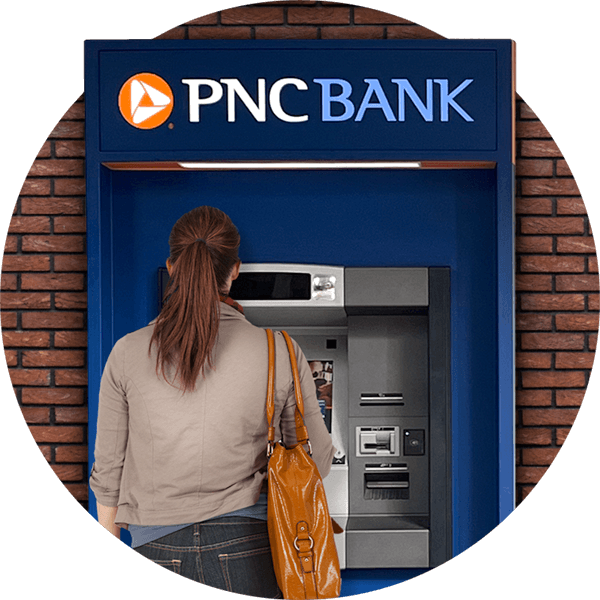
Understanding your specific withdrawal limit can prevent frustration at the ATM, especially when facing an unexpected need for a larger sum of cash. It empowers you to plan your financial activities better, whether you’re traveling, making a significant purchase, or simply managing your daily expenses. By exploring PNC’s policies and the underlying reasons for these limits, you’ll gain a clearer perspective on how to leverage your banking services effectively.
Understanding ATM Withdrawal Limits: The Fundamentals
Before diving into PNC’s specific policies, it’s essential to grasp the fundamental concepts behind ATM withdrawal limits. These limits are a standard practice across the banking industry, serving multiple critical functions. They are not merely an inconvenience but a strategic component of financial security and operational management.
Why Do Banks Impose Limits?
Banks impose ATM withdrawal limits primarily for two interconnected reasons: security and liquidity management.
- Security: This is perhaps the most significant factor. Daily withdrawal limits act as a crucial safeguard against fraud and theft. If a debit card is stolen or compromised, a daily limit significantly curtails the amount of money a fraudster can drain from an account. This gives the account holder and the bank more time to detect suspicious activity and take preventative measures, minimizing potential losses. Without such limits, a compromised card could lead to an entire account balance being emptied in a single transaction.
- Liquidity Management: Banks need to manage the cash available in their ATMs meticulously. Each ATM has a finite amount of cash, and large, unrestricted withdrawals could quickly deplete its reserves, inconveniencing other customers. Daily limits help ensure that ATMs remain stocked throughout the day, providing consistent service to a wide base of customers. It also helps the bank manage its overall cash flow and reserve requirements more effectively.
Daily vs. Per-Transaction Limits
It’s important to distinguish between daily withdrawal limits and per-transaction limits, as both can impact your ability to access cash.
- Daily Withdrawal Limit: This is the maximum aggregate amount of cash you can withdraw from your account within a 24-hour rolling period. For example, if your daily limit is $500, you can withdraw $500 in one go, or $100 five times, but you cannot exceed $500 within that specific timeframe. This limit resets periodically, usually every 24 hours from the time of your first withdrawal or at a fixed time each day (e.g., midnight PST).
- Per-Transaction Limit: This refers to the maximum amount of cash you can withdraw in a single ATM transaction. While less common than daily limits, some ATMs or banks might have a limit on how much can be dispensed at once, often due to the physical capacity of the ATM to dispense bills. For instance, an ATM might only allow a maximum of $400 per transaction, even if your daily limit is $1,000. In such cases, you would need to perform multiple transactions to reach your daily limit.
Factors Influencing Your Specific Limit
Your individual ATM withdrawal limit is not always a one-size-fits-all figure. Several factors can influence the exact amount you are permitted to withdraw:
- Account Type: Different types of accounts often come with varying limits. For instance, basic checking accounts might have lower limits than premium checking accounts or business accounts. PNC, like other banks, tiers its services, and higher-tier accounts often come with more generous limits as a benefit.
- Card Type: The type of debit or ATM card you possess can also play a role. Standard debit cards linked to consumer checking accounts typically have a default limit. Business debit cards, designed for higher transaction volumes, might feature substantially higher withdrawal limits.
- Customer Relationship and History: Banks often consider the length and nature of your relationship with them. Long-standing customers with good financial standing and a history of responsible banking might be eligible for higher default limits or more flexibility in requesting temporary increases.
- Bank’s Discretion: Ultimately, the bank retains the discretion to set and adjust these limits based on their internal policies, risk assessments, and regulatory compliance.
PNC’s Standard ATM Withdrawal Policies
PNC Bank, like all major financial institutions, establishes clear guidelines for ATM withdrawals. While specific limits can vary, understanding the typical ranges and how to ascertain your personal limit is crucial for effective money management.
Typical Daily Withdrawal Limits for PNC Customers
For most PNC checking accounts linked to a standard debit card, the typical daily ATM cash withdrawal limit generally falls within the range of $500 to $1,000. It’s important to stress that this is a general range; some accounts might have a default of $500, while others might start at $700 or $1,000. These limits are designed to balance customer convenience with security.
- PNC Consumer Debit Cards: Standard consumer checking accounts usually come with a daily cash withdrawal limit in this range. For instance, a basic Virtual Wallet account might have a default lower limit, while a Virtual Wallet Performance Select account could have a higher one.
- PNC Business Debit Cards: Business accounts often have significantly higher daily limits to accommodate the operational needs of businesses, which may require larger cash transactions. These limits can vary widely but are generally more generous than personal account limits.
It’s also worth noting that while these are typical cash withdrawal limits, your debit card will have separate, usually much higher, daily limits for point-of-sale (POS) purchases. This distinction is important as the cash limit specifically applies to money dispensed from an ATM.
Credit Card Cash Advance Limits
Using a PNC credit card to get cash from an ATM (a “cash advance”) is a different scenario entirely and operates under different rules and limits.
- Lower Limits: Cash advance limits on credit cards are typically much lower than your credit card’s overall credit limit and are often lower than debit card ATM withdrawal limits. They might range from a few hundred dollars to a couple of thousand, depending on your credit limit and card type.
- Higher Fees and Interest: Cash advances are generally expensive. They usually incur immediate fees (e.g., 3-5% of the advance amount) and often start accruing interest immediately, without the grace period typically offered for purchases. For these reasons, cash advances should generally be avoided unless absolutely necessary.
How to Find Your Specific PNC Limit
Given the variability, the most accurate way to determine your precise PNC ATM withdrawal limit is directly through PNC’s official channels:
- PNC Online Banking: Log in to your PNC online banking account. Navigate to your account details or card services section. Your debit card limits are often displayed there.
- PNC Mobile App: The PNC mobile banking app is another convenient way to check your limits. Look for sections related to your debit card or account details.
- Call PNC Customer Service: If you can’t find the information online or via the app, calling PNC’s customer service number (usually found on the back of your debit card or on PNC’s website) is a reliable method. A representative can provide you with your exact daily withdrawal limit.
- Visit a PNC Branch: For in-person assistance, a PNC branch representative can also look up your specific limits.
Strategies for Managing Larger Cash Needs

What if your cash requirement exceeds your daily ATM withdrawal limit? While ATM limits are a security measure, PNC offers several avenues to access larger sums of cash when needed. Planning ahead is key to avoiding last-minute stress.
Requesting a Temporary Limit Increase
For legitimate, one-time needs for a larger amount of cash, PNC may allow you to temporarily increase your ATM withdrawal limit.
- Process: To request a temporary increase, you typically need to contact PNC customer service by phone or visit a branch. Be prepared to explain your reason for the request (e.g., purchasing a used car, a large cash payment for a service) and confirm your identity.
- Conditions: Approval for a temporary increase is at PNC’s discretion. Factors considered include your account history, available balance, and the reason for the request. It’s often granted for a specific duration (e.g., 24-48 hours) and then reverts to your standard limit. Making this request in advance, rather than at the ATM, is highly recommended.
Alternative Methods for Accessing Funds
Beyond the ATM, several other methods can help you access larger amounts of cash:
- Teller Withdrawals: This is the most straightforward way to withdraw large sums of cash. At any PNC branch, you can visit a teller and withdraw virtually any amount available in your account. There are typically no daily limits for teller withdrawals, beyond the available balance and the branch’s cash on hand (very large withdrawals might require prior notice). You will need valid identification.
- Writing a Check: If you need to pay someone in cash but don’t want to carry a large sum, you can write a check directly to the individual or business. For personal cash needs, you can write a check to yourself and cash it at a PNC branch.
- Bank Transfers: For paying bills or transferring money to another account, electronic transfers (ACH or wire transfers) are often more secure and efficient than cash, especially for large sums.
- Cash Back at Retailers: Many grocery stores and pharmacies offer cash back with a debit card purchase. While these amounts are usually small (e.g., $20-$100 per transaction), they can be a convenient way to get a small amount of cash without finding an ATM, and often count against your purchase limit, not your ATM withdrawal limit.
Planning Ahead for Large Withdrawals
For significant cash needs, proactive planning is essential:
- Notify PNC in Advance: If you anticipate needing a very large sum of cash from a branch, especially during non-standard hours or in a remote location, it’s courteous and wise to call your branch ahead of time. This allows them to ensure they have the necessary funds available.
- Multiple Transactions: If a temporary limit increase isn’t feasible or sufficient, and you need to use an ATM, you might have to plan withdrawals over several days to meet your total cash requirement.
- Consider Direct Payments: Before deciding on cash, always evaluate if a direct bank transfer, cashier’s check, or digital payment method would be safer and more convenient for the recipient.
Fees, Security, and Best Practices
Accessing cash from ATMs, while convenient, also comes with considerations regarding fees and security. Understanding these aspects is crucial for responsible financial management.
ATM Fees: PNC vs. Non-PNC ATMs
Using ATMs can sometimes incur fees, which can add up if you’re not careful.
- PNC-Owned ATMs: When you use your PNC debit card at a PNC-owned ATM, you generally will not be charged a fee by PNC for cash withdrawals. This is the most cost-effective option for accessing cash.
- Non-PNC (Out-of-Network) ATMs: If you use your PNC debit card at an ATM that is not owned by PNC (e.g., an ATM at a convenience store or another bank’s ATM), you will likely encounter two types of fees:
- Surcharge Fee: This is a fee charged by the owner of the non-PNC ATM. It typically ranges from $2.00 to $3.50, but can be higher. This fee is usually disclosed on the ATM screen before you complete the transaction.
- PNC Out-of-Network Fee: PNC may also charge its own fee for using an out-of-network ATM. This fee is separate from the ATM owner’s surcharge. Some PNC accounts might waive a certain number of these fees per month, so check your specific account terms.
- International ATMs: When traveling internationally, additional currency conversion fees and higher ATM fees may apply. Always check PNC’s international fee structure before you travel.
To avoid fees, always prioritize using PNC-branded ATMs. You can locate the nearest PNC ATM using the PNC mobile app or their website’s ATM locator.
Safeguarding Your Funds and Information
ATM withdrawals, while common, carry inherent security risks. Practicing vigilance is paramount:
- Be Aware of Your Surroundings: Before approaching an ATM, observe the area. If anything feels suspicious, leave and find another ATM. Avoid using ATMs in poorly lit or isolated areas, especially at night.
- Inspect the ATM: Before inserting your card, quickly check the card reader and keypad for any signs of tampering, such as bulky attachments or loose parts. These could indicate a “skimming” device designed to steal your card information.
- Protect Your PIN: Always cover the keypad with your hand while entering your Personal Identification Number (PIN) to prevent “shoulder surfing” or hidden cameras from capturing it. Memorize your PIN; do not write it down on your card or keep it near your card.
- Monitor Your Transactions: Regularly review your PNC account statements and use online banking or the mobile app to monitor your transactions. Promptly report any unauthorized or suspicious activity to PNC.
- Travel Notifications: If you plan to travel, especially internationally, notify PNC of your travel dates and destinations. This helps prevent your card from being flagged for suspicious activity and potentially blocked due to unusual geographic usage patterns.
When to Contact PNC Customer Service
Knowing when and how to contact PNC is vital for managing your account effectively and resolving issues:
- Fraud or Suspicious Activity: Immediately contact PNC if you notice any unauthorized transactions or suspect your card information has been compromised.
- ATM Malfunctions: If an ATM fails to dispense cash, dispenses an incorrect amount, or retains your card, contact PNC immediately.
- Limit Issues: If you’re consistently running into withdrawal limit issues and need higher access, discuss your options with customer service.
- General Account Inquiries: For any questions regarding your account, fees, or services, PNC customer service is your primary resource.
Beyond the ATM: Broader Financial Management
While understanding ATM limits is a practical necessity, it’s also a gateway to thinking about broader aspects of your financial health. Effective cash management integrates seamlessly with overall personal finance strategies.
The Role of Digital Banking in Cash Management
Modern banking has revolutionized how we manage money, often reducing the reliance on physical cash.
- Mobile Deposits: PNC’s mobile app allows you to deposit checks using your smartphone camera, eliminating the need to visit an ATM or branch for many transactions.
- P2P Payments: Services like Zelle, integrated into the PNC app, allow for instant person-to-person money transfers, often negating the need for cash when paying friends or family.
- Online Bill Pay: Most bills can be paid directly online through PNC’s bill pay service, streamlining payments and reducing the need for cash or checks.
- Digital Wallets: Using digital wallets (like Apple Pay or Google Pay) linked to your PNC debit card offers a secure and convenient way to make purchases without physical cash or even your card.
These digital tools provide alternatives that can significantly reduce your need for large cash withdrawals, making your ATM limit less restrictive in daily life.

Budgeting for Cash Transactions
Integrating your understanding of ATM limits into your personal budget is a smart financial habit.
- Anticipate Cash Needs: If you regularly use cash for specific expenses (e.g., lunch, tips, small purchases), budget for these amounts and ensure your ATM withdrawals align with your spending plan.
- Track Cash Spending: It’s easy for cash to disappear without a trace. Make an effort to track cash expenditures, perhaps using a simple notebook or a budgeting app, to ensure you’re staying within your allocated limits.
- Emergency Fund: While an emergency fund is typically kept in a savings account, having a small amount of accessible cash on hand or knowing how you’d quickly access it (within ATM limits or via other means) is a wise component of preparedness.
In conclusion, understanding “how much can I withdraw from a PNC ATM” is more than just knowing a number; it’s about comprehending the security mechanisms, leveraging available tools, and integrating this knowledge into a broader strategy for personal financial management. By utilizing PNC’s resources, being mindful of security, and planning ahead, you can ensure seamless access to your funds whenever and wherever you need them.
aViewFromTheCave is a participant in the Amazon Services LLC Associates Program, an affiliate advertising program designed to provide a means for sites to earn advertising fees by advertising and linking to Amazon.com. Amazon, the Amazon logo, AmazonSupply, and the AmazonSupply logo are trademarks of Amazon.com, Inc. or its affiliates. As an Amazon Associate we earn affiliate commissions from qualifying purchases.