
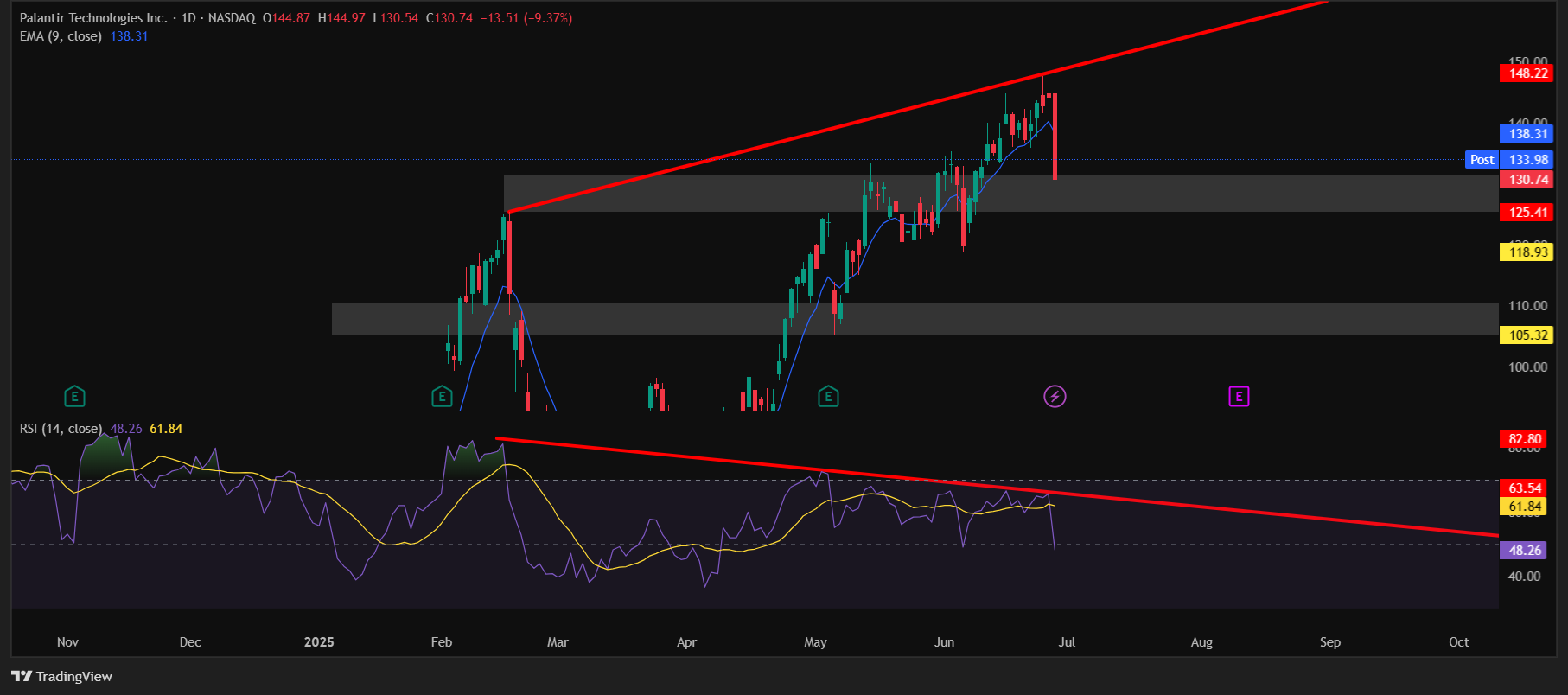
Palantir Technologies (NYSE: PLTR), a company synonymous with sophisticated data analytics and AI, has frequently found its stock performance under intense scrutiny. After an initially enthusiastic reception following its direct listing in 2020, shares have experienced significant volatility, often trending downwards for extended periods. For investors, both seasoned and prospective, understanding the multifaceted reasons behind these dips is crucial for making informed decisions. This exploration delves into the confluence of macroeconomic factors, company-specific challenges, and evolving investor sentiment that contribute to Palantir’s stock struggles, firmly rooted in the principles of investing and business finance.
Understanding Palantir’s Business Model and Market Position
To grasp why Palantir’s stock fluctuates, one must first appreciate its unique, often enigmatic, position in the technology landscape. The company primarily offers two core platforms: Gotham, designed for government agencies, and Foundry, tailored for commercial enterprises. Both leverage advanced data integration and AI capabilities to help organizations make sense of vast, complex datasets, identifying patterns and enabling data-driven decision-making.
A Niche in Government and Enterprise Data Analytics
Palantir’s initial success and notoriety stemmed from its deep ties to U.S. government agencies, particularly in defense and intelligence. Gotham’s ability to fuse disparate data sources – from reconnaissance imagery to financial transactions – and present actionable intelligence has made it indispensable to its clients. This niche, while lucrative and strategic, also carries specific financial implications. Government contracts, while large, can be lumpy and subject to political cycles and budget constraints. This inherent variability can make revenue forecasting challenging and introduce an element of unpredictability that equity markets often penalize.
On the commercial front, Foundry aims to replicate Gotham’s success, democratizing access to Palantir’s powerful analytics for industries ranging from manufacturing to healthcare. While the commercial segment has shown promising growth, it operates in a highly competitive arena, vying with established enterprise software providers and a host of AI startups. The cost and complexity of implementing Palantir’s platforms can also be a barrier for some commercial clients, potentially slowing adoption and revenue acceleration.
The Double-Edged Sword of Unique Offerings
Palantir’s proprietary technology is undoubtedly powerful and arguably best-in-class for certain use cases. This uniqueness fosters a strong moat around its existing government contracts and creates significant switching costs for commercial clients once integrated. However, this same uniqueness also means Palantir’s sales cycle can be long and complex, requiring significant investment in sales engineering and customer onboarding. Unlike off-the-shelf software, Palantir’s platforms often require deep customization and integration into a client’s existing infrastructure, which can be resource-intensive for both Palantir and its customers. From a financial perspective, this translates to high upfront costs and a potentially slower ramp-up to profitability for new client relationships, impacting short-term earnings visibility.
Investor Sentiment and Market Expectations
Palantir entered the public markets with significant hype, partly due to its “secretive” reputation and association with Peter Thiel. This created very high expectations among investors, particularly growth investors seeking disruptive technologies. When a company fails to meet these elevated expectations – whether due to slower-than-anticipated revenue growth, continued unprofitability, or macro-related headwinds – its stock is often subjected to sharp corrections. The market’s initial enthusiasm for Palantir may have led to a valuation that, in retrospect, was stretched, setting the stage for subsequent pullbacks as the company’s performance was rigorously evaluated against its lofty potential.
Macroeconomic Headwinds and Broader Market Pressures
No company operates in a vacuum, and Palantir’s stock performance is significantly influenced by the prevailing macroeconomic climate and broader market trends. The period following Palantir’s listing has been characterized by substantial shifts in monetary policy and economic outlook, which have disproportionately impacted growth stocks.
The Impact of Rising Interest Rates on Growth Stocks
One of the most significant external factors affecting Palantir and similar high-growth, long-duration assets has been the aggressive interest rate hikes by central banks globally. Growth companies, like Palantir, are valued largely on their future earnings potential. Higher interest rates increase the discount rate used in valuation models, effectively reducing the present value of those future earnings. This mathematical reality means that a company whose substantial profits are projected many years into the future will see a more significant valuation haircut in a rising interest rate environment compared to a mature, profitable company whose earnings are more immediate and predictable.
Moreover, higher interest rates make it more expensive for companies to borrow money for expansion and make alternative, less risky investments (like bonds) more attractive. This can lead investors to shift capital away from speculative growth stocks towards safer assets or more value-oriented equities. Palantir, still on its path to consistent GAAP profitability, is particularly sensitive to this dynamic, as its valuation is heavily reliant on anticipated future growth and market dominance.
Inflationary Concerns and Economic Slowdown Fears
Persistent inflation has eroded consumer purchasing power and increased operating costs for businesses, potentially leading to tighter corporate budgets. In an environment of economic slowdown fears, businesses and governments alike may become more cautious with their spending on new technologies, particularly those involving large upfront investments like Palantir’s platforms. While Palantir’s offerings can ultimately drive efficiency and cost savings, the initial capital outlay can be a hurdle during periods of economic uncertainty. A reduction in demand or extended sales cycles for new contracts directly impacts Palantir’s revenue growth, further pressuring its stock price.
Shifting Investor Appetite for Risk
The exuberance for technology and growth stocks that characterized the post-pandemic recovery and a period of ultra-low interest rates has gradually given way to a more conservative investment climate. Investors are increasingly prioritizing profitability, strong free cash flow, and robust balance sheets over pure top-line growth. Companies that consistently generate significant profits are seen as more resilient during economic downturns. Palantir, while demonstrating strong free cash flow in some periods, has faced challenges in achieving consistent GAAP profitability. This shift in investor appetite means that even strong revenue growth might not be enough to satisfy a market that is now demanding tangible profits and clear paths to sustainable earnings.
Company-Specific Performance and Financial Metrics
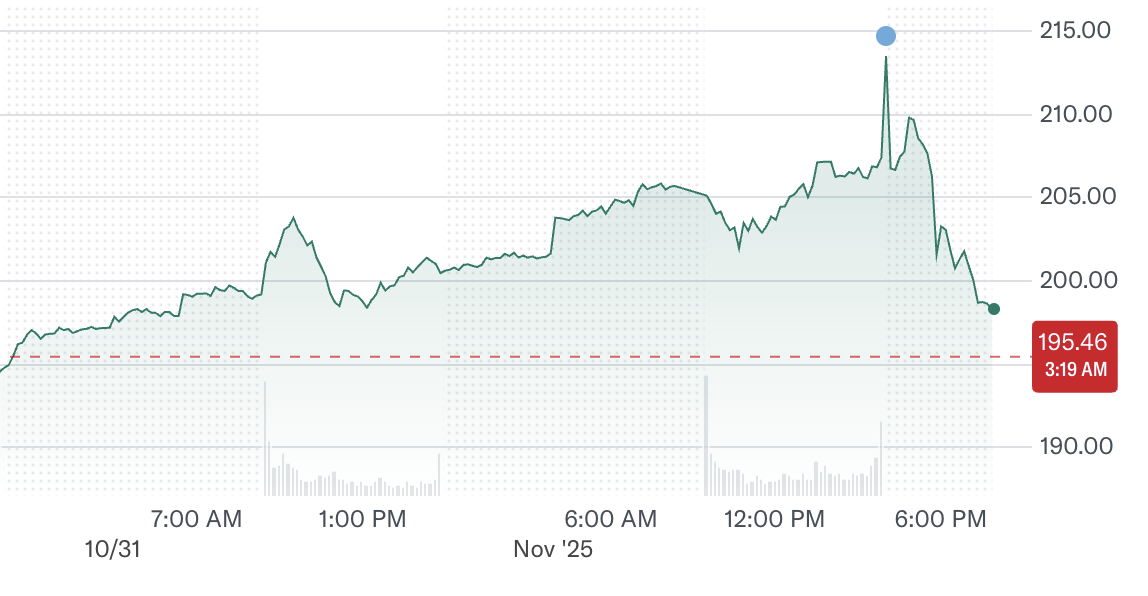
Beyond the macro environment, Palantir’s own financial performance and strategic decisions play a critical role in how its stock is perceived and valued by the market. Scrutiny often falls on revenue growth, profitability, and capital management.
Revenue Growth Trajectory and Profitability Challenges
While Palantir has generally posted strong year-over-year revenue growth, particularly in its commercial segment, analysts and investors often compare its trajectory against its own ambitious targets and those of its peers. Any slowdown in growth, even if still substantial, can trigger investor concern, especially given the company’s premium valuation. The challenge for Palantir has been to demonstrate accelerating growth that justifies its market capitalization.
Perhaps even more critical has been the company’s path to consistent GAAP (Generally Accepted Accounting Principles) profitability. For a long time, Palantir was known for its significant losses, largely due to high operating expenses, particularly stock-based compensation. While the company has made strides in improving its adjusted profit metrics (like adjusted operating income and free cash flow), the market often demands consistent GAAP net income as a definitive sign of financial health and sustainable business model validation. The struggle to achieve this consistency has been a persistent overhang on the stock.
Government Contract Volatility vs. Commercial Expansion
Palantir’s reliance on large government contracts, while providing a stable revenue base, also introduces an element of lumpiness. These contracts can be large, but they are not always renewed on predictable cycles, and new contract wins can be episodic. This can lead to quarters with significant revenue surges followed by periods of slower growth, making it harder for the market to project a smooth, upward trajectory.
The company’s strategic focus on expanding its commercial footprint is designed to diversify revenue and reduce this reliance. While commercial revenue growth has been a bright spot, particularly in the U.S., scaling this segment globally and winning large enterprise deals takes time and significant investment. The market is closely watching whether commercial growth can truly offset the inherent volatility of government contracting and become the dominant growth engine.
Dilution Concerns and Stock-Based Compensation
A significant point of contention among investors has been Palantir’s extensive use of stock-based compensation (SBC). While common in tech startups to attract and retain talent, high levels of SBC can lead to significant share dilution. Dilution reduces the ownership stake of existing shareholders and can depress earnings per share, even if the company’s overall profitability improves. Over the years, Palantir’s share count has increased substantially, raising concerns about the long-term value for existing shareholders. While the company has indicated efforts to manage SBC more effectively, its historical impact remains a key financial metric closely watched by institutional investors.
Competitive Landscape and Market Share
The data analytics and AI market is intensely competitive and rapidly evolving. Palantir competes with a diverse array of companies, from cloud giants offering their own AI/ML services (e.g., AWS, Azure, Google Cloud) to specialized data analytics firms and enterprise software providers. While Palantir maintains a distinct offering, especially for highly sensitive and complex data environments, demonstrating its unique value proposition and capturing market share in this crowded space is an ongoing challenge. The market continually assesses whether Palantir’s growth and profitability are sustainable in the face of this robust competition.
Investor Perception, Valuation, and Future Outlook
Ultimately, a stock’s price is a reflection of investor perception and the valuation metrics applied to a company’s current and future prospects. For Palantir, this has been a dynamic landscape.
High Valuation Multiples and Price Corrections
Following its direct listing, Palantir traded at exceptionally high valuation multiples, reflecting extreme optimism about its future. At times, its price-to-sales (P/S) ratio soared, placing it among the most richly valued software companies. While high growth rates can justify higher multiples, any sign of slowing growth or failure to meet ambitious targets can trigger a significant re-rating by the market. This often means that even a minor disappointment can lead to a substantial stock price drop, as the “air” comes out of an inflated valuation. The subsequent corrections have been an ongoing process of the market recalibrating its expectations and seeking a more reasonable valuation for the company.
The Path to Consistent GAAP Profitability
Investors are increasingly looking for tangible evidence that Palantir’s business model can translate its impressive technology into consistent, robust GAAP profits. While free cash flow generation has improved, the market’s focus on GAAP net income remains paramount for many institutional investors. Demonstrating a clear and sustained path to profitability without excessive reliance on stock-based compensation will be key to attracting a broader base of investors, including those focused on value and long-term earnings stability. This involves careful cost management, scaling its commercial operations efficiently, and optimizing its sales and marketing spend.
Strategic Investments and Long-Term Vision
Palantir continues to make strategic investments in its platforms, particularly in areas like large language models (LLMs) and generative AI, aiming to maintain its technological edge. The launch of its Artificial Intelligence Platform (AIP) is a testament to its commitment to staying at the forefront of AI innovation. These investments, while crucial for long-term growth, can sometimes weigh on short-term profitability. Investors are keen to see how these strategic bets will translate into new revenue streams and accelerated commercial adoption, ultimately strengthening the company’s competitive position and financial performance over the next decade.
What Could Turn the Tide?
For Palantir’s stock to reverse its downward trends and establish a more stable growth trajectory, several factors would need to align. Consistent, accelerating commercial revenue growth, particularly in the U.S. and from a diverse client base, would be a strong indicator. Achieving sustained GAAP profitability, alongside healthy free cash flow, would address key financial concerns. Moreover, demonstrating efficient capital allocation and managing stock-based compensation effectively would resonate positively with investors. Finally, a more favorable macroeconomic environment, characterized by stable interest rates and renewed appetite for growth stocks, would provide a significant tailwind. Until these elements converge, Palantir’s stock is likely to remain a topic of intense debate among investors.
In conclusion, the reasons behind Palantir’s stock declines are a complex interplay of high initial expectations, macroeconomic pressures disproportionately affecting growth stocks, and company-specific financial challenges related to profitability, growth consistency, and dilution. For those navigating the investment landscape, understanding these dynamics is essential for assessing Palantir’s true value and future potential.
aViewFromTheCave is a participant in the Amazon Services LLC Associates Program, an affiliate advertising program designed to provide a means for sites to earn advertising fees by advertising and linking to Amazon.com. Amazon, the Amazon logo, AmazonSupply, and the AmazonSupply logo are trademarks of Amazon.com, Inc. or its affiliates. As an Amazon Associate we earn affiliate commissions from qualifying purchases.