
In an increasingly dynamic economic landscape, the pursuit of additional income has transitioned from a luxury to a pragmatic necessity for many. Whether driven by the desire for enhanced financial security, accelerated debt repayment, the funding of ambitious personal goals, or simply the aspiration for greater lifestyle flexibility, cultivating multiple income streams is a cornerstone of modern financial resilience. This article delves into a comprehensive exploration of strategies and insights for generating additional income, equipping you with the knowledge to identify, pursue, and sustain new revenue avenues within the realm of personal finance and wealth building.
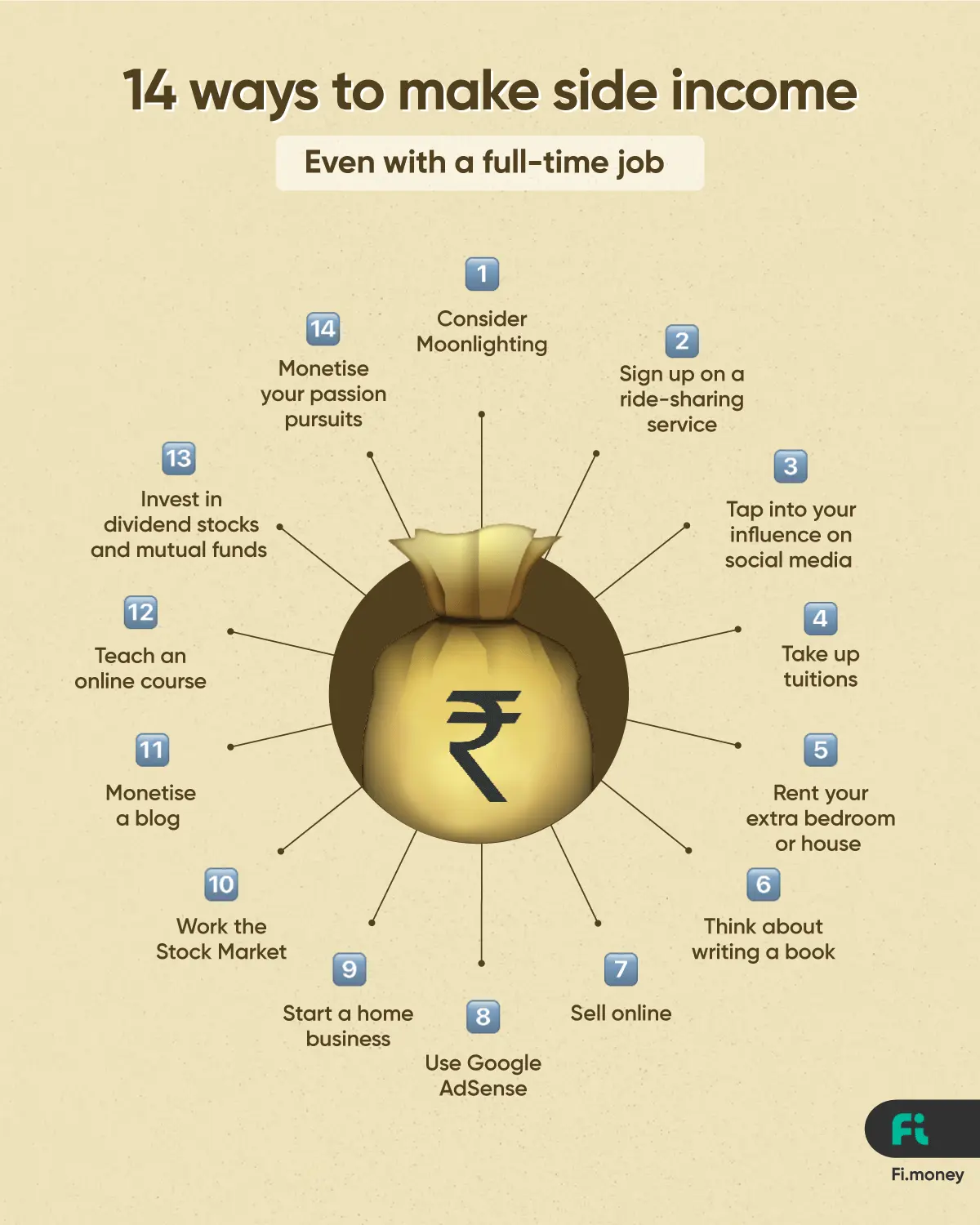
Understanding the Landscape of Additional Income
The journey to earning additional income begins with a clear understanding of your motivations, available resources, and the diverse opportunities that exist. It’s not merely about working more; it’s about working smarter and strategically diversifying your financial portfolio.
Why Seek Additional Income?
The reasons for seeking additional income are as varied as the individuals themselves. For some, it’s a defensive strategy to build an emergency fund, insulate against job market volatility, or tackle high-interest debt. For others, it’s an offensive maneuver to accelerate savings for a down payment, fund a child’s education, or invest more aggressively towards retirement. Beyond immediate financial goals, additional income can unlock lifestyle upgrades, facilitate personal development, or even serve as a bridge to a career transition. In essence, it empowers individuals with greater financial agency and opens doors to possibilities that a single income stream might constrain.
Distinguishing Between Side Hustles and Passive Income
It’s crucial to differentiate between two primary categories of additional income: active “side hustles” and “passive income” streams.
- Side Hustles are typically active endeavors requiring a direct exchange of your time, skills, or labor for money. This includes freelancing, gig work, or consulting. While they demand ongoing effort, they often offer immediate returns and flexibility, making them an excellent starting point for generating quick cash.
- Passive Income, conversely, involves an upfront investment of time, money, or effort to create an asset that subsequently generates revenue with minimal ongoing intervention. Examples include rental properties, dividend stocks, digital products, or affiliate marketing. While the “passive” aspect is attractive, it’s a misnomer to think it requires no work; it simply means the bulk of the effort is front-loaded. The long-term payoff, however, can be substantial, offering true financial liberation. Understanding this distinction helps in crafting a balanced approach that combines immediate gains with long-term wealth building.
Assessing Your Skills and Resources
Before diving into specific income-generating activities, take stock of your personal inventory.
- Skills: What are you good at? What do you enjoy doing? This could be anything from writing, graphic design, programming, or language translation to cooking, gardening, or organizational prowess. Many overlooked skills have market value.
- Time: How much spare time can you realistically dedicate each week without compromising your primary job, health, or relationships? Be honest about your availability.
- Capital: Do you have any seed money to invest in a business idea, a course to upskill, or financial assets to generate passive income?
- Interests: What are you passionate about? Monetizing a hobby often feels less like work and more like an extension of your personal life.
- Network: Who do you know? Your professional and personal connections can open doors to opportunities, mentorship, and clients.
A thorough self-assessment will clarify which opportunities align best with your current capabilities and future aspirations.
Active Strategies for Earning More
For those seeking immediate returns and who are willing to exchange their time and effort directly for income, active strategies offer a myriad of possibilities. These typically involve leveraging existing skills or acquiring new ones through direct engagement.
Leveraging Your Professional Skills Through Freelancing
Freelancing is perhaps the most direct route to monetizing your expertise. If you possess professional skills that are in demand, you can offer your services on a contract basis.
- Identifying In-Demand Skills: Common high-demand freelance skills include content writing, copywriting, graphic design, web development, digital marketing (SEO, social media management), virtual assistance, project management, and specialized consulting (e.g., financial, business, IT). Even seemingly niche skills can find a market.
- Platforms and Opportunities: Websites like Upwork, Fiverr, Freelancer.com, and Toptal connect freelancers with clients globally. For more specialized roles, LinkedIn ProFinder, Dribbble (for designers), and industry-specific job boards can be invaluable. Building a strong portfolio, collecting testimonials, and actively networking are crucial for success in this domain. Freelancing offers immense flexibility and the potential to set your own rates, making it a powerful income-generating tool.
Participating in the Gig Economy
The gig economy encompasses a wide array of short-term, flexible jobs, often mediated by digital platforms. It’s an excellent option for earning income on your own schedule with minimal barriers to entry.
- Delivery Services: Platforms like Uber Eats, DoorDash, Grubhub, and Instacart allow you to earn money delivering food or groceries using your car, bike, or even on foot in some urban areas.
- Ridesharing: If you have a reliable vehicle and a clean driving record, services like Uber and Lyft offer opportunities to earn by transporting passengers.
- Task-Based Apps: Apps like TaskRabbit connect you with individuals needing help with various tasks, such as handyman services, cleaning, moving, or running errands.
- Pet Sitting and Walking: For animal lovers, platforms like Rover or Wag! enable you to offer pet care services on a flexible schedule. These roles are typically straightforward, require minimal training, and can provide a steady stream of supplementary income.
Monetizing Hobbies and Interests
Transforming a passion into a revenue stream can be one of the most fulfilling ways to earn additional income.
- Crafts and Handmade Goods: If you enjoy creating things, platforms like Etsy provide a global marketplace for selling handmade jewelry, art, clothing, home decor, and personalized gifts.
- Teaching and Tutoring: Share your expertise by tutoring students in academic subjects, teaching a language, or offering lessons in music, art, or a sport. Platforms like Chegg Tutors, TutorMe, or even local community centers can connect you with students.
- Content Creation: While often leading to passive income in the long run, the initial stages of blogging, creating a YouTube channel, or launching a podcast are active endeavors requiring consistent effort. If you enjoy sharing knowledge or entertaining, these platforms can eventually generate revenue through advertising, sponsorships, and affiliate marketing.
- Photography and Videography: If you have a good eye and technical skills, you can sell stock photos/videos on platforms like Shutterstock or Adobe Stock, or offer services for events, portraits, or real estate.
Selling Unused Items or Creating Products
Look around your home – there’s likely money gathering dust.
- Declutter and Sell: Platforms like eBay, Facebook Marketplace, Poshmark (for clothing), and local consignment shops are excellent avenues for selling unwanted electronics, furniture, clothing, collectibles, and more. This not only generates cash but also declutters your living space.
- Creating Digital Products: Beyond freelancing, you can create and sell your own digital products. This could include e-books, online courses, templates (e.g., for resumes, social media, financial planning), printables, or digital art. Once created, these products can be sold repeatedly with minimal additional effort through platforms like Gumroad, Teachable, or your own website.
Building Streams of Passive and Semi-Passive Income

While active strategies provide immediate cash flow, passive and semi-passive income streams are the bedrock of long-term financial independence. They require upfront effort or capital but offer the potential for ongoing earnings with reduced active management.
Investing in Income-Generating Assets
This is perhaps the most traditional form of passive income, requiring initial capital investment.
- Dividend Stocks: Investing in companies that regularly distribute a portion of their earnings to shareholders can provide a steady stream of income. Reinvesting these dividends can further compound your returns over time.
- Real Estate Investment Trusts (REITs): These are companies that own, operate, or finance income-generating real estate. Investing in REITs allows you to gain exposure to real estate without directly owning physical property, providing dividends typically higher than many other equity investments.
- Bonds: While offering lower returns than stocks, bonds (especially corporate or municipal bonds) can provide fixed interest payments, making them a more stable income source, particularly for those nearing retirement.
- High-Yield Savings Accounts and CDs: While not as glamorous, these accounts offer a safe way to earn interest on your savings, albeit at a modest rate. They are ideal for emergency funds or short-term savings goals. Always remember that all investments carry some degree of risk, and thorough research or consultation with a financial advisor is recommended.
Real Estate Investments (Direct and Indirect)
Real estate remains a powerful generator of passive income, though it can range from highly active to quite hands-off.
- Rental Properties: Purchasing residential or commercial properties and renting them out can provide consistent monthly income. However, direct ownership often involves active management (finding tenants, maintenance, repairs) unless you hire a property manager, which incurs costs.
- Real Estate Crowdfunding: Platforms like Fundrise or CrowdStreet allow you to invest in large-scale real estate projects with smaller amounts of capital, pooling funds with other investors. This provides a more passive way to participate in real estate appreciation and rental income.
- Short-Term Rentals: Services like Airbnb allow you to rent out a spare room or an entire property for short durations. While potentially lucrative, it demands more active management similar to running a small hospitality business.
Creating Digital Products and Content
As mentioned previously, the upfront effort in creating digital products and evergreen content can pay off for years to come.
- E-books and Online Courses: Once created, these products can be sold repeatedly through platforms like Amazon Kindle Direct Publishing (for e-books), Udemy, Teachable, or your own website. The key is to provide high-value, evergreen content that remains relevant.
- Stock Photos and Videos: If you have photography or videography skills, you can upload your work to stock media sites (Shutterstock, Adobe Stock, Getty Images) and earn royalties each time your content is downloaded.
- Affiliate Marketing: Promote products or services of other companies on your blog, social media, or YouTube channel. When someone makes a purchase through your unique affiliate link, you earn a commission. This requires building an audience and trust.
- Ad Revenue from Blogs/YouTube: If you build a significant audience for your written content or videos, you can monetize through display advertising (e.g., Google AdSense) or YouTube’s Partner Program.
Peer-to-Peer Lending
Peer-to-peer (P2P) lending platforms connect individuals who want to lend money with those who want to borrow, bypassing traditional financial institutions.
- How it Works: Investors lend small amounts to multiple borrowers, effectively diversifying their risk. Platforms like Prosper or LendingClub manage the loan servicing and payments.
- Returns and Risks: P2P lending can offer higher returns than traditional savings accounts, but it also carries higher risk, as borrowers can default. Careful selection of loans and diversification are essential strategies. This is a semi-passive strategy as you need to initially select and manage your portfolio of loans.
Optimizing Your Approach to Additional Income
Simply starting a side hustle or making an investment is only part of the equation. To truly maximize your additional income efforts, strategic planning and continuous adaptation are key.
Time Management and Prioritization
The most common hurdle in earning additional income is a lack of time. Effective time management is paramount.
- Audit Your Time: Understand where your hours truly go. Identify unproductive habits or time sinks.
- Set Realistic Goals: Don’t overload your schedule. Start with a manageable commitment (e.g., 5-10 hours a week) and gradually increase if feasible.
- Batch Similar Tasks: Grouping similar activities (e.g., responding to emails, content creation, client outreach) can improve efficiency.
- Protect Your Primary Job: Never let your side ventures jeopardize your main source of income. Maintain work-life balance to avoid burnout. Remember, consistency over intensity is often the key to long-term success.
Financial Planning and Tax Implications
Earning additional income comes with financial responsibilities, particularly concerning taxes.
- Budgeting: Integrate your additional income into your overall budget. Decide whether to allocate it to debt, savings, investments, or discretionary spending.
- Tracking Income and Expenses: Keep meticulous records of all income generated and expenses incurred related to your side ventures. This is crucial for tax purposes.
- Understanding Self-Employment Taxes: In many regions, income from freelancing or a side business is subject to self-employment taxes (Social Security and Medicare). You may need to make estimated tax payments quarterly to avoid penalties.
- Consult a Professional: For complex financial situations or significant additional income, it is highly advisable to consult a tax advisor or financial planner. They can help optimize your tax strategy and ensure compliance.
Continuous Learning and Adaptability
The modern economic landscape is constantly evolving. What is profitable today might be less so tomorrow.
- Stay Updated: Keep abreast of industry trends, new technologies, and shifts in consumer demand relevant to your income streams.
- Acquire New Skills: Invest in yourself by learning new skills through online courses, workshops, or certifications. This increases your marketability and opens up new opportunities.
- Be Prepared to Pivot: If a particular income stream plateaus or declines, be willing to adapt, refine your approach, or explore entirely new avenues. Rigidity can be a significant barrier to sustained success.
Building a Strong Online Presence
For many forms of additional income, especially freelancing, digital products, and content creation, an online presence is vital.
- Professional Website/Portfolio: A dedicated website or an updated online portfolio showcases your work, expertise, and services.
- Leverage Social Media: Strategically use platforms relevant to your niche (e.g., LinkedIn for professional networking, Instagram for visual arts, YouTube for video content) to connect with potential clients or customers.
- Networking: Engage with other professionals in your field, attend online webinars, and participate in industry forums. Networking can lead to referrals, collaborations, and valuable insights.

Conclusion
The pursuit of additional income is more than just about increasing your bank balance; it’s about cultivating financial resilience, expanding your skill set, and unlocking new avenues for personal and professional growth. Whether through active side hustles that leverage your immediate expertise or strategic investments that build long-term passive wealth, the opportunities are vast and varied.
Start by assessing your unique strengths and resources, then explore the diverse landscape of active and passive income streams. Crucially, optimize your efforts with diligent time management, sound financial planning, and a commitment to continuous learning. By taking a strategic and consistent approach, you can not only achieve your immediate financial goals but also lay the groundwork for a more secure, flexible, and prosperous financial future. The journey of making additional income is an empowering one, offering a tangible path towards greater financial freedom and peace of mind.
aViewFromTheCave is a participant in the Amazon Services LLC Associates Program, an affiliate advertising program designed to provide a means for sites to earn advertising fees by advertising and linking to Amazon.com. Amazon, the Amazon logo, AmazonSupply, and the AmazonSupply logo are trademarks of Amazon.com, Inc. or its affiliates. As an Amazon Associate we earn affiliate commissions from qualifying purchases.