
In today’s dynamic economic landscape, the pursuit of additional income has transitioned from a mere luxury to a strategic imperative for many. Whether driven by the desire to accelerate debt repayment, save for a significant life event, build a robust emergency fund, or simply enhance lifestyle flexibility, understanding the myriad avenues available to boost one’s financial standing is crucial. This comprehensive guide will delve into practical, insightful strategies for earning supplementary income, offering a roadmap for individuals looking to diversify their financial portfolio and achieve greater economic resilience.
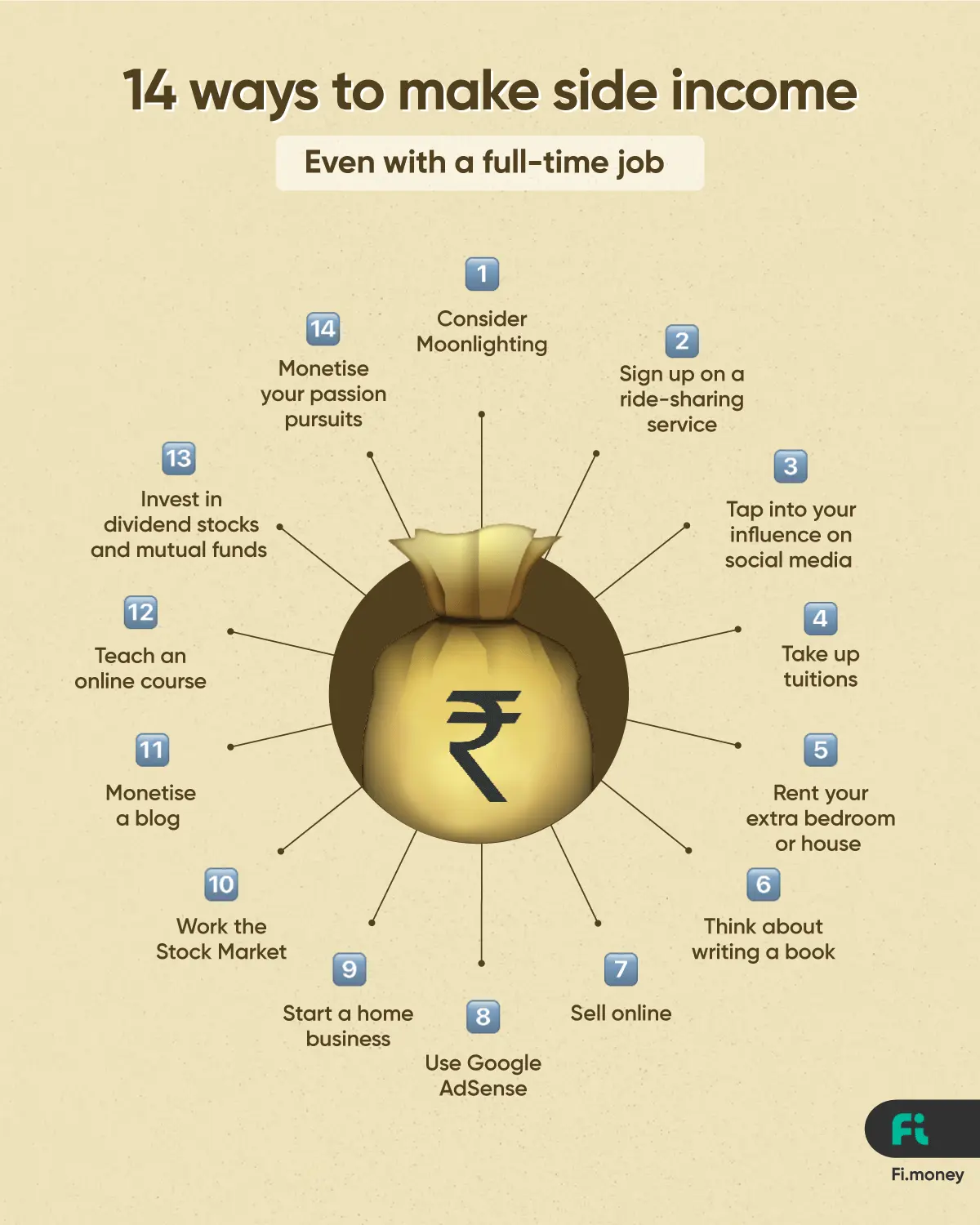
Understanding the Landscape of Supplemental Income
Before embarking on the journey to earn more, it’s essential to grasp the fundamental concepts and the “why” behind this endeavor. A clear understanding of your motivations and the different types of income streams available will shape your approach and increase your chances of success.
Why Pursue Additional Income?
The motivations for seeking supplemental income are diverse and deeply personal. For some, it’s a defensive strategy against inflation and unexpected expenses, providing a much-needed financial cushion. For others, it’s an offensive play to accelerate wealth creation, fund investments, or pursue early retirement. Additional income can significantly reduce financial stress, offering peace of mind and greater control over one’s financial destiny. It can also unlock opportunities for personal growth, skill development, and networking that might not be available in a primary role. Identifying your specific “why” will provide the necessary motivation and focus as you explore various income-generating activities.
Differentiating Between Side Hustles and Passive Income
It’s crucial to distinguish between active “side hustles” and “passive income” streams. A side hustle typically involves trading your time and direct effort for money. Examples include freelancing, tutoring, driving for a ride-share service, or consulting. While these can be highly lucrative, they require ongoing active engagement. Passive income, on the other hand, involves an initial investment of time or capital that generates ongoing income with minimal subsequent effort. Think of rental properties, dividend stocks, royalties from digital products, or affiliate marketing. While truly “passive” income often requires significant upfront work or investment, its long-term payoff can be transformative, providing financial freedom that isn’t directly tied to your daily labor. A balanced approach often involves starting with active side hustles to build capital and skills, then gradually transitioning or investing in more passive opportunities.
Assessing Your Skills and Resources
The most successful income-generating endeavors often leverage existing skills, passions, or resources. Before diving into any specific venture, take an honest inventory of what you bring to the table.
- Skills: Are you proficient in writing, graphic design, programming, social media management, language translation, or data analysis? Do you have specialized knowledge in a particular industry?
- Hobbies/Passions: Can your love for photography, cooking, crafting, or fitness be monetized?
- Resources: Do you have a spare room, a vehicle, a specific tool, or even an underutilized asset like a comprehensive personal library that could be leveraged?
- Time: How much time can you realistically dedicate each week without compromising your primary job or personal well-being?
- Capital: Do you have any seed money to invest in a course, equipment, or marketing for your new venture?
A thorough self-assessment will help you identify the most suitable and sustainable paths for earning additional money, preventing wasted effort on endeavors that don’t align with your strengths.
Active Income Strategies: Trading Time for Money
For many, the most direct route to earning additional income involves actively trading their time and skills for compensation. These “active” strategies often offer quicker returns and can be excellent ways to build capital and experience.
Freelancing and Gig Economy Opportunities
The rise of the gig economy has democratized access to work opportunities, allowing individuals to offer their professional services on a project-by-project basis. Platforms like Upwork, Fiverr, and Freelancer connect skilled individuals with clients worldwide seeking everything from content writing, web design, and digital marketing to virtual assistance and software development. Beyond these general platforms, niche sites cater to specific professions (e.g., Toptal for developers, ProBlogger for writers). The key to success in freelancing is to specialize, build a strong portfolio, maintain excellent communication, and consistently deliver high-quality work. Pricing your services competitively yet fairly is also crucial for sustainable growth.
Part-Time Work and Consulting
Sometimes, the most straightforward path is to simply take on additional part-time employment. This could involve working evenings or weekends in retail, hospitality, or administrative roles. For professionals with significant experience, offering consulting services in their field can be highly lucrative. Companies often seek external expertise for specific projects or challenges without wanting to hire a full-time employee. Networking, leveraging your professional reputation, and clearly defining your scope of services are vital for success in consulting. This path often commands higher hourly rates due to specialized knowledge and experience.
Selling Services Locally
Not all opportunities are online. Many local communities have unmet needs that can be addressed by enterprising individuals. Consider offering services like pet sitting, dog walking, house cleaning, tutoring, yard work, minor home repairs, or even personal errand running. These services often require minimal startup costs and can be marketed effectively through local community groups, word-of-mouth, and neighborhood social media platforms. Building a reputation for reliability and quality service is paramount for attracting repeat business and referrals.
Passive Income Streams: Earning While You Sleep
While requiring initial effort or investment, passive income streams offer the long-term potential for financial independence, allowing you to earn money even when you’re not actively working.
Investing in Income-Generating Assets
One of the most traditional forms of passive income is through investments.
- Dividend Stocks: Investing in companies that regularly pay out a portion of their earnings to shareholders can provide a steady stream of income.
- Real Estate: Rental properties can generate significant monthly cash flow, though they do require ongoing management (or hiring a property manager).
- Bonds and ETFs: Certain bonds and exchange-traded funds (ETFs) are designed to provide regular income distributions.
- Peer-to-Peer Lending: Platforms allow you to lend money to individuals or small businesses, earning interest on your loans.
It’s crucial to understand the risks associated with any investment and to consult with a financial advisor to build a portfolio aligned with your risk tolerance and financial goals.
Digital Products and Online Content Creation

The internet has opened vast possibilities for creating and selling digital assets.
- E-books and Online Courses: Share your expertise by writing an e-book or developing an online course on a topic you’re passionate about. Once created, these products can be sold repeatedly with no additional effort per sale.
- Stock Photos/Videos: If you have photography or videography skills, you can license your work on stock media websites, earning royalties each time your content is downloaded.
- Printables/Templates: Design and sell digital planners, artwork, templates for resumes, social media, or business documents on platforms like Etsy or your own website.
- Software/Apps: If you have coding skills, developing an app or software that solves a common problem can generate subscription or sales revenue.
The initial effort to create high-quality digital products can be substantial, but the scalability and potential for ongoing passive income are immense.
Rental Income and Peer-to-Peer Lending
Beyond traditional real estate, consider leveraging underutilized assets. Renting out a spare room on platforms like Airbnb, or even renting out your car when you’re not using it, can generate significant supplementary income. For those with capital, peer-to-peer lending platforms like Prosper or LendingClub allow you to earn interest by lending money to individuals or businesses. While these can offer attractive returns, they also carry inherent risks, so thorough due diligence is essential.
Leveraging Digital Platforms for Income Generation
The digital age has democratized access to income-generating opportunities, making it easier than ever to connect with global markets and monetize a wide range of skills and assets.
Monetizing Your Skills on Freelance Marketplaces
As mentioned earlier, platforms like Upwork, Fiverr, and Guru are vital for freelancers. However, specific skills can be particularly in demand. For instance, proficient writers can find abundant opportunities in content marketing, blog writing, and technical writing. Graphic designers are always needed for branding, website design, and marketing collateral. Virtual assistants can support businesses remotely with administrative tasks, scheduling, and email management. The key is to create a compelling profile, showcase your best work, and actively bid on projects that align with your expertise. Building a strong rating and review history will significantly enhance your visibility and earning potential.
E-commerce and Dropshipping
Selling products online has become highly accessible.
- E-commerce: Creating your own online store using platforms like Shopify or Etsy allows you to sell physical products (handmade crafts, vintage items, unique apparel, etc.) directly to consumers. This requires managing inventory, shipping, and customer service, but offers full control over your brand and pricing.
- Dropshipping: This model allows you to sell products online without holding any inventory. When a customer places an order, you purchase the item from a third-party supplier who then ships it directly to the customer. This significantly reduces startup costs and logistical overhead, making it an attractive option for aspiring online entrepreneurs. Success in dropshipping relies heavily on product research, marketing, and reliable suppliers.
Content Creation and Affiliate Marketing
For those with a knack for communication and building an audience, content creation coupled with affiliate marketing can be a powerful income generator.
- Blogging/Vlogging: Start a blog or a YouTube channel about a topic you’re passionate about. As your audience grows, you can monetize through advertising, sponsorships, and selling your own products.
- Affiliate Marketing: Promote products or services from other companies and earn a commission for every sale or lead generated through your unique affiliate link. This can be integrated into blogs, social media posts, or review sites. The key is to promote products you genuinely believe in and that resonate with your audience to build trust and credibility.
Strategic Planning and Financial Management
Earning additional money is only half the battle; managing it wisely is equally important. Strategic planning and sound financial management are crucial for maximizing your supplemental income and achieving your long-term financial goals.
Setting Realistic Financial Goals
Before you even start, define what “additional money” means to you and what you plan to do with it. Is it an extra $200 a month to cover groceries, $1,000 to invest, or $5,000 to pay down a student loan? Setting clear, measurable, achievable, relevant, and time-bound (SMART) goals will provide direction and motivation. Break down larger goals into smaller, manageable milestones to track progress and stay encouraged. Without clear goals, additional income can easily be absorbed into everyday spending without making a significant impact.
Budgeting and Tracking Your Additional Income
Treat your supplementary income with the same diligence as your primary income, or perhaps even more so. Create a separate budget for this additional money. Decide how much will go towards specific goals (e.g., debt repayment, savings, investments) and how much, if any, will be allocated for discretionary spending. Use budgeting apps, spreadsheets, or even a simple notebook to meticulously track all income earned and where it is allocated. This transparency will help you stay accountable, identify areas for improvement, and prevent your extra earnings from simply disappearing.
Tax Implications and Compliance
A common oversight for individuals earning supplemental income is failing to account for tax obligations. In many jurisdictions, income from side hustles, freelancing, or investments is taxable. As an independent contractor or business owner, you may be responsible for paying self-employment taxes and estimated quarterly taxes, rather than having taxes withheld from a regular paycheck. It’s crucial to understand your local tax laws, set aside a portion of your earnings for taxes, and keep meticulous records of all income and legitimate business expenses. Consulting with a tax professional can help you navigate these complexities and avoid unexpected tax burdens.
Scaling Your Efforts and Reinvesting
Once you’ve found a successful method for earning additional money, consider how you can scale your efforts. Can you increase your rates, take on more clients, automate parts of your process, or expand into new markets? Reinvesting a portion of your additional income, whether back into your side hustle (e.g., marketing, new equipment, training) or into income-generating investments (e.g., dividend stocks, real estate), can accelerate your wealth-building journey. The power of compounding, combined with consistent reinvestment, can significantly amplify your financial growth over time, transforming a modest side income into a substantial financial asset.

Conclusion
Earning additional money is a journey that offers profound benefits, extending beyond mere financial gain to encompass personal development, skill acquisition, and enhanced financial security. By understanding your motivations, thoughtfully assessing your resources, exploring both active and passive income streams, leveraging digital platforms, and applying strategic financial management principles, you can effectively boost your income and take significant strides towards achieving your financial aspirations. The key lies in consistent effort, adaptability, and a commitment to continuous learning, transforming the aspiration of earning more into a tangible and rewarding reality.
aViewFromTheCave is a participant in the Amazon Services LLC Associates Program, an affiliate advertising program designed to provide a means for sites to earn advertising fees by advertising and linking to Amazon.com. Amazon, the Amazon logo, AmazonSupply, and the AmazonSupply logo are trademarks of Amazon.com, Inc. or its affiliates. As an Amazon Associate we earn affiliate commissions from qualifying purchases.