
The seemingly unassuming oxygen sensor, or O2 sensor, is a marvel of modern engineering that plays a surprisingly significant role across various technological domains. While its most prominent association is with automobiles, its underlying principles and the data it provides have far-reaching implications in fields spanning efficiency, environmental monitoring, and even advancements in industrial processes. For those interested in the intersection of technology, smart systems, and optimizing performance, understanding the function and importance of O2 sensors is key to grasping how many of our modern conveniences operate and how we can further refine them.
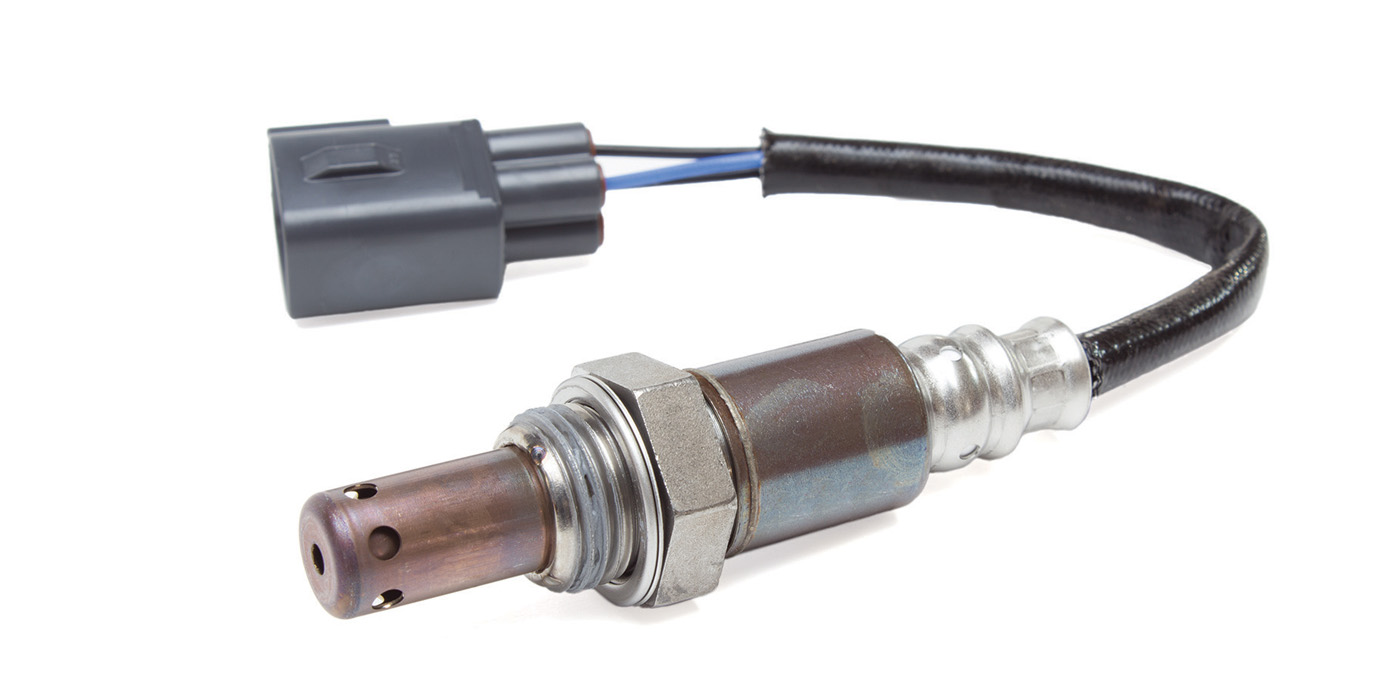
The core purpose of an O2 sensor is deceptively simple: to measure the amount of oxygen present in a gas mixture. However, the implications of this measurement are profound, enabling systems to make critical adjustments for optimal performance, reduced emissions, and enhanced safety. In essence, O2 sensors act as the eyes and ears of a system, providing crucial real-time data that allows for intelligent decision-making.
The Foundation: How O2 Sensors Work and Their Core Applications
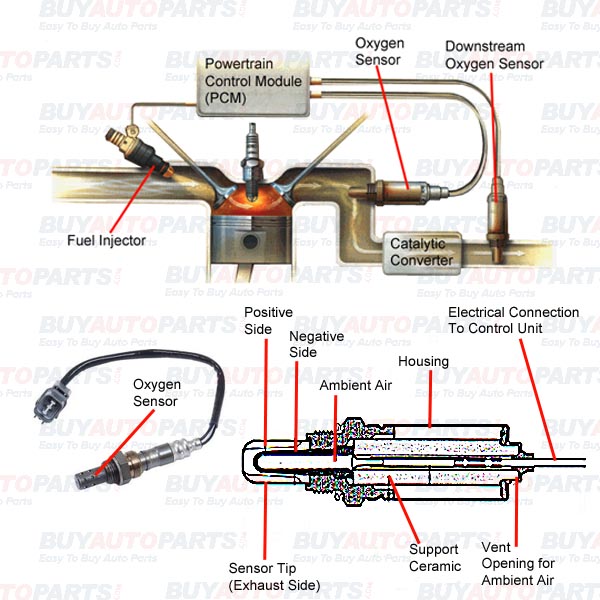
At its heart, an O2 sensor is a transducer that converts the concentration of oxygen in a gas into an electrical signal. This signal is then interpreted by a control unit, which can be an engine control module (ECM) in a car, a control system in an industrial furnace, or a monitoring device in an environmental application. The type of O2 sensor and its specific application dictate the precision and complexity of the technology involved.
Understanding the Mechanics: Different Types of O2 Sensors
While the basic function remains the same, there are several types of O2 sensors, each with its own advantages and deployment scenarios. Understanding these distinctions is crucial for appreciating the breadth of their application.
Zirconia (ZrO2) Sensors: The Automotive Workhorse
The most common type of O2 sensor found in gasoline-powered vehicles is the zirconia sensor. These sensors work by utilizing a solid-state electrolyte, typically zirconium dioxide, which becomes an ionic conductor at high temperatures. The difference in oxygen concentration between the exhaust gas and the ambient air creates a voltage potential across the zirconia element. This voltage is directly proportional to the oxygen content.
- Nernst Cell Sensors: These are the traditional zirconia sensors that produce a voltage output. They are effective but require a certain operating temperature to function accurately.
- Planar Sensors: An advancement on Nernst cell sensors, planar designs offer faster response times and improved durability.
- Wideband (Air-Fuel Ratio) Sensors: These are more sophisticated zirconia sensors that provide a more precise and linear output across a wider range of air-fuel mixtures. They are essential for modern engines that require extremely precise control over combustion for optimal efficiency and emissions.
Titania (TiO2) Sensors: For Specific Industrial Needs
Titania sensors, made from titanium dioxide, operate on a different principle. Instead of generating a voltage, they change their electrical resistance based on the oxygen concentration. These sensors are often used in applications where a wider temperature range or specific chemical resistance is required. They are less common in automotive applications but find use in industrial furnaces and other demanding environments.
Lambda Sensors: The Universal Standard
The term “Lambda sensor” is often used interchangeably with O2 sensor, particularly in the automotive context. Lambda (λ) represents the air-fuel ratio relative to the stoichiometric ratio (the ideal ratio for complete combustion). A Lambda sensor measures this ratio, providing crucial data for engine management. A Lambda value of 1 indicates stoichiometric combustion, while values above or below 1 indicate a lean (excess air) or rich (excess fuel) mixture, respectively.
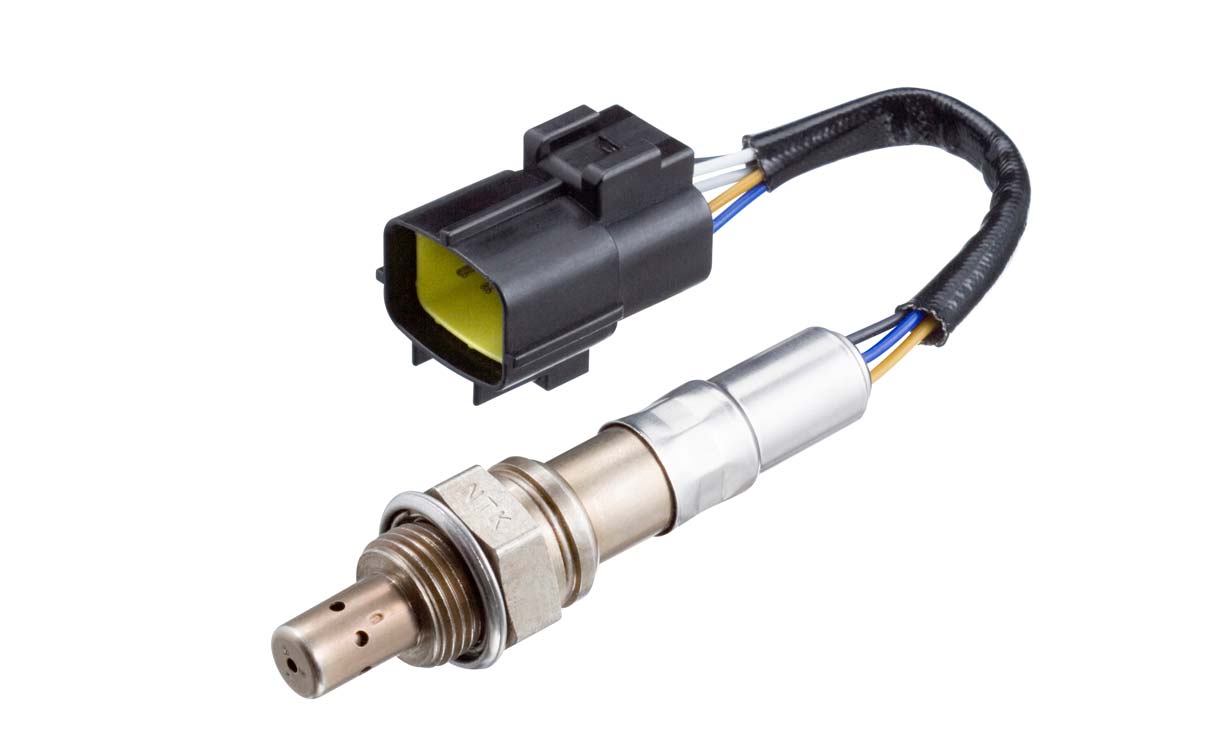
The Fundamental Principle: Measuring Oxygen for Optimal Combustion
The primary application that drives O2 sensor technology is the optimization of combustion processes. In internal combustion engines, the air-fuel mixture is critical for both performance and emissions.
- Fuel Efficiency: When an engine burns fuel efficiently, it extracts the maximum energy from each drop. An O2 sensor helps the engine control module (ECM) determine if the air-fuel mixture is too rich (wasting fuel) or too lean (leading to incomplete combustion and reduced power). By constantly monitoring the exhaust gases, the ECM can adjust the fuel injection to maintain the optimal air-fuel ratio, thereby maximizing fuel economy.
- Emissions Control: Incomplete combustion produces harmful pollutants like carbon monoxide (CO) and unburned hydrocarbons (HC). Excess oxygen in the exhaust, on the other hand, can lead to the formation of nitrogen oxides (NOx) during high-temperature combustion. Catalytic converters, which are crucial for reducing vehicle emissions, are most effective when the exhaust gases are within a specific window of oxygen content. O2 sensors provide the real-time data needed to keep the engine operating within this optimal range for the catalytic converter to function at its peak efficiency.
Beyond the Tailpipe: O2 Sensors in Broader Technological Landscapes
The principles behind O2 sensors are not confined to the automotive industry. Their ability to measure oxygen concentration makes them invaluable tools in a variety of technological applications, from ensuring product quality to safeguarding our environment.
Industrial Process Optimization and Safety
In manufacturing and industrial settings, precise control over combustion and atmospheric conditions is paramount for efficiency, safety, and product quality. O2 sensors are integral to many of these processes.
- Furnace and Boiler Control: Industrial furnaces and boilers rely on efficient combustion for heating and power generation. O2 sensors are used to monitor the exhaust gases, ensuring that the fuel is being burned efficiently, minimizing fuel waste, and reducing the emission of pollutants. This also helps to prevent the buildup of dangerous conditions like soot or the risk of explosions due to unburnt fuel.
- Material Processing: In some high-temperature material processing applications, the presence or absence of oxygen can significantly impact the outcome. O2 sensors can be used to maintain specific atmospheric conditions within processing chambers, ensuring the desired properties of the final product.
- Safety Monitoring: In environments where flammable gases might be present, O2 sensors can be used to detect dangerously low oxygen levels, which can be an indicator of gas leaks or the displacement of oxygen by other gases. This is crucial for worker safety in mining, confined spaces, and other hazardous environments.
Environmental Monitoring and Air Quality Management
The impact of human activities on the environment is a growing concern, and O2 sensors play a role in monitoring and mitigating these effects.
- Industrial Emissions Monitoring: Beyond the immediate emissions of a vehicle, O2 sensors are used in industrial stacks to continuously monitor the oxygen content in exhaust gases. This data is critical for regulatory compliance and for identifying potential issues in the combustion process that could lead to increased pollution.
- Indoor Air Quality: In specialized applications, O2 sensors can be used to monitor oxygen levels in enclosed spaces, such as laboratories or high-altitude environments, to ensure a safe and healthy atmosphere for occupants.
The Future of O2 Sensors: Integration with Smart Systems and AI
The ongoing evolution of technology, particularly in the realms of AI and the Internet of Things (IoT), is poised to further enhance the capabilities and applications of O2 sensors.
- Predictive Maintenance: By analyzing the historical data from O2 sensors, coupled with other sensor inputs, AI algorithms can identify subtle patterns that might indicate an impending failure or a decline in performance. This allows for proactive maintenance, reducing downtime and costly repairs. For example, in a car, an AI system could detect gradual changes in O2 sensor readings that suggest a developing issue with the fuel system or ignition, prompting the owner to get it checked before a major problem occurs.
- Advanced Control Algorithms: The precise and real-time data provided by wideband O2 sensors is essential for the development of highly sophisticated engine control algorithms. AI can further refine these algorithms, learning from driving patterns and environmental conditions to optimize fuel efficiency and emissions in ways previously unimaginable.
- Smart Grids and Energy Management: As we move towards more distributed energy systems and smart grids, O2 sensors could find applications in monitoring and optimizing the efficiency of various energy generation and storage systems, ensuring resources are used effectively.
- Personalized Health and Wearable Tech: While still in its nascent stages, the concept of miniaturized O2 sensors integrated into wearable devices could offer insights into individual physiological responses, particularly in fitness and health monitoring. This could extend to understanding how different environments or activities affect oxygen uptake and utilization.
In conclusion, the humble O2 sensor, born out of the need to make our vehicles run cleaner and more efficiently, has become a fundamental component in a vast array of technologies. Its ability to provide real-time, crucial data about oxygen levels allows for optimization, safety, and environmental stewardship across diverse applications. As technology continues to advance, particularly with the integration of AI and smart systems, the role of O2 sensors is only set to expand, contributing to a more efficient, sustainable, and intelligent future. Understanding their function is not just about appreciating a single piece of hardware, but about recognizing a foundational element that underpins much of the sophisticated technological landscape we interact with daily.
aViewFromTheCave is a participant in the Amazon Services LLC Associates Program, an affiliate advertising program designed to provide a means for sites to earn advertising fees by advertising and linking to Amazon.com. Amazon, the Amazon logo, AmazonSupply, and the AmazonSupply logo are trademarks of Amazon.com, Inc. or its affiliates. As an Amazon Associate we earn affiliate commissions from qualifying purchases.