
The simple question, “What’s on TV now?”, once had an equally simple answer. It involved glancing at a physical TV guide, flipping through a few channels, or perhaps calling a friend to see if they caught the evening news. Today, that query unlocks a vast, intricate, and often overwhelming digital universe powered by sophisticated technology. We’ve moved far beyond the limitations of linear broadcasts, entering an era where television is not a singular entity but a dynamic, personalized experience shaped by algorithms, smart devices, and an ever-expanding array of streaming platforms. Understanding “what’s on TV now” is no longer about tuning into a scheduled program; it’s about mastering the tools and strategies to discover and consume content on demand, on our terms. This shift represents one of the most significant technological transformations in media consumption, redefining how we interact with stories, news, and entertainment.
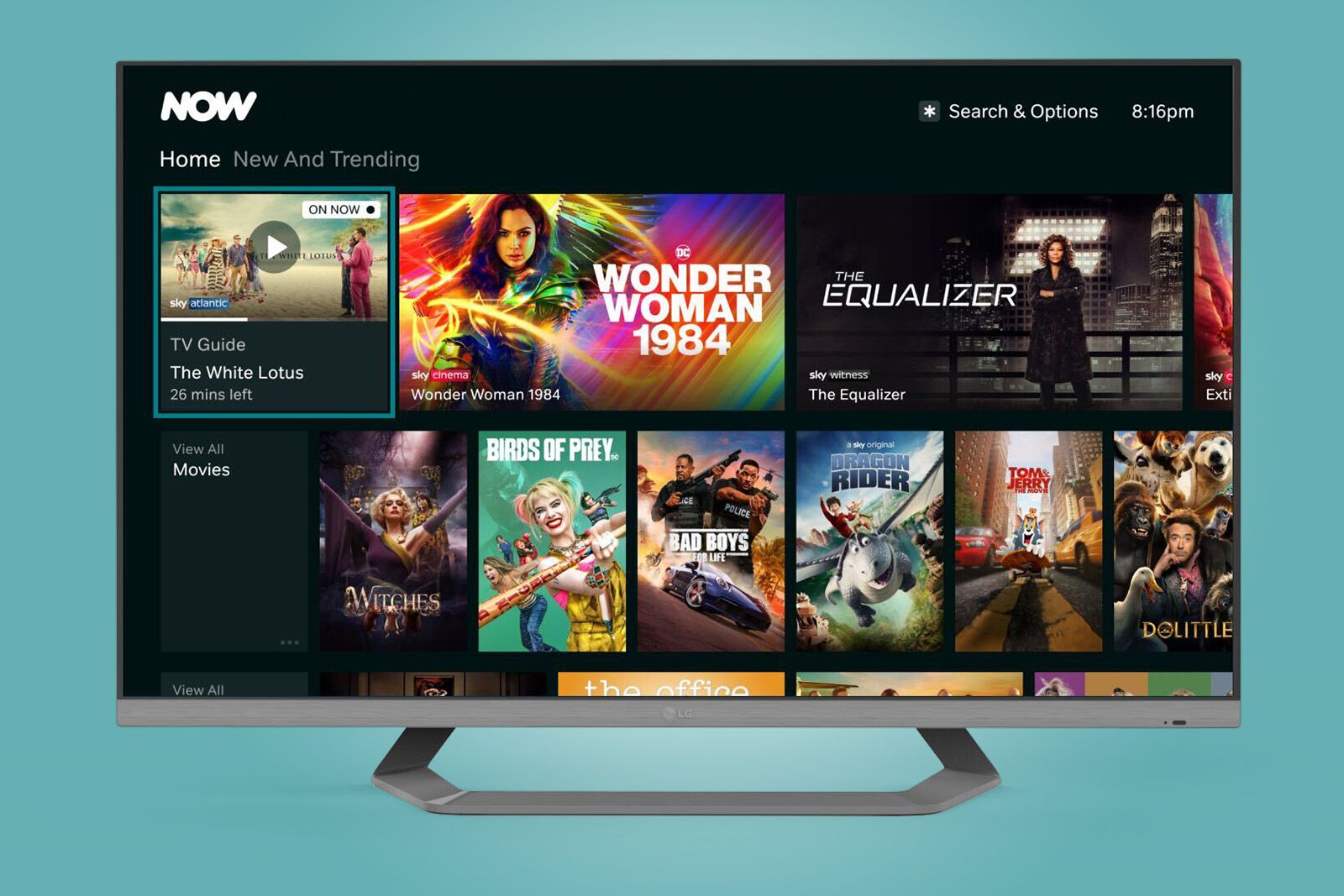
The Evolution of Television Viewing: From Broadcast to Broadband
The journey from a communal, scheduled viewing experience to the highly individualized and on-demand paradigm of today is a testament to relentless technological innovation. Each stage has introduced new capabilities, gradually empowering viewers with unprecedented control and choice.
The Golden Age of Linear TV: Scheduled Programming
For decades, television was synonymous with linear broadcasting. Networks dictated what was on, and when. Viewers adapted their schedules around beloved sitcoms, news broadcasts, and live sporting events. The technology was relatively straightforward: signal transmission, antenna or cable reception, and a passive display. The “appointment viewing” culture fostered a shared national conversation, where everyone discussed the same shows the next day. This era, while seemingly simplistic by today’s standards, laid the foundational habits of television consumption, establishing it as a primary source of entertainment and information for households worldwide. The limitations were clear: if you missed it, you missed it, unless a rerun was scheduled much later.
The Rise of On-Demand: DVRs and Early Streaming
The first cracks in the linear monolith appeared with technologies designed to offer a semblance of control. The Video Cassette Recorder (VCR) in the late 20th century allowed viewers to “time-shift” their viewing, recording programs to watch later. This was a revolutionary concept, offering the first taste of on-demand content. The Digital Video Recorder (DVR) further refined this by making recording and playback seamless, pause-live-TV capabilities, and storing hours of content digitally. Concurrently, the nascent internet began hinting at a future where content delivery wouldn’t be tied to physical media or broadcast airwaves. Early streaming efforts, often characterized by pixelated videos and buffering wheels, demonstrated the potential for delivering content directly over broadband connections. These initial forays, though imperfect, sowed the seeds for the streaming revolution by demonstrating the demand for greater flexibility and personalization.
The Streaming Revolution: Personalization and Choice
The true seismic shift arrived with the maturation of broadband internet and the emergence of dedicated streaming platforms. Netflix, initially a DVD-by-mail service, pivoted to streaming, recognizing the transformative power of readily available digital content. This marked the beginning of an explosion. Suddenly, vast libraries of movies and TV shows were accessible with a click, liberated from broadcast schedules and physical media. The key technological enablers included high-speed internet infrastructure, advanced video compression algorithms, and robust content delivery networks (CDNs) that could efficiently distribute massive amounts of data globally. This era ushered in true personalization, not just in when to watch, but what to watch, driven by sophisticated recommendation engines that analyzed user viewing habits.
Unpacking the Streaming Ecosystem: Platforms and Possibilities
The answer to “what’s on TV now” is inextricably linked to the diverse and ever-expanding ecosystem of streaming platforms. It’s a crowded marketplace, each vying for subscriber attention with unique content libraries, technical features, and pricing models.
The Major Players: Netflix, Disney+, Max, Prime Video, Hulu
At the forefront are the giants, the household names that have reshaped the entertainment landscape. Netflix, the pioneer, continues to dominate with its vast original content library and global reach. Disney+ leverages an unparalleled catalog of family-friendly content, Marvel, Star Wars, and Pixar franchises, appealing to a broad demographic. Max (formerly HBO Max) boasts premium, award-winning dramas and a robust film library. Amazon Prime Video bundles its streaming service with broader e-commerce benefits, offering a mix of original productions and licensed content. Hulu, often linked with traditional TV networks, provides a strong option for current season TV shows and live TV streaming add-ons. Each of these platforms relies on sophisticated backend infrastructure, personalized user interfaces, and adaptive streaming technologies to deliver a high-quality viewing experience across a multitude of devices. Their continued innovation in content acquisition, production, and technological delivery methods defines the competitive edge in this high-stakes arena.
Niche Streaming Services: Curated Content for Every Interest
Beyond the behemoths, a vibrant landscape of niche streaming services caters to specific tastes and communities. From Crunchyroll for anime enthusiasts to Shudder for horror aficionados, and Mubi for arthouse cinema lovers, these platforms demonstrate the power of aggregation and curation in a world of infinite content. Technologically, these services often employ similar streaming infrastructure but differentiate themselves through metadata tagging, community features, and highly targeted recommendation algorithms. They thrive by fostering a sense of belonging among viewers with shared interests, offering a deep dive into specific genres or cultures that broader platforms might only touch upon. This fragmentation, while sometimes challenging for the consumer, reflects a deeper trend towards hyper-personalization, where every conceivable interest can find its dedicated digital home.
Ad-Supported Free Streaming: A New Frontier
The latest evolution in the streaming wars is the significant rise of ad-supported video on demand (AVOD) services. Platforms like Pluto TV, Tubi, The Roku Channel, and Freevee offer thousands of movies and TV shows entirely free, subsidized by commercial breaks. This model democratizes access to content, providing an alternative for viewers unwilling or unable to pay for multiple subscriptions. From a technological perspective, AVOD platforms face the complex challenge of dynamic ad insertion, ensuring that commercials are seamlessly integrated and often personalized to the viewer based on demographic data and viewing habits. This requires sophisticated ad tech stacks, real-time bidding mechanisms, and robust data analytics to maximize revenue while minimizing viewer disruption. The success of AVOD underscores a flexible approach to content consumption, blurring the lines between traditional broadcast television and modern streaming by reintroducing commercials in a digitally optimized format.
Smart Technology at Your Fingertips: Enhancing the Viewing Experience
The ability to access this vast ocean of content is only part of the equation. The physical and digital devices we use play a crucial role in shaping the “what’s on TV now” experience, transforming our living rooms into personalized entertainment hubs.
Smart TVs: The Hub of Home Entertainment

Smart TVs have become the central nervous system of modern home entertainment. These internet-connected televisions integrate streaming apps directly into their operating systems, eliminating the need for external devices for many users. Beyond simply displaying content, Smart TVs often feature advanced display technologies like 4K UHD, HDR (High Dynamic Range), and increasingly, 8K, offering breathtaking visual fidelity. The underlying technology includes powerful processors, intuitive user interfaces (often custom-built by manufacturers like Samsung’s Tizen or LG’s webOS, or powered by Google TV/Android TV), and seamless Wi-Fi connectivity. They also frequently incorporate voice control, casting capabilities (e.g., Chromecast built-in), and integration with smart home ecosystems, making them far more than mere displays—they are intelligent portals to digital content.
Streaming Devices: Sticks, Boxes, and Consoles
While Smart TVs are prevalent, dedicated streaming devices remain incredibly popular for their versatility, portability, and ability to upgrade older TVs. Devices like Amazon Fire TV Sticks, Roku streaming players, Apple TV, and Google Chromecast offer a streamlined interface to access all major streaming services. These compact devices pack significant processing power, advanced Wi-Fi chipsets, and often support the latest audio and video standards. Gaming consoles like PlayStation and Xbox also double as powerful media centers, capable of running streaming apps and delivering high-quality audio-visual experiences. Their ease of setup, regular software updates, and focused user experience make them an essential component for many in navigating the current content landscape, ensuring even non-smart TVs can become fully capable streaming machines.
Voice Assistants and AI: Intelligent Content Discovery
The sheer volume of content available across multiple platforms makes discovery a significant challenge. This is where artificial intelligence and voice assistants step in. Voice commands, integrated into smart TVs, streaming devices, and even dedicated smart speakers, allow users to simply ask “What should I watch?” or “Find me action movies with Tom Cruise.” AI-powered recommendation algorithms analyze viewing history, genre preferences, watch times, and even pause/rewind patterns to suggest highly relevant content. These algorithms are constantly learning and evolving, aiming to predict what a user will enjoy next, significantly reducing the cognitive load of sifting through endless options. The seamless integration of natural language processing and machine learning into our entertainment devices represents a critical technological leap in making the vast content library accessible and enjoyable, transforming content discovery from a chore into an intuitive conversation.
The Challenge of Choice: Overcoming Content Overload
The technological advancements that have brought us unparalleled content choice also present a significant paradox: the tyranny of choice. With hundreds of thousands of titles available across dozens of platforms, deciding “what’s on TV now” can be paralyzing. Overcoming this content overload is a key area of innovation.
Aggregation Platforms: Simplifying Content Discovery
One promising technological solution to content overload is the rise of aggregation platforms. These services aim to be a single “pane of glass” through which users can search across multiple streaming services. Apps like JustWatch, Reelgood, and even integrated smart TV interfaces attempt to index content from various providers, showing where a particular movie or show is available and often providing direct links to play it. This technology relies on sophisticated APIs and data aggregation techniques to pull real-time information from numerous streaming providers, offering a unified search experience. By centralizing content discovery, these platforms reduce the friction of toggling between apps and subscriptions, making the vast streaming universe feel more manageable.
Personalization Algorithms: Tailoring Recommendations
At the heart of modern content discovery are increasingly sophisticated personalization algorithms. Beyond simply recommending similar titles, these AI-driven systems leverage vast datasets—including viewing habits, stated preferences, even time of day viewing patterns—to curate a bespoke content feed for each user. Machine learning models identify intricate patterns and predict user preferences with surprising accuracy. This technology is constantly refined, learning from every interaction to provide more relevant suggestions, highlighting “what’s on TV now” that is most likely to resonate with an individual viewer. The goal is to move beyond mere similarity, anticipating desires and introducing viewers to new content they might not have otherwise discovered, all while keeping them engaged within the platform.
Social Media and Community: Curated Suggestions
While algorithms are powerful, human curation and social validation still play a significant role. Social media platforms, dedicated forums, and online communities frequently serve as powerful discovery engines. Discussions about trending shows, critical reviews from trusted sources, and word-of-mouth recommendations often cut through algorithmic noise. Technology facilitates this by making it easy to share content links, embed trailers, and host live discussions around TV events. Integration features that allow users to share what they’re watching directly from their streaming apps amplify this effect. This blend of algorithmic suggestion and human-driven curation provides a multi-faceted approach to content discovery, ensuring that “what’s on TV now” is not just personally relevant but also culturally resonant.
The Future of TV: Interactive, Immersive, and Personalized
Looking ahead, the answer to “what’s on TV now” will continue to evolve, driven by emerging technologies that promise even more interactive, immersive, and deeply personalized experiences. The trajectory points towards a future where content is not just consumed but actively engaged with.
Live Events and Hybrid Experiences
The distinction between linear and on-demand content is blurring, especially with live events. Technology is enhancing live sports, concerts, and news broadcasts with interactive overlays, multiple camera angles, real-time statistics, and social interaction features. The future will likely see more hybrid experiences where traditional live broadcasts are augmented with digital components, allowing viewers to choose their perspective, participate in polls, or even interact with talent. This requires low-latency streaming technologies, robust backend infrastructure to handle massive concurrent users, and sophisticated user interface design to integrate interactive elements seamlessly without detracting from the primary content.
Metaverse and VR Integration
The nascent metaverse and virtual reality (VR) technologies hold the promise of truly immersive content experiences. Imagine watching a concert from a virtual front-row seat, or a sporting event from the sidelines, with friends from across the globe, all within a shared virtual space. VR headsets like Meta Quest and Apple Vision Pro are paving the way for spatial computing, where content can float in your living room or transport you to entirely new environments. The technological challenges are significant—high-resolution VR displays, powerful rendering engines, real-time multiplayer networking, and intuitive user interfaces—but the potential for transforming “watching TV” into “being there” is immense. This shift could redefine storytelling and audience engagement in profound ways.
The Role of AI in Content Creation and Curation
Beyond recommendation, AI is increasingly making inroads into content creation itself. Generative AI models are capable of assisting with scriptwriting, animating characters, composing scores, and even personalizing aspects of a story based on viewer preferences. Imagine a future where a show could subtly adapt its narrative or character arcs based on your established viewing habits. Furthermore, AI will continue to refine content curation to an almost prescient degree, not just suggesting what to watch, but proactively assembling dynamic playlists or even generating short-form content snippets tailored to a user’s current mood or time constraints. This profound integration of AI throughout the content lifecycle will fundamentally reshape both how “what’s on TV now” is produced and how it is ultimately experienced, promising an era of entertainment that is truly intelligent and responsive to the individual.
aViewFromTheCave is a participant in the Amazon Services LLC Associates Program, an affiliate advertising program designed to provide a means for sites to earn advertising fees by advertising and linking to Amazon.com. Amazon, the Amazon logo, AmazonSupply, and the AmazonSupply logo are trademarks of Amazon.com, Inc. or its affiliates. As an Amazon Associate we earn affiliate commissions from qualifying purchases.