
Tesla. The name alone conjures images of sleek electric vehicles, cutting-edge technology, and a visionary future. But beyond the innovation and the undeniable brand allure, the question of “who owns Tesla cars” delves deep into the realms of finance, investment, and personal economic decisions. This seemingly simple query carries a dual meaning: it pertains both to the individuals and entities who own Tesla vehicles as personal assets, and to the shareholders who own a piece of Tesla the company as a financial investment. Both facets present compelling financial narratives, illustrating significant personal expenditures and high-stakes market plays.
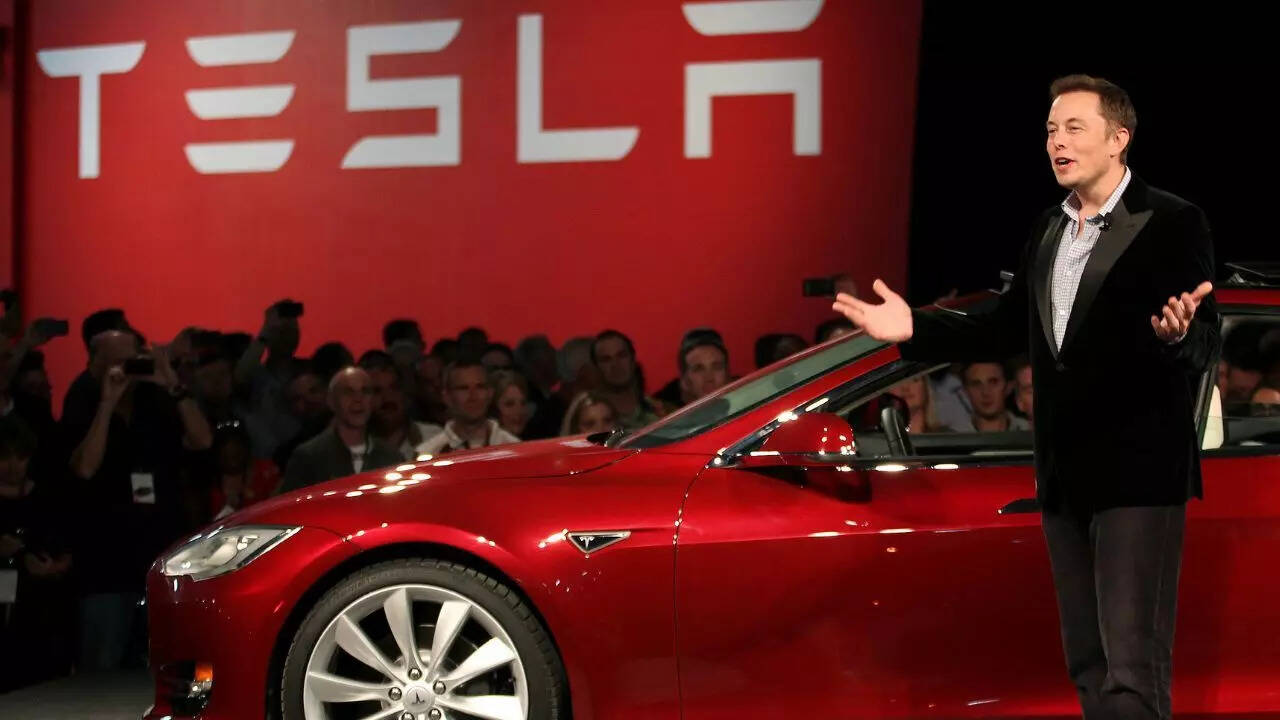
Understanding the financial landscape of Tesla ownership—whether it’s the keys to a Model 3 or shares in TSLA—is crucial for anyone navigating the modern economy. It speaks to the evolving nature of consumer spending, the dynamics of wealth accumulation, and the seismic shifts occurring within the automotive and energy industries. This article will dissect these layers of ownership, offering a comprehensive financial perspective on who holds the tangible and intangible assets associated with the Tesla phenomenon.
The Individual Owner: A Significant Personal Investment
For many, owning a Tesla car represents a pinnacle of personal aspiration and a substantial financial commitment. It’s more than just buying a mode of transport; it’s an investment in a lifestyle, a technology, and often, a statement of financial capability. The financial journey of an individual Tesla owner begins long before the car is delivered and extends well beyond the purchase price.
The Upfront Cost and Financing Landscape
Tesla vehicles are positioned at the premium end of the automotive market, making their upfront cost a primary financial hurdle for prospective owners. Prices for new models can range from approximately $40,000 for an entry-level Model 3 to well over $100,000 for a high-performance Model S or X. This requires significant capital, leading most buyers to engage in various financing strategies.
Traditional auto loans remain the most common method. Buyers typically secure loans from banks, credit unions, or through Tesla’s preferred lending partners, often requiring substantial down payments to manage monthly installments. Interest rates, loan terms (e.g., 60-84 months), and credit scores play critical roles in determining the overall cost of financing. For an expensive vehicle like a Tesla, even a slight difference in interest rates can translate into thousands of dollars over the life of the loan.
Leasing is another popular option, particularly for those who prefer lower monthly payments and the flexibility to upgrade to newer models every few years. While leasing avoids the full upfront purchase cost, it still entails monthly payments, potential mileage limits, and end-of-lease fees. Financially, leasing is often viewed as paying for the depreciation of the vehicle during the lease term, rather than building equity. The decision between buying and leasing a Tesla often hinges on individual financial goals, expected duration of ownership, and tax implications, particularly for business use.
Beyond these traditional methods, some financially affluent individuals may opt for outright cash purchases, bypassing financing costs entirely. This decision is often part of a broader wealth management strategy, weighing the opportunity cost of deploying capital into a depreciating asset versus alternative investments.
Beyond the Purchase Price: Total Cost of Ownership (TCO)
The financial impact of owning a Tesla extends far beyond the initial purchase or lease payments. The Total Cost of Ownership (TCO) is a critical metric for any car buyer, and for Teslas, it presents a unique financial profile.
Insurance: Due to their advanced technology, high repair costs (especially for bodywork involving sensors and specialized components), and performance capabilities, Tesla vehicles often command higher insurance premiums than comparable gasoline-powered cars. This represents a significant ongoing expense that owners must factor into their personal budgets. Discounts might be available for safety features or good driving behavior, but the base cost remains elevated.
Maintenance and Fuel Savings: Here, Tesla offers a distinct financial advantage. Electric vehicles, by nature, have fewer moving parts than internal combustion engine (ICE) cars. This translates to significantly lower routine maintenance costs, with no oil changes, spark plug replacements, or complex exhaust system repairs. While tires and brake pads still require periodic attention, the overall service schedule is much lighter. The most substantial savings come from “fuel.” Charging an EV, whether at home or public charging stations, is typically less expensive per mile than purchasing gasoline. The exact savings depend on local electricity rates, gasoline prices, and the owner’s charging habits (e.g., utilizing off-peak rates for home charging). Over several years, these fuel savings can offset a portion of the higher upfront cost.
Charging Infrastructure Investment: For optimal convenience and cost-efficiency, many Tesla owners invest in home charging solutions, such as a Wall Connector. The cost of installation can range from a few hundred to a couple of thousand dollars, depending on electrical panel upgrades and labor. While a one-time expense, it’s a financial outlay directly linked to Tesla ownership that further adds to the TCO.
Resale Value and Depreciation: An Evolving Asset
Automobiles are generally depreciating assets, losing value over time. However, Tesla’s market position offers a unique dynamic. Historically, Teslas have held their value remarkably well compared to many luxury brands. Factors contributing to this include:
- High Demand: The strong desirability and often long waiting lists for new Teslas create a robust used car market.
- Software Updates: Over-the-air (OTA) updates continuously improve existing vehicles, adding features and enhancing performance, which can somewhat mitigate traditional depreciation by keeping older models feeling modern.
- Technological Lead: Tesla’s perceived advantage in EV technology and self-driving capabilities makes its vehicles attractive even years after their initial release.
However, the rapid pace of technological innovation and Tesla’s pricing strategies (e.g., occasional price adjustments, introduction of cheaper models) can also influence future resale values. The financial calculus of whether a Tesla represents a “good investment” in terms of holding value is complex and subject to market forces and the company’s strategic decisions. Owners must consider depreciation as a significant financial factor when calculating their true cost of ownership and potential future losses or gains upon sale.
Owning a Piece of the Empire: Investing in Tesla Stock
Beyond the physical car, “owning Tesla” also refers to holding shares in Tesla, Inc. (TSLA), making one a part-owner of the revolutionary company itself. This form of ownership falls squarely into the domain of investing and business finance, attracting a diverse range of shareholders from institutional giants to individual retail investors.
Who are the Major Shareholders?
The ownership structure of Tesla, Inc. is a fascinating study in corporate finance and market influence. It’s broadly divided into institutional investors, individual insiders, and a vast network of retail investors.
Institutional Investors: These are large organizations that invest on behalf of clients or members, such as mutual funds, hedge funds, pension funds, and asset management firms. Major institutional holders include giants like Vanguard, BlackRock, State Street, and Capital World Investors. These firms collectively hold substantial portions of TSLA stock, often hundreds of millions of shares, making them significant stakeholders in the company’s financial direction and governance. Their investment decisions are driven by sophisticated financial analysis, market trends, and long-term strategic objectives.
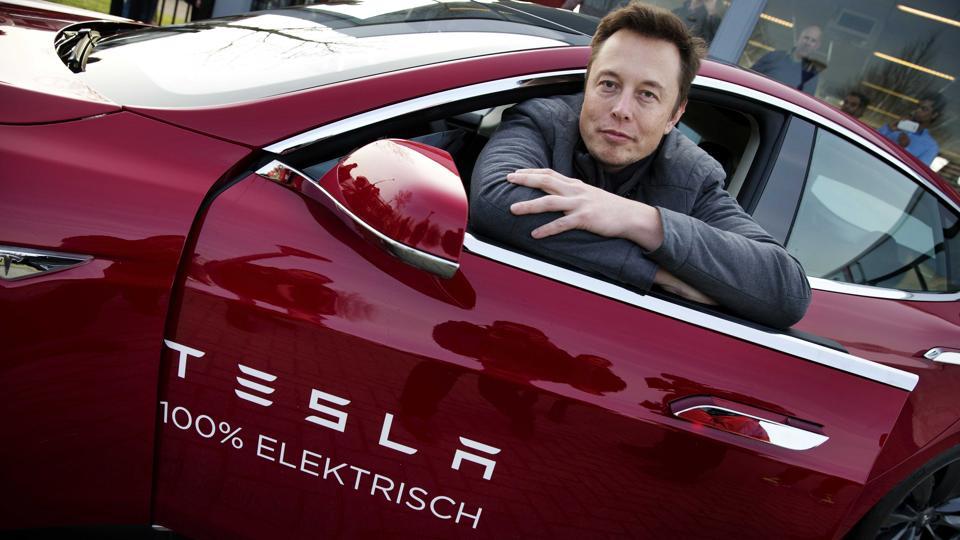
Key Individual Stakeholders: Elon Musk, as the CEO and co-founder, is the largest individual shareholder. His significant stake (which has varied over time due to compensation packages and stock sales) grants him immense influence over the company’s vision, operations, and financial trajectory. Other Tesla executives and board members also hold shares, aligning their personal financial success with the company’s performance.
Retail Investors: Perhaps more than any other major corporation, Tesla has an exceptionally passionate and large base of retail investors—individual investors who buy and sell shares through brokerage accounts. These investors often hold shares for various reasons, from belief in Tesla’s mission and future growth to speculative trading based on market momentum. Their collective action, particularly during periods of high volatility, can significantly impact the stock price, making them a unique force in Tesla’s financial landscape. The accessibility of online trading platforms has democratized investment, allowing millions to own a piece of Tesla.
Tesla Stock as an Investment Vehicle
Investing in TSLA stock has been a roller-coaster ride, characterized by extreme volatility and extraordinary returns for long-term holders. As an investment vehicle, Tesla stock presents a unique set of financial considerations.
Growth Potential vs. Valuation: Tesla’s stock performance has been largely driven by its rapid growth in vehicle production, expansion into new markets, and development of innovative technologies (e.g., battery tech, AI for autonomous driving). Investors often weigh the company’s future growth potential against its current valuation, which by traditional metrics (like Price-to-Earnings ratios) has frequently appeared very high. This implies that investors are betting heavily on Tesla’s ability to execute its ambitious long-term plans and maintain its market leadership.
Volatility and Risk: TSLA is notorious for its price swings, making it a high-risk, high-reward investment. Factors influencing this volatility include quarterly earnings reports, production numbers, competitive announcements, global economic conditions, regulatory changes, and even Elon Musk’s public statements. Investors must have a high tolerance for risk and a clear understanding of their investment horizon. Short-term traders might try to profit from these fluctuations, while long-term investors typically hold through downturns, banking on sustained growth.
Investment Strategies: Different financial strategies apply to TSLA. Value investors might find it overvalued, while growth investors are drawn to its disruptive potential. Day traders and swing traders leverage its volatility for short-term gains. Understanding one’s personal financial goals, risk tolerance, and investment philosophy is crucial before allocating capital to such a dynamic stock. Diversification, as with any investment, remains a cornerstone of sound financial planning.
Shareholder Influence and Business Finance
The distribution of Tesla’s ownership has direct implications for its business finance and corporate governance. Large institutional investors often engage with management on strategic decisions, environmental, social, and governance (ESG) issues, and executive compensation. Their votes are critical in shareholder meetings, influencing board appointments and major corporate actions.
Elon Musk’s significant stake gives him unparalleled control, allowing him to steer the company’s financial resources and strategic direction with a relatively free hand. This concentration of power is a financial characteristic that both excites and concerns investors, as it links the company’s fate so closely to one individual’s vision and decisions. The company’s financial health, capital allocation, and ability to raise funds in the market are all intrinsically tied to its ownership structure and the confidence of its investors.
The Economic Impact of Tesla Ownership
Beyond individual financial choices, the phenomenon of Tesla ownership—both of its cars and its stock—has broader economic ramifications, influencing personal wealth, market dynamics, and the trajectory of entire industries.
Personal Finance Implications for Owners
For individual Tesla car owners, the decision to purchase is a significant personal finance event. It often entails reallocating funds, potentially reducing savings, or taking on new debt. The demographic profile of Tesla owners often skews towards higher-income brackets, early adopters of technology, and those with a strong inclination towards sustainability. For these individuals, the financial sacrifice is often offset by the perceived value, environmental benefits, and technological advancements.
From a personal wealth management perspective, the car itself represents a substantial asset on a balance sheet, albeit a depreciating one. For some, the cost of ownership might be a minor fraction of their wealth, while for others, it represents a considerable portion of their discretionary spending, impacting other financial goals like retirement savings or real estate investment. The financial discipline required to afford and maintain a Tesla, combined with the potential savings on fuel and maintenance, shapes personal budgets in unique ways.
Broader Market Dynamics: Influence on Auto and Energy Sectors
Tesla’s financial success and market adoption have sent ripple effects throughout the global economy, particularly within the automotive and energy sectors.
- Automotive Industry: Tesla’s meteoric rise forced traditional automakers to accelerate their EV development and investment significantly. Billions of dollars are now being poured into electrification by legacy brands, directly influenced by Tesla’s financial performance and market capitalization. This shift has massive implications for job creation, supply chains, and the financial health of countless companies tied to the auto industry. Investments in battery technology, charging infrastructure, and software development have surged.
- Energy Sector: The growing fleet of Tesla vehicles increases demand for electricity, impacting power grids and prompting further investment in renewable energy sources. This pushes utilities and energy companies to adapt their financial models and infrastructure plans to a more electrified transportation future. The financial incentive for developing robust charging networks and sustainable energy solutions has never been stronger.
The Future of Tesla Ownership: Financial Projections and Accessibility
Looking ahead, the financial dimensions of Tesla ownership are poised for further evolution, driven by the company’s strategic goals and broader market trends.
Evolving Price Points and Market Penetration
Tesla’s long-term financial strategy includes making its vehicles more accessible to a wider demographic. The introduction of more affordable models, potential battery cost reductions, and manufacturing efficiencies aim to lower entry prices. As prices become more competitive with traditional sedans and SUVs, the ownership base will broaden, transforming Tesla from a niche luxury item into a more mainstream transportation option. This expansion has significant financial implications, increasing market penetration for both vehicle sales and the potential pool of investors in TSLA stock.
Subscription Models and Alternative Ownership
The financial model of car ownership itself might evolve. Tesla’s Full Self-Driving (FSD) capability is already offered as a monthly subscription, representing a recurring revenue stream for the company and a flexible financial option for owners. Future possibilities include:
- Car-sharing services: Tesla’s vehicles could be integrated into autonomous ride-sharing networks, allowing owners to monetize their cars when not in use, partially offsetting ownership costs.
- Battery-as-a-service: Hypothetically, a future model might separate battery ownership from the car, offering batteries on a subscription or lease basis, further reducing upfront costs and making EVs more financially accessible.
These alternative ownership models, while speculative, highlight the potential for significant shifts in personal finance and how consumers interact with their vehicles. They represent new avenues for revenue for Tesla and innovative financial solutions for buyers.
Conclusion
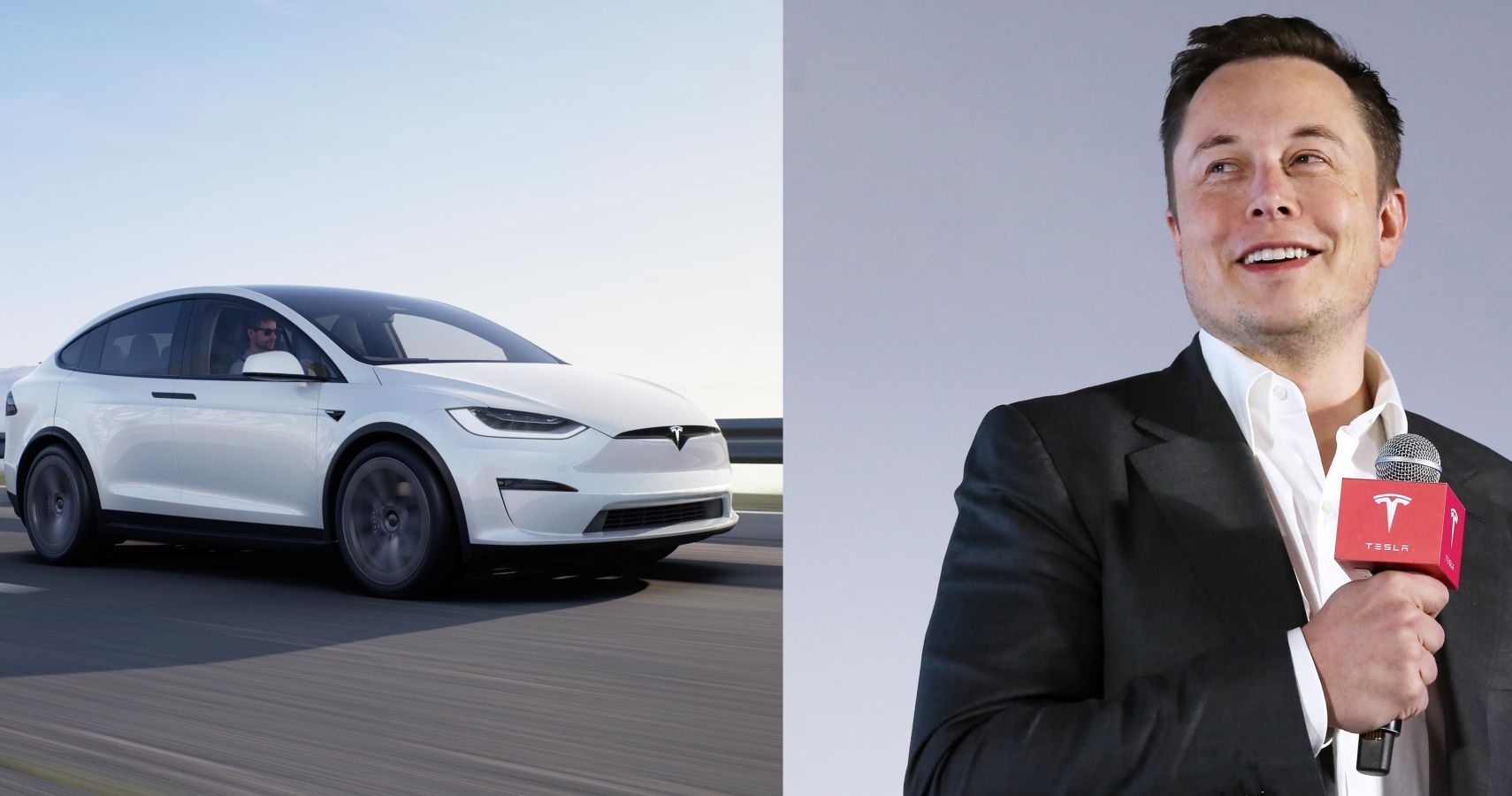
The question “who owns Tesla cars” reveals a multifaceted financial narrative, spanning the tangible asset of an electric vehicle to the abstract equity of a public company. For individual owners, it’s a significant personal finance decision involving substantial upfront investment, careful budgeting for TCO, and consideration of depreciation. For investors, it’s a dynamic and often volatile journey into growth stock investing, driven by innovation, market speculation, and the vision of a singular leader.
Tesla’s ascent has fundamentally altered financial landscapes, compelling established industries to innovate and reshaping consumer spending habits. As the company continues its mission to accelerate the world’s transition to sustainable energy, the financial implications of “owning Tesla cars”—in all its forms—will undoubtedly continue to be a dominant and fascinating topic in the world of money. Whether as a personal asset or a market investment, Tesla represents a pivotal point in the ongoing evolution of our financial and technological future.
aViewFromTheCave is a participant in the Amazon Services LLC Associates Program, an affiliate advertising program designed to provide a means for sites to earn advertising fees by advertising and linking to Amazon.com. Amazon, the Amazon logo, AmazonSupply, and the AmazonSupply logo are trademarks of Amazon.com, Inc. or its affiliates. As an Amazon Associate we earn affiliate commissions from qualifying purchases.