
In a world saturated with information, discerning what truly warrants our attention can feel like an overwhelming task. The sheer volume of content generated daily – from breaking news alerts on our phones to in-depth analyses on niche websites – makes it crucial to understand the underlying principles that determine what gets published and why. This is where the concept of “news values” comes into play. Historically, news values have served as a compass for journalists, guiding their selection of stories and shaping the narratives that reach the public.
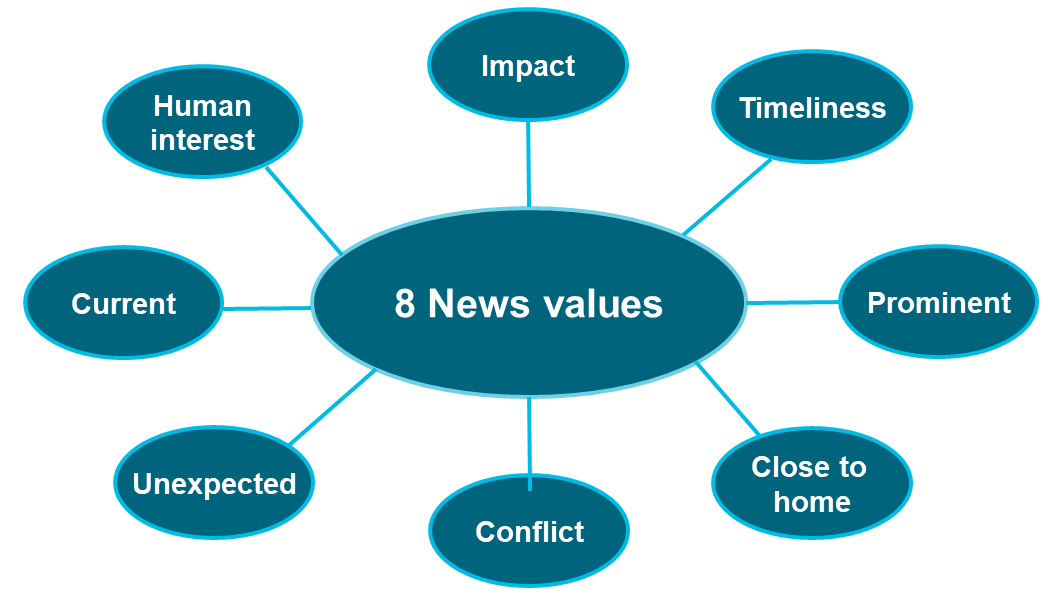
While the core tenets of news values remain relevant, the digital age has dramatically reshaped their application. The advent of the internet, social media, and the constant demand for engagement have introduced new dimensions and complexities to this age-old concept. For businesses, marketers, and individuals alike, understanding these evolved news values is no longer just an academic pursuit; it’s a strategic imperative for cutting through the noise and effectively communicating their message.
This article will delve into what constitutes news values in the contemporary context, drawing insights from the way information is prioritized and consumed across key digital domains like Technology, Brand, and Money. We will explore how these values are not static but dynamically influenced by the platforms and audiences they serve, and how a nuanced understanding can empower you to create content that resonates and achieves its intended impact.
The Enduring Pillars of Newsworthiness
At their core, news values are the criteria that journalists and editors use to determine if a story is significant enough, interesting enough, or important enough to be published. These are the inherent qualities of an event or piece of information that make it newsworthy. While the exact list and their relative importance can vary, several fundamental pillars have stood the test of time:
1. Timeliness
This is perhaps the most straightforward news value. Stories that are current, happening now, or have happened very recently are generally considered more newsworthy. The public is often interested in what is happening in the present and what the immediate future might hold. For instance, a new software release with significant performance enhancements is more timely than a discussion about a decade-old operating system, unless it has direct contemporary implications. In the realm of technology, a breakthrough in AI research announced yesterday will invariably grab more attention than a similar development from five years ago.
2. Proximity
People are generally more interested in events that happen close to them, whether geographically or culturally. A local business experiencing financial difficulties will resonate more with residents of that town than a similar situation happening across the globe, unless there’s a broader, relatable angle. In the context of money, a new investment opportunity impacting the local stock exchange might be more relevant to a regional audience than a complex international bond offering.
3. Prominence (The “Who” Factor)
Stories involving well-known individuals, organizations, or brands tend to attract more attention. This is because audiences are often familiar with these entities and have pre-existing opinions or interests in them. A product launch by a major tech giant like Apple or Google will generate significant buzz due to their prominent status. Similarly, a personal branding success story involving a recognized influencer will likely garner more interest than an anonymous individual’s achievement.
4. Consequence and Impact
The extent to which an event affects a large number of people is a crucial news value. Stories that have a significant impact on the lives, livelihoods, or futures of a community, a nation, or even the world are highly newsworthy. For example, a new government regulation impacting personal finance, a cybersecurity breach affecting millions of users, or a technological innovation poised to revolutionize an industry all carry substantial consequence.
5. Human Interest
These are stories that evoke emotion, appeal to our curiosity, or highlight the unique experiences of individuals. They often focus on the personal struggles, triumphs, or eccentricities of people. While not always directly tied to major global events, human interest stories can be incredibly engaging and relatable. A compelling case study of how a small business owner successfully navigated a challenging economic climate through innovative marketing, or a tutorial on how an individual used a new app to dramatically improve their productivity, can fall under this umbrella.
6. Conflict and Controversy
Disagreements, disputes, and challenges are often inherently dramatic and therefore newsworthy. Whether it’s a corporate battle for market share, a debate over a new technology’s ethical implications, or a personal finance disagreement, conflict draws attention. This doesn’t necessarily imply negativity; it can also highlight the dynamic tension inherent in progress and innovation.
7. Novelty and Rarity (The “Weird” Factor)
The unusual, the unexpected, and the rare often capture our imagination. Stories that are out of the ordinary or present something completely new can become significant news. In technology, a gadget with a truly groundbreaking feature or a software that solves a problem in an unprecedented way falls into this category. Similarly, an exceptionally high online income generated through an unconventional side hustle can be considered novel.
News Values in the Digital Ecosystem: Adapting to New Realities
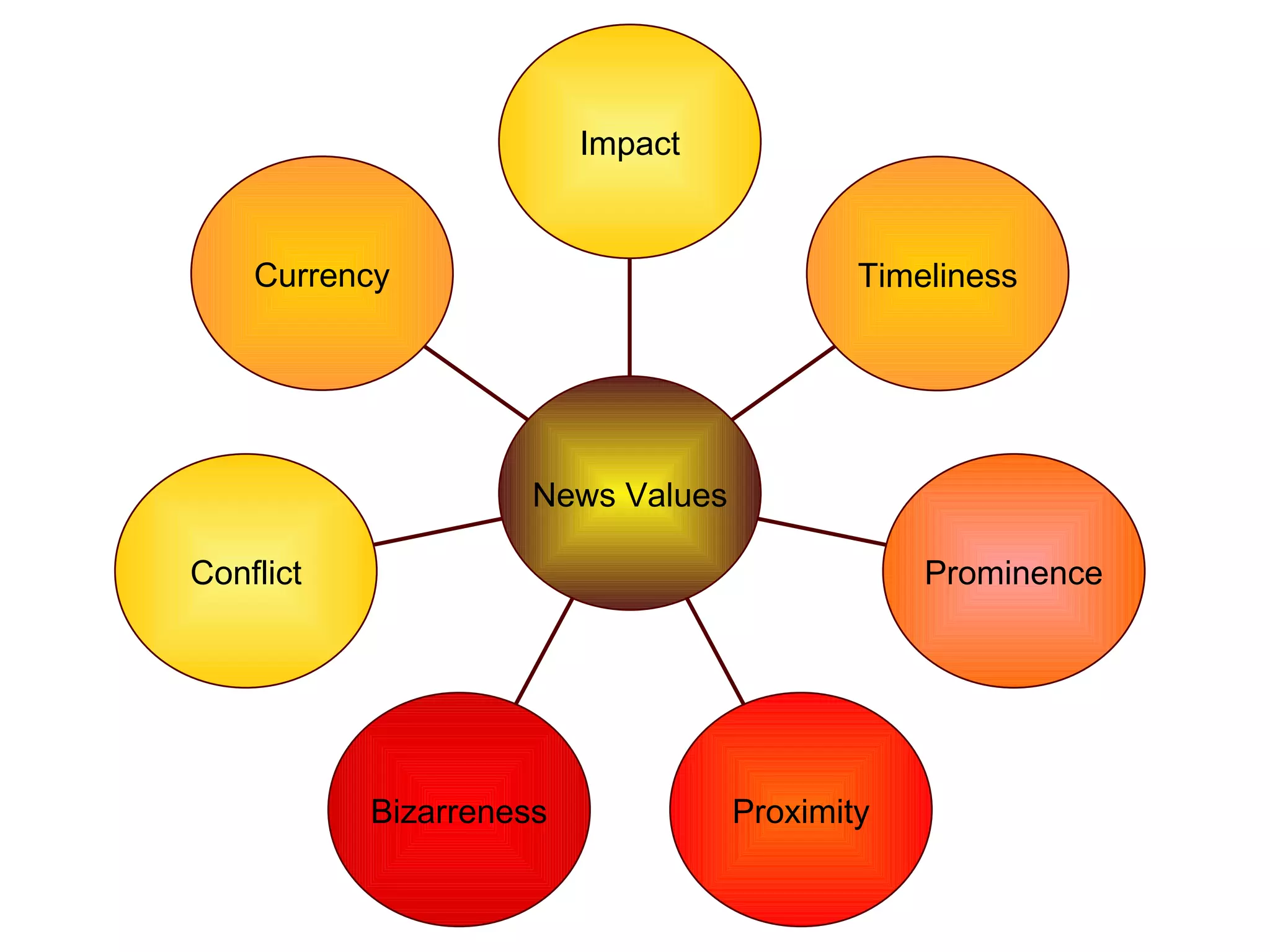
The digital landscape has not only amplified these traditional news values but also introduced new considerations, particularly driven by the dynamics of online platforms and audience behavior. The sheer volume of content necessitates a constant battle for attention, leading to a greater emphasis on certain aspects of newsworthiness.
The Digital Amplification of Prominence and Consequence
In the digital realm, Prominence takes on a dual meaning. It refers not only to the prominence of the subject matter but also to the prominence of the platform or source publishing the information. A story from a well-established tech review site about a new gadget will carry more weight than a similar story from an unknown blog. Similarly, for Consequence, the immediate and widespread reach of online platforms means that a story impacting a large number of users, even if niche, can achieve significant visibility. For example, a flaw in a popular productivity app that affects millions of users worldwide will be deemed highly consequential and newsworthy.
The Rise of Engagement and Virality
The digital age has introduced an element of Engagement as a de facto news value. Content that sparks discussion, receives likes, shares, and comments is often prioritized by algorithms and publishers alike. This is particularly evident in areas like technology, where user reviews and community discussions play a huge role in a product’s success. A marketing campaign that generates significant social media buzz, or a personal finance tip that goes viral, demonstrates this value in action.
The Interplay of Values: Synergy and Trade-offs
It’s important to recognize that news values rarely operate in isolation. They often work in synergy, with one value amplifying another. A timely technological innovation by a prominent company that has significant consequence for users will undoubtedly be considered highly newsworthy. Conversely, a story might possess one strong news value but lack another. For instance, a highly novel but obscure technological breakthrough might struggle to gain traction if it lacks clear consequence or prominence of the source.
Navigating the Landscape: Applying News Values to Your Content
Understanding news values is not just for journalists. For anyone looking to communicate effectively in the digital space – whether it’s a tech startup launching a new app, a brand seeking to build its reputation, or an individual aiming to share their financial expertise – grasping these principles is crucial.
Technology: Beyond the Latest Gadget
In the Tech sector, news values manifest in several ways:
- Timeliness: The rapid pace of innovation means that the latest trends, software updates, AI tools, and gadget releases are always in demand. Tutorials on new features, early reviews of emerging technology, and analyses of upcoming software are highly relevant.
- Consequence: How does this technology impact our lives? Does it improve productivity, enhance digital security, or change the way we work and play? Stories highlighting the practical applications and broader implications of tech are paramount.
- Novelty: Groundbreaking inventions, revolutionary AI applications, and truly unique apps that solve problems in unprecedented ways will always capture attention.
- Prominence: Major tech companies and their products naturally attract attention. However, the rise of influential tech bloggers, YouTubers, and online publications means that sources of information can also gain prominence.
Brand: Building Resonance and Reputation
For Brand and marketing professionals, news values are about crafting compelling narratives:
- Prominence: Highlighting well-known clients, successful brand collaborations, or the impact of a brand on a prominent industry can be effective.
- Consequence: How does the brand’s work impact its customers, stakeholders, or society at large? Case studies demonstrating tangible results and positive change are highly valued.
- Human Interest: Sharing the stories behind the brand, the passion of its founders, or the positive experiences of its customers can create emotional connections.
- Conflict/Controversy (Managed): While often avoided, carefully managed discussions around industry challenges or ethical considerations can position a brand as a thought leader.
Money: Demystifying and Empowering
In the Money domain, news values aim to inform and inspire:
- Timeliness: Information about current market trends, new investment opportunities, evolving online income streams, or timely financial advice is essential.
- Consequence: How does this financial information affect individuals or businesses? Stories about saving money, making informed investment decisions, or improving business finance are highly consequential.
- Prominence: Expert opinions from reputable financial advisors, success stories of well-known investors, or analyses of major market movements carry weight.
- Human Interest: Personal finance journeys, inspiring side hustle stories, and practical tips that resonate with everyday financial struggles are highly relatable.

Conclusion: Mastering the Art of Attention in the Digital Age
The concept of news values, while rooted in traditional journalism, continues to evolve and adapt to the dynamic digital landscape. Understanding these principles – from the enduring pillars of timeliness and prominence to the digitally amplified emphasis on engagement and consequence – is no longer a specialized skill but a fundamental requirement for effective communication.
By consciously applying these news values to the content you create and the stories you tell within the domains of Technology, Brand, and Money, you can significantly increase your chances of capturing attention, fostering engagement, and ultimately achieving your communication objectives. In an era of information overload, mastering the art of newsworthiness is the key to making your message heard and making a lasting impact.
aViewFromTheCave is a participant in the Amazon Services LLC Associates Program, an affiliate advertising program designed to provide a means for sites to earn advertising fees by advertising and linking to Amazon.com. Amazon, the Amazon logo, AmazonSupply, and the AmazonSupply logo are trademarks of Amazon.com, Inc. or its affiliates. As an Amazon Associate we earn affiliate commissions from qualifying purchases.