
Tesla has fundamentally reshaped the automotive landscape, not merely as a car manufacturer, but as a technology company pushing the boundaries of electric vehicles (EVs), artificial intelligence, and sustainable energy. For many, the question “how many models of Tesla are there?” is more than a simple query about a product line; it’s an inquiry into the evolving roster of technological marvels that continue to drive innovation in the transportation sector. While the answer might seem straightforward at a glance, Tesla’s dynamic approach to development means its lineup is consistently expanding, refining, and occasionally redefining categories. At its core, Tesla currently offers four primary passenger vehicle models, complemented by a compelling array of specialized vehicles and future concepts that promise to further diversify its technological footprint.

The Core Four: Tesla’s Pillars of Innovation
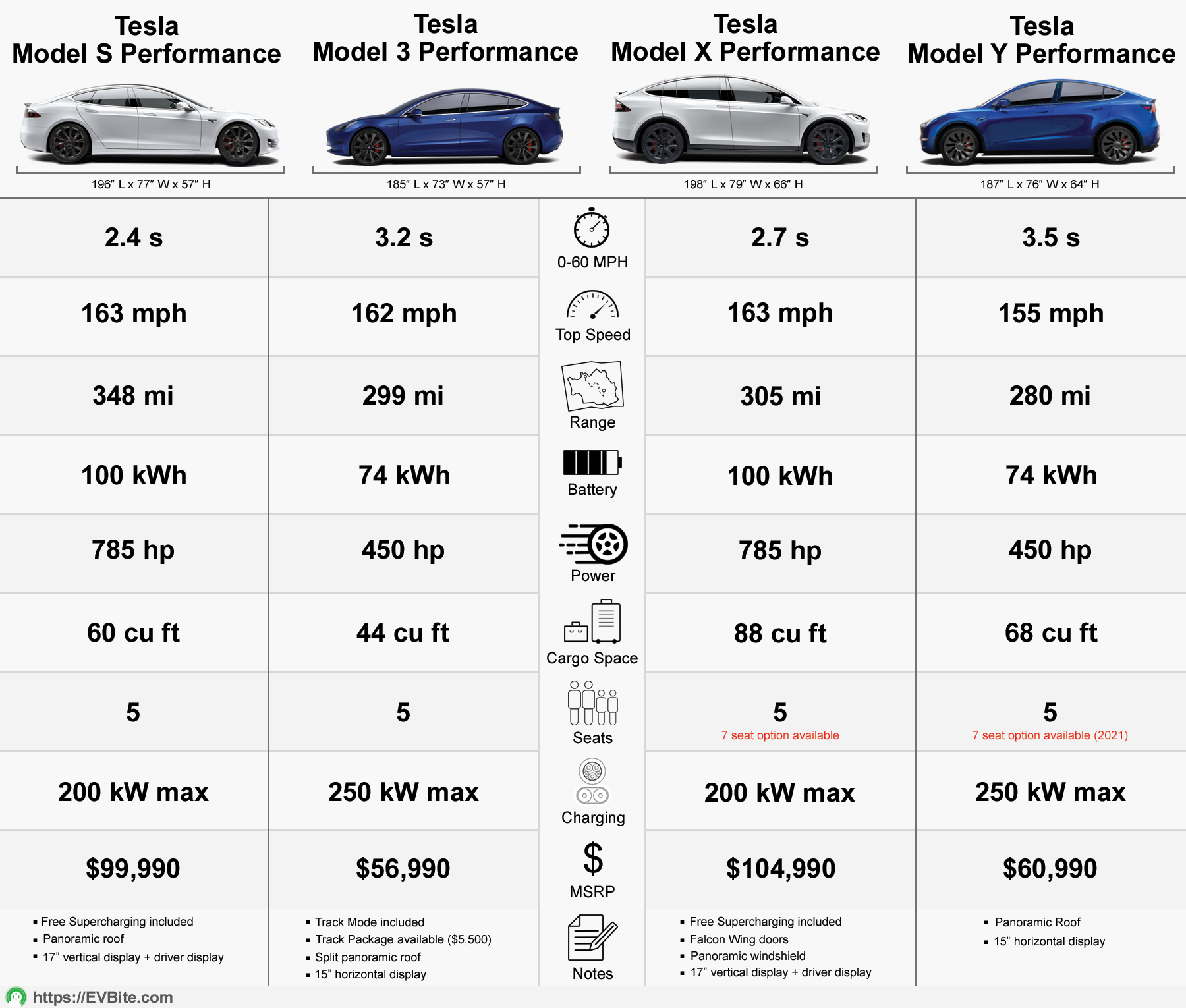
Tesla’s current mass-market appeal and technological dominance are largely built upon a quartet of passenger vehicles, each designed to address different market segments while embodying the company’s core principles of performance, efficiency, and cutting-edge software integration. These models represent distinct engineering achievements and showcase Tesla’s commitment to iterating and improving its foundational EV architecture.
Model S: The Executive Sedan That Started a Revolution
Launched in 2012, the Model S wasn’t just Tesla’s second production car; it was a declarative statement to the world that electric vehicles could be luxurious, high-performance, and technologically superior. Designed as a full-size luxury liftback, the Model S challenged established gasoline-powered competitors with its astonishing acceleration, segment-leading range, and a minimalist interior dominated by a massive central touchscreen.
Technologically, the Model S was groundbreaking. Its large battery pack, integrated into the floor, not only provided a low center of gravity for superior handling but also set new benchmarks for EV range. The dual-motor, all-wheel-drive configurations offered incredible traction and instantaneous torque, propelling the “Plaid” variant to supercar-rivaling 0-60 mph times. Beyond raw performance, the Model S pioneered many features now common in modern EVs, including over-the-air (OTA) software updates, allowing the vehicle to gain new functionalities and improvements remotely, a testament to Tesla’s software-first approach. Its advanced sensor suite formed the basis for early iterations of Autopilot, introducing drivers to semi-autonomous driving capabilities far ahead of its time. The Model S continues to be refined, embodying Tesla’s philosophy of continuous technological evolution.
Model 3: Electrifying the Mass Market
Unveiled in 2016 and entering production in 2017, the Model 3 represented a pivotal moment for Tesla: the transition from a niche luxury EV manufacturer to a volume producer aiming for the mainstream. Designed to be more affordable while retaining Tesla’s core technological advantages, the Model 3 quickly became one of the best-selling electric vehicles globally. Its success demonstrated that mass-market adoption of EVs was not only possible but highly desirable.
The Model 3’s design philosophy emphasized simplicity and efficiency. Its minimalist interior with a single central display for all controls was a radical departure from traditional automotive dashboards, requiring drivers to adapt to a software-centric interface. Underneath its sleek exterior, the Model 3 utilized a new platform designed for manufacturing efficiency, contributing to its lower price point. It featured advanced battery technology optimized for energy density and cost, making long-range electric travel accessible to a broader audience. Critically, the Model 3 carried forward Tesla’s robust Autopilot hardware and software, integrating advanced driver-assistance systems (ADAS) as a standard offering, further democratizing access to cutting-edge automotive technology. Its combination of performance, range, and advanced tech at a relatively accessible price point made it a true game-changer.
Model X: SUV Redefined with Falcon Wing Doors
The Model X, introduced in 2015, brought Tesla’s electric vehicle technology to the SUV segment, but with a distinct flair. Its most striking feature, the “Falcon Wing” rear doors, were not merely a design novelty but a technological statement, offering easier access to the second and third rows in tight parking spaces, albeit with complex engineering challenges. The Model X was designed from the ground up as an SUV that didn’t compromise on performance or range, traditionally weak points for larger, heavier electric vehicles.
Technologically, the Model X shares much of its platform and powertrain components with the Model S, benefiting from similar performance capabilities and range figures. However, its larger dimensions and unique door mechanisms presented different engineering hurdles, requiring sophisticated sensors and software to ensure safe and reliable operation. The cabin experience was also enhanced with features like the panoramic windshield, offering unparalleled visibility and an open-air feel. The Model X appealed to families and those seeking more utility without sacrificing the cutting-edge technology and performance synonymous with the Tesla brand, including advanced air filtration systems and towing capabilities powered by electricity.
Model Y: The Crossover for the Modern Family
The Model Y, launched in 2020, capitalized on the immense popularity of the Model 3 by leveraging much of its platform and components into a more versatile compact SUV/crossover body style. This strategic move allowed Tesla to quickly bring a highly anticipated vehicle to market, targeting one of the fastest-growing segments in the automotive industry. The Model Y essentially offers the compelling tech package of the Model 3 – including its range, performance, and Autopilot capabilities – in a larger, more practical form factor.
Sharing approximately 75% of its parts with the Model 3, the Model Y benefits from streamlined manufacturing processes and established supply chains. This efficiency allows for a quick ramp-up in production and a competitive price point for a vehicle of its size and capabilities. Its design focuses on maximizing interior space and cargo volume, including an optional third row of seating. The Model Y integrates Tesla’s latest battery technology and drivetrain advancements, offering impressive range and acceleration for its class. Its immediate success underscored the market’s demand for practical, tech-laden electric crossovers and solidified Tesla’s position across key passenger vehicle categories.
Beyond the Passenger Car: Tesla’s Expanding Horizons
While the Model S, 3, X, and Y form the backbone of Tesla’s current sales and public image, the company’s vision extends far beyond conventional passenger vehicles. Tesla is actively developing and bringing to market a range of specialized vehicles designed to disrupt other segments, from heavy-duty trucking to extreme sports cars, showcasing its versatile engineering prowess.
Cybertruck: The Future of Utility Vehicles
Unveiled in 2019, the Cybertruck is perhaps Tesla’s most radical departure from traditional automotive design. With its angular, “exoskeleton” design crafted from ultra-hard 30X cold-rolled stainless steel, it looks like nothing else on the road. The Cybertruck is an audacious attempt to redefine the utility truck, combining extreme durability with electric powertrain advantages.
Technologically, the Cybertruck is a marvel. Its unique construction provides unprecedented structural rigidity and resistance to dents and corrosion. The vehicle features adaptive air suspension, advanced steer-by-wire technology, and a massive battery pack designed to offer impressive range and towing capabilities. Its integrated vault, which replaces a traditional bed, can be sealed and locked, enhancing security and utility. The Cybertruck represents a significant engineering challenge and opportunity for Tesla to demonstrate the versatility of its EV platforms in a rugged, demanding segment, pushing the boundaries of material science and vehicle architecture.
Tesla Semi: Electrifying Commercial Transport
The Tesla Semi, revealed in 2017, aims to revolutionize the commercial trucking industry by providing a powerful, efficient, and technologically advanced electric alternative to diesel-powered semi-trailer trucks. This initiative reflects Tesla’s broader mission to accelerate the world’s transition to sustainable energy across all forms of transportation.
The Semi is designed to offer a range of up to 500 miles on a single charge, a critical metric for long-haul freight. Its advanced powertrain, utilizing multiple electric motors (similar to those found in Tesla’s passenger cars), delivers superior torque and acceleration compared to traditional diesel trucks, particularly uphill. Technologically, the Semi incorporates advanced aerodynamic design, regenerative braking to recapture energy, and sophisticated battery thermal management systems to ensure optimal performance and longevity. It also features an Autopilot system tailored for highway trucking, enhancing safety and potentially improving efficiency. The development of the Megacharger network is integral to the Semi’s viability, demonstrating Tesla’s holistic approach to EV ecosystem development.
The Roadster (Second Generation): Reimagining Hypercar Performance
The original Tesla Roadster (2008-2012) was the company’s inaugural production car, a low-volume, high-performance sports car based on the Lotus Elise chassis, proving that electric cars could be thrilling. The second-generation Roadster, unveiled alongside the Semi, promises to be an even more radical technological leap, aiming to redefine the hypercar segment.
With astonishing performance claims – a 0-60 mph time of 1.9 seconds, a top speed over 250 mph, and a range of 620 miles – the new Roadster pushes the limits of electric powertrain technology. These figures are achieved through advancements in battery energy density, motor efficiency, and sophisticated thermal management. The Roadster is designed as a 2+2 convertible, showcasing that extreme performance can coexist with practicality. It embodies Tesla’s aspiration to lead not just in everyday EVs but also in the pinnacle of automotive engineering, utilizing its most advanced technologies to create an unparalleled driving experience.
The Technological Backbone: What Unifies Tesla Models?
While each Tesla model serves a distinct purpose and boasts unique features, they are all underpinned by a common set of advanced technologies that define the Tesla experience. This integrated approach to hardware and software is a core differentiator, setting Tesla apart from many legacy automakers.
Powertrain and Battery Technology
At the heart of every Tesla is its electric powertrain and battery system. Tesla has been a pioneer in developing high-performance electric motors, optimizing them for efficiency, power delivery, and reliability. The company’s battery technology is equally critical, focusing on increasing energy density, improving charging speeds, and extending battery life. Tesla utilizes various battery chemistries (NCA, LFP) depending on the model and application, constantly innovating in cell design (e.g., 4680 cells) and battery pack architecture to reduce cost, increase range, and enhance safety. The sophisticated battery management system (BMS) in every Tesla meticulously monitors individual cells, ensuring optimal performance and longevity, a key technological advantage.
Autopilot and Full Self-Driving (FSD)
Tesla’s Autopilot and Full Self-Driving (FSD) capabilities are perhaps the most talked-about technological features across its entire vehicle lineup. Utilizing an array of cameras, ultrasonic sensors, and radar (though radar has been phased out in some regions), Tesla vehicles are equipped with a powerful neural network computer designed to process vast amounts of real-time environmental data.
Autopilot offers advanced driver-assistance features like adaptive cruise control, lane-keeping assist, and automatic lane changes. FSD, a more advanced optional package, aims for eventual full autonomy, incorporating features like navigating on city streets, automatic parking, and summoning the vehicle. The continuous improvement of these systems through OTA updates and data collection from the fleet highlights Tesla’s software-first approach to autonomy, leveraging machine learning and AI to progressively enhance vehicle intelligence.
Software-Defined Vehicles (SDV)
Tesla vehicles are fundamentally software-defined. This means that many aspects of the car’s functionality, performance, and user experience are controlled and enhanced through software, rather than being solely dictated by hardware. Over-the-air updates allow Tesla to deploy new features, improve existing ones, and even enhance performance or range remotely, much like updating a smartphone.
This software integration extends to the intuitive infotainment system, remote diagnostics, and personalization options, creating a seamless and evolving user experience. The ability to add features post-purchase, such as performance upgrades or FSD capabilities, transforms the traditional car ownership model, positioning Tesla’s vehicles as platforms that continuously improve over time through technological advancements delivered digitally.
The Evolution of the Lineup: Discontinued Models and Future Prospects
Tesla’s journey hasn’t been without its evolutionary steps, including the retirement of foundational models and a constant gaze towards future innovations that will expand its lineup even further.
The Original Roadster: A Legacy of Electric Performance
The original Tesla Roadster (2008-2012) holds a special place in the company’s history. Based on the Lotus Elise, this two-seater sports car was a proof-of-concept, demonstrating that electric vehicles could be exhilarating and offer a viable alternative to gasoline performance cars. While no longer produced, it laid the groundwork for Tesla’s in-house powertrain and battery technology development, proving the market for high-performance EVs and paving the way for the Model S and subsequent vehicles. Its legacy is immense, despite its limited production numbers.
Unannounced and Rumored Models: What’s Next?
Tesla’s roadmap is often shrouded in anticipation, but there are strong indications of future models designed to further democratize EV access and tap into new market segments. A persistent rumor revolves around a more affordable, smaller electric vehicle, potentially dubbed the “Model 2” or an equivalent compact car. Such a vehicle would leverage Tesla’s manufacturing expertise and battery advancements to offer an even more accessible entry point to EV ownership, potentially designed for urban environments. Additionally, specific commercial applications, perhaps smaller vans or different forms of urban transport, remain within the realm of future possibilities as Tesla continues to explore how to apply its core technologies to various mobility challenges.
Tesla’s Impact on Automotive Technology and Beyond
Tesla’s models collectively represent more than just individual products; they are manifestations of a disruptive technological philosophy that has rippled across the entire automotive industry and beyond.
Driving EV Adoption and Innovation
Tesla’s commitment to long-range, high-performance EVs has directly challenged the skepticism surrounding electric vehicles. Each model, from the luxurious Model S to the utilitarian Cybertruck, pushes boundaries in battery range, charging speed (through the Supercharger network), and electric powertrain efficiency. This relentless pursuit of technological advancement has forced traditional automakers to accelerate their own EV development, leading to a broader, more competitive electric vehicle market. Tesla’s technological prowess has normalized EVs, shifting public perception from niche curiosities to desirable, high-tech alternatives.
The Software-First Approach
Perhaps Tesla’s most profound technological impact is its pioneering of the “software-defined vehicle” concept. By treating its cars as advanced computing platforms on wheels, Tesla has transformed the relationship between manufacturer and owner. OTA updates mean a Tesla vehicle improves and gains new features long after purchase, enhancing its longevity and value. This approach has forced competitors to rethink their vehicle architectures, moving towards more integrated software platforms, advanced connectivity, and the potential for new revenue streams through software services. Tesla vehicles are not just cars; they are evolving gadgets, constantly refined by engineers and AI, making them a leading example of innovation in the technology sector.
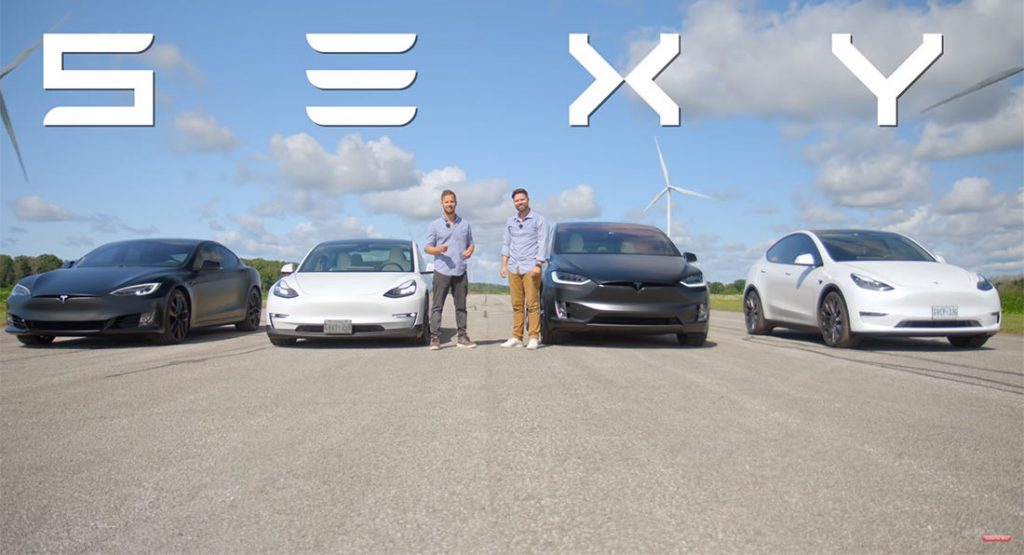
In summary, Tesla’s current lineup primarily consists of four core passenger vehicles: the Model S, Model 3, Model X, and Model Y. Supplementing these are groundbreaking specialized vehicles like the Cybertruck, Tesla Semi, and the second-generation Roadster, each pushing technological boundaries in its respective segment. This diverse portfolio, unified by advanced battery tech, AI-driven autonomous features, and a transformative software-first architecture, cements Tesla’s position not just as an automaker, but as a vanguard of technological innovation in the 21st century.
aViewFromTheCave is a participant in the Amazon Services LLC Associates Program, an affiliate advertising program designed to provide a means for sites to earn advertising fees by advertising and linking to Amazon.com. Amazon, the Amazon logo, AmazonSupply, and the AmazonSupply logo are trademarks of Amazon.com, Inc. or its affiliates. As an Amazon Associate we earn affiliate commissions from qualifying purchases.