
Tesla vehicles have profoundly reshaped the automotive landscape, not just as electric cars, but as sophisticated technological platforms that blend cutting-edge hardware with intelligent software and artificial intelligence. More than just a means of transport, a Tesla represents a paradigm shift in how we think about personal mobility – a computer on wheels, constantly evolving and improving. Understanding “how a Tesla works” means delving into its intricate ecosystem, from the fundamental principles of its electric powertrain to the complex algorithms that enable its autonomous capabilities and the seamless digital experience it offers. This exploration reveals a holistic engineering philosophy where every component is designed to integrate harmoniously, creating a vehicle that is efficient, high-performing, and increasingly intelligent.
The Electric Powertrain: Driving the Future
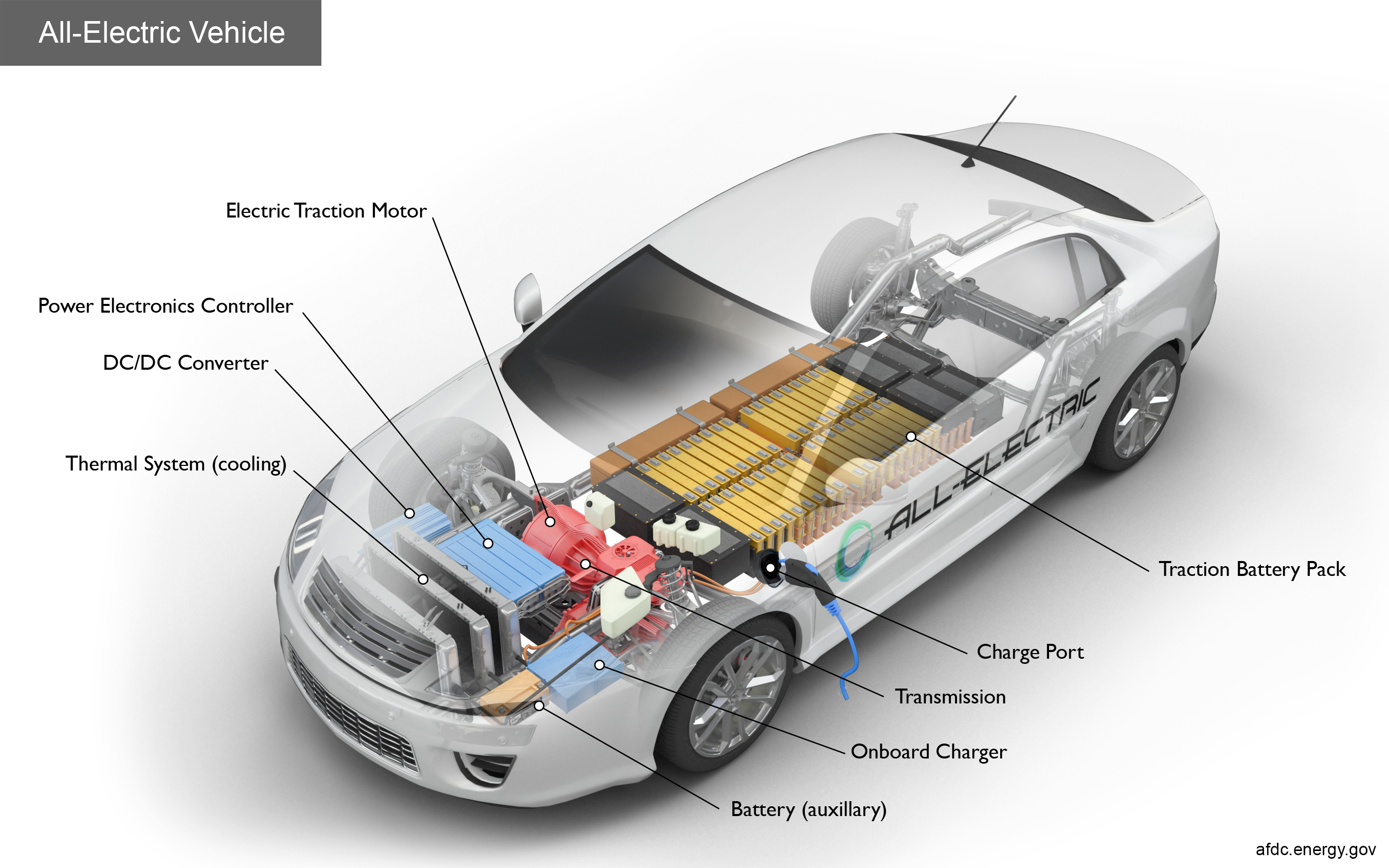
At the core of every Tesla is its revolutionary electric powertrain, a meticulously engineered system designed for maximum efficiency, performance, and reliability. Unlike conventional internal combustion engine (ICE) vehicles that rely on exploding fossil fuels, Teslas harness the power of electricity, converting it into motion with remarkable precision and zero tailpipe emissions. This shift to an all-electric architecture is not merely about replacing an engine with a motor; it’s about rethinking the entire propulsion system from the ground up, optimizing every aspect for electrical performance.
Battery Technology: The Power Source
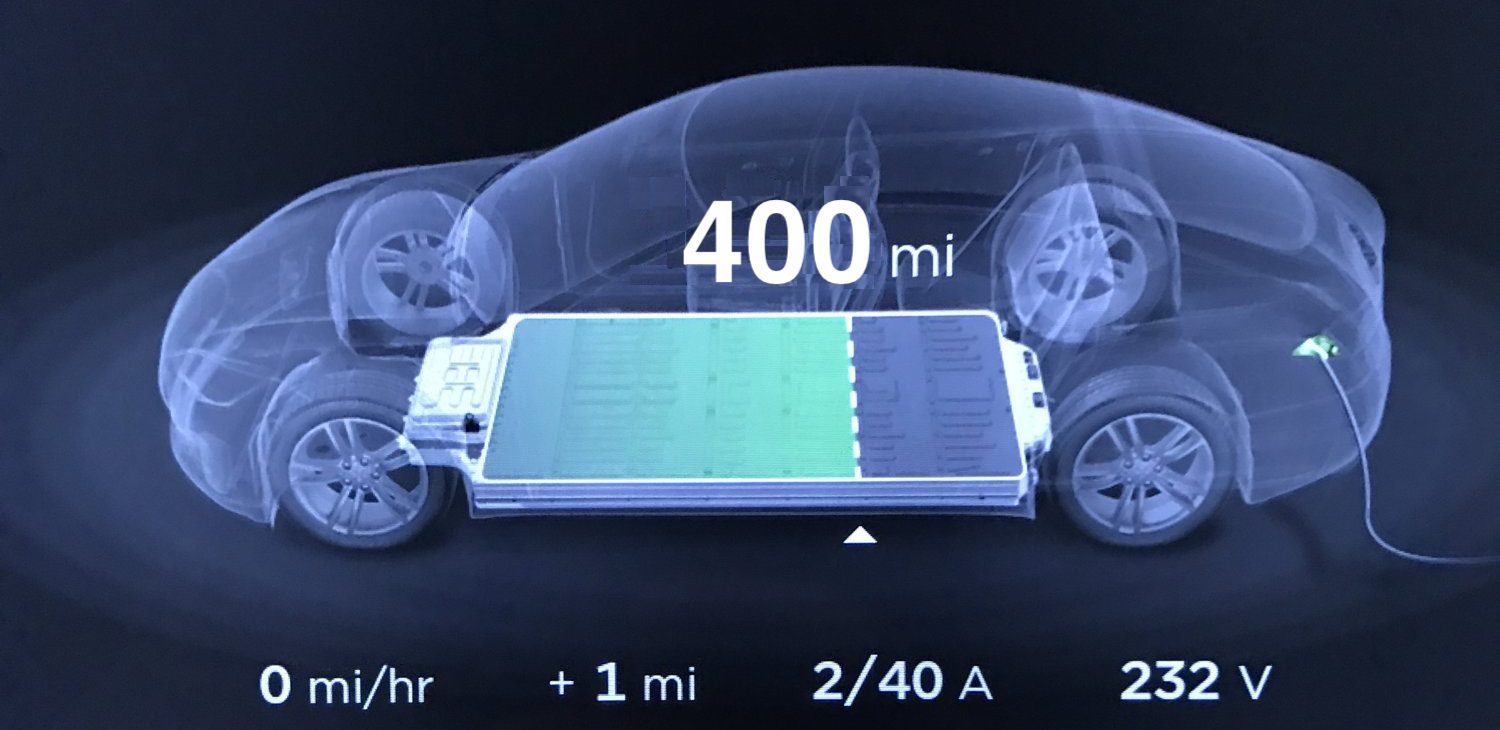
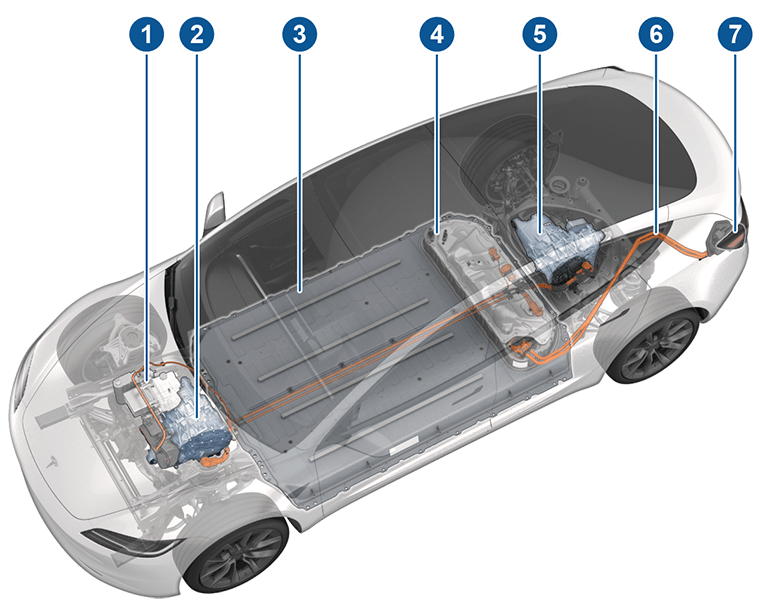
The heart of the Tesla powertrain is its advanced lithium-ion battery pack. These aren’t just large batteries; they are highly sophisticated energy storage systems composed of thousands of individual cylindrical cells (e.g., 18650, 2170, and the newer 4680 formats) meticulously arranged within a structural pack. Each cell is monitored and managed by a sophisticated Battery Management System (BMS) that oversees voltage, current, temperature, and overall health. The pack itself is integrated into the vehicle’s chassis, contributing to its structural rigidity and low center of gravity, which enhances handling and safety. A crucial aspect of Tesla’s battery technology is its liquid thermal management system. This system actively heats or cools the battery pack to maintain an optimal operating temperature range, crucial for maximizing range, performance, charging speed, and longevity. The continuous evolution of cell chemistry and packaging, such as the move to structural battery packs and dry electrode manufacturing, aims to increase energy density, reduce cost, and improve sustainability.
Electric Motors: Efficiency and Performance
Tesla vehicles utilize highly efficient electric motors, primarily a combination of AC induction motors and permanent magnet synchronous reluctance motors, depending on the model and specific drivetrain configuration (e.g., front vs. rear motor in a dual-motor setup). These motors directly convert electrical energy from the battery into mechanical energy, turning the wheels. Unlike traditional combustion engines, electric motors deliver instant torque from a standstill, providing breathtaking acceleration that is a hallmark of Tesla vehicles. Furthermore, electric motors enable regenerative braking, a key efficiency feature. When the driver lifts off the accelerator, the motors reverse their function, acting as generators to feed kinetic energy back into the battery pack, slowing the vehicle and extending its range. This not only reduces wear on physical brakes but also significantly boosts overall energy efficiency, especially in stop-and-go traffic.
Power Electronics: The Brains of the Drivetrain
Connecting the battery to the motors and managing the flow of electricity is a complex array of power electronics. The inverter is perhaps the most critical component, converting the battery’s direct current (DC) into alternating current (AC) to power the electric motors. It precisely controls the frequency and amplitude of the AC current, allowing for variable motor speed and torque. Other vital components include the DC-DC converter, which steps down the high voltage of the main battery to a lower voltage (e.g., 12V) to power auxiliary systems like lights, infotainment, and power windows, and the onboard charger, which converts external AC power (from a wall outlet or charging station) into DC power to replenish the battery pack. These components are integrated with sophisticated software to ensure optimal power delivery, thermal management, and safety across all driving conditions.
The Software-Defined Vehicle: An Automotive Computer on Wheels
Perhaps the most distinctive aspect of a Tesla is its deep integration of software, transforming the car from a mere mechanical device into a truly digital and connected platform. Tesla pioneered the concept of a software-defined vehicle, where many functionalities are controlled, updated, and enhanced through code, much like a smartphone or a computer. This approach allows for unparalleled flexibility, continuous improvement, and the ability to add new features long after the car has left the factory.
Central Computing Platform: Hardware and OS
At the heart of every Tesla is a custom-designed, high-performance computing platform, often referred to as the “FSD Computer” (Full Self-Driving Computer). This powerful piece of hardware, developed in-house by Tesla, is capable of billions of operations per second, necessary for processing vast amounts of sensor data in real-time. It runs a proprietary, Linux-based operating system that manages virtually every aspect of the vehicle – from infotainment and climate control to advanced safety features and powertrain management. This centralized architecture contrasts sharply with traditional automotive designs, which often rely on dozens of separate Electronic Control Units (ECUs) for different functions. Tesla’s integrated approach streamlines development, reduces complexity, and enables seamless interaction between disparate systems, laying the groundwork for sophisticated AI applications.
Over-the-Air (OTA) Updates: Continuous Improvement
A hallmark of the Tesla ownership experience is the continuous improvement delivered through Over-the-Air (OTA) software updates. Much like updates to a smartphone, Teslas regularly receive new software versions wirelessly, downloading directly to the vehicle. These updates can introduce entirely new features (like “dog mode” or “Sentry Mode”), enhance existing functionalities (such as range, performance, or charging speeds), improve the user interface, or patch security vulnerabilities. This capability fundamentally changes the relationship between manufacturer and owner, ensuring that a Tesla can genuinely improve and gain new capabilities over its lifespan, rather than becoming obsolete the moment it leaves the dealership. It fosters a dynamic and evolving ownership experience, where the car gets “better with age.”
Infotainment and User Interface: A Minimalist Experience
The interior of a Tesla is dominated by a large, central touchscreen (15-inch in Model 3/Y, 17-inch in Model S/X). This screen serves as the primary interface for almost all vehicle functions, replacing most physical buttons and knobs found in traditional cars. Drivers use it to control navigation, media playback, climate settings, vehicle performance modes, charging parameters, and even access a growing suite of entertainment options and web browsing. The user interface (UI) is designed to be intuitive and minimalist, prioritizing clarity and ease of use. This digital-first approach not only creates a sleek interior aesthetic but also allows Tesla to rapidly iterate on its user experience, introducing new apps, widgets, and interface improvements with software updates, ensuring the cabin experience remains fresh and modern.
Autonomy and Advanced Driver-Assistance Systems (ADAS)
Tesla’s long-term vision centers on full self-driving capabilities, and its vehicles are equipped with an advanced suite of sensors and a powerful AI to work towards this goal. While “Full Self-Driving” (FSD) capabilities are still under development and require active driver supervision, Tesla’s Autopilot and FSD Beta systems represent some of the most advanced driver-assistance technologies available today.
Sensor Suite: Eyes and Ears of the Vehicle
Central to Tesla’s autonomy strategy is its “Tesla Vision” system, which primarily relies on an array of high-resolution cameras strategically placed around the vehicle. These cameras provide a 360-degree view, offering rich, detailed visual data of the car’s surroundings – identifying lane lines, traffic signs, traffic lights, pedestrians, cyclists, other vehicles, and various road obstacles. While past iterations included radar and ultrasonic sensors, Tesla has increasingly focused on camera-only vision, arguing that biological vision (human eyes) is the primary input for human driving and that a sufficiently robust neural network can interpret this visual data more effectively. The data from these cameras forms the foundation for the car’s perception of the world.
Artificial Intelligence and Neural Networks: The Decision Makers
The raw data streamed from the sensor suite is fed into Tesla’s powerful AI and neural networks. These deep learning models are trained on an enormous dataset of real-world driving scenarios collected from millions of Tesla vehicles globally (the “fleet learning” approach). The AI processes the camera feeds in real-time, identifying objects, classifying them, estimating their speed and trajectory, and predicting their behavior. This perception layer then informs the planning layer, where the AI determines the optimal path, speed, and maneuvers for the vehicle. The entire system operates as an end-to-end neural network, effectively learning to drive by observing human drivers and processing vast amounts of supervised and unsupervised data, continuously refining its decision-making capabilities.
Autopilot and Full Self-Driving (FSD): Levels of Automation
Tesla offers several levels of its advanced driver-assistance systems. Basic Autopilot includes Traffic-Aware Cruise Control (TACC) and Autosteer, which helps keep the car centered in its lane and maintains a set speed or follows the speed of surrounding traffic. Enhanced Autopilot adds features like Navigate on Autopilot (automatic lane changes, highway ramp navigation), Auto Lane Change, Autopark, and Summon. Full Self-Driving (FSD) Capability, currently in beta for many owners, builds upon these features with additional functionalities designed for city streets, such as traffic light and stop sign control, and the ability to navigate complex urban environments. It’s crucial to note that even with FSD, Tesla vehicles are currently classified as Level 2 automation, meaning the driver must remain attentive, keep hands on the wheel (or be prepared to), and be ready to take over at any moment. The system assists, but the driver remains ultimately responsible.
Charging Infrastructure and Ecosystem
The practicality and usability of an electric vehicle depend heavily on its charging ecosystem. Tesla recognized this early on and invested heavily in building out a comprehensive charging network that sets it apart from many competitors. This strategy addresses range anxiety and ensures seamless integration with the vehicle’s navigation and battery management systems.
Supercharger Network: Proprietary and Powerful
The Tesla Supercharger network is a cornerstone of the Tesla experience. It’s a global network of high-speed DC fast chargers strategically located along major travel routes and in urban centers. Superchargers are designed for rapid charging, allowing Tesla owners to add hundreds of miles of range in typically 15-30 minutes, significantly reducing travel times on long journeys. The chargers communicate directly with the vehicle, managing charge rates for optimal battery health and displaying charging status on the car’s screen and the Tesla app. The Supercharger network is tightly integrated with the car’s navigation system, which automatically plans routes to include necessary charging stops, pre-conditions the battery for faster charging, and provides real-time availability data. With recent moves to open the network to non-Tesla EVs in various regions and the adoption of the North American Charging Standard (NACS) by other automakers, the Supercharger network is poised to become even more influential.
Home Charging and Destination Charging: Everyday Convenience
While Superchargers are essential for long-distance travel, the vast majority of Tesla charging happens at home or at destination chargers. Tesla offers various solutions for home charging, most notably the Wall Connector, a dedicated 240V charger that provides fast overnight charging, ensuring a full battery every morning. For more flexibility, the Mobile Connector allows charging from standard 120V (trickle charging) or 240V outlets with appropriate adapters. Beyond home, Tesla partners with hotels, restaurants, and workplaces to install Destination Chargers, offering convenient AC charging options while owners are parked for extended periods. This multi-tiered approach to charging ensures that Tesla owners have access to convenient and reliable charging options wherever they go, making daily EV ownership hassle-free.
Energy Management and Efficiency
Tesla vehicles are not just about raw power; they are also about intelligent energy management. The car constantly monitors energy consumption and dynamically adjusts systems to maximize efficiency. Features like cabin preconditioning (heating or cooling the interior while plugged in to preserve battery range), intelligent routing that accounts for elevation changes and weather, and sophisticated battery temperature regulation all contribute to optimizing range and battery longevity. The integration of charging data with the vehicle’s software allows owners to schedule charging during off-peak hours, track energy usage, and even manage their home energy ecosystem if they also own Tesla Solar and Powerwall products, creating a cohesive and sustainable energy solution.
The Future of Tesla Technology
Tesla’s journey is far from over; the company continues to push the boundaries of automotive and energy technology. The future of “how a Tesla works” will undoubtedly involve deeper integration of AI, further advancements in battery and powertrain technology, and an ever-expanding ecosystem.
Continued AI Advancement and Robotics
The ongoing development of Tesla’s AI for Full Self-Driving remains a primary focus. Future iterations will aim for greater robustness, generalization, and ultimately, regulatory approval for truly unsupervised autonomous driving. This work isn’t limited to cars; Tesla’s advancements in AI perception and planning are also being applied to projects like the Optimus humanoid robot, hinting at a future where Tesla’s AI could power a range of intelligent machines, extending its impact far beyond vehicles. The continuous feedback loop from millions of vehicles ensures that the neural networks are always learning, paving the way for more sophisticated and reliable autonomous capabilities.
Battery and Powertrain Innovations
Innovation in battery technology will continue to drive improvements in range, cost, and charging speed. Expect to see continued refinement of cell chemistries (e.g., increased adoption of LFP for standard range vehicles, new high-nickel chemistries for performance), packaging technologies like structural battery packs, and advancements in manufacturing processes to reduce environmental impact and production costs. Powertrain components will also become more compact, lighter, and even more efficient, pushing the boundaries of electric vehicle performance and practicality. The goal remains to deliver greater energy density and faster charging at a lower cost, making EVs more accessible to a broader market.
Integrated Ecosystem: Energy and Mobility
Tesla’s vision extends beyond individual vehicles to an integrated sustainable energy ecosystem. The interplay between Tesla vehicles, Solar Roofs, and Powerwall home battery storage systems signifies a future where homes generate their own clean energy, store it, and use it to power their vehicles and residences. This holistic approach aims to accelerate the world’s transition to sustainable energy by offering seamless solutions for energy generation, storage, and consumption, ultimately creating a closed-loop system that maximizes efficiency and minimizes reliance on fossil fuels.
Tesla’s unique approach to vehicle engineering, integrating a highly efficient electric powertrain with a sophisticated software architecture and advanced AI, defines “how a Tesla works.” It’s a holistic system designed for continuous improvement, offering a driving experience that is not only powerful and efficient but also intelligent and constantly evolving. This blend of cutting-edge hardware, revolutionary software, and a commitment to a sustainable energy future positions Tesla as a technological pioneer, continuously redefining the capabilities and expectations of personal transportation.
aViewFromTheCave is a participant in the Amazon Services LLC Associates Program, an affiliate advertising program designed to provide a means for sites to earn advertising fees by advertising and linking to Amazon.com. Amazon, the Amazon logo, AmazonSupply, and the AmazonSupply logo are trademarks of Amazon.com, Inc. or its affiliates. As an Amazon Associate we earn affiliate commissions from qualifying purchases.