
Investing in the stock market can be a powerful way to grow wealth, and for many, an iconic company like Tesla (TSLA) represents an appealing opportunity. As a leader in electric vehicles, battery technology, and artificial intelligence, Tesla has captured significant attention from both seasoned investors and newcomers alike. If you’re looking to add TSLA shares to your portfolio, understanding the process, choosing the right platform, and knowing the associated financial considerations are crucial steps. This guide will walk you through everything you need to know to effectively navigate the process of buying Tesla stocks.

Understanding the Landscape: Why Invest in Tesla and What You Need
Before diving into the mechanics of purchasing shares, it’s essential to understand what stock ownership entails and to assess your own financial readiness. Investing is not just about picking a company; it’s about aligning your financial goals with your risk tolerance.
The Mechanics of Stock Ownership
When you buy shares of Tesla, you are purchasing a small piece of ownership in the company. As a shareholder, you become an equity owner, and your investment’s value will fluctuate based on the company’s performance, market sentiment, and broader economic factors. While owning stock grants you certain rights, such as voting on corporate matters in some cases, the primary draw for most investors is the potential for capital appreciation—your shares increasing in value over time.
Why Tesla? An Investment Perspective
Tesla stands out due to its innovative products, strong brand loyalty, and leadership in emerging technologies. Investors are often drawn to its growth potential in the EV market, its ventures into AI and robotics, and its ability to disrupt traditional industries. However, it’s crucial to remember that past performance is not indicative of future results, and all investments carry inherent risks. Your decision to invest in Tesla should be based on your personal research and belief in the company’s long-term prospects within your overall financial strategy, not solely on hype.
Assessing Your Investment Readiness
Before making any investment, consider your financial situation. Do you have an emergency fund in place? Are your high-interest debts paid off? Investing in stocks should typically come after these foundational financial steps. Furthermore, assess your risk tolerance. Tesla’s stock has historically been volatile, experiencing significant swings in value. Are you comfortable with the possibility of your investment decreasing in value in the short term for the potential of long-term gains? Understanding your financial goals—whether you’re saving for retirement, a down payment, or simply aiming for long-term growth—will also help guide your investment strategy.
Choosing the Right Investment Platform: Your Brokerage Account
To buy Tesla stocks, you will need a brokerage account. This account acts as your gateway to the stock market, allowing you to place buy and sell orders. Selecting the right brokerage is a critical decision, as it impacts fees, available tools, and your overall investment experience.
Types of Brokerage Accounts
- Discount Brokers: These platforms typically offer lower fees and commissions, appealing to self-directed investors who prefer to manage their own portfolios. They provide the tools and access but generally offer less personalized advice. Many popular online brokers fall into this category.
- Full-Service Brokers: These firms offer a broader range of services, including personalized financial advice, wealth management, and retirement planning, often at a higher cost. While they can be valuable for complex financial situations, they might be overkill if your primary goal is simply to buy and manage a few individual stocks.
For most individual investors looking to buy Tesla shares, a discount online brokerage account will be the most suitable and cost-effective option.
Key Factors When Selecting a Broker
When evaluating brokerage platforms, consider the following:
- Fees and Commissions: Many online brokers now offer commission-free trading for stocks and ETFs. However, be aware of other potential fees, such as account maintenance fees, inactivity fees, or fees for transferring funds.
- Research Tools and Educational Resources: Look for platforms that provide robust research capabilities, analyst reports, news feeds, and educational content that can help you make informed decisions about your investments.
- User Experience and Mobile App: A user-friendly interface, both on desktop and mobile, can significantly enhance your trading experience, making it easier to monitor your portfolio and place orders on the go.
- Customer Service: While you might be self-directed, having access to responsive and knowledgeable customer support can be invaluable when you encounter issues or have questions.
- Regulatory Compliance: Ensure the broker is regulated by relevant authorities (e.g., FINRA and the SEC in the U.S.) and offers investor protection, such as SIPC insurance, which protects your securities up to $500,000 in the event the brokerage firm fails.
Popular Brokerage Platforms for Buying Stocks
Several reputable online brokers cater to individual investors. Some of the most well-known include:
- Fidelity: Known for its comprehensive research, low fees, and wide range of investment products.
- Charles Schwab: Offers a strong balance of low costs, extensive research, and excellent customer service.
- E-Trade: A long-standing player with a user-friendly platform, robust tools, and a good mobile experience.
- Vanguard: Often favored by long-term investors for its low-cost ETFs and mutual funds, though it also offers individual stock trading.
- Interactive Brokers: Geared towards more active traders and professionals, offering advanced tools and competitive pricing.
- Robinhood: Popular with newer investors for its commission-free trading and intuitive mobile app, though it has faced scrutiny regarding its gamified interface and payment-for-order-flow model.
Researching a few of these and comparing their features against your personal needs will help you find the best fit.
The Step-by-Step Process of Buying TSLA Shares
Once you’ve chosen a brokerage, the actual process of buying Tesla stock is relatively straightforward.
Opening and Funding Your Account
- Open an Account: Visit the chosen brokerage’s website or download their app and follow the prompts to open a new individual brokerage account. You’ll typically need to provide personal information, including your Social Security number, address, and employment details, for identity verification (Know Your Customer – KYC requirements).
- Link Your Bank Account: Once your account is approved, you’ll need to link it to your bank account to transfer funds. This usually involves providing your bank’s routing and account numbers.
- Fund Your Account: Initiate a transfer from your bank account to your brokerage account. Common methods include Electronic Funds Transfer (EFT/ACH), wire transfers, or mailing a check. EFTs are often free but can take a few business days for funds to become available for trading.
Navigating the Trading Platform
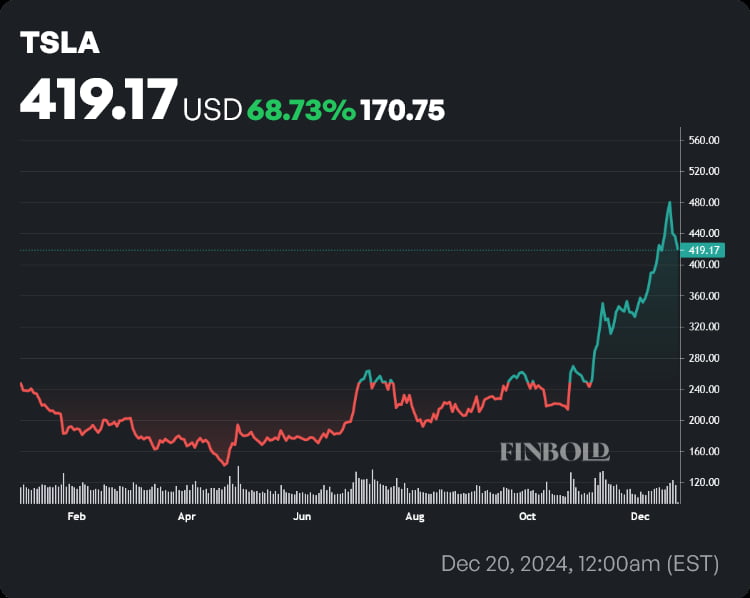
After your funds have settled, log into your brokerage account. You’ll typically find a search bar or a “trade” section. Enter Tesla’s ticker symbol, which is TSLA, to find the company’s stock page. Here, you’ll see real-time price quotes, historical charts, news, and various metrics.
Placing Your Order
To buy shares, you’ll enter the “buy” order screen. Here, you’ll specify:
- Action: Buy
- Quantity: The number of shares you wish to purchase. If your broker offers fractional shares (allowing you to buy a portion of a share), you can also specify a dollar amount you wish to invest (e.g., “$100 of TSLA”).
- Order Type: This is crucial and determines how your order is executed.
- Market Order: Instructs your broker to buy shares immediately at the best available price. While convenient, the price you pay might be slightly different from the last quoted price due to market fluctuations, especially during volatile periods.
- Limit Order: Allows you to set a maximum price you are willing to pay per share. Your order will only be executed if the stock’s price falls to or below your specified limit price. This provides more control over the purchase price but means your order might not be filled if the stock never reaches your limit. For volatile stocks like Tesla, a limit order can be a prudent choice.
- Time in Force: Specifies how long your order remains active (e.g., “Day” for the current trading day, “Good ‘Til Cancelled” (GTC) for an extended period).
After reviewing all the details, submit your order.
Confirmation and Ownership
Once your order is executed, you’ll receive a confirmation. The actual transfer of ownership and funds (known as “settlement”) typically takes two business days (T+2). After settlement, the shares will officially appear in your brokerage account, making you a proud owner of Tesla stock.
Beyond the Initial Purchase: Managing Your Investment
Buying the stock is just the beginning. Effective portfolio management is key to long-term success.
Monitoring Your Investment
Regularly check the performance of your TSLA shares. Stay informed about company news, earnings reports, product launches, and general market trends that could impact Tesla’s stock price. Most brokerage platforms provide tools and alerts to help you track your investments.
The Importance of Diversification
While you might be enthusiastic about Tesla, it’s generally unwise to put all your investment capital into a single stock, no matter how promising it seems. Diversification—spreading your investments across various companies, industries, and asset classes—helps mitigate risk. If one investment underperforms, others may compensate, protecting your overall portfolio. Consider diversifying with other individual stocks, exchange-traded funds (ETFs), or mutual funds.
Long-Term vs. Short-Term Strategy
Consider your investment horizon. Are you investing in Tesla for long-term growth (holding for years) or are you looking for short-term gains? Your strategy will influence your decisions on when to buy, sell, and how often to monitor your investment. Short-term trading can incur higher taxes and fees and is generally riskier.
Tax Considerations
Profits from selling stocks are subject to capital gains taxes. If you hold shares for less than a year, they are typically taxed at your ordinary income rate (short-term capital gains). If you hold them for more than a year, they are usually taxed at a lower long-term capital gains rate. Keep meticulous records of your buys and sells, and consult with a tax professional to understand the full implications for your specific situation.
Rebalancing and Reassessing
Periodically review your entire investment portfolio. Does your allocation still align with your financial goals and risk tolerance? Market movements can shift your portfolio’s balance, making it necessary to rebalance by selling some appreciated assets and buying more of others to maintain your desired allocation.
Important Considerations and Risks
Investing in individual stocks, particularly a high-growth, high-volatility stock like Tesla, comes with inherent risks that must be acknowledged.
Volatility and Market Fluctuations
Tesla’s stock price has historically been highly volatile. It can experience significant price swings in response to company news, CEO Elon Musk’s statements, industry developments, and broader economic conditions. Be prepared for these fluctuations and avoid making impulsive decisions based on short-term price movements.
Company-Specific Risks
While Tesla is a market leader, it faces intense competition from established automakers and new EV startups. Regulatory changes, supply chain disruptions, manufacturing challenges, and potential missteps in product development or strategy could all negatively impact the company’s performance and, consequently, its stock price.
Do Your Own Due Diligence
Never invest based solely on tips or headlines. Conduct thorough research into Tesla’s financial health, management team, competitive landscape, and future prospects. Understand its business model, risks, and potential challenges. Look at its balance sheet, income statement, and cash flow statements. This “due diligence” is paramount for any investment.

Seeking Professional Advice
If you feel overwhelmed or uncertain, consider consulting a qualified financial advisor. They can help you assess your financial situation, define your goals, understand your risk tolerance, and build a diversified portfolio that includes investments like Tesla, tailored to your individual needs.
Buying Tesla stock is an accessible process, but it demands careful consideration, diligent research, and a clear understanding of your financial objectives and risk capacity. By choosing the right platform and adopting a thoughtful investment strategy, you can confidently participate in the stock market.
aViewFromTheCave is a participant in the Amazon Services LLC Associates Program, an affiliate advertising program designed to provide a means for sites to earn advertising fees by advertising and linking to Amazon.com. Amazon, the Amazon logo, AmazonSupply, and the AmazonSupply logo are trademarks of Amazon.com, Inc. or its affiliates. As an Amazon Associate we earn affiliate commissions from qualifying purchases.