
In an increasingly digital world, managing travel plans has become a largely online endeavor. Platforms like Expedia have revolutionized how we search, book, and organize our journeys, offering unparalleled convenience at our fingertips. However, the fluid nature of life often necessitates changes to even the most meticulously planned itineraries. When unforeseen circumstances arise, understanding the digital pathways to modify or cancel a flight becomes not just useful, but essential. This guide delves into the technological nuances of cancelling a flight booked through Expedia, focusing on the digital interface, system processes, and the most efficient methods for navigating this often-daunting task within the platform’s ecosystem.
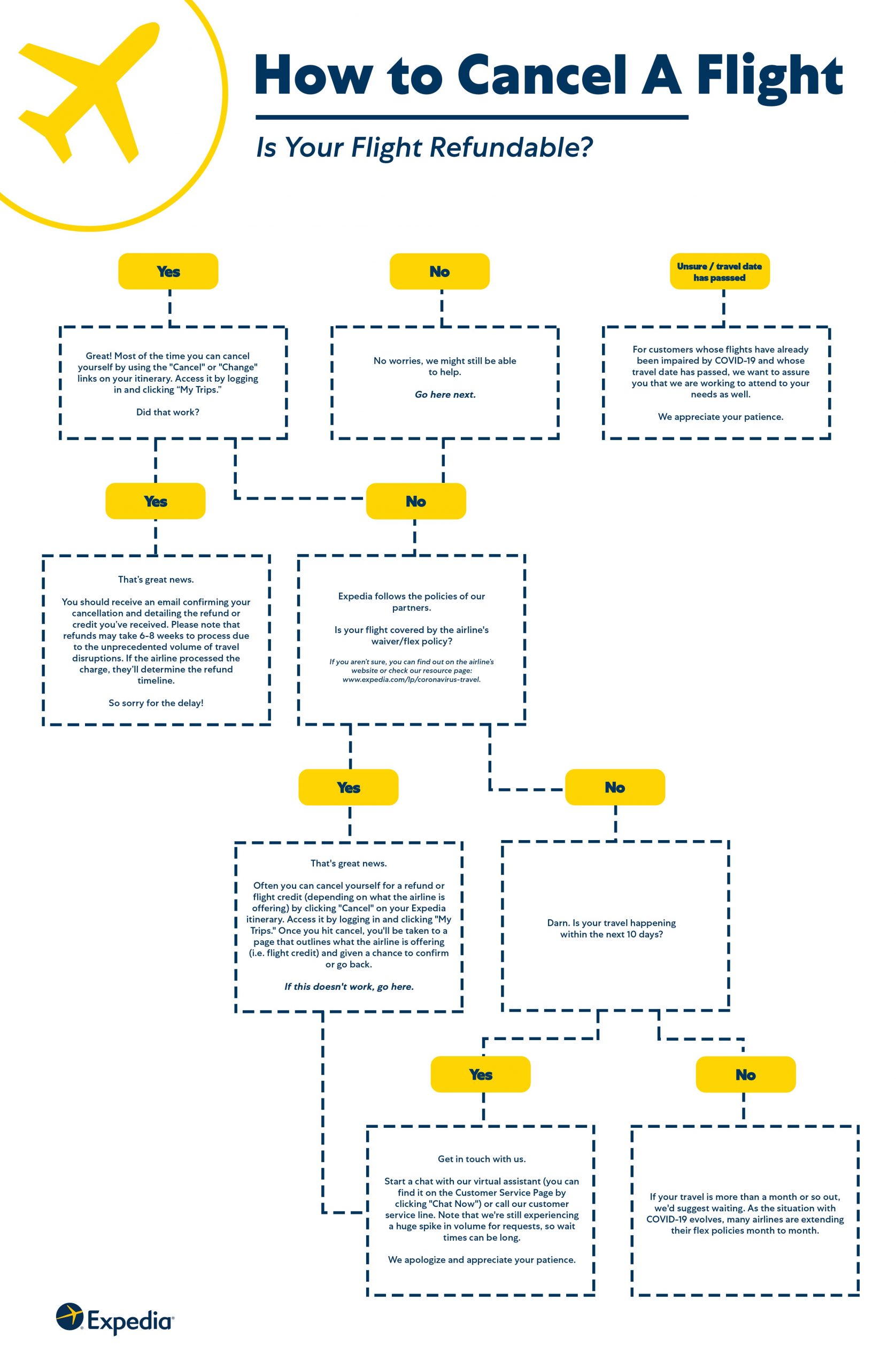
Cancelling a flight on Expedia is more than just clicking a button; it involves interacting with a sophisticated digital system designed to mediate between travelers, airlines, and sometimes, travel insurance providers. The process demands a keen understanding of the platform’s user interface, its underlying policies, and how to troubleshoot potential digital roadblocks. From the initial login to the final refund confirmation, every step is a digital interaction that, when understood and executed correctly, can mitigate stress and optimize outcomes.
Navigating Expedia’s Digital Interface for Flight Cancellations
The first hurdle in cancelling a flight is understanding where and how to initiate the process within Expedia’s vast digital landscape. The platform is designed to be intuitive, yet specific functionalities can sometimes be hidden behind layers of menus and options. Familiarity with its layout is key to a smooth cancellation experience.
Understanding Expedia’s Cancellation Policy Framework
Before even attempting to interact with the cancellation feature, it’s crucial to grasp the policy framework that governs your specific booking. Expedia, as an Online Travel Agency (OTA), operates as an intermediary. This means that while you book through their portal, the underlying cancellation rules are often dictated by the airline’s policy, combined with Expedia’s own terms and conditions, and potentially any travel insurance you may have purchased through the platform.
Within the Tech sphere, this translates to understanding how various data points and policies—airline codes, fare rules, Expedia’s service agreements, and insurance clauses—are integrated and presented digitally. The platform’s algorithms analyze these factors instantly to determine eligibility, potential penalties, and refund amounts. Accessing this information, usually found within your itinerary details or linked policy documents, is a critical preliminary step to set realistic expectations for the digital cancellation process. It’s a prime example of complex data aggregation and presentation, designed to inform the user before they commit to an irreversible digital action.
Locating Your Itinerary: The First Digital Step
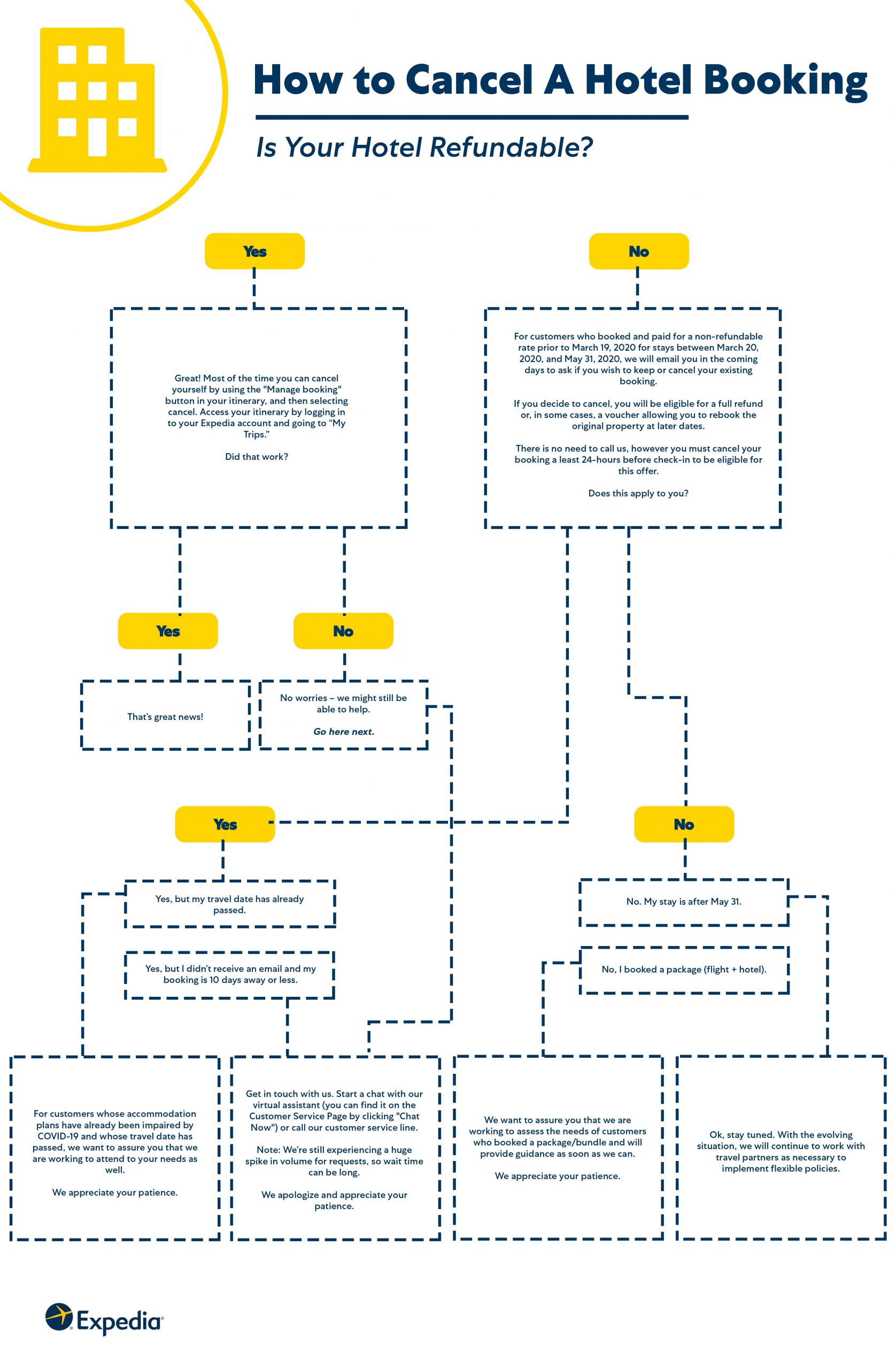
The gateway to any modification or cancellation on Expedia is your itinerary. This digital record of your booking is your central point of interaction. Typically, you can find your itinerary in one of two main locations:
- “My Trips” or “Trips” Section: After logging into your Expedia account, navigate to the “My Trips” or “Trips” section, usually accessible from the main navigation bar. This consolidates all your past, current, and future bookings.
- Confirmation Email: If you don’t have an Expedia account or are having trouble logging in, the confirmation email sent to you upon booking contains a direct link to view your itinerary. This link often includes a booking reference number (PNR) and allows you to manage your trip without needing to log in, though full functionality might be limited without an account login.
From a technical perspective, these methods represent different access control mechanisms to your booking data. Logging into “My Trips” authenticates you as the account holder, providing a comprehensive view and full modification rights. The confirmation email link, on the other hand, often utilizes a unique token or reference number for temporary, specific access, ensuring privacy while allowing limited self-service.
Accessing the Cancellation Portal: Website vs. Mobile App
Once your itinerary is located, the next step is to find the cancellation option. Expedia offers this functionality across its primary digital interfaces:
- Website: On the desktop or mobile web version, once you’ve selected your specific flight itinerary, look for a “Change or Cancel Flight,” “Manage Trip,” or similar button. Clicking this will typically take you to a dedicated page detailing your options.
- Mobile App: The Expedia mobile application, designed for convenience on smaller screens, often presents these options more prominently. Within your trip details, there will usually be a clear button for “Cancel Flight” or “Make Changes.”
Both the website and the app represent sophisticated front-end user interfaces, each optimized for its respective platform. While the underlying logic for cancellation is the same, the visual presentation, button placement, and navigational flow are adapted to maximize usability for different device types. Understanding these interface distinctions can save time and frustration.
The Step-by-Step Digital Cancellation Process
Once you’ve navigated to the correct section, the actual cancellation process is a series of digital prompts and confirmations, designed to ensure clarity and informed consent.
Verifying Cancellation Eligibility and Refund Options
Upon selecting “Cancel Flight,” Expedia’s system performs real-time checks against airline policies and your booking details. This involves:
- Policy Review: The platform will display a summary of the cancellation policy applicable to your ticket, including any potential fees or non-refundable portions. This information is dynamically pulled from the airline’s fare rules and Expedia’s own service agreements.
- Refund Estimation: The system will provide an estimate of the refund amount, if any, often distinguishing between cash refunds and airline credits. This real-time calculation is a critical technological feature, translating complex financial rules into an understandable figure for the user.
This stage is vital for transparency. The digital display of these figures ensures that you are fully aware of the financial implications before proceeding, aligning with best practices for online transaction clarity.
Submitting Your Cancellation Request Electronically
With the eligibility and refund details reviewed, the next step is to formally submit your request. This usually involves:
- Confirmation Prompts: The system will typically ask for multiple confirmations to ensure you understand the consequences of cancellation. This often includes checkboxes or “Are you sure?” prompts.
- Reason for Cancellation (Optional): Some platforms, including Expedia, may ask for a reason for cancellation. While often optional, this data helps Expedia understand user behavior and improve its services. From a tech perspective, this is user feedback data collection, valuable for system analytics and future feature development.
- Final Submission: Clicking a “Confirm Cancellation” or similar button sends the electronic request to Expedia’s back-end systems, which then communicate with the airline’s reservation system to process the cancellation.
This digital hand-off between systems is a sophisticated process, ensuring that the airline’s records are updated simultaneously with Expedia’s, preventing discrepancies and potential issues later on.
Confirming Your Cancellation: Digital Receipts and Notifications
Once the request is processed, Expedia provides immediate digital confirmation:
- On-Screen Confirmation: A confirmation message will appear on your screen, indicating that the cancellation was successful. This message often includes a cancellation reference number, which is crucial for any follow-up inquiries.
- Email Confirmation: A detailed email will be sent to your registered email address, serving as a formal digital receipt. This email typically reiterates the cancellation details, refund amount, and next steps for processing the refund.
These digital confirmations are vital for record-keeping and act as proof of the transaction. They leverage automated email services and database updates to ensure that users have a verifiable record of their actions.
Addressing Common Digital Roadblocks and Technical Considerations
Despite the advancements in digital platforms, users can still encounter issues. Understanding these common technical hurdles and how to address them is crucial.
When Online Cancellation Isn’t an Option: Engaging Customer Support
There are specific scenarios where Expedia’s automated online cancellation feature might not be available:
- Within 24 Hours of Booking: While many flights are refundable within 24 hours of booking, the online system might not process this immediately, or specific fare rules might apply.
- Complex Itineraries: Multi-city flights, bookings involving multiple airlines on a single itinerary, or special requests can sometimes bypass automated online cancellation.
- Close to Departure: Flights departing very soon (e.g., within 24-48 hours) might require direct airline intervention, making Expedia’s online tool less effective.
- Technical Glitches: On rare occasions, the system itself might experience a temporary error.
In these cases, the digital pathway diverts to human intervention. This means utilizing Expedia’s customer support channels—phone, chat, or email. From a tech perspective, this highlights the limitations of automation and the necessity of robust human support systems as a fallback, ensuring that even complex edge cases can be resolved. Efficient routing of customer inquiries to the appropriate support agent is itself a technological challenge addressed by advanced CRM (Customer Relationship Management) systems.
Troubleshooting Technical Glitches During the Process
Encountering a technical glitch during a cancellation can be frustrating. Common issues include:
- Page Loading Errors: A slow internet connection or server issues can prevent pages from loading correctly.
- Error Messages: Specific error codes or messages might appear, indicating a problem with processing the request.
- Browser Compatibility Issues: Outdated browsers or specific browser settings (e.g., ad blockers) can interfere with site functionality.
Troubleshooting Steps (Tech-focused):
- Clear Browser Cache and Cookies: This often resolves issues related to stale data or conflicting scripts.
- Try a Different Browser or Device: If one browser isn’t working, try another or switch to the mobile app.
- Check Internet Connection: Ensure a stable and fast internet connection.
- Disable Browser Extensions: Temporarily disable ad blockers or other extensions that might interfere.
- Wait and Retry: For server-side issues, sometimes simply waiting a few minutes and trying again can resolve the problem.
These steps leverage basic digital hygiene and an understanding of how web applications interact with client-side environments to overcome common software interaction issues.
Understanding Third-Party Airline Policies within Expedia’s Platform
When you cancel an Expedia flight, you’re interacting with Expedia’s interface, but the underlying policies are often those of the operating airline. Expedia’s system acts as a digital interpreter, translating the airline’s complex fare rules into a user-friendly format. Sometimes, direct communication with the airline might be necessary, particularly for:
- Airline-Specific Vouchers/Credits: If the cancellation results in an airline credit, you might need to manage that directly with the airline, even if initiated through Expedia.
- Complex Rebooking: Rebooking after a cancellation can sometimes be more efficiently handled by the airline, especially if you have specific requests not easily accommodated by Expedia’s automated rebooking tools.
This highlights the layered architecture of online travel booking—Expedia as the primary interface, with airlines as the ultimate service providers, both communicating through a network of APIs and data exchanges.
Post-Cancellation Digital Management and Follow-Up
The process doesn’t always end with the cancellation confirmation. Digital management continues as you track refunds and plan future travel.
Tracking Your Refund: Digital Wallets and Bank Statements
Refunds, especially for flights, are not instantaneous. The digital pathway for funds typically involves:
- Expedia Processing: Expedia processes the refund and sends a request to the payment processor.
- Payment Processor: The payment processor then communicates with your bank or credit card company.
- Bank/Credit Card Company: Your financial institution posts the credit to your account.
This multi-stage digital transaction can take anywhere from 7 to 21 business days. Monitoring your online bank statements or credit card activity is the primary digital method for tracking the refund. If the refund is issued as an Expedia credit, it will typically appear in your Expedia account’s “My Trips” or “Rewards” section, accessible via the digital interface.
Managing Future Travel Plans: Rebooking and Credits
If your cancellation resulted in an airline credit, managing this credit for future travel is a digital task. Expedia’s platform often allows you to apply these credits directly when booking new flights within your account. This integration streamlines the process, leveraging your booking history and credit data to simplify future purchases. It’s an example of how digital platforms aim to create a seamless customer journey, even after an initial disruption.
Data Security and Privacy During Cancellation
Throughout the cancellation process, especially when entering personal details or viewing refund information, data security and privacy are paramount. Expedia employs various technological measures—encryption, secure servers, multi-factor authentication—to protect your sensitive information. Understanding that these security features are in place provides peace of mind, reinforcing the trustworthiness of the digital interaction. Always ensure you are on a secure connection (HTTPS) and be wary of phishing attempts that mimic Expedia’s communications.
Optimizing Your Digital Travel Management Experience
Cancelling a flight on Expedia, while sometimes necessary, provides insights into optimizing your overall digital travel management.
Leveraging Expedia’s Account Features for Seamless Planning
Beyond cancellations, Expedia offers a suite of digital tools within your account to manage travel proactively. This includes saving traveler information, setting price alerts, and viewing loyalty program details. By fully utilizing these features, users can streamline future bookings and modifications, making their digital travel experience more efficient and less prone to errors.
Proactive Notifications and Alerts for Policy Changes
Many digital travel platforms, including Expedia, offer notification services. Opting into these alerts can inform you of policy changes, flight status updates, or even fare drops, empowering you to make informed decisions before a cancellation becomes necessary. This is a crucial aspect of predictive analytics and user empowerment within the tech ecosystem.
The Future of Digital Travel Management Platforms
The process of cancelling a flight on Expedia is a microcosm of the broader evolution of digital travel management. With advancements in AI, machine learning, and blockchain, future platforms may offer even more seamless, transparent, and user-centric cancellation processes, potentially with instant refunds, personalized policy interpretations, and even automated rebooking suggestions based on user preferences and external factors. Understanding the current digital architecture prepares users for the innovations yet to come in this ever-evolving technological landscape.
In conclusion, cancelling a flight on Expedia is a comprehensive digital interaction. By understanding the platform’s interface, policies, and troubleshooting techniques, users can navigate this process efficiently and effectively, transforming a potentially stressful situation into a manageable digital task. As technology continues to reshape the travel industry, mastering these digital skills will remain an invaluable asset for every modern traveler.
aViewFromTheCave is a participant in the Amazon Services LLC Associates Program, an affiliate advertising program designed to provide a means for sites to earn advertising fees by advertising and linking to Amazon.com. Amazon, the Amazon logo, AmazonSupply, and the AmazonSupply logo are trademarks of Amazon.com, Inc. or its affiliates. As an Amazon Associate we earn affiliate commissions from qualifying purchases.