
In the rapidly evolving landscape of digital finance, peer-to-peer payment applications like Cash App and PayPal have become indispensable tools for managing personal transactions. Their convenience and accessibility have transformed how individuals send, receive, and spend money. However, a common query among users involves the direct transfer of funds between these two popular platforms. While both serve similar functions, they operate as distinct ecosystems, presenting a technical hurdle for direct inter-platform transfers. This guide will delve into the technical reasons behind this separation and provide a step-by-step tutorial on the most effective indirect method, ensuring a smooth and secure transfer experience strictly within the realm of app functionality and digital security.
Understanding the Ecosystem: Cash App and PayPal
Before diving into the mechanics of transferring funds, it’s crucial to understand the technical architecture and operational philosophies that govern Cash App and PayPal. These insights explain why a direct transfer button, similar to sending money between two Cash App users or two PayPal users, simply doesn’t exist.
The Rise of Digital Wallets: Convenience and Connectivity
Digital wallets represent a significant technological leap in financial transactions, leveraging mobile devices and internet connectivity to provide instant payment solutions. Cash App, developed by Block, Inc., emphasizes simplicity, fast peer-to-peer transfers, and easy access to Bitcoin trading and stock investing within its app. Its interface is designed for quick, straightforward transactions. PayPal, a veteran in the digital payment space, offers a broader suite of services, including online shopping payments, international transfers, and business solutions, alongside its robust peer-to-peer functionality. Both platforms aim to reduce the friction associated with traditional banking, offering features like instant notifications, transaction histories, and seamless integration with debit/credit cards. From a technical standpoint, they are sophisticated applications built on secure network infrastructures, designed to process financial data efficiently and reliably.
Core Functionalities: What Each Platform Offers
Cash App’s technical strength lies in its speed and integrated features like the Cash Card (a customizable debit card linked to the app balance) and its accessible investment options. Its P2P functionality is often praised for its simplicity. PayPal, conversely, boasts an expansive global network, enabling transactions across diverse currencies and providing buyer/seller protection mechanisms that are deeply integrated into its payment gateways for e-commerce. Technically, PayPal’s architecture supports a wider array of merchant integrations and dispute resolution processes, making it a more complex, albeit versatile, platform. While both allow users to hold balances, link bank accounts, and use debit/credit cards, their underlying codebases and API structures are optimized for their respective primary use cases and user bases.
Why Direct Transfers Aren’t an Option: Technical Limitations and Security Protocols
The primary reason for the absence of a direct transfer feature between Cash App and PayPal stems from their independent operational structures and proprietary technologies. Each company maintains its own distinct financial network, security protocols, and API (Application Programming Interface) endpoints. Integrating these two systems for direct fund transfers would require extensive technical collaboration, agreement on data sharing, and harmonization of compliance and security standards—a complex undertaking that neither company has pursued, likely due to competitive reasons, differing business models, and the significant technical overhead involved.
Furthermore, security plays a critical role. Both platforms employ advanced encryption, fraud detection algorithms, and multi-factor authentication to protect user funds and data. Direct interoperability would introduce new security vectors, requiring a renegotiation of risk assessment and liability. Instead, they rely on existing, well-established financial infrastructure—namely, traditional bank accounts—as the common denominator for moving funds in and out of their respective ecosystems. This indirect method leverages the regulated and secure pathways provided by the banking system, ensuring that while the process might involve an extra step, it remains robustly secure and compliant.
The Indirect Transfer Method: Bridging the Gap
Given the technical and operational independence of Cash App and PayPal, the most reliable and universally accepted method for transferring funds between them involves using a linked bank account as an intermediary. This approach leverages the established electronic funds transfer (EFT) networks, such as ACH (Automated Clearing House) in the U.S., which both digital wallets are designed to interface with.
The Bank Account as the Essential Bridge
Think of your bank account as a neutral, secure conduit that connects various financial services. Both Cash App and PayPal have robust functionalities to link external bank accounts, allowing users to deposit funds into their bank from the app and withdraw funds from their bank into the app. This mechanism is not unique to these two platforms; it’s a standard feature across almost all digital payment and investment applications. The process typically involves verifying micro-deposits or logging into your online banking portal through a secure third-party provider, ensuring the linked account belongs to you and is ready for transactions. This technical setup guarantees that funds are moved through regulated financial channels, providing an audit trail and an extra layer of security.
Step-by-Step: Moving Funds from Cash App to Your Bank
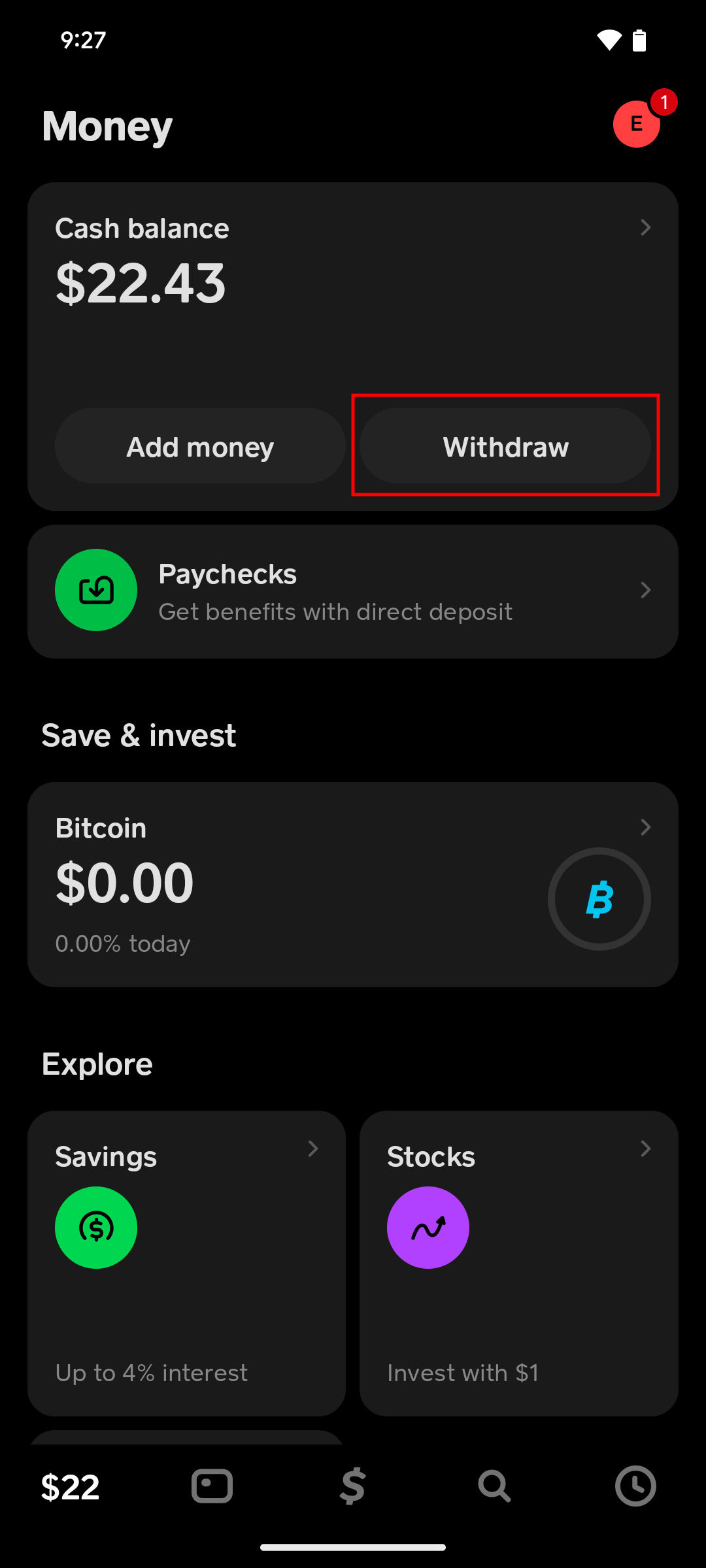
The first leg of the journey involves withdrawing your funds from Cash App to your linked bank account. This is a straightforward process within the Cash App interface.
- Open Cash App: Launch the Cash App on your mobile device.
- Navigate to the Banking Tab: Tap the ‘Banking’ tab, which is represented by a house icon or a bank icon, usually found in the bottom left corner. This section displays your current Cash App balance.
- Initiate Cash Out: Tap the ‘Cash Out’ button.
- Enter Amount: Input the desired amount you wish to transfer to your bank.
- Choose Transfer Speed: You’ll typically be presented with two options:
- Standard Deposit (1-3 business days): This is usually free and uses the ACH network. It’s the recommended option for most users due to no associated fees.
- Instant Deposit (Instant, for a fee): This option incurs a small fee (e.g., 0.5% to 1.75%) but makes the funds available in your bank account almost immediately.
Select the option that best suits your urgency and budget.
- Confirm Transfer: Review the details (amount, destination bank account, fee if applicable) and tap ‘Confirm’ to finalize the transfer.
Once confirmed, Cash App processes the request, and the funds will appear in your linked bank account according to the chosen speed.
Step-by-Step: Moving Funds from Your Bank to PayPal
Once the funds have successfully landed in your bank account, the next step is to transfer them from your bank into your PayPal account. This process mirrors how you would typically add funds to PayPal from your bank.
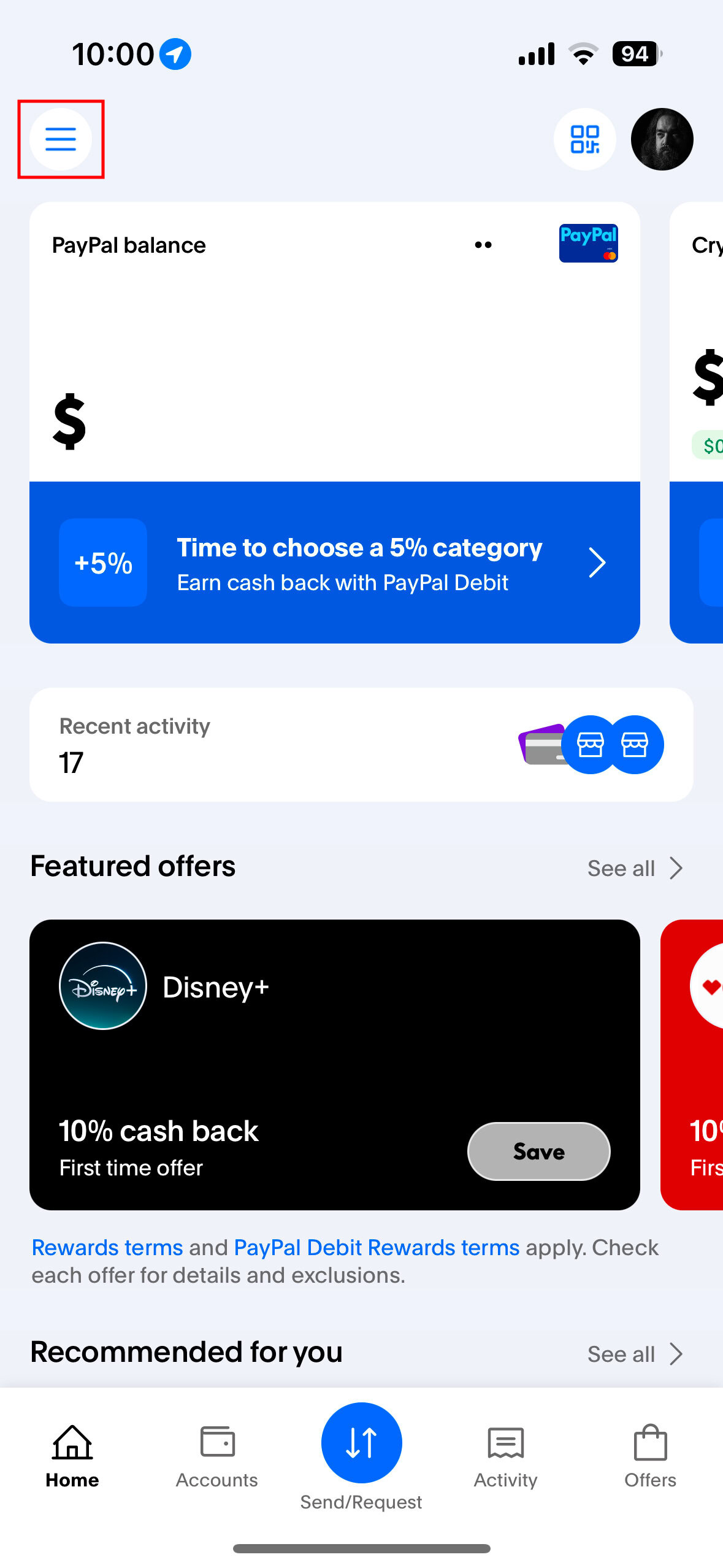
- Log In to PayPal: Access your PayPal account via the mobile app or web browser.
- Navigate to Wallet/Balance: Find the ‘Wallet’ section or click on your PayPal balance.
- Initiate Money Transfer: Look for an option like ‘Transfer Money’, ‘Add Money’, or ‘Add Money to Your Balance’.
- Choose Bank Account: Select the bank account where you previously transferred funds from Cash App. Ensure this bank account is already linked and verified with your PayPal account. If not, you’ll need to link it first (which involves providing bank details and verifying micro-deposits).
- Enter Amount: Input the amount you wish to add to your PayPal balance. Ensure you have sufficient funds in your bank account.
- Confirm Transfer: Review the transfer details and confirm. PayPal typically processes these transfers via ACH, which means they can take 3-5 business days to clear and reflect in your PayPal balance. There is usually no fee for standard transfers from your bank account to PayPal.
Upon completion of these two steps, your funds will have successfully moved from Cash App, through your bank, and into your PayPal balance.
Navigating the Process: Practical Considerations and Best Practices
While the indirect transfer method is robust and secure, understanding the nuances of verification, fees, and timing is crucial for a smooth user experience. These technical and operational details directly impact the efficiency and cost-effectiveness of your transfers.
Verification and Linking Accounts: Ensuring a Smooth Transfer
The foundation of secure digital transactions lies in account verification. Both Cash App and PayPal require users to link and verify external bank accounts. This process typically involves inputting your bank’s routing number and your account number. To prevent fraud and ensure ownership, both platforms may initiate small ‘micro-deposits’ (e.g., two deposits of a few cents each) into your bank account, which you then verify within the app. Alternatively, some platforms offer instant bank verification by securely logging into your online banking portal. Before attempting any transfers, ensure that both your Cash App and PayPal accounts are fully linked and verified with the same bank account. Unverified accounts often have stricter limits or may prevent transfers altogether, leading to delays and frustration. Keeping your linked bank account details up-to-date is also a critical technical best practice.
Understanding Fees and Transfer Limits: Cost and Efficiency
Fees and transfer limits are significant technical parameters that vary by platform and transaction type. When cashing out from Cash App:
- Standard Deposits to your bank account are typically free but take 1-3 business days. This leverages the standard ACH network.
- Instant Deposits incur a fee (usually 0.5% to 1.75% of the transfer amount), but the funds arrive instantly. This expedited service relies on different, faster processing channels.
When adding money to PayPal from your bank account, standard transfers are generally free but can take 3-5 business days. PayPal’s infrastructure processes these as standard bank transfers.
Both platforms also impose daily, weekly, or monthly transfer limits, which can be increased by verifying your identity (e.g., providing a social security number). These limits are technical safeguards designed to mitigate risk and comply with financial regulations. Always check the current fee schedules and transfer limits within each app’s settings or support documentation before initiating a large transfer to avoid unexpected charges or rejections. Planning your transfers according to these limits and fees ensures optimal efficiency and cost management.
Speed and Timing: When to Expect Your Funds
The end-to-end transfer time is a critical consideration for users. The entire process, from Cash App to your bank and then to PayPal, can take anywhere from a few business days to over a week, depending on the options chosen and the processing times of the involved financial institutions.
- Cash App to Bank: Instant (with fee) or 1-3 business days (free).
- Bank to PayPal: Typically 3-5 business days.
It’s important to remember that “business days” generally exclude weekends and public holidays. Bank processing times are a major factor, as they often have cut-off times for daily transfers, meaning requests made late in the day might only be processed the following business day. While the apps themselves process requests quickly, the underlying banking infrastructure introduces these delays. For critical or time-sensitive transfers, planning ahead and selecting instant options (where available and affordable) is essential. Tracking the status within both apps provides real-time updates on your funds’ journey.
Troubleshooting Common Issues and Ensuring Digital Security
Even with a clear understanding of the process, users may encounter technical hiccups or have concerns about security. Addressing these proactively is part of responsible digital financial management.
Addressing Failed Transfers and Pending Transactions
Failed transfers or transactions stuck in a ‘pending’ state can be frustrating. Common technical reasons include:
- Incorrect Account Information: Always double-check routing and account numbers. Even a single digit error can cause a failure.
- Insufficient Funds: Ensure you have enough balance in the originating account to cover the transfer and any associated fees.
- Transfer Limits Exceeded: Attempts to send more than your daily/weekly limit will be rejected.
- Account Verification Issues: Unverified accounts or accounts with suspicious activity flags may have transfers paused or denied.
- Technical Glitches: While rare, app or server issues can temporarily disrupt transactions.
If a transfer fails, the funds are usually returned to the originating account within a few business days. For pending transactions, it’s often best to wait a reasonable period (e.g., 24-48 hours) as background processing might be underway. If the issue persists, document the transaction details (date, amount, error messages) before contacting support.
Protecting Your Accounts: Cybersecurity Best Practices
Digital security is paramount when dealing with financial apps. Adhere to these cybersecurity best practices:
- Strong, Unique Passwords: Use complex passwords for Cash App, PayPal, and your bank, and never reuse them. Consider a password manager.
- Two-Factor Authentication (2FA): Enable 2FA on all your accounts. This adds an extra layer of security, typically requiring a code from your phone or an authenticator app in addition to your password.
- Phishing Awareness: Be wary of suspicious emails or messages purporting to be from Cash App or PayPal. Always verify the sender and never click on unverified links or provide personal information. Access accounts directly through official apps or websites.
- Secure Wi-Fi: Avoid conducting financial transactions over public or unsecured Wi-Fi networks, which can be vulnerable to eavesdropping.
- Regular Monitoring: Periodically review your transaction history on both apps and your bank statements for any unauthorized activity. Report suspicious transactions immediately.
- App Updates: Keep your Cash App and PayPal applications updated to the latest versions. Updates often include critical security patches and performance improvements.
Contacting Support: When to Seek Assistance
If you’ve followed all troubleshooting steps and your issue persists, it’s time to contact customer support.
- Cash App Support: Access support directly through the app (Profile Icon > Support > Start a Chat) or visit their website.
- PayPal Support: Use the ‘Help’ section in the PayPal app or website, which often includes a resolution center and options to contact customer service via messaging, phone, or community forums.
When contacting support, be prepared to provide all relevant details: transaction IDs, dates, amounts, screenshots of error messages, and a clear description of the problem. Both companies have dedicated technical support teams equipped to investigate and resolve account-specific issues related to transfers and security.
Future Outlook: The Evolution of Digital Payment Interoperability
The current reliance on indirect transfers via traditional banking channels highlights a broader trend in digital finance: the push for greater interoperability among distinct payment platforms. As technology advances and user expectations shift, the landscape is poised for further evolution.
Industry Trends: Towards Greater Integration?
The fintech industry is constantly innovating, driven by technological advancements and evolving consumer demands. While Cash App and PayPal currently maintain separate ecosystems, the broader trend in financial technology points towards increased integration. Initiatives like Open Banking, prevalent in Europe and other regions, mandate that banks open up their APIs to third-party providers, fostering greater data sharing and seamless service integration. Similarly, real-time payment systems are gaining traction globally, potentially speeding up all forms of electronic transfers. If these trends continue, it’s conceivable that future iterations of payment apps might explore direct, secure API integrations, or participate in unified payment networks that could allow for more direct transfers, bypassing the multi-day bank transfer step.
User Experience and the Demand for Seamless Transactions
User experience (UX) is a key driver of technological adoption and innovation. Users consistently demand faster, cheaper, and more seamless ways to manage their money. The multi-step process of transferring funds between Cash App and PayPal, while effective, introduces friction and delay. The market naturally gravitates towards solutions that minimize these pain points. As competition intensifies and technological capabilities mature, payment platforms will face increasing pressure to enhance interoperability, not just with banks but potentially with other digital wallets, to cater to user preferences for instant, effortless transactions.
The Role of APIs and Open Banking in Future Transfers
Application Programming Interfaces (APIs) are the backbone of modern digital integration, allowing different software applications to communicate and share data. The concept of Open Banking, which champions standardized APIs for financial services, could eventually lay the groundwork for more direct interactions between platforms like Cash App and PayPal. By creating secure, standardized channels for transaction initiation and data exchange, APIs could enable a future where a direct “transfer to PayPal” option might appear within Cash App, facilitated by a robust, secure, and regulated technical framework. Such advancements would require significant industry collaboration, regulatory oversight, and a commitment to shared security standards, transforming the current indirect transfer method into a legacy approach.
In conclusion, while the immediate technical reality dictates an indirect route through a linked bank account, the future of digital payments is ripe with possibilities for greater interoperability. For now, understanding and meticulously following the current indirect method, coupled with diligent security practices, remains the most effective way to transfer funds between Cash App and PayPal, ensuring your digital financial interactions are both successful and secure.
aViewFromTheCave is a participant in the Amazon Services LLC Associates Program, an affiliate advertising program designed to provide a means for sites to earn advertising fees by advertising and linking to Amazon.com. Amazon, the Amazon logo, AmazonSupply, and the AmazonSupply logo are trademarks of Amazon.com, Inc. or its affiliates. As an Amazon Associate we earn affiliate commissions from qualifying purchases.