
In an increasingly digitized world, the ability to transfer funds seamlessly and securely has become a fundamental expectation for users of modern technology. Google Pay stands at the forefront of this revolution, offering a robust platform for person-to-person (P2P) payments, contactless transactions, and various other financial operations directly from one’s mobile device. This guide delves into the technical intricacies and user-friendly functionalities that enable individuals to send money effortlessly through Google Pay, dissecting its operational mechanisms, security protocols, and broader implications within the digital payment ecosystem. As a pivotal application within the Google suite, understanding its capabilities is crucial for anyone navigating the landscape of digital finance and mobile technology.
Understanding Google Pay: A Digital Wallet Overview
Google Pay is more than just an application; it’s a comprehensive digital wallet ecosystem designed to simplify and secure financial interactions across various touchpoints. Its genesis lies in Google’s ambition to integrate payment services directly into its vast network of products and services, making transactions as intuitive as sending an email or searching the web.
The Evolution of Digital Payments
The journey of digital payments has been characterized by a relentless pursuit of speed, convenience, and security. From early online banking portals to dedicated mobile payment apps, the technology has continuously evolved to meet growing user demands. Google Pay, initially launched as Android Pay and later merging with Google Wallet, represents a significant milestone in this evolution. It consolidates multiple payment functionalities—P2P transfers, in-store NFC payments, online purchases, and even loyalty card storage—into a single, unified platform. This convergence not only streamlines the user experience but also leverages Google’s immense technological infrastructure to deliver a highly reliable and scalable service. The underlying architecture is built to handle millions of transactions daily, ensuring system stability and responsiveness, which are critical for financial applications.
Key Features and Benefits for Users
For the end-user, Google Pay offers a compelling array of features rooted in advanced technology. Its primary benefit lies in its unparalleled convenience; users can make payments or send money without physically carrying cards or cash, relying solely on their smartphone or compatible device. Speed is another significant advantage, with P2P transfers often completing in real-time, facilitated by sophisticated backend processing systems. From a technological standpoint, the app integrates deeply with the Android operating system and is also available on iOS, ensuring broad accessibility. It supports a wide range of debit and credit cards from major networks, making it versatile. Moreover, the platform extends beyond simple payments, offering features like bill splitting, rewards integration, and transit card management, all designed to enhance the utility of a digital wallet. The emphasis is on creating a seamless user journey, minimizing friction in financial tasks through intuitive UI/UX design and robust API integrations.
Setting Up Your Google Pay Account
Before delving into money transfers, a properly configured Google Pay account is essential. The setup process is engineered for simplicity yet incorporates critical security steps. Users typically begin by downloading the app from their respective app store. The initial setup involves associating a Google account, which serves as the primary identifier. Following this, users are prompted to add a payment method—usually a debit card linked to a bank account, but credit cards are also supported. This process involves entering card details, which are then securely tokenized and stored by Google’s encrypted servers, never directly on the device. Verification often involves a small transaction or a code sent to the linked bank account, confirming ownership and enhancing security. Biometric authentication (fingerprint, face ID) or a secure PIN is established as a device-level security layer, ensuring that only the authorized user can initiate transactions, thereby fortifying the overall security posture of the digital wallet.
Step-by-Step Guide to Sending Money
The core functionality of Google Pay, particularly for P2P transactions, is designed for maximum ease of use. The process is streamlined, intuitive, and leverages common smartphone functionalities to connect senders and recipients.
Initiating a Transfer: Contacts and QR Codes
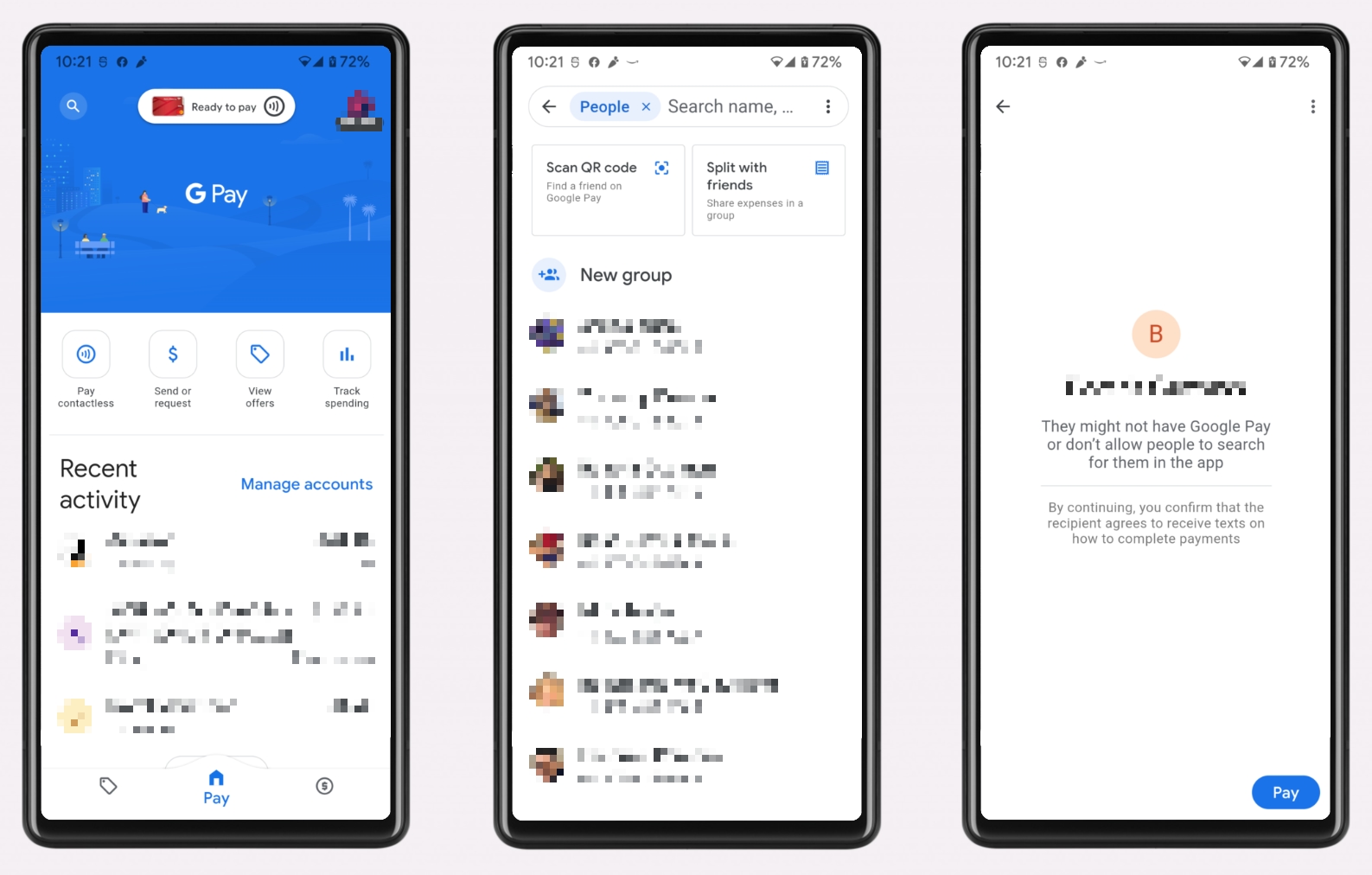
Sending money via Google Pay typically begins from the app’s home screen. Users can initiate a transfer in several ways. The most common method involves selecting a recipient from their phone’s contact list. Google Pay intelligently recognizes which contacts also use the service, displaying them prominently. If a contact isn’t using Google Pay, the app often provides an option to send them a link to download it or receive the money via an external bank transfer, bridging the gap between users of different payment platforms. Another increasingly popular and technologically advanced method is using QR codes. Senders can scan a recipient’s unique Google Pay QR code, instantly populating their payment details without manual entry, significantly reducing the chance of errors and speeding up the transaction. This leverages the device’s camera technology and QR decoding algorithms for rapid data exchange.
Specifying Amount and Payment Source
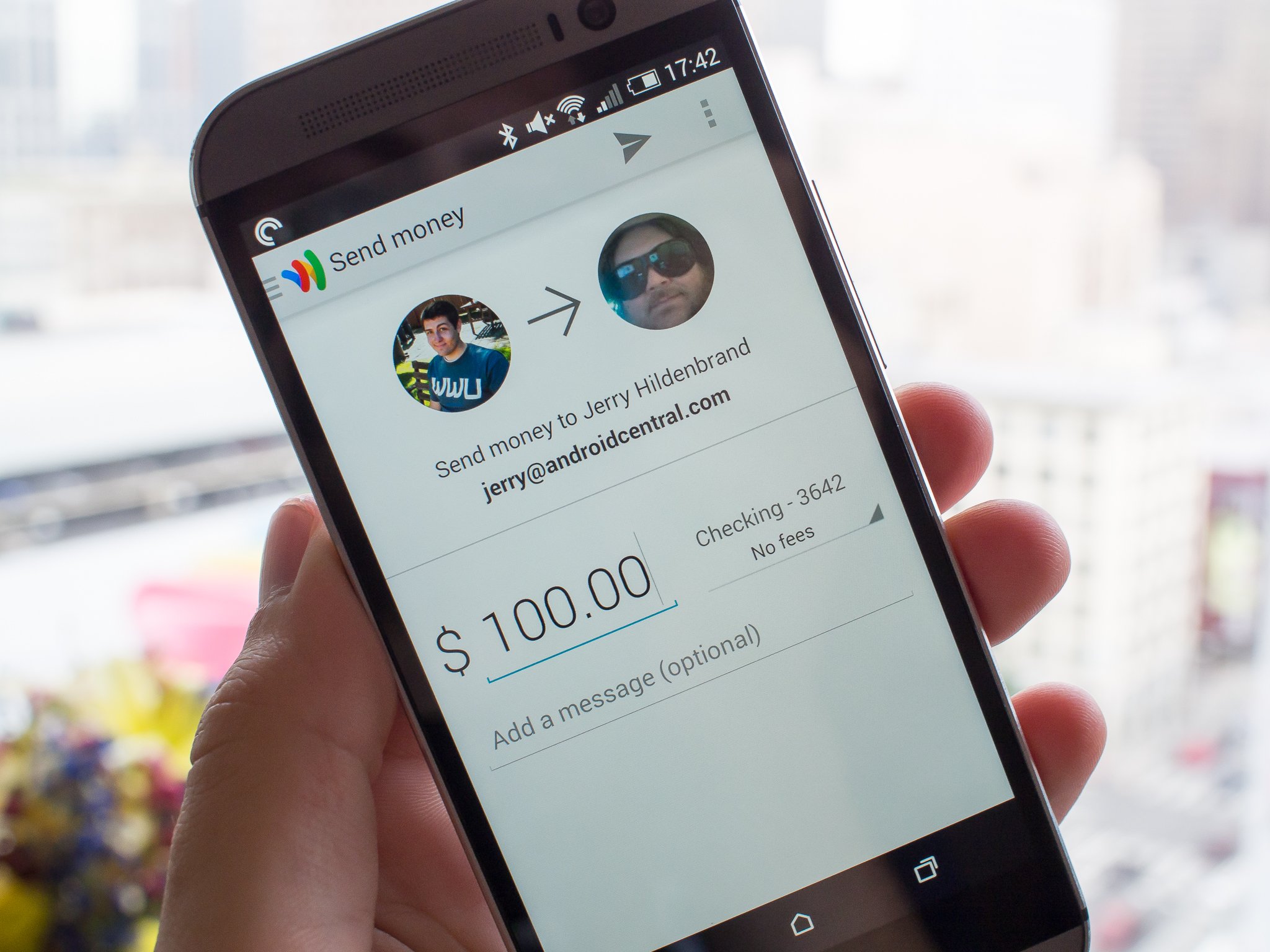
Once a recipient is selected, the next step involves specifying the amount of money to be sent. The app provides a clear interface for inputting the numerical value. Crucially, users must then select their preferred payment source. This refers to the linked bank account or debit card from which the funds will be withdrawn. Google Pay allows users to add multiple payment methods and easily switch between them for each transaction, offering flexibility. The technology behind this involves secure API calls to the chosen financial institution, authorizing the debit. At this stage, users can also add an optional note or memo, which is a simple text string attached to the transaction for record-keeping purposes, enhancing clarity for both sender and receiver.
Confirming the Transaction and Notifications
The final step before execution is a comprehensive review screen, summarizing all transaction details: recipient, amount, and payment source. This crucial stage serves as a last check to prevent accidental transfers or incorrect amounts. Upon confirmation, the user is prompted for authentication—typically via their chosen device security method (PIN, fingerprint, or face ID). This biometric or knowledge-based authentication layer is a critical security measure, verifying the user’s identity before the transaction is processed. Once authenticated, Google Pay’s backend systems rapidly process the transfer. The sender receives an immediate on-screen confirmation, and both sender and receiver typically receive push notifications and email confirmations, indicating the successful completion of the transaction. These notifications are critical for real-time tracking and provide an immutable digital record of the transfer.
The Technology Behind Secure Transfers
Security is paramount in any financial application, and Google Pay employs a multi-layered technological approach to protect user data and transactions. The integrity of its payment system is built on robust encryption, tokenization, and continuous fraud detection mechanisms.
Encryption and Tokenization in Google Pay
The cornerstone of Google Pay’s security architecture is its use of advanced encryption and tokenization. When a user adds a credit or debit card, the actual card number is not stored on the device itself. Instead, it is immediately encrypted and sent to Google’s secure servers. There, it is replaced with a unique, obfuscated digital account number, known as a token. This token is what is actually used for transactions. If a device is lost or compromised, the physical card details remain protected because only the token is accessible, which is useless without the underlying payment system to decrypt it. This tokenization process significantly reduces the risk associated with data breaches, as even if a hacker gains access to transaction data, they only retrieve meaningless tokens, not actual card numbers. Data transmission between the app, Google’s servers, and financial institutions is secured using industry-standard TLS (Transport Layer Security) encryption, preventing eavesdropping and tampering.
Fraud Prevention and User Authentication
Beyond encryption and tokenization, Google Pay incorporates sophisticated fraud prevention technologies. Machine learning algorithms continuously analyze transaction patterns to identify and flag suspicious activities in real-time. These algorithms learn from vast datasets of past transactions, enabling them to detect anomalies that might indicate fraudulent behavior. If a transaction deviates significantly from a user’s typical spending habits or originates from an unusual location, it might trigger additional verification steps or even be automatically blocked. User authentication further bolsters security. As mentioned, every transaction requires the user to authenticate themselves using a PIN, fingerprint, or face ID. This ensures that even if an unauthorized person gains access to the device, they cannot initiate payments without bypassing this biometric or knowledge-based security layer. This multi-factor authentication approach significantly strengthens the overall security posture.
Data Privacy: How Google Protects Your Information
Google, as a technology giant, places a strong emphasis on data privacy, which extends to Google Pay. The platform operates under stringent privacy policies designed to protect sensitive financial information. Google explicitly states that it does not sell users’ personal payment information to third parties. Data collected, such as transaction history, is primarily used to enhance the service, personalize offers (if opted in), and improve fraud detection algorithms. Users have control over their privacy settings within the Google account, allowing them to manage activity and data retention. Furthermore, Google employs state-of-the-art physical and digital security measures for its data centers, including advanced firewalls, intrusion detection systems, and continuous monitoring, to safeguard information against unauthorized access and cyber threats. The commitment to privacy is a critical aspect of building trust in a financial technology product.
Advanced Features and Troubleshooting
Google Pay is continuously evolving, incorporating new functionalities and refining existing ones to offer a more comprehensive digital payment experience. However, like any sophisticated technology, users may occasionally encounter issues that require technical understanding.
Requesting Money and Splitting Bills
Beyond sending money, Google Pay also offers reverse functionalities: requesting money and splitting bills. The “request money” feature allows a user to send a payment request to another Google Pay user, specifying the amount desired. This streamlines the process of collecting debts or contributions from friends and family, eliminating awkward conversations or manual calculations. The “split a bill” feature is particularly useful for group expenses. Users can input a total amount and divide it among multiple contacts, allowing Google Pay to calculate individual shares and send corresponding payment requests. These features leverage the same P2P transfer technology but invert the initiation process, showcasing the platform’s versatility in managing various financial interactions through its intelligent application interface.
International Transfers
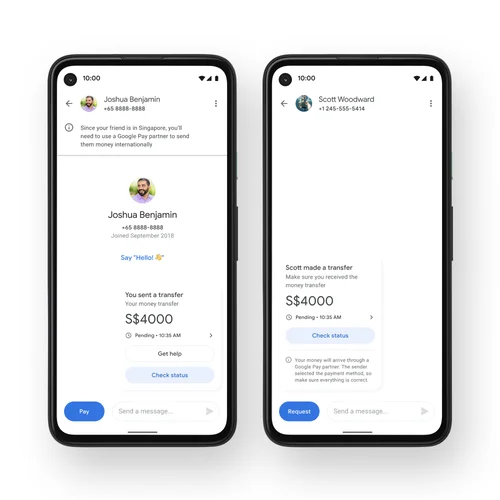
The global nature of the digital economy has driven demand for seamless international money transfers. Google Pay has strategically partnered with established international remittance services like Western Union and Wise (formerly TransferWise) to facilitate cross-border transactions. Instead of building its own complex international transfer infrastructure, Google Pay acts as an aggregator, integrating these third-party services directly into its app. This allows users to initiate international money transfers through a familiar interface, leveraging the expertise and global networks of its partners. The technology behind this involves secure API integrations between Google Pay and the partner services, ensuring that currency exchange rates, transfer fees, and delivery times are accurately presented and processed. This demonstrates Google’s approach to expanding functionality through strategic technological partnerships rather than solely relying on in-house development for every specialized service.
Common Issues and Technical Support
Even with robust design, users might encounter technical issues. Common problems can range from app crashes or freezes to transaction failures, connectivity problems, or disputes over sent/received funds. Google Pay’s technical support system is designed to address these. For minor glitches, basic troubleshooting steps like clearing the app cache, reinstalling the app, or checking internet connectivity often resolve issues. For more persistent problems, Google Pay offers in-app support, a dedicated help center with extensive FAQs, and direct contact options (chat, email, phone) with customer service. The support infrastructure relies on ticketing systems, CRM (Customer Relationship Management) software, and trained technical support specialists who can diagnose and resolve issues by accessing secure transaction logs and account information (with user consent), ensuring that technological hiccups do not disrupt financial continuity.
Future Trends in Digital Payments and Google Pay’s Role
The landscape of digital payments is in constant flux, driven by rapid technological advancements. Google Pay is not merely reacting to these changes but actively shaping them, positioning itself at the nexus of emerging payment technologies.
Integration with AI and Smart Devices
The future of Google Pay is deeply intertwined with artificial intelligence (AI) and the expanding ecosystem of smart devices. AI can enhance user experience through predictive analytics, offering personalized insights into spending, suggesting optimal payment methods, or even automating routine bill payments based on past patterns. Voice assistants like Google Assistant could integrate more deeply, allowing users to initiate payments with simple voice commands, further minimizing friction. Wearable technology, smart home devices, and even smart cars could become new touchpoints for Google Pay transactions, leveraging NFC (Near Field Communication) or other wireless protocols. This integration pushes payment capabilities beyond the smartphone, embedding them into the fabric of daily life through an increasingly interconnected network of intelligent devices.
Contactless Payments and NFC Technology
NFC (Near Field Communication) technology is a cornerstone of Google Pay’s in-store payment capabilities, and its prominence is only set to grow. Contactless payments, where a user simply taps their device against a compatible payment terminal, offer unmatched speed and hygiene. The technology behind NFC involves short-range radio frequency identification, securely transmitting payment tokens within a few centimeters. As more merchants adopt NFC-enabled POS (Point of Sale) systems and consumer comfort with contactless interactions increases, Google Pay’s role in facilitating these transactions will expand. Future developments might include enhanced biometric security for NFC payments, faster transaction processing speeds, and even the integration of loyalty programs directly through the contactless tap, further streamlining the checkout experience.
The Future of P2P Transactions
Person-to-person transactions are continually evolving, and Google Pay is at the forefront of this transformation. Beyond simple transfers, the future could see P2P payments becoming more contextual and integrated into social interactions. Imagine splitting a dinner bill instantly and automatically as you leave a restaurant, or sending money for a shared gift directly from a group chat. The underlying technology will likely leverage blockchain for enhanced transparency and security (though Google Pay currently uses traditional banking rails), faster settlement times, and potentially even support for digital currencies. Google’s vast network and AI capabilities could also enable smarter P2P interactions, such as automated reminders for unpaid requests or even intelligent suggestions for bill splitting based on calendar events. These advancements aim to make P2P money transfers not just easy, but an almost invisible, integrated part of daily life, powered by sophisticated, user-centric technology.
aViewFromTheCave is a participant in the Amazon Services LLC Associates Program, an affiliate advertising program designed to provide a means for sites to earn advertising fees by advertising and linking to Amazon.com. Amazon, the Amazon logo, AmazonSupply, and the AmazonSupply logo are trademarks of Amazon.com, Inc. or its affiliates. As an Amazon Associate we earn affiliate commissions from qualifying purchases.