
For many, the mention of the IRS conjures images of complex forms, looming deadlines, and the unsettling possibility of an unexpected tax bill. The anxiety surrounding whether you owe the Internal Revenue Service money is a common, yet entirely manageable, financial concern. Far from being a mystery, understanding your tax obligations and proactively monitoring your financial standing with the IRS is a fundamental aspect of personal finance. This guide will demystify the process, empowering you with the knowledge and tools to confidently determine if you have an outstanding tax liability, and what steps to take if you do.
Staying informed about your tax situation isn’t just about avoiding penalties; it’s about financial control and peace of mind. By understanding the foundational principles of taxation, utilizing available resources, and knowing how to interpret official communications, you can transform tax season from a source of dread into a routine financial check-up.
Understanding Your Tax Landscape: Foundations of Obligation
Before diving into how to check your balance, it’s crucial to grasp the fundamental mechanisms that determine your tax liability. The U.S. tax system is designed to be largely self-assessed, meaning individuals and businesses are responsible for calculating and paying their taxes.
The “Pay-As-You-Go” System and Its Nuances
The American federal income tax system operates on a “pay-as-you-go” principle. This means you’re expected to pay most of your tax liability throughout the year, rather than in one lump sum at tax time. For most employees, this is handled through payroll withholding, where your employer deducts taxes from each paycheck and remits them to the IRS on your behalf. The amount withheld is based on the information you provide on Form W-4, Employee’s Withholding Certificate.
However, not all income is subject to automatic withholding. Individuals who are self-employed, own a business, receive significant income from investments, rents, or other sources not subject to withholding, are generally required to pay estimated taxes quarterly. If these payments—or your withholdings—don’t cover at least 90% of your current year’s tax liability or 100% (or 110% for higher earners) of your prior year’s tax liability, you could face an underpayment penalty. Understanding this dual system is the first step in recognizing potential shortfalls.
Key Life Events and Income Changes That Shift Your Tax Burden
Your tax situation is rarely static. Major life events and changes in your income stream can significantly alter your tax burden and, consequently, whether you owe money to the IRS. Ignoring these shifts is a primary reason people find themselves owing taxes unexpectedly.
- New Job or Change in Employment: A new role, a second job, or a significant pay raise can push you into a higher tax bracket or simply increase your overall taxable income, requiring adjustments to your W-4.
- Marriage or Divorce: Filing status changes dramatically impact your tax liability, deductions, and credits. A marriage might mean filing jointly, while divorce introduces complexities like alimony (for agreements before 2019) or child tax credits.
- Starting a Business or Freelancing: Self-employment income is subject to self-employment taxes (Social Security and Medicare) in addition to income tax, and it typically requires estimated tax payments.
- Significant Investment Gains or Losses: Selling stocks, real estate, or other assets can result in capital gains, which are taxable. While losses can offset gains, a substantial profit could trigger a higher tax bill.
- Retirement or Receiving Retirement Income: While some retirement income may be tax-free, most pensions, 401(k) withdrawals, and traditional IRA distributions are taxable.
- Major Life Changes (e.g., birth of a child, purchasing a home): These events often introduce new tax credits or deductions, potentially lowering your tax liability, but they still need to be accounted for correctly.
Failing to adjust your withholding or estimated payments in response to these changes is a common reason for underpayment.
Common Pitfalls Leading to Underpayment
Beyond life events, several common scenarios can lead to owing the IRS money at tax time:
- Insufficient Withholding: The most frequent reason. If you claim too many allowances on your W-4, or if you have multiple jobs and don’t adjust your withholding accurately, you might not have enough tax withheld throughout the year.
- Failure to Pay Estimated Taxes: If you have income not subject to withholding and don’t make quarterly estimated tax payments, you’ll almost certainly owe at year-end.
- Unexpected Income: Windfalls like lottery winnings, large bonuses, or unexpected investment income, if not accounted for through withholding or estimated payments, can result in a surprise tax bill.
- Errors in Tax Preparation: Mistakes in calculations, overlooking income sources, or incorrectly claiming deductions or credits can lead to an incorrect assessment of your liability. Even using tax software requires accurate data input.
- Changes in Tax Law: While less common for individuals, significant changes in tax law can impact your obligations, though reputable tax software and professionals typically account for these.
Proactive Monitoring: Steps to Stay Ahead of Your Tax Bill
The best defense against a surprise tax bill is a good offense. Proactive financial management and tax planning can help you monitor your tax status throughout the year, rather than waiting until April 15th.
Optimizing Your W-4 and Estimated Tax Payments
Regularly reviewing and updating your W-4 form with your employer is paramount. Anytime you experience a significant life event or income change, re-evaluate your withholding. The IRS Tax Withholding Estimator tool on their website is an invaluable, free resource that helps you determine the correct withholding amount. Similarly, if you’re self-employed or have substantial non-wage income, commit to making your quarterly estimated tax payments on time using Form 1040-ES. Setting calendar reminders and linking payments to your bank account can streamline this process. It’s often better to overpay slightly and receive a refund than to underpay and face penalties.
The Imperative of Meticulous Record-Keeping
Good record-keeping is the backbone of accurate tax preparation. Maintain a well-organized system for all your financial documents. This includes:
- Income Statements: W-2s, 1099s (NEC, MISC, DIV, INT, B), K-1s.
- Expense Records: Receipts for deductible expenses (business, medical, charitable contributions), mileage logs, home office expenses.
- Investment Documents: Brokerage statements, records of stock sales.
- Bank and Loan Statements: Especially for interest paid (Form 1098).
- Prior Year Tax Returns: These are crucial for reference and comparison.
Whether you use physical folders, digital scans, or cloud-based accounting software, ensuring all relevant documents are easily accessible will not only simplify tax preparation but also provide a clear picture of your financial inflows and outflows, helping you anticipate your tax position.
Leveraging Online Resources and Tax Software for Estimates
The IRS website (IRS.gov) is a treasure trove of information and tools. Beyond the Withholding Estimator, you can find publications, forms, and answers to frequently asked questions. Reputable tax preparation software (e.g., TurboTax, H&R Block, TaxAct) also offers features that allow you to input your income and expense data throughout the year to get an ongoing estimate of your tax liability or potential refund. While these are estimates, they can provide a vital early warning system if you’re headed towards an underpayment. Utilizing these tools periodically can give you real-time insight and allow for adjustments before year-end.
Official Avenues to Confirm Your IRS Status

When it comes to definitively knowing if you owe the IRS, relying on official channels is critical. The IRS provides several secure methods for taxpayers to access their account information.
Navigating Your IRS Online Account
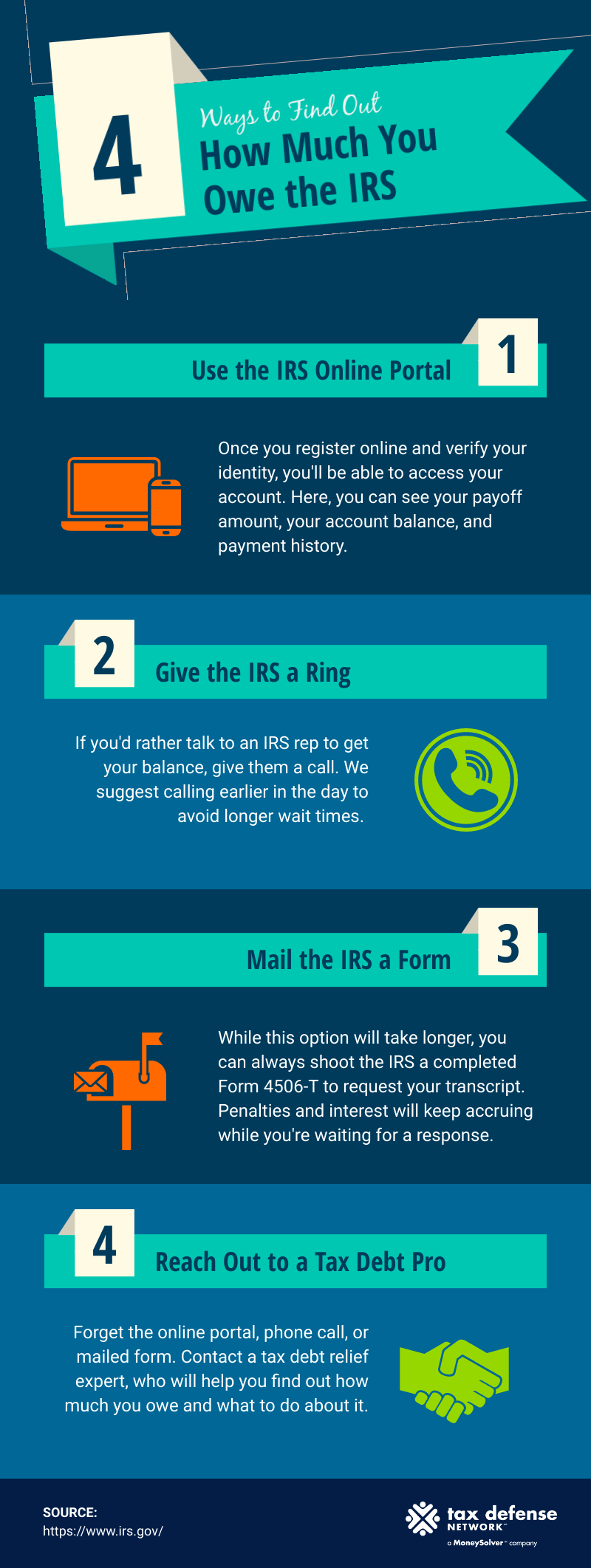
The IRS Online Account is arguably the most direct way to check your tax balance and review your IRS history. After creating and verifying an account (which involves a robust identity verification process for security), you can:
- View Your Balance: See the amount you owe, by tax year, with a breakdown of tax, penalties, and interest.
- View Your Payment History: Check payments you’ve made, including estimated tax payments, withholdings, and prior tax return payments.
- Access Tax Records: View key data from your most recent tax return, payment plan details, and digital copies of certain IRS notices.
This portal is a powerful tool for monitoring your current and past tax liabilities and ensuring your records align with the IRS’.
Decoding IRS Notices and Transcripts
Receiving a letter from the IRS can be alarming, but it’s crucial to understand what it means. Many notices are informational, but some directly indicate an outstanding balance or a discrepancy.
- CP14 Notice: This is the most common notice indicating that you owe money, typically for unpaid taxes from a filed return. It specifies the amount, due date, and details any interest and penalties.
- CP2000 Notice: This notice indicates a discrepancy between the income reported on your tax return and the income reported to the IRS by third parties (like employers or banks via W-2s and 1099s). It often suggests you owe more tax.
- Lien or Levy Notices: These are more serious and indicate the IRS intends to claim your property or assets due to unpaid taxes.
Beyond notices, tax transcripts provide a detailed record of your tax account. You can request various types of transcripts (e.g., account transcript, record of account transcript, wage and income transcript) via your IRS Online Account or by mail. These documents can confirm income reported to the IRS, your filing status, and any payments made, helping you reconcile your own records with the IRS’s.
When to Engage a Qualified Tax Professional
While self-service tools are powerful, complex situations or persistent confusion warrant the expertise of a tax professional. Certified Public Accountants (CPAs), Enrolled Agents (EAs), or tax attorneys specialize in tax law and can:
- Interpret Complex Notices: They can explain IRS letters and advise on the best course of action.
- Review Your Account: Professionals can access your IRS records with your authorization and provide a clear assessment of your tax liability.
- Identify Discrepancies: They can spot errors on your return or in IRS records.
- Represent You: If you need to communicate directly with the IRS or dispute an assessment, a tax professional can act on your behalf.
Their guidance can be invaluable in confirming a tax debt, understanding its origins, and exploring resolution options.
Addressing an Outstanding Tax Liability: Your Next Steps
Discovering you owe the IRS money, while perhaps unsettling, is not the end of the world. The IRS has established procedures and options for taxpayers to resolve their debts.
Verifying the Debt and Understanding Penalties
The first step after identifying a potential debt is to verify the accuracy of the amount claimed. Review your records against the IRS’s figures. If you believe there’s an error, gather your supporting documentation to challenge the claim. Additionally, understand that an outstanding tax debt typically accrues penalties and interest. Common penalties include:
- Failure to File: For not filing your tax return by the due date.
- Failure to Pay: For not paying the tax you owe by the due date.
- Accuracy-Related Penalty: For underpaying due to negligence or substantial understatement of tax.
- Underpayment of Estimated Tax: For not paying enough tax throughout the year.
Interest is charged on underpayments and unpaid penalties, compounding daily. Understanding these charges helps you grasp the full scope of your liability.
Exploring Payment Plans and Resolution Options
If you confirm you owe the IRS, several payment and resolution options are available:
- Full Payment: The simplest solution, if affordable. You can pay directly from your bank account, by debit/credit card, or by check/money order.
- Short-Term Payment Plan: If you can pay off your balance within 180 days, you might qualify for a short-term plan, though interest and penalties still apply.
- Offer in Compromise (OIC): This allows certain taxpayers to resolve their tax liability with the IRS for a lower amount than what they originally owe. An OIC is typically granted when taxpayers are experiencing significant financial difficulty.
- Installment Agreement: If you can’t pay your full balance immediately or within 180 days, you can apply for a monthly payment plan for up to 72 months. While penalties and interest continue to accrue, they may be reduced.
It’s critical to engage with the IRS about these options rather than ignoring the debt. The sooner you act, the more flexibility you’ll generally have.

The Importance of Timely Action and Professional Guidance
Ignoring an IRS notice or an outstanding tax debt will only exacerbate the problem. Penalties and interest continue to accrue, and the IRS can take collection actions, including wage garnishment, bank levies, or even placing a lien on your property. Prompt action demonstrates good faith and often leads to more favorable outcomes.
If your situation is complicated, or if you feel overwhelmed, do not hesitate to seek professional guidance. A tax professional can help you understand your options, negotiate with the IRS on your behalf, and formulate a strategy to resolve your debt in the most advantageous way possible, ensuring you meet your obligations while protecting your financial well-being.
By proactively managing your tax situation, utilizing the IRS’s resources, and seeking professional help when needed, you can confidently navigate your tax obligations and avoid the anxiety of an unexpected tax bill. Understanding your financial standing with the IRS is not just a regulatory necessity; it’s a cornerstone of sound personal finance.
aViewFromTheCave is a participant in the Amazon Services LLC Associates Program, an affiliate advertising program designed to provide a means for sites to earn advertising fees by advertising and linking to Amazon.com. Amazon, the Amazon logo, AmazonSupply, and the AmazonSupply logo are trademarks of Amazon.com, Inc. or its affiliates. As an Amazon Associate we earn affiliate commissions from qualifying purchases.