
The world of investing often presents opportunities that extend beyond the immediate horizon. While many focus on short-term gains and rapid market movements, a strategic approach can involve looking further ahead. In this context, understanding LEAPS (Long-Term Equity Anticipation Securities) becomes crucial for investors seeking to leverage longer-term market trends. This article delves into what LEAPS are, how they function, and their potential applications within the broader landscape of investing, particularly as it intersects with technology, branding, and, of course, money.
Understanding the Fundamentals: Beyond Short-Term Trades
At its core, an option contract gives the buyer the right, but not the obligation, to buy or sell an underlying asset at a specified price (the strike price) on or before a certain date. Typically, options have expiration dates that are relatively short, ranging from a few weeks to a few months. This short-term nature makes them attractive for traders who aim to profit from immediate price fluctuations.
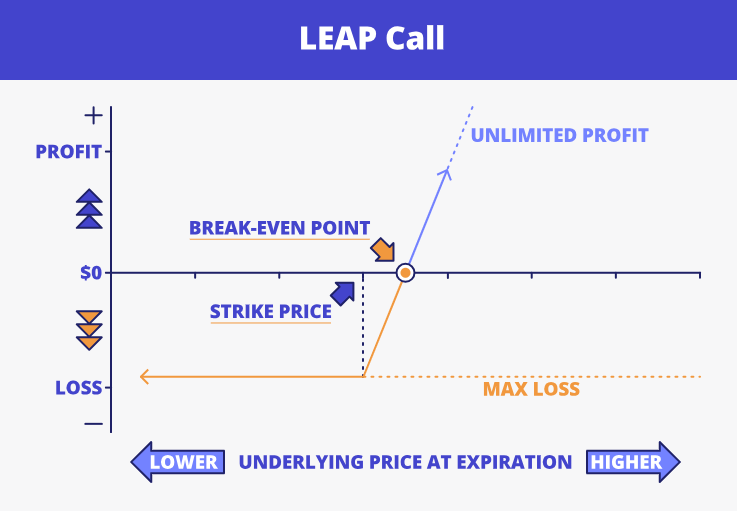
However, LEAPS fundamentally alter this timeframe. As their name suggests, LEAPS are long-term options contracts. They offer the same rights as standard options – the right to buy (call LEAPS) or sell (put LEAPS) an underlying asset – but with significantly extended expiration dates. Instead of expiring within a year, LEAPS can have expiration dates of up to two to three years, and sometimes even longer. This extended duration is the defining characteristic that sets them apart and opens up a different strategic playbook for investors.
The Mechanics of LEAPS: Time and Value
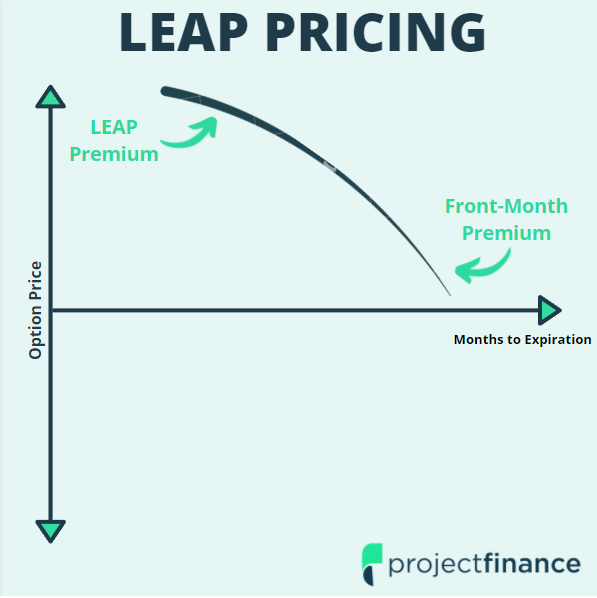
The extended lifespan of LEAPS has several implications for their pricing and strategic utility. Because they offer a much longer period for the underlying asset to move in the desired direction, LEAPS generally have higher premiums (the price paid for the option contract) compared to their shorter-dated counterparts with the same strike price and underlying asset. This higher premium reflects the increased probability of a significant price move occurring over a longer timeframe.
When considering LEAPS, several key components are vital to understand:
- Underlying Asset: This is the stock, ETF, index, or other financial instrument on which the LEAP contract is based. The performance of this underlying asset is what ultimately drives the profitability of the LEAP.
- Strike Price: This is the predetermined price at which the LEAP holder can buy (for a call) or sell (for a put) the underlying asset. Choosing the right strike price is crucial for maximizing potential gains and managing risk.
- Expiration Date: As mentioned, this is the date on which the LEAP contract expires. For LEAPS, this date is typically more than one year away, often two or three years.
- Premium: This is the cost of purchasing the LEAP contract. It’s influenced by factors such as the underlying asset’s price, volatility, interest rates, time to expiration, and the strike price.
The value of a LEAP, like any option, is derived from two components: intrinsic value and extrinsic value (or time value). Intrinsic value is the in-the-money amount of the option. For example, if a stock is trading at $60 and you have a call LEAP with a $50 strike price, the intrinsic value is $10 ($60 – $50). Extrinsic value, on the other hand, is the portion of the premium that reflects the possibility of future price movement and the time remaining until expiration. With LEAPS, the extrinsic value is a significant portion of the premium due to the extended timeframe.
Strategic Applications of LEAPS: Navigating Long-Term Trends
The extended timeframe of LEAPS makes them particularly well-suited for investors who have a strong conviction about the long-term trajectory of an underlying asset or market. They offer a way to participate in potential substantial gains over several years without committing the full capital required to own the underlying shares outright.
Leveraging Technology Trends with LEAPS
The fast-paced world of technology is a prime area where LEAPS can be strategically employed. Consider the rapid evolution of Artificial Intelligence (AI), cloud computing, or the burgeoning metaverse. Identifying companies poised for significant growth in these sectors requires a long-term perspective.
- Capturing Secular Growth: Investors who believe a specific technology company is on the cusp of a multi-year growth spurt might use call LEAPS to benefit from this anticipated appreciation. Instead of buying shares today and holding them for years, they can purchase a call LEAP with an expiration date two or three years out. This allows them to control a significant number of shares at a fraction of the cost of owning them directly. If the company’s stock price rises substantially over those years, the LEAP can experience exponential gains.
- Hedging Against Technological Disruption: Conversely, LEAPS can also be used for hedging. If an investor holds significant positions in companies that might be vulnerable to technological disruption, they could consider purchasing put LEAPS on those companies or on broader industry ETFs. This provides downside protection over the long term. For instance, if an investor believes traditional retail might struggle against the relentless rise of e-commerce and new digital storefronts, put LEAPS could serve as a long-term insurance policy.

The power of LEAPS in tech investing lies in their ability to align with the often multi-year development cycles and adoption curves characteristic of technological innovation. A breakthrough in AI, the successful rollout of a new chip architecture, or widespread adoption of a new software platform may take years to fully manifest in a company’s stock price. LEAPS provide the time for these narratives to play out.
Branding and Reputation: Long-Term Value Plays
While the link might seem less direct, LEAPS can also be relevant in assessing the long-term value of companies based on their brand strength and reputation. A strong brand, coupled with effective marketing and a solid corporate identity, can be a powerful driver of sustained profitability.
- Investing in Brand Equity: Companies with deeply ingrained brand loyalty and a consistent ability to adapt their brand message to evolving consumer preferences can exhibit steady, long-term growth. Investors who recognize this enduring brand equity might use call LEAPS to gain leveraged exposure to such companies. The anticipation is that the brand’s resilience and marketing prowess will translate into consistent revenue and profit growth over the years, thereby increasing the value of the underlying stock.
- Identifying Turnaround Potential: In some cases, a company might experience a temporary dip in its stock price due to a reputational setback or a misstep in its branding strategy. However, if the underlying brand remains strong and the company has a credible plan for recovery, investors might see an opportunity. Long-dated put LEAPS could be used to profit from a prolonged decline if the turnaround fails, or conversely, long-dated call LEAPS could be purchased if the investor believes the company’s brand will emerge stronger from the challenge.
The “case studies” of successful brands often highlight their ability to navigate economic cycles and competitive pressures over decades. LEAPS allow investors to participate in this long-term value creation without necessarily locking up capital for an equivalent period. The premium paid for the LEAP is effectively an investment in the potential for the brand’s enduring success.
Financial Strategies and Income Generation with LEAPS
For investors focused on personal finance, online income, and business finance, LEAPS offer a distinct set of strategic possibilities. Their long-term nature can be employed in various ways, from speculative bets to more complex income-generating strategies.
- Long-Term Speculation and Leverage: The most straightforward use of LEAPS is as a leveraged bet on a stock’s future price appreciation. By buying call LEAPS, an investor can control a large number of shares with a relatively smaller capital outlay compared to buying the shares directly. This leverage can magnify both gains and losses. For instance, if a stock doubles in price, a LEAP might increase in value by several multiples. This makes LEAPS an attractive tool for aggressive investors with strong convictions.
- The “Poor Man’s Covered Call” (PMCC): A more sophisticated strategy that utilizes LEAPS is the PMCC. In this strategy, an investor buys a deep-in-the-money call LEAP (often with a strike price significantly below the current stock price) and then sells shorter-dated, out-of-the-money call options against it. The deep-in-the-money LEAP acts as a substitute for owning 100 shares of stock. The income generated from selling the shorter-dated calls can help offset the cost of the LEAP and generate regular income. This strategy aims to capture some of the stock’s upside while generating income, all with less capital than owning 100 shares outright.
- Hedging Portfolios: For investors holding a diversified portfolio, LEAPS can be used to hedge against significant market downturns over the long term. Buying put LEAPS on broad market indices like the S&P 500 can act as a form of insurance. If the market experiences a prolonged bear phase, these put LEAPS can appreciate significantly, offsetting losses in other parts of the portfolio.
The allure of LEAPS in financial planning stems from their flexibility. They can be used to express a strong directional view on an asset for an extended period, provide downside protection, or even be incorporated into income-generating strategies, all while potentially requiring less capital than direct ownership of the underlying asset.
Risks and Considerations When Using LEAPS
While LEAPS offer compelling advantages, it is crucial to approach them with a thorough understanding of the associated risks. The very features that make them attractive can also amplify potential losses if market movements do not align with expectations.
- Time Decay (Theta): Although LEAPS have a longer time to expiration than standard options, they are still subject to time decay. As expiration approaches, the extrinsic value of the LEAP erodes. While the impact of theta is slower with LEAPS than with short-term options, it remains a significant factor, especially as the expiration date draws nearer.
- Capital Intensive Premiums: Due to their long expiration dates, LEAPS carry higher premiums than shorter-dated options. This means a larger initial capital outlay is required. If the underlying asset does not move favorably, the entire premium paid can be lost.
- Market Volatility: While LEAPS are designed to benefit from long-term trends, unexpected volatility in the underlying asset can significantly impact their value. Sharp price swings, even if they eventually revert, can lead to substantial paper losses or gains in the short to medium term.
- Assignment Risk (for Sellers): While this article focuses on buyers, if one engages in strategies involving selling LEAPS, the risk of assignment (being forced to buy or sell the underlying asset) needs careful consideration, especially as expiration approaches.
Conclusion: A Tool for Long-Term Vision
In the dynamic landscape of investing, understanding different financial instruments is key to building robust strategies. LEAPS (Long-Term Equity Anticipation Securities) represent a powerful tool for investors who possess a long-term vision. By extending the lifespan of options contracts, LEAPS allow for participation in extended growth trends across various sectors, from technological innovation and brand development to personal and corporate finance.
Whether you are looking to capitalize on the next big tech revolution, benefit from the enduring strength of a well-established brand, or implement sophisticated financial strategies, LEAPS offer a unique avenue. However, like all leveraged financial instruments, they come with inherent risks. A deep understanding of their mechanics, coupled with careful consideration of market conditions and individual risk tolerance, is paramount. When used strategically and with due diligence, LEAPS can be a valuable component of a well-rounded, forward-thinking investment portfolio, enabling investors to not just react to the market, but to anticipate and profit from its longer-term evolution.
aViewFromTheCave is a participant in the Amazon Services LLC Associates Program, an affiliate advertising program designed to provide a means for sites to earn advertising fees by advertising and linking to Amazon.com. Amazon, the Amazon logo, AmazonSupply, and the AmazonSupply logo are trademarks of Amazon.com, Inc. or its affiliates. As an Amazon Associate we earn affiliate commissions from qualifying purchases.