
In an increasingly cashless world, digital wallets have become indispensable tools, streamlining everything from daily coffee runs to significant online purchases. Among the most widely adopted is Google Wallet, a convenient platform that consolidates payment cards, loyalty programs, tickets, and more into a single digital hub. But with financial transactions moving into the digital realm, a fundamental question emerges for every user: how safe is Google Wallet? This isn’t just about the convenience it offers; it’s about the robust technological infrastructure, the intricate security protocols, and the user’s role in safeguarding their digital assets.

This article delves deep into the technological fortifications that underpin Google Wallet’s security. We will explore the multi-layered defenses Google has engineered, from advanced encryption to sophisticated fraud detection, and examine the critical features that empower users to protect their accounts. By understanding both the architecture and the practical steps individuals can take, we aim to provide a comprehensive and insightful answer to the pervasive question of Google Wallet’s safety.
Understanding Google Wallet’s Core Security Architecture
At the heart of Google Wallet’s security lies a sophisticated architecture designed to protect sensitive financial data from the moment it’s entered until a transaction is complete. This architecture leverages industry-leading practices and proprietary innovations to create a secure environment that aims to keep user data private and transactions secure.
Tokenization: The Cornerstone of Secure Transactions
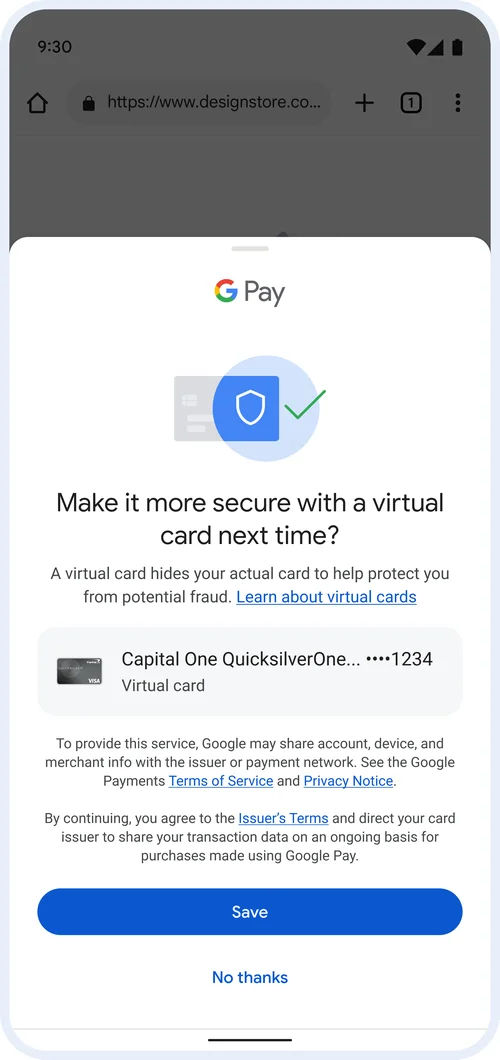
One of the most critical security measures employed by Google Wallet is tokenization. When you add a credit or debit card to Google Wallet, your actual card number isn’t stored directly on your device or shared with merchants during a transaction. Instead, it’s replaced with a unique, encrypted digital token. This token is a randomly generated number that acts as a stand-in for your real card details.
During a purchase, the merchant receives this token, not your actual card number. If a data breach were to occur at the merchant’s end, the stolen data would only contain these tokens, which are useless without the specific decryption keys held securely by the payment networks. This makes it incredibly difficult for fraudsters to compromise your actual financial accounts, even if they manage to intercept transaction data. Tokenization effectively isolates your sensitive card information, significantly reducing the risk of fraud. It’s a fundamental shift from transmitting sensitive data to transmitting a highly secure, one-time-use placeholder.
Encryption Standards in Transit and at Rest
Encryption forms another foundational layer of Google Wallet’s security. When your data is transmitted between your device, Google’s servers, and payment networks (data “in transit”), it is protected using strong encryption protocols like Transport Layer Security (TLS) and Secure Sockets Layer (SSL). These protocols scramble the information, making it unreadable to anyone without the correct decryption key. This ensures that even if malicious actors intercept the data packets, they cannot decipher your personal or financial information.
Furthermore, sensitive data stored on Google’s servers (data “at rest”) is also encrypted. Google employs advanced encryption algorithms to protect this data, ensuring that even if physical access to their servers were gained, the data would remain unintelligible. This dual-layered encryption – both in transit and at rest – provides comprehensive protection against various forms of cyber threats, from passive eavesdropping to direct data theft.
The Secure Element and Device-Level Protection
Many modern smartphones come equipped with a dedicated hardware component known as the Secure Element (SE) or a Trusted Execution Environment (TEE). Google Wallet is designed to leverage these hardware-level security features when available. The Secure Element is an isolated, tamper-resistant chip that stores cryptographic keys and sensitive data like payment tokens. It operates independently from the main operating system, making it much more difficult for malicious software (malware) to access or compromise the stored information.
When you make a contactless payment using NFC (Near Field Communication), the transaction often happens within this secure hardware environment, further insulating your payment details. This hardware-based security adds an extra layer of defense, ensuring that even if your phone’s operating system were compromised, the most critical payment data would remain protected within this secure enclave.
User-Centric Security Features: Your Role in Staying Safe
While Google implements robust backend security, much of Google Wallet’s safety also hinges on the user’s active participation and understanding of the features designed to empower them. These user-centric controls provide crucial layers of protection that, when utilized effectively, significantly enhance the security posture of your digital wallet.
Multi-Factor Authentication (MFA) and Biometrics
Multi-Factor Authentication (MFA) is a critical security measure that Google strongly encourages and often mandates for accessing sensitive account features. MFA requires users to provide two or more verification factors to gain access, making it significantly harder for unauthorized individuals to log in, even if they know your password. This typically involves “something you know” (your password), combined with “something you have” (your phone receiving a code) or “something you are” (your fingerprint or face scan).
Google Wallet heavily integrates with your device’s biometric security features, such as fingerprint scanners and facial recognition. For payments and sensitive actions within the app, you are often prompted to verify your identity using these biometrics or your device’s screen lock PIN/pattern. This means that even if someone gains access to your unlocked phone, they still cannot use Google Wallet for payments without your specific biometric or PIN authorization, providing a vital safeguard against opportunistic theft.
Device Lock and Remote Wipe Capabilities
The foundation of Google Wallet’s device-level security is the lock screen on your smartphone. Google Wallet requires a screen lock (PIN, pattern, password, or biometric) to be enabled on your device to make payments and access your cards. This simple yet effective measure prevents unauthorized use of your wallet if your phone is lost or stolen and falls into the wrong hands. Without unlocking the device, no one can access your Wallet, let alone make transactions.
Beyond this, Google offers robust “Find My Device” capabilities. If your phone is lost or stolen, you can remotely locate, lock, or even erase all data from it. This remote wipe feature is an absolute last resort, but it ensures that your personal and financial information, including your Google Wallet data, does not fall into the wrong hands, effectively making your device a digital brick. This capability is paramount for peace of mind, knowing that even if the physical device is compromised, your data can be secured.
Transaction Monitoring and Alerts
Google Wallet actively monitors transactions for suspicious activity. Leveraging advanced algorithms and machine learning, Google’s fraud detection systems analyze various data points to identify unusual patterns that might indicate unauthorized use. This proactive monitoring can flag potentially fraudulent transactions in real-time.
Furthermore, Google Wallet provides instant notifications for every transaction made. When you use your Google Wallet, you receive an alert on your device, detailing the merchant and the amount. This immediate feedback loop allows you to quickly spot and report any unauthorized transactions. By regularly reviewing your transaction history within the app and responding promptly to any suspicious alerts, you can play an active role in preventing and mitigating financial fraud.
Behind the Scenes: Google’s Infrastructure and Protections
Beyond the user-facing features and device-level safeguards, a massive and complex infrastructure operates silently in the background, continuously working to protect Google Wallet users. This involves highly sophisticated systems, stringent policies, and relentless efforts by Google’s security teams.
Advanced Fraud Detection Systems
Google invests heavily in cutting-edge fraud detection technologies. These systems employ artificial intelligence and machine learning to analyze billions of data points, identifying patterns that deviate from normal user behavior. This might include unusual transaction amounts, unfamiliar merchants, transactions from atypical locations, or rapid sequences of purchases. The system can flag potentially fraudulent transactions in real-time, often before they are even completed, and can automatically block them or prompt for additional verification. This proactive approach significantly reduces the success rate of various fraud schemes, including card-not-present fraud and identity theft. The continuous learning of these AI models means they adapt and improve their detection capabilities as new fraud tactics emerge.
Data Privacy and Handling Policies
Google’s commitment to user data privacy extends deeply into Google Wallet. The company adheres to stringent data handling policies, ensuring that personal and financial information is collected, stored, and processed responsibly. Google’s privacy policy clearly outlines what data is collected, how it’s used, and with whom it might be shared. Crucially, Google states that it does not sell your personal information to third parties.
For Google Wallet, your payment information is used primarily to facilitate transactions and provide related services. While transaction data may be anonymized and aggregated for internal analysis to improve services, it is not linked back to individual users for advertising purposes without explicit consent. Users also have controls within their Google account to manage their privacy settings, review their activity, and delete certain data, putting the user in control of their digital footprint.
Regular Security Audits and Updates
The threat landscape in cybersecurity is constantly evolving, with new vulnerabilities and attack methods emerging regularly. To counter this, Google maintains a relentless schedule of security audits, both internal and external. Expert security teams continuously probe Google Wallet’s systems for weaknesses, conduct penetration testing, and review code for potential flaws.
Furthermore, Google regularly pushes software updates for the Google Wallet app and its underlying infrastructure. These updates are crucial, as they often include security patches that address newly discovered vulnerabilities, enhance existing security features, and implement protections against emerging threats. Keeping your Google Wallet app and your device’s operating system updated is therefore not just about accessing new features, but a vital step in maintaining optimal security.
Addressing Common Concerns and Misconceptions
Despite Google Wallet’s robust security, certain concerns and misconceptions persist among users. Addressing these can provide a clearer picture of what risks truly exist and how they are mitigated.
What Happens if My Phone is Lost or Stolen?
This is perhaps the most common concern, and thankfully, Google has multiple layers of defense. As discussed, your Google Wallet requires your device’s screen lock (PIN, pattern, or biometrics) to make payments or access sensitive details. This is the first line of defense. Even if your phone is stolen while unlocked, transactions via NFC typically require re-authentication (fingerprint/face scan) or the device PIN for security.
Beyond that, you can immediately use Google’s “Find My Device” service from any web browser to remotely lock your phone, display a contact message, or, in a worst-case scenario, erase all data. Your actual card numbers are not stored on the device itself, only encrypted tokens, further limiting the damage. You can also contact your bank or card issuer to report your cards compromised, just as you would with a physical wallet. The combination of device-level security, remote management, and tokenization makes the risk of financial loss from a stolen phone significantly lower than with a lost physical wallet.
Phishing and Social Engineering Risks
While Google Wallet’s technical security is strong, no system can fully protect against human error or manipulation. Phishing and social engineering remain significant threats. Phishing involves deceptive attempts (often via email, SMS, or fake websites) to trick users into revealing their login credentials or other sensitive information. Social engineering manipulates users into performing actions that compromise their security.
Users might receive fake emails purporting to be from Google, asking them to “verify” their account by clicking a malicious link and entering their Google Wallet details. It’s crucial to remember that Google will never ask for your password or full card details via email. Always be suspicious of unsolicited communications asking for personal information, verify the sender, and navigate directly to official websites if you need to manage your account. Understanding these tactics is key to not falling victim to attacks that bypass technical security.
The Myth of Absolute Invulnerability
It’s important to understand that no digital system, including Google Wallet, can claim 100% absolute invulnerability. The world of cybersecurity is a continuous arms race between defenders and attackers. While Google employs world-class security experts and invests heavily in protection, vulnerabilities can sometimes be discovered, or new attack vectors can emerge.
However, Google Wallet operates with a very high degree of security, making it one of the safest ways to conduct digital transactions. The combination of its robust technical architecture, continuous updates, and proactive fraud detection means that the risk of a successful, large-scale breach directly compromising user funds is exceptionally low. The vast majority of successful digital wallet frauds occur due to user negligence (e.g., using weak passwords, falling for phishing scams) rather than inherent flaws in the wallet’s core security.
Best Practices for Maximizing Your Google Wallet Security
While Google provides the robust framework for security, user vigilance and adherence to best practices are paramount to truly maximize the safety of your Google Wallet. Your actions complement Google’s technological defenses, creating a stronger overall security posture.
Keep Your Device and App Updated
This is perhaps the simplest yet most critical step. Software updates for your smartphone’s operating system (Android or iOS) often include vital security patches that fix newly discovered vulnerabilities. Similarly, updates for the Google Wallet app itself frequently contain enhanced security features and protections against emerging threats. Ignoring updates leaves your device and app exposed to known weaknesses that attackers could exploit. Enable automatic updates or make it a habit to regularly check for and install them promptly. A fully updated system is a secure system.
Be Vigilant Against Scams
As discussed, phishing and social engineering are major threats. Always exercise extreme caution with unsolicited emails, text messages, or phone calls claiming to be from Google or your bank. Never click on suspicious links, download unknown attachments, or provide personal information (especially passwords or full card numbers) in response to such communications. If in doubt, go directly to the official Google Wallet website or app to manage your account or contact Google’s support through official channels. Remember that legitimate organizations will not ask for sensitive information in an insecure manner.
Use Strong, Unique Passwords
Your Google Account password is the master key to your digital life, including Google Wallet. Ensure you use a strong, unique password that combines uppercase and lowercase letters, numbers, and symbols, and avoid easily guessable information like birthdays or common words. Furthermore, never reuse the same password across multiple online accounts. If one service is breached, using a unique password prevents attackers from accessing your other accounts, including your Google Wallet. Consider using a reputable password manager to help you create and store complex, unique passwords for all your online services.
Regularly Review Transaction History
Make it a habit to regularly review your Google Wallet transaction history and compare it with your bank or card statements. Many users overlook this simple yet effective security measure. Checking your transaction logs allows you to quickly identify any unauthorized activity. If you spot anything suspicious, report it immediately to your bank or card issuer, and follow Google’s procedures for disputing transactions. Prompt action can significantly limit any potential financial loss and help in the investigation of fraudulent activities.
Enable Multi-Factor Authentication for Your Google Account
Beyond the device-level biometrics, ensure that Multi-Factor Authentication (MFA) is enabled for your main Google Account. This adds a crucial layer of security, requiring a second form of verification (like a code from your phone or a security key) whenever you sign in from a new device. This makes it significantly harder for unauthorized users to gain access to your Google Wallet and other Google services, even if they manage to acquire your password through a breach or phishing attempt.
Conclusion
So, how safe is Google Wallet? The unequivocal answer is: very safe, provided users take an active role in their own security. Google has engineered a highly sophisticated, multi-layered security architecture that leverages cutting-edge technologies like tokenization, robust encryption, and advanced fraud detection systems. The reliance on hardware-level security, coupled with continuous updates and rigorous audits, places Google Wallet among the most secure digital payment platforms available.
However, no technology, no matter how advanced, can guarantee absolute safety without conscious effort from its users. The greatest vulnerabilities often lie not in the code, but in human behavior. By diligently utilizing user-centric features such as multi-factor authentication, maintaining a strong device lock, staying vigilant against phishing scams, and regularly reviewing transaction history, individuals can significantly fortify their Google Wallet experience.
In essence, Google Wallet offers a secure and convenient pathway for managing your finances digitally. By understanding its technological safeguards and adhering to fundamental cybersecurity best practices, users can confidently embrace the future of payments, knowing their digital wallet is well-protected. The responsibility is shared: Google provides the fortress, but you must ensure the gates are always properly secured.
aViewFromTheCave is a participant in the Amazon Services LLC Associates Program, an affiliate advertising program designed to provide a means for sites to earn advertising fees by advertising and linking to Amazon.com. Amazon, the Amazon logo, AmazonSupply, and the AmazonSupply logo are trademarks of Amazon.com, Inc. or its affiliates. As an Amazon Associate we earn affiliate commissions from qualifying purchases.