
The term “Latino countries” often sparks curiosity, a desire to understand a vast and vibrant region that significantly shapes global culture, economics, and technology. But what exactly defines a “Latino country”? It’s a question that delves into history, language, culture, and increasingly, economic and technological integration. This article will explore the multifaceted definition of Latino countries, moving beyond a simplistic geographical or linguistic label to encompass the dynamic realities of their development in the 21st century, viewed through the lens of technology, branding, and finance.
Defining the “Latino” Sphere: Beyond Borders and Language
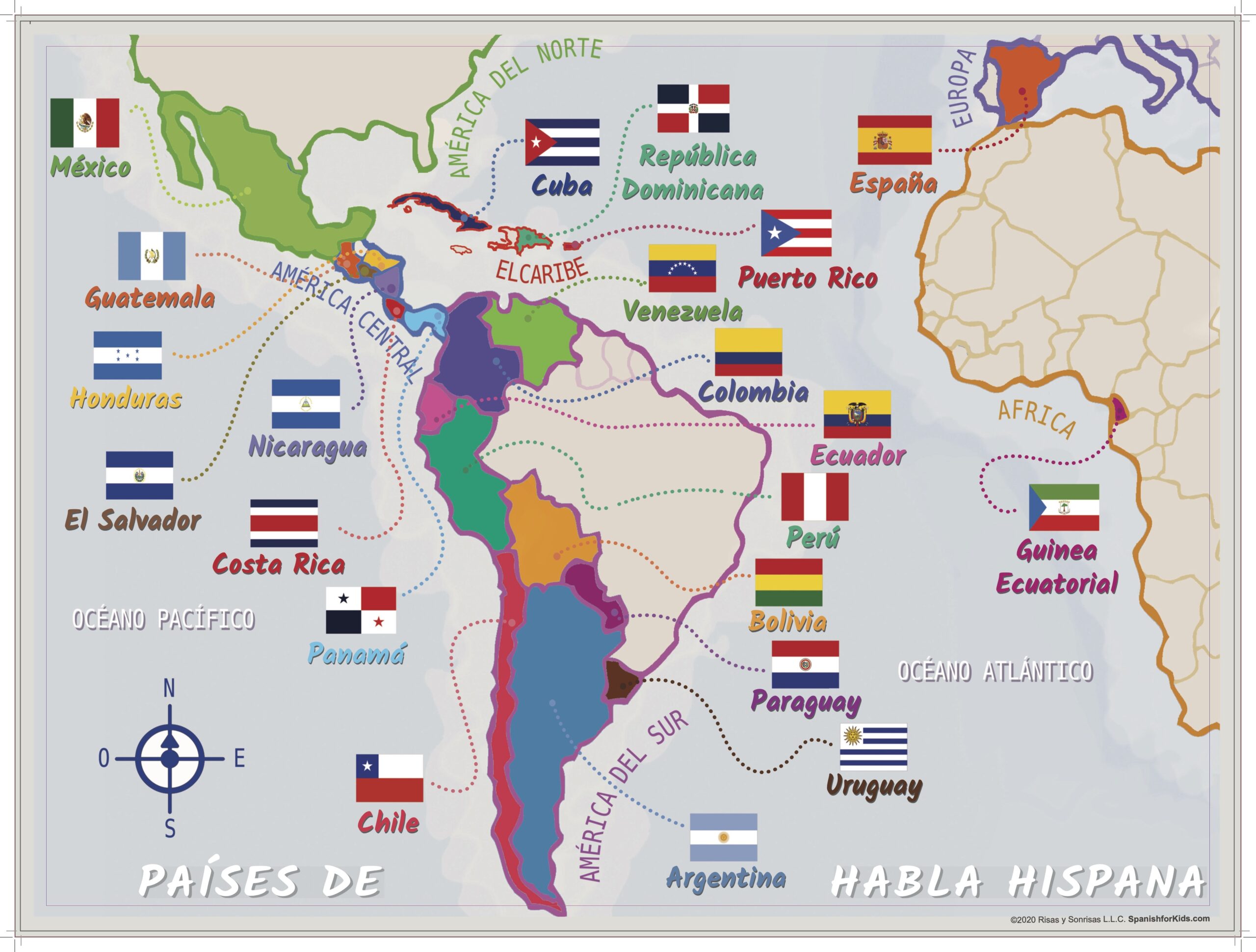
At its core, the term “Latino” primarily refers to people and cultures originating from Latin America, a subregion of the Americas characterized by its Romance language heritage. This heritage stems from the colonial past, where Spain and Portugal established their languages, as well as legal and cultural systems, across vast territories in the Americas. Therefore, a foundational understanding of “Latino countries” centers on nations where Spanish or Portuguese are the dominant official languages.
The Lingua Franca of Latin America
The most prominent languages defining Latino countries are Spanish and Portuguese. Spanish is spoken in the majority of countries across Central and South America, as well as in Mexico and parts of the Caribbean. This linguistic commonality forms a significant cultural bridge, facilitating communication, trade, and the sharing of ideas across borders. Think of the rich literary traditions, the diverse musical genres, and the shared historical narratives that emerge from this linguistic connection.
Portuguese, primarily spoken in Brazil, represents the largest nation in South America and a significant economic and cultural powerhouse in its own right. While sharing many cultural affinities with Spanish-speaking nations, Brazil’s Portuguese heritage also lends it a distinct identity within the broader Latin American landscape.
Beyond these dominant languages, it’s crucial to acknowledge the presence of other Romance languages, such as French, spoken in Haiti, and various indigenous languages that continue to thrive and influence the cultural fabric of many Latino nations. However, for the purposes of broad categorization, the Spanish and Portuguese-speaking nations form the undeniable bedrock of what is commonly understood as “Latino countries.”
Geographic and Cultural Considerations
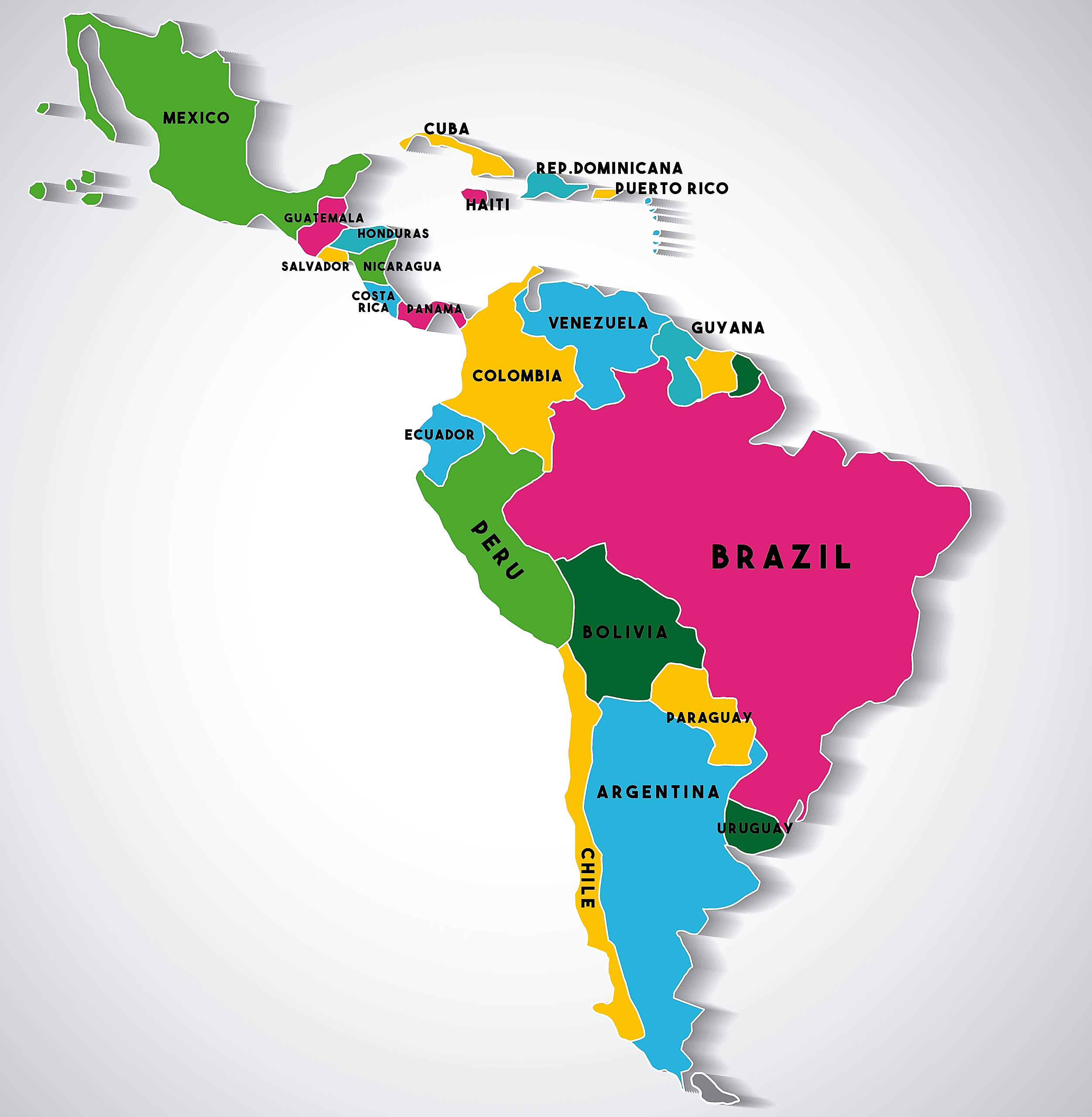
Geographically, Latino countries are situated in Latin America, a broad term encompassing Mexico, Central America, South America, and the Spanish and French-speaking Caribbean islands. This vast expanse is characterized by immense geographical diversity, from the arid deserts of the Atacama to the lush rainforests of the Amazon, and the towering Andes mountains. This diversity has, in turn, fostered a rich tapestry of cultures, traditions, and ways of life.
Culturally, “Latino” often implies a shared heritage of colonialism, a significant influence of Indigenous cultures, and a vibrant fusion with African traditions, particularly in countries with a history of the transatlantic slave trade. This syncretism has given rise to unique art forms, culinary delights, and social customs that are distinctively Latin American. While distinct national identities are strong, there’s an undeniable underlying cultural resonance that binds these nations together.
The Modern Latino Landscape: Technology, Brand, and Money
The traditional definitions of “Latino countries” based on language and geography are essential starting points, but to truly understand their contemporary significance, we must examine them through the lenses of Technology, Brand, and Money. These interconnected domains are increasingly shaping the trajectory of these nations, fostering innovation, building global presence, and driving economic growth.
2. Tech: Embracing Digital Transformation and Innovation
The perception of Latin America as a region solely focused on traditional industries is rapidly becoming outdated. Technology is not just a peripheral concern; it’s a driving force for development and a key area where Latino countries are making significant strides. From burgeoning tech hubs in cities like São Paulo, Mexico City, and Buenos Aires to the widespread adoption of digital tools and AI, innovation is flourishing.
2.1 Technology Trends and Software Adoption
Latino countries are witnessing a rapid uptake in various Technology Trends. Mobile penetration is exceptionally high, making smartphones the primary gateway to the internet and digital services for a large segment of the population. This has fueled the growth of e-commerce, digital payments, and mobile-first applications across diverse sectors.
The adoption of Software is also accelerating. Businesses are increasingly investing in cloud-based solutions for management, operations, and customer engagement. AI Tools are no longer confined to research labs; they are being integrated into everyday applications, from personalized recommendations in e-commerce to predictive analytics in finance and agriculture. The development and application of Apps are booming, catering to local needs and preferences, ranging from ride-sharing and food delivery services to educational platforms and health management tools.
2.2 Gadgets, Reviews, and the Digital Consumer
The appetite for the latest Gadgets is evident across the region. As disposable incomes rise in certain segments, consumers are eager to embrace new technologies that enhance their lives. This has led to a vibrant ecosystem of tech reviewers and content creators who provide valuable Reviews and tutorials, guiding consumers through the ever-evolving landscape of electronics and digital devices. The accessibility of online platforms and social media has amplified the reach of these influencers, playing a crucial role in consumer decision-making.
2.3 Tutorials, Digital Security, and Productivity
A significant focus within the tech sphere is on Tutorials and skill development. With a growing demand for digital literacy and specialized tech skills, platforms offering online courses and guides are gaining traction. This empowers individuals and businesses to adapt to the digital economy.
Crucially, Digital Security is becoming a paramount concern. As more of life moves online, understanding and implementing robust security measures is vital for both individuals and organizations. Awareness campaigns and the development of secure digital infrastructure are ongoing efforts.
Finally, the pursuit of Productivity is a key driver for tech adoption. Businesses are leveraging technology to streamline operations, enhance collaboration, and optimize resource allocation. Individuals are using apps and tools to manage their time, organize their tasks, and improve their overall efficiency, both in their professional and personal lives.
3. Brand: Crafting Global Identities and Local Resonance
The concept of Brand in Latino countries extends far beyond corporate logos; it encompasses national identities, cultural narratives, and the strategic positioning of businesses on the global stage. The region’s rich cultural heritage provides a powerful foundation for building unique and resonant brands.
3.1 Brand Strategy and Personal Branding
Developing effective Brand Strategy is becoming increasingly sophisticated in Latino countries. Businesses are moving beyond product-centric marketing to focus on creating meaningful connections with consumers, emphasizing values, purpose, and authentic storytelling. Personal Branding is also gaining prominence, as entrepreneurs, artists, and professionals leverage digital platforms to build their reputations and influence. This is crucial for navigating competitive markets and establishing credibility.
3.2 Corporate Identity and Marketing Innovation
Establishing a strong Corporate Identity is essential for businesses to differentiate themselves in a crowded marketplace. This involves not only visual design but also the articulation of a company’s mission, values, and unique selling propositions. Marketing in Latino countries is increasingly characterized by creativity and an understanding of local nuances. Digital marketing, social media engagement, and influencer collaborations are powerful tools being utilized to reach target audiences effectively.
3.3 Case Studies and Reputation Management
The success stories, or Case Studies, emerging from Latino countries are increasingly being studied and emulated globally. From homegrown tech startups disrupting established industries to artisanal brands gaining international recognition, these examples highlight the ingenuity and entrepreneurial spirit prevalent in the region.
Furthermore, Reputation Management has become a critical aspect of business strategy. In the age of instant information and social media, maintaining a positive public image and effectively addressing any potential crises is paramount for long-term success. Latino businesses are investing in strategies to build trust and foster strong relationships with their stakeholders.
4. Money: Financial Empowerment and Economic Opportunities
The Money landscape in Latino countries is characterized by a dynamic interplay of traditional financial systems and emerging digital innovations, all aimed at fostering financial inclusion and driving economic growth. From personal finance to large-scale business investment, the region is actively seeking to harness financial opportunities.
4.1 Personal Finance and Investing for Growth
Empowering individuals with strong Personal Finance skills is a growing priority. Educational initiatives and readily available financial tools are helping people manage their budgets, save for the future, and make informed financial decisions. The interest in Investing is also on the rise, with a greater understanding of different asset classes and investment vehicles, from stocks and bonds to cryptocurrencies. This growing financial literacy is crucial for individual wealth creation and economic stability.
4.2 Online Income and Side Hustles
The digital economy has unlocked new avenues for Online Income and Side Hustles in Latino countries. Freelancing platforms, digital content creation, and e-commerce ventures are providing individuals with flexible ways to supplement their income or build entirely new careers. This entrepreneurial spirit, amplified by digital tools, is a significant contributor to economic dynamism.
4.3 Business Finance and Financial Tools
For businesses, access to capital and efficient financial management are critical for expansion. Business Finance strategies are evolving, with increasing reliance on digital lending platforms, venture capital, and innovative financing models. The development and adoption of robust Financial Tools are essential for streamlining accounting, managing cash flow, and making strategic financial decisions. From sophisticated accounting software to online payment gateways, these tools are vital for businesses to compete effectively.
Conclusion: A Dynamic and Evolving “Latino Countries”
In conclusion, the question “what are Latino countries” invites a nuanced and contemporary understanding. While rooted in shared linguistic and historical legacies, these nations are defined today by their active engagement with the global landscape. Through the lens of technology, they are embracing digital transformation, driving innovation, and empowering their citizens with new tools and opportunities. In the realm of branding, they are leveraging their rich cultural heritage to build unique identities and establish a global presence. And in finance, they are fostering economic empowerment, creating new avenues for income, and developing sophisticated business practices.
The future of “Latino countries” is one of dynamism and evolution. As technology continues to advance, brands continue to flourish, and financial systems adapt, these nations will undoubtedly play an increasingly significant role in shaping the global narrative. Understanding their complexities through the interconnected domains of tech, brand, and money offers a more comprehensive and insightful perspective on their contributions and their potential. They are not simply geographical entities; they are vibrant, innovative, and economically significant players on the world stage.
aViewFromTheCave is a participant in the Amazon Services LLC Associates Program, an affiliate advertising program designed to provide a means for sites to earn advertising fees by advertising and linking to Amazon.com. Amazon, the Amazon logo, AmazonSupply, and the AmazonSupply logo are trademarks of Amazon.com, Inc. or its affiliates. As an Amazon Associate we earn affiliate commissions from qualifying purchases.