
PayPal’s Indispensable Role in Modern Digital Finance
In an increasingly digital economy, financial tools that offer convenience, security, and broad acceptance are not just advantageous—they are essential. PayPal stands as a cornerstone in this landscape, transforming how individuals and businesses manage their money, conduct transactions, and engage with the global marketplace. Far more than just a payment processor, it functions as a comprehensive financial conduit, enabling seamless movement of funds for a multitude of purposes, from everyday spending to facilitating online income streams.
The Ubiquity of a Financial Tool
PayPal’s global reach and widespread acceptance solidify its position as a critical financial tool. Millions of merchants worldwide accept PayPal, making it a universal method for secure online purchases without the need to repeatedly enter sensitive card details. Beyond e-commerce, its peer-to-peer payment functionality has revolutionized how individuals send and receive money, whether splitting a bill with friends or transferring funds to family across continents. This ease of use, combined with its robust infrastructure, positions PayPal as an accessible entry point into digital financial management for countless users.

Bridging Personal Finance and Online Income
For many, PayPal serves as a vital bridge between personal finance management and the burgeoning world of online income. Freelancers across various platforms rely on PayPal to receive payments from clients globally, bypassing traditional banking complexities and delays. Small businesses and independent entrepreneurs leverage its capabilities for invoicing, accepting payments for goods and services, and managing sales revenue. It democratizes access to earning opportunities, allowing individuals to monetize skills and products without the overhead of establishing complex merchant accounts, making it a go-to platform for anyone engaged in the gig economy or e-commerce.
Simplifying Global Financial Transactions
The traditional barriers to international money transfers—high fees, unfavorable exchange rates, and protracted processing times—are significantly mitigated by PayPal. Its platform is engineered to handle cross-border payments with relative ease, often offering competitive currency conversion rates and transparent fee structures. This capability is invaluable for individuals sending financial support to family abroad, as well as for businesses expanding their customer base internationally. By simplifying global transactions, PayPal empowers users to participate in the worldwide economy with greater confidence and efficiency, making it an indispensable tool for global financial connectivity.
A Step-by-Step Guide to Account Creation
Establishing a PayPal account is a straightforward process, designed to integrate seamlessly into your existing financial habits. The initial setup lays the groundwork for all future transactions, emphasizing security and compliance from the very beginning. Understanding each step ensures your account is properly configured for your specific financial needs, whether personal or business-oriented.
Choosing Your Account Type: Personal vs. Business
The first decision in setting up your PayPal account involves selecting the appropriate account type: Personal or Business. This choice is crucial as it determines the features and functionalities available to you.
- Personal Accounts: Ideal for individuals who primarily intend to send money to friends and family, make online purchases, or occasionally receive payments for small services. It’s perfect for managing personal finances, splitting expenses, and online shopping.
- Business Accounts: Tailored for merchants, freelancers, and businesses of all sizes that regularly send and receive payments for goods or services. Business accounts offer advanced features such as invoicing tools, multi-user access, dedicated customer service, and integration with e-commerce platforms. While you can sometimes use a Personal account for limited business transactions, a Business account is recommended for professional use to ensure compliance, proper record-keeping, and access to scalable tools.
Initial Registration Details
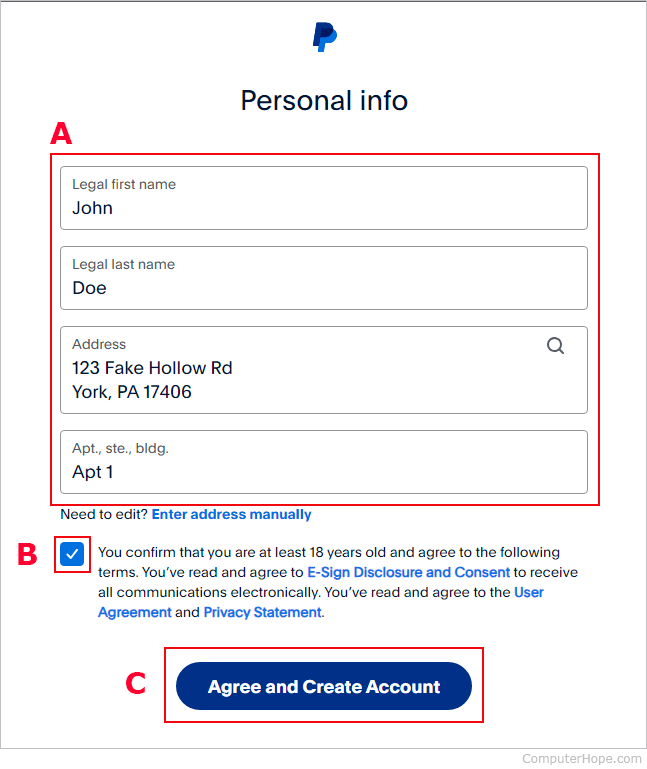
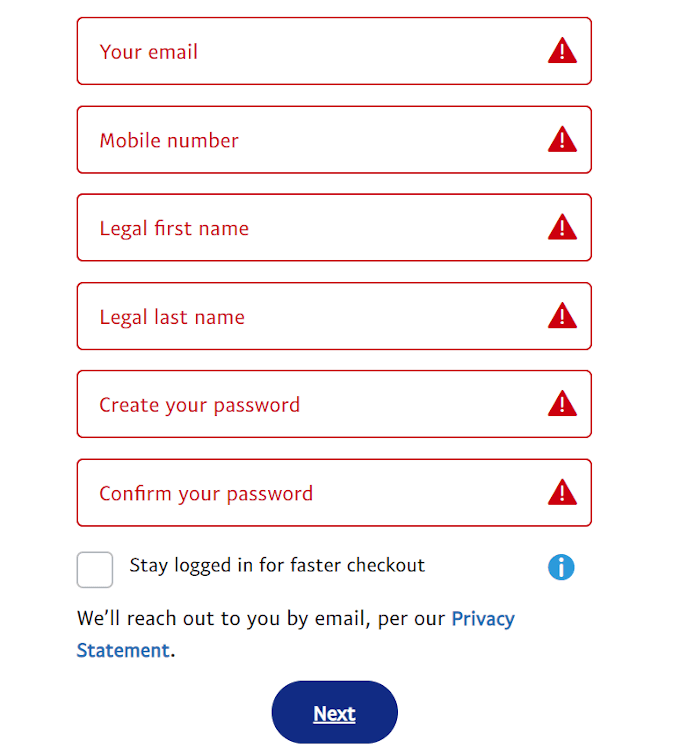
Once you’ve selected your account type, the registration process involves providing essential personal and contact information. This data is critical for identity verification, security, and compliance with financial regulations.
- Email Address: Your email address will serve as your primary identifier for logging in and receiving transaction notifications. Choose an email you check regularly and ensure it is secure.
- Strong Password: Create a robust password that combines uppercase and lowercase letters, numbers, and symbols. A strong password is your first line of defense against unauthorized access to your financial account.
- Personal Information: You’ll be prompted to enter your full legal name, date of birth, address, and phone number. This information is used to verify your identity, a mandatory step for financial service providers to prevent fraud and comply with Know Your Customer (KYC) regulations. Accurate details ensure your account remains secure and fully functional.
Linking Financial Instruments
To fully utilize your PayPal account for both funding payments and receiving withdrawals, you must link it to external financial instruments. This step is pivotal for connecting your digital wallet to your traditional banking ecosystem.
- Bank Account: Linking a bank account allows you to fund PayPal payments directly from your bank balance and, crucially, to withdraw funds received into your PayPal balance back to your bank. This typically involves a verification process where PayPal sends small deposits to your bank account, which you then confirm within your PayPal profile. This confirms ownership and secures the link.
- Credit/Debit Cards: Adding a credit or debit card provides an additional funding source for your PayPal transactions. This is particularly useful if your bank account balance is low or if you prefer to earn credit card rewards. While you can often make purchases using a linked card without having funds in your PayPal balance, withdrawing funds directly to a card might incur fees or have limitations depending on the card issuer and region.
This comprehensive approach to account setup ensures your PayPal account is not only ready for use but also integrated securely with your broader financial framework, providing flexibility and peace of mind.
Securing Your Financial Transactions and Account
In the realm of digital finance, security is paramount. PayPal implements multiple layers of protection, but an active role from the user is equally essential. Understanding and utilizing these security features is critical for safeguarding your funds and personal financial data.
The Criticality of Verification
Account verification is not merely an optional step; it’s a fundamental requirement for establishing trust, enhancing security, and unlocking the full potential of your PayPal account. Without proper verification, accounts may face significant limitations on sending and receiving funds, and withdrawal options may be restricted.
- Email and Phone Verification: These are the initial, foundational layers of security. Confirming your email ensures that all crucial notifications reach you, while verifying your phone number enables two-factor authentication and provides a recovery method for your account. These steps confirm that you are the legitimate owner of the contact information associated with your account.
- Linking and Confirming Bank Accounts/Cards: As mentioned earlier, linking financial instruments is vital. The confirmation process for bank accounts (small deposits) and cards (small temporary charge) establishes your ownership of these external accounts. This verification significantly increases your account’s trustworthiness, leading to higher transaction limits and unrestricted access to withdrawals, thereby improving your overall financial flexibility within the PayPal ecosystem. These measures are critical for preventing unauthorized access and fraudulent activities, ensuring that your money moves safely between PayPal and your personal banking.
Implementing Advanced Security Measures
While PayPal employs sophisticated internal security protocols, users are encouraged to activate and maintain additional safeguards to protect their accounts.
- Two-Factor Authentication (2FA): This is an indispensable security feature that adds an extra layer of protection beyond your password. With 2FA enabled, you’ll need to enter a code sent to your registered mobile device (via SMS or an authenticator app) in addition to your password each time you log in. This dramatically reduces the risk of unauthorized access, even if your password is compromised. It’s a non-negotiable best practice for any financial account.
- Regular Password Updates: Periodically changing your password, ideally every few months, is a simple yet effective security measure. Avoid reusing passwords across different services, especially for financial accounts.
- Recognizing Phishing Attempts: Be vigilant against phishing scams, which are fraudulent attempts to trick you into revealing sensitive information. PayPal will never ask for your password, bank account details, or full credit card number in an email. Always check the sender’s email address and hover over links before clicking. If in doubt, log directly into your PayPal account through your browser rather than clicking links in emails.
Understanding PayPal’s Buyer and Seller Protections
PayPal offers comprehensive Buyer Protection and Seller Protection programs, which are vital components of its financial security framework. These policies safeguard your money and transactions, providing peace of mind.
- Buyer Protection: If an eligible item you purchased online using PayPal doesn’t arrive or is significantly not as described, PayPal’s Buyer Protection can help you get a full refund. This protection encourages consumers to use PayPal for purchases, knowing their funds are secure.
- Seller Protection: For eligible transactions, PayPal Seller Protection can cover you in the event of buyer claims (e.g., “Item Not Received”) and chargebacks. This safeguards sellers against financial loss due to fraudulent buyers, fostering a secure environment for online commerce.
By actively participating in account verification, utilizing advanced security features, and understanding PayPal’s protective policies, users can significantly enhance the safety and integrity of their digital financial activities.
Maximizing PayPal for Your Financial Goals
Once your PayPal account is set up and secured, it transforms into a versatile financial tool capable of supporting a wide array of personal and business financial objectives. Leveraging its full suite of features can streamline money management, facilitate income generation, and optimize various financial processes.
Personal Finance Management through PayPal
PayPal offers more than just transaction processing; it can be an integral part of your personal finance strategy.
- Tracking Spending and Budgeting: Every transaction through PayPal is meticulously recorded, providing a clear history of your digital spending. This data can be invaluable for budgeting, helping you identify spending patterns, categorize expenses, and monitor where your money goes. Many personal finance apps also integrate with PayPal, allowing for consolidated financial oversight.
- Sending Money to Family and Friends: The peer-to-peer payment feature makes it effortless to send money to loved ones, split bills, or contribute to group expenses without the hassle of cash or traditional bank transfers. This function often comes with minimal to no fees for personal transactions within the same country, enhancing its utility as a convenient financial conduit.
- Online Bill Payments: While not all billers accept PayPal directly, an increasing number do, particularly for subscription services and online utilities. Using PayPal for these payments can centralize your payment records and add an extra layer of security, as your card details are not directly shared with each individual biller.
Driving Online Income and Business Growth
For entrepreneurs, freelancers, and small businesses, PayPal is an engine for growth, facilitating various income streams and simplifying business finance.
- Receiving Payments for Services and Sales: Whether you’re a freelance graphic designer, an online tutor, or a crafter selling goods, PayPal provides a straightforward mechanism to receive payments from clients and customers worldwide. Its integration with numerous e-commerce platforms and marketplace sites makes it an accessible payment gateway.
- Professional Invoicing Features: PayPal’s invoicing tool allows business account holders to create and send professional, customizable invoices to clients. These invoices can track payment status, include itemized lists, and even apply taxes or discounts, streamlining accounts receivable for small businesses and independent contractors. This feature is crucial for maintaining financial records and ensuring timely payment.
- E-commerce Integration: PayPal is a standard payment option for virtually all major e-commerce platforms, including Shopify, WooCommerce, Etsy, and eBay. This widespread integration means that setting up a PayPal Business account is often a prerequisite for selling online, offering a trusted payment method to a global customer base.
Strategic Use of PayPal’s Features
Beyond basic transactions, PayPal offers strategic features that can further enhance your financial efficiency.
- Auto-Pay and Recurring Payments: For subscriptions, memberships, or regular services, PayPal allows you to set up automatic payments. This ensures bills are paid on time, preventing service interruptions and simplifying recurring financial obligations.
- Exploring PayPal’s Additional Financial Services: Depending on your region, PayPal may offer additional financial products such as PayPal Credit (a digital line of credit), business loans, or even cryptocurrency services. While exploring these, it’s essential to understand their terms, conditions, and how they align with your overall financial strategy and risk tolerance. These services can be powerful tools when used judiciously and align with specific financial goals.
By thoroughly understanding and strategically utilizing PayPal’s diverse features, individuals and businesses can optimize their financial operations, achieve greater efficiency, and confidently navigate the complexities of the digital economy.
Common Pitfalls and Best Practices for Financial Security
While PayPal provides a robust and secure platform, users must remain vigilant against potential threats and adhere to best practices to maintain optimal financial security. Awareness of common pitfalls and proactive measures can significantly protect your funds and personal information.
Avoiding Scams and Fraud
The digital landscape, while convenient, is also a breeding ground for various financial scams. PayPal users are frequently targeted, making vigilance paramount.
- Phishing Awareness: Be acutely aware of phishing attempts. These fraudulent emails or messages often mimic PayPal’s branding, attempting to trick you into revealing your login credentials or financial details. Always verify the sender’s email address – look for subtle misspellings or unusual domains. Never click on suspicious links in emails; instead, type
paypal.comdirectly into your browser to log in. - The “Too Good to Be True” Rule: If an offer, payment, or investment opportunity seems too good to be true, it almost certainly is. This applies particularly to requests for advanced payments, lottery winnings, or deals that pressure you into immediate action. Scammers often leverage urgency and high returns to exploit victims.
- Verifying Sender Identities: For incoming payments, especially those for services or goods, always verify the sender’s identity and ensure the payment has cleared in your PayPal balance before shipping items or providing services. Scammers might send fake payment notifications or temporarily inflate your balance, which later reverses.
- Avoid Off-Platform Transactions: Scammers often try to move transactions off PayPal (e.g., direct bank transfers, wire transfers) to avoid PayPal’s Buyer and Seller Protection programs. Insist on keeping all communications and transactions within the PayPal platform for maximum protection.
Managing Your Account Limits
PayPal implements various account limits, particularly for new or unverified accounts, to comply with financial regulations and mitigate fraud risks. Understanding and managing these limits is crucial for seamless financial operations.
- Understanding Sending/Receiving Limits: Initially, new PayPal accounts will have limits on the amount of money you can send, receive, or withdraw over certain periods. These limits are a standard security measure.
- How Verification Affects Limits: As previously discussed, verifying your identity, linking and confirming your bank account, and sometimes providing additional documentation (like proof of address or identity) significantly increases or entirely removes these limits. Proactive verification ensures your financial activities are never unexpectedly hampered.
- Importance of Keeping Account Information Updated: Always ensure your personal information—address, phone number, and linked financial accounts—is current and accurate. Outdated information can lead to account restrictions, payment delays, or difficulty verifying your identity if PayPal needs to confirm a suspicious transaction. Regularly review your account settings and update any changes promptly.
- Regular Account Activity Review: Periodically review your PayPal transaction history for any unauthorized activity. If you spot anything suspicious, report it to PayPal immediately. Setting up transaction alerts can also provide real-time notifications for account activity.
By integrating these best practices into your routine PayPal usage, you create a more secure environment for your digital finance, safeguarding your assets and ensuring a smoother, more reliable experience with this essential financial tool.
aViewFromTheCave is a participant in the Amazon Services LLC Associates Program, an affiliate advertising program designed to provide a means for sites to earn advertising fees by advertising and linking to Amazon.com. Amazon, the Amazon logo, AmazonSupply, and the AmazonSupply logo are trademarks of Amazon.com, Inc. or its affiliates. As an Amazon Associate we earn affiliate commissions from qualifying purchases.