
Navigating the complexities of tax obligations can often feel daunting, and one of the most pressing questions for taxpayers is simply: “How much do I owe the IRS?” Whether you’re a diligent planner or have found yourself unexpectedly facing a balance due, accurately determining your outstanding tax liability is the critical first step towards financial peace of mind and proactive resolution. The Internal Revenue Service, a behemoth of federal tax administration, provides several official and secure avenues for taxpayers to access this crucial information. Understanding these channels, interpreting the data they provide, and knowing the subsequent steps for managing any debt are fundamental aspects of sound personal finance. This guide will demystify the process, empowering you with the knowledge to confidently ascertain your tax standing and take appropriate action.
Understanding Your Tax Obligation Landscape
Before delving into the practical “how-to,” it’s vital to grasp why knowing your IRS balance is so important and how individuals typically find themselves in a position of owing the federal government. This foundational understanding sets the stage for responsible financial management.
The Importance of Knowing Your IRS Balance
Ignoring a tax debt does not make it disappear; in fact, it only exacerbates the problem. Unpaid taxes accrue penalties and interest, significantly increasing the total amount owed over time. Early awareness allows you to take advantage of various payment options, potentially mitigate penalties, and avoid more severe enforcement actions such as liens, levies, or passport revocation. Furthermore, understanding your current tax standing is crucial for accurate financial planning, budgeting, and making informed decisions about future earnings and investments. It’s a cornerstone of financial transparency and responsibility, ensuring that you remain in good standing with federal tax laws.
Common Scenarios Leading to Tax Debt
Tax debt doesn’t always stem from intentional evasion; often, it arises from a variety of common, sometimes unforeseen, circumstances:
- Insufficient Withholding: Many taxpayers don’t adjust their W-4 forms sufficiently throughout the year, leading to less tax being withheld from their paychecks than their actual liability.
- Self-Employment Taxes: Freelancers, independent contractors, and small business owners are responsible for paying estimated taxes quarterly. Miscalculating these payments or failing to make them can result in a significant balance due at year-end.
- Investment Gains: Selling assets like stocks, real estate, or cryptocurrency at a profit can generate capital gains taxes, which might not be accounted for through standard payroll withholding.
- Underpayment of Estimated Taxes: Similar to self-employment, individuals with substantial income from non-employment sources (e.g., rental income, alimony, large dividends) must pay estimated taxes. Underpaying these can lead to a year-end deficit.
- Life Changes: Major life events such as marriage, divorce, new children, or significant income changes can alter tax liabilities, sometimes unexpectedly leading to a balance due if adjustments aren’t made promptly.
- Errors in Tax Preparation: Mistakes in calculating deductions, credits, or income can inadvertently lead to an underpayment, even if unintentional.
Recognizing these common pitfalls can help taxpayers be more proactive in managing their tax situation throughout the year, rather than facing surprises during tax season.
Official IRS Channels for Checking Your Balance
The IRS provides secure, reliable, and free methods for taxpayers to ascertain their current tax obligations. Leveraging these official channels is paramount for accuracy and security.
IRS Online Account: Your Digital Hub
The IRS Online Account is arguably the most convenient and comprehensive tool for individual taxpayers to manage their federal tax information. It’s a digital portal designed to put a wealth of personalized tax data at your fingertips.
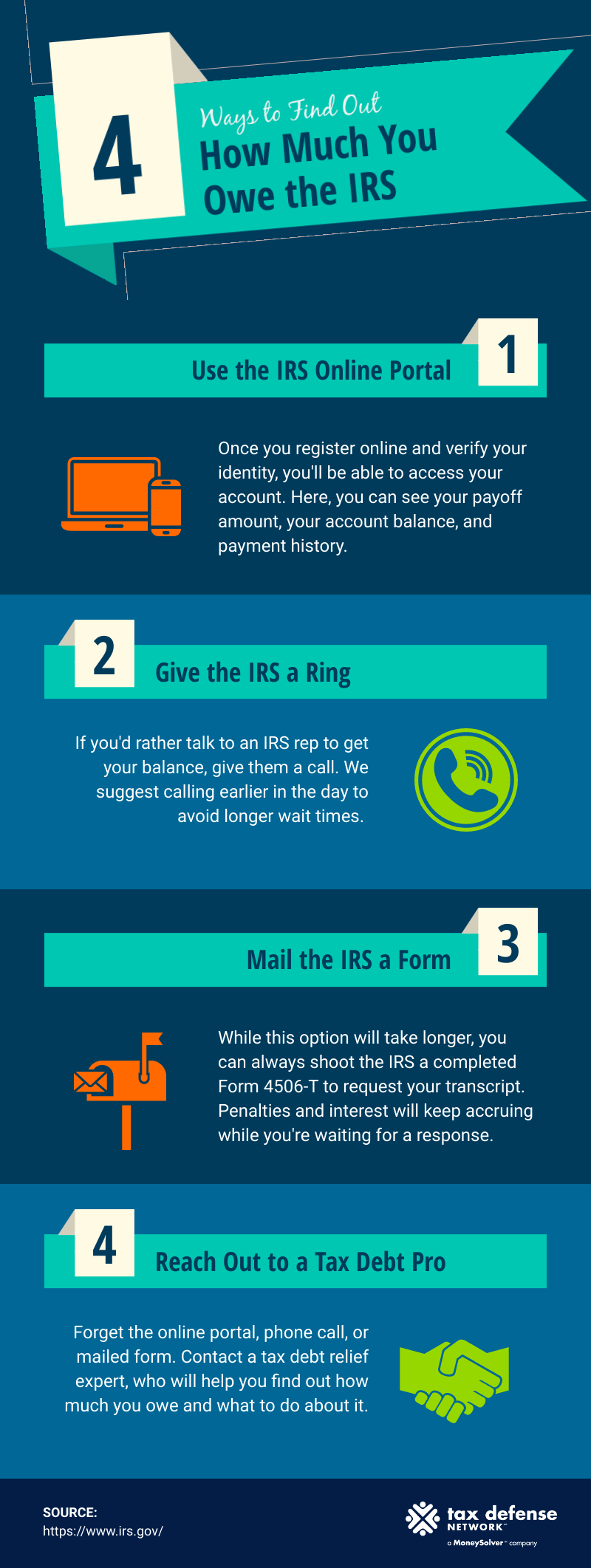
- What it Offers: Through your IRS Online Account, you can view your current tax balance, see payment history, access tax transcripts, review tax return information for previous years, and even make payments. It provides a real-time snapshot of your account, including any penalties and interest accrued. For those with installment agreements, it also allows monitoring of payment progress.
- How to Set It Up: Creating an IRS Online Account requires a robust identity verification process. You’ll typically need to provide personal details, including your Social Security number, date of birth, filing status, and an email address. The IRS uses a third-party service, ID.me, for secure identity verification, which may involve uploading documents and a live video selfie. While the setup can take some time, it’s a one-time process that grants access to invaluable resources.
- Security Considerations: The IRS emphasizes security for its online services. Using strong, unique passwords and being wary of phishing attempts are crucial. Always ensure you are accessing the official IRS website (irs.gov) when creating or logging into your account.
Requesting a Tax Transcript
For those who prefer a documented summary or need specific details not easily found in the online account, requesting a tax transcript is an excellent option. Transcripts are concise summaries of your tax returns and account activity.
- Types of Transcripts:
- Account Transcript: Shows basic data from your tax return, payment history, and any adjustments made to your account. It’s often sufficient for determining how much you owe.
- Record of Account Transcript: Combines the Account Transcript and Line-by-Line Tax Return Transcript information, providing a comprehensive view of your return as it was processed, along with subsequent changes.
- Wage and Income Transcript: Displays data from information returns like W-2s, 1099s, and 1098s. Useful for confirming reported income.
- Return Transcript: Shows most line items from your original tax return as you filed it.
- How to Request Them:
- Online: The quickest way is via the IRS’s “Get Transcript Online” tool on irs.gov. You’ll need to verify your identity, similar to setting up an online account.
- By Mail: If online access isn’t feasible, you can request transcripts by mail using Form 4506-T, Request for Transcript of Tax Return. Mail requests can take 5 to 10 calendar days for delivery.
- By Phone: You can also call the automated transcript service at 800-908-9946 to have an Account Transcript or Return Transcript sent to the address on file.
Direct Contact with the IRS
When online or transcript options don’t suffice, or for more complex issues, direct communication with the IRS remains an option.
- Phone Calls: You can call the IRS directly to speak with a representative. The general toll-free number for individuals is 800-829-1040. Be prepared for potentially long wait times, especially during peak tax season. Have your Social Security number, date of birth, and previous tax return handy for identity verification.
- In-Person Assistance: For highly complex issues or if you prefer face-to-face interaction, you can visit a Taxpayer Assistance Center (TAC). These centers offer personalized help, but services are often by appointment only. Check the IRS website for locations and services offered, and always call ahead to schedule an appointment.
Interpreting Your IRS Account Information
Simply accessing your balance isn’t enough; understanding what the numbers and codes mean is crucial for effective resolution. IRS communications and transcripts can sometimes be cryptic, requiring a discerning eye.
Understanding Notices and Letters
The IRS communicates significant information through official notices and letters. These are not junk mail and should always be opened and reviewed promptly.

- CP Letters, LTR Letters: The IRS uses various codes (e.g., CP2000, CP14, CP504) to identify different types of notices. A CP14, for instance, is a balance due notice for underpayment. A CP504 indicates intent to levy. Each letter will explain the reason for the correspondence, the amount owed, and the actions you need to take.
- Key Information to Look For: Pay close attention to the notice date, the tax period it relates to, the total amount due (including penalties and interest), and the payment deadline. The letter will also outline your rights and the next steps, such as how to dispute the notice if you believe it’s incorrect.
Decoding Your Tax Transcript Data
While the IRS Online Account offers an immediate balance, transcripts provide a detailed ledger of your account activities.
- Account Transcript vs. Record of Account Transcript: The Account Transcript is generally sufficient for seeing how much you owe, along with a summary of payments and adjustments. The Record of Account Transcript, being more detailed, can help in reconstructing a return or understanding intricate changes made by the IRS.
- Identifying Penalties and Interest: Transcripts and notices will itemize penalties (e.g., failure to file, failure to pay, accuracy-related) and interest charges. Understanding these components is important, as in some cases, certain penalties can be abated if you have a reasonable cause.
What If the Information Seems Incorrect?
Discovering an IRS balance can be stressful, but finding an error adds another layer of complexity. Do not ignore it.
- Steps to Dispute Errors:
- Review Thoroughly: Compare the IRS information against your own records, including your filed tax return, payment receipts, and income statements.
- Gather Documentation: Collect any evidence that supports your claim (e.g., proof of payment, corrected W-2s, amended returns).
- Contact the IRS: Respond to the notice by the specified deadline or call the IRS. Clearly explain why you believe the information is incorrect and provide your supporting documentation.
- Consider Professional Help: If the dispute is complex or you’re having difficulty resolving it, a tax professional can be invaluable.
Strategies for Managing and Resolving Your IRS Debt
Once you know how much you owe, the next logical step is to devise a plan for resolution. The IRS offers several options for taxpayers struggling to pay their full balance immediately.
Payment Options Available
The IRS has a suite of solutions designed to help taxpayers meet their obligations without undue hardship.
- Full Payment: If financially feasible, paying the full amount as soon as possible is always the best option, as it stops further penalties and interest from accruing. You can pay directly from your bank account (Direct Pay), by debit/credit card (via third-party processors), or by check/money order.
- Short-Term Payment Plans: If you need a little more time, the IRS may grant you up to 180 additional days to pay your tax liability in full, though interest and penalties still apply.
- Installment Agreements: For those who cannot pay their tax in full within the short-term, an installment agreement allows you to make monthly payments for up to 72 months. You can apply online, or via Form 9465. Interest and penalties continue to accrue, but at a reduced rate if an agreement is in place.
- Offer in Compromise (OIC): An OIC allows certain taxpayers to resolve their tax liability with the IRS for a lower amount than what they originally owe. This option is typically for taxpayers who are experiencing significant financial difficulty and cannot pay their full tax debt. It’s a complex process and not everyone qualifies. The IRS considers your ability to pay, income, expenses, and asset equity.
- Currently Not Collectible (CNC) Status: In extreme cases of financial hardship, the IRS may determine that you are unable to pay any of your tax debt. Your account may be placed in “currently not collectible” status, meaning the IRS will delay collection until your financial situation improves. Interest and penalties continue to accrue, and the IRS can periodically review your financial status.
Seeking Professional Guidance
While many taxpayers can manage their IRS interactions independently, certain situations warrant professional assistance.
- When to Consult a Tax Professional: Consider engaging a professional if your tax situation is complex, you owe a substantial amount, you’re facing enforcement actions (like a levy or lien), you believe the IRS has made an error, or you’re considering an OIC. Enrolled Agents (EAs), Certified Public Accountants (CPAs), and tax attorneys are qualified to represent taxpayers before the IRS.
- Benefits of Professional Assistance: A tax professional can interpret complex tax laws, negotiate with the IRS on your behalf, help prepare necessary forms, and advise on the best course of action to minimize your tax burden and resolve your debt efficiently. They can also ensure you don’t miss any deadlines or opportunities for relief.
Proactive Measures to Avoid Future Debt
The best way to manage tax debt is to prevent it from happening in the first place. Proactive financial planning can save you significant stress and money.
- Payroll Withholding Adjustments: Review your W-4 form annually, especially after major life events, to ensure enough tax is being withheld from your paycheck. The IRS Tax Withholding Estimator tool can help you make accurate adjustments.
- Estimated Tax Payments: If you have income from self-employment, investments, or other non-employer sources, make quarterly estimated tax payments using Form 1040-ES. Don’t wait until tax season to discover a large balance due.
- Record-Keeping Best Practices: Maintain meticulous records of all income, expenses, deductions, and credits. This makes tax preparation easier, more accurate, and provides essential documentation if the IRS ever has questions.
- Regular Financial Reviews: Periodically review your financial situation throughout the year. Are your investments performing well? Did you sell a major asset? Has your income significantly changed? These trigger points should prompt a reassessment of your tax liability.
Digital Tools and Resources to Aid Your Tax Management
In today’s digital age, technology plays an increasingly vital role in personal finance, offering tools that can simplify tax management and provide greater insight into your financial standing with the IRS.
Tax Software Integration
Modern tax preparation software, such as TurboTax, H&R Block, or TaxAct, does more than just help you file your annual return. Many platforms integrate features that allow you to estimate your tax liability throughout the year. They can help you project what you might owe based on your current income and deductions, thereby empowering you to make necessary adjustments to withholding or estimated payments before a large debt accrues. Some even connect directly to financial institutions to pull in transaction data, streamlining the process of tracking income and deductible expenses. This foresight is invaluable in preventing year-end surprises.
Financial Planning Apps for Tax Prep
Beyond dedicated tax software, a plethora of financial planning apps can indirectly assist with tax management. Apps like Mint, YNAB (You Need A Budget), or Personal Capital allow you to categorize spending, track income, and monitor your overall financial health. By consistently using these tools, you build a robust financial record throughout the year, making tax preparation significantly easier and more accurate. When it’s time to file, having a clear, categorized view of your financial transactions can directly inform your deductions, credits, and income reporting, reducing the likelihood of errors that lead to an unexpected IRS bill. Some even offer tax-specific features, such as identifying potential deductions based on your spending patterns.
Knowing how much you owe the IRS is more than just a number; it’s a critical component of responsible financial stewardship. By utilizing the official channels provided by the IRS, understanding the nuances of their communications, and proactively managing your financial affairs, you can confidently navigate your tax obligations. Whether it’s through diligent use of the IRS Online Account, requesting detailed transcripts, or seeking professional advice, taking ownership of your tax standing is a fundamental step toward achieving comprehensive financial security.
aViewFromTheCave is a participant in the Amazon Services LLC Associates Program, an affiliate advertising program designed to provide a means for sites to earn advertising fees by advertising and linking to Amazon.com. Amazon, the Amazon logo, AmazonSupply, and the AmazonSupply logo are trademarks of Amazon.com, Inc. or its affiliates. As an Amazon Associate we earn affiliate commissions from qualifying purchases.