
The allure of diamonds has captivated humanity for millennia, symbolizing love, commitment, and enduring beauty. Traditionally, these precious gems have been extracted from the Earth through extensive mining operations, a process that is both resource-intensive and often ethically complex. However, a revolutionary alternative has emerged, challenging the established paradigm: lab-grown diamonds. These are not mere imitations or synthetics; they are genuine diamonds, sharing the same physical, chemical, and optical properties as their mined counterparts, but created in a controlled laboratory environment.
This groundbreaking development has far-reaching implications, particularly within the realms of technology, branding, and finance. The sophisticated processes involved in their creation highlight advancements in material science and engineering, making them a fascinating subject for those interested in tech trends. The way these diamonds are marketed and positioned in the market offers a compelling case study in modern brand strategy. Furthermore, the economic considerations surrounding their production, pricing, and investment potential place them squarely within the domain of personal and business finance.
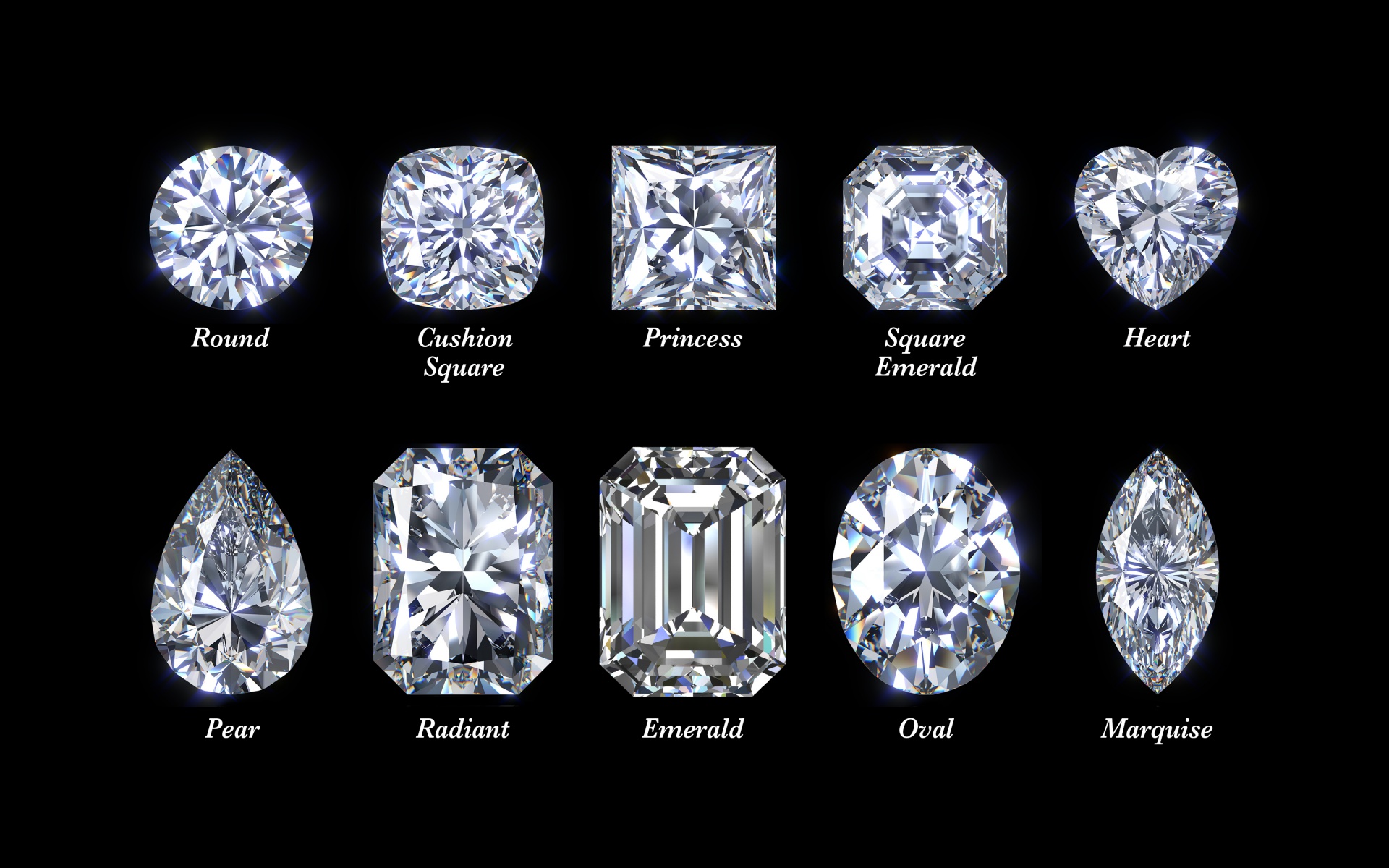
The Science Behind the Sparkle: How Lab-Grown Diamonds Are Made
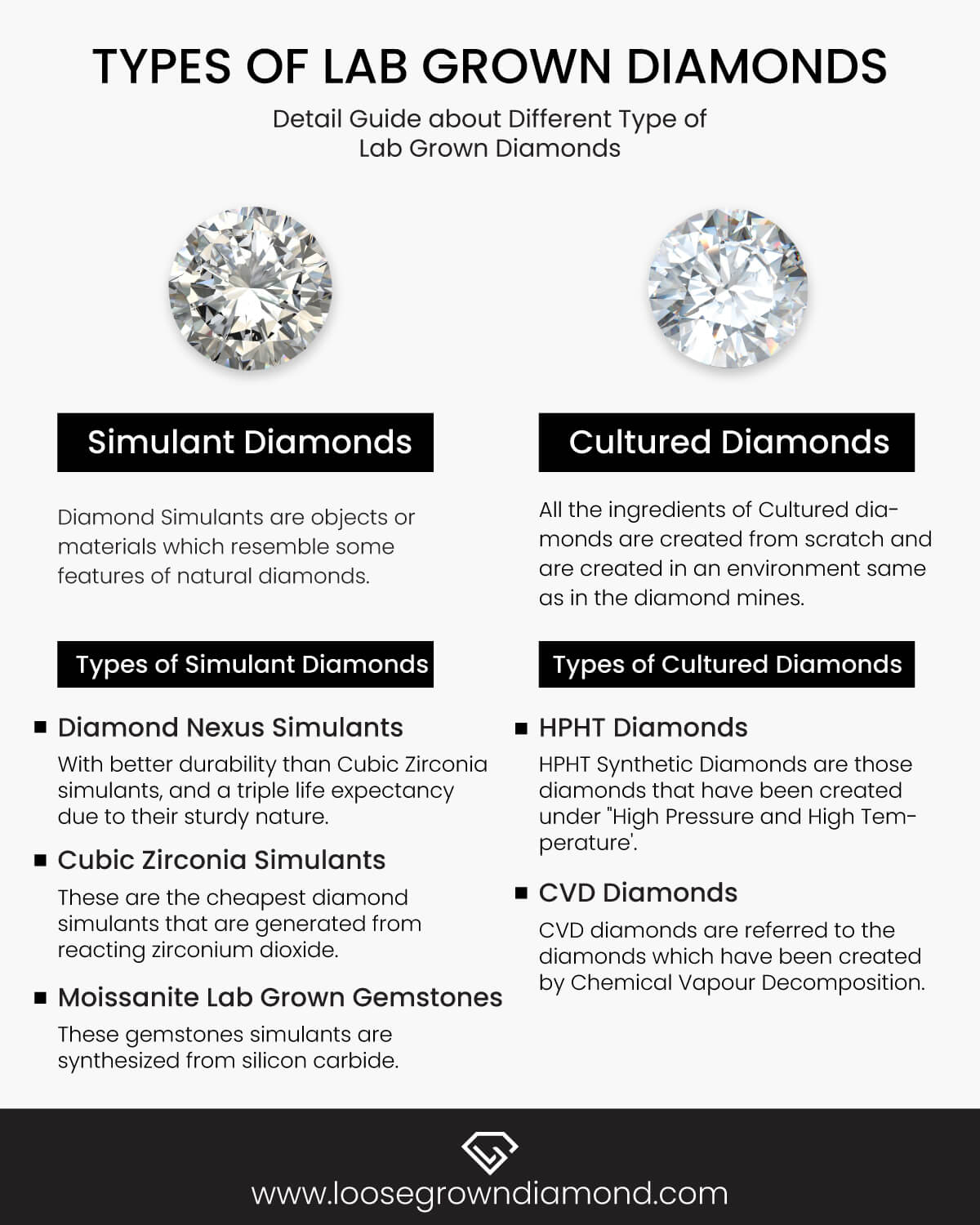
Understanding lab-grown diamonds begins with appreciating the science that brings them to life. While the end product is identical to a natural diamond, the journey from raw materials to a finished gemstone is a testament to human ingenuity and technological prowess. Two primary methods dominate the landscape of diamond synthesis: High-Pressure High-Temperature (HPHT) and Chemical Vapor Deposition (CVD). Both techniques mimic the natural diamond-growing process, but on an accelerated and controlled scale.
High-Pressure High-Temperature (HPHT) Synthesis: Replicating Earth’s Conditions
The HPHT method is the older of the two dominant techniques and closely replicates the conditions under which natural diamonds form deep within the Earth’s mantle. This process involves placing a small diamond seed crystal into a growth cell containing a carbon source (like graphite) and a metal catalyst. This assembly is then subjected to immense pressures, typically 5 to 6 gigapascals (GPa), and high temperatures, ranging from 1300 to 1600 degrees Celsius.
Under these extreme conditions, the carbon source dissolves in the molten metal catalyst and then crystallizes onto the diamond seed, layer by layer. The seed acts as a template, guiding the carbon atoms to arrange themselves in the characteristic diamond lattice structure. Over a period of weeks to months, a larger diamond crystal grows around the seed. The speed and success of this process depend heavily on precise control of pressure, temperature, and the purity of the materials used.
The HPHT method is particularly adept at producing yellow and blue diamonds, although a wide spectrum of colors can be achieved with careful control and the introduction of specific trace elements. The technology involved in maintaining such precise and extreme conditions is a significant feat of engineering, requiring specialized machinery and a deep understanding of material physics.
Chemical Vapor Deposition (CVD): Building Diamonds Atom by Atom
The CVD method offers a distinct approach to diamond synthesis, focusing on building diamonds from a gaseous state. This technique begins by placing a diamond seed crystal, often a thin slice, into a vacuum chamber. This chamber is then filled with a carbon-rich gas mixture, typically methane and hydrogen.
The gases are then heated to very high temperatures, usually between 700 and 1300 degrees Celsius, and subjected to microwave energy or other plasma-generating methods. This energy breaks down the methane molecules, releasing carbon atoms. These free carbon atoms then deposit onto the diamond seed, attaching themselves to the existing diamond structure and growing the crystal layer by layer. The hydrogen in the gas mixture plays a crucial role in etching away any non-diamond carbon that might form, ensuring the purity and crystalline perfection of the growing diamond.
CVD is known for its ability to produce high-quality, colorless diamonds. It offers greater control over the growth process, allowing for the creation of diamonds with specific desired properties and often resulting in larger, more uniform crystals compared to HPHT. The underlying technology for CVD involves sophisticated vacuum systems, precise gas flow control, and advanced plasma generation, showcasing significant advancements in chemical engineering and material science.
Branding and Marketing: Redefining Value and Perception
The emergence of lab-grown diamonds has presented a fascinating challenge and opportunity for the jewelry industry, necessitating a strategic evolution in branding and marketing. Unlike natural diamonds, which derive their perceived value from rarity, mystique, and geological origin, lab-grown diamonds rely on a different set of attributes to capture consumer interest and build a strong brand identity.
Crafting a New Narrative: From Rarity to Responsibility and Innovation
The traditional narrative surrounding diamonds often emphasizes their “uniqueness” and “natural wonder.” For lab-grown diamonds, the branding strategy has shifted to highlight different aspects. One of the most potent selling points is sustainability and ethical sourcing. Mined diamonds, despite efforts towards responsible mining, can still be associated with environmental impact, conflict zones, and labor concerns. Lab-grown diamonds, by contrast, offer a transparent and controlled origin, appealing to a growing consumer segment that prioritizes ethical consumption.
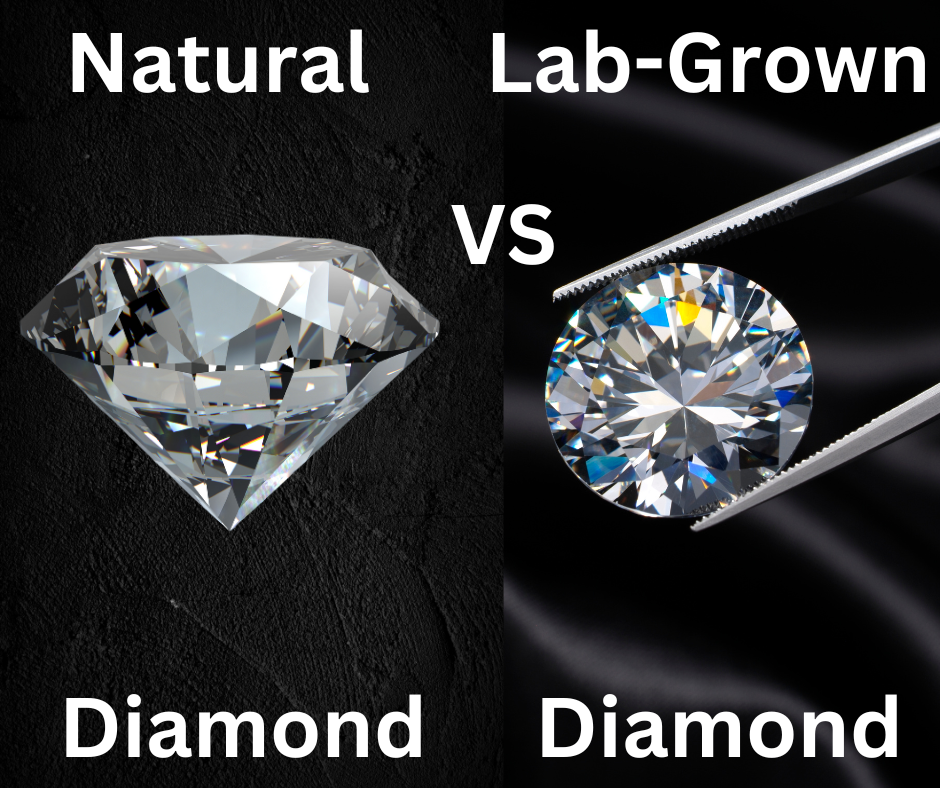
The marketing discourse often frames lab-grown diamonds as a product of cutting-edge technology and innovation. This aligns perfectly with the “Tech” pillar of our website, as it showcases advancements in material science, engineering, and manufacturing. Brands can leverage this by positioning their lab-grown diamonds as the “future of luxury” or “diamonds for a conscious generation.” This technological narrative also justifies their creation, moving beyond the notion of “artificial” to “engineered” or “grown.”
Furthermore, the accessibility and value proposition are key branding elements. Lab-grown diamonds are typically more affordable than their mined counterparts of equivalent size and quality. This allows brands to target a wider demographic, enabling more people to afford larger or higher-quality diamonds, thereby democratizing luxury. The marketing message can focus on achieving dreams and celebrating milestones without the same financial burden, making luxury more attainable.
Design and Differentiation: Beyond the 4Cs
While the 4Cs (carat, cut, color, and clarity) remain fundamental for grading and pricing all diamonds, brands are increasingly looking for ways to differentiate their lab-grown offerings. This can involve focusing on unique design and craftsmanship of the final jewelry piece, rather than solely on the diamond itself. Collaborations with renowned designers, limited edition collections, and personalized engraving services can elevate the perceived value.
Transparency in origin and certification is paramount for building trust and a strong brand reputation. Reputable suppliers and retailers will provide clear documentation about the diamond’s lab-grown origin, the method of creation (HPHT or CVD), and its grading reports from accredited gemological laboratories. This transparency reinforces the ethical and technological narrative.
Case studies of successful brands in the lab-grown diamond market often demonstrate a commitment to storytelling. They might share the journey of their diamonds from the lab to the showroom, highlighting the scientific expertise and the commitment to quality. This not only educates consumers but also builds an emotional connection with the brand, fostering loyalty and advocacy. The ability to offer a consistent and traceable product also appeals to corporate clients looking for reliable suppliers for their own branded merchandise or promotional items.
The Financial Landscape: Investment, Value, and Accessibility
The rise of lab-grown diamonds has a significant impact on the financial landscape, influencing personal finance, investment strategies, and business economics. Their unique cost structure and market positioning offer new opportunities and considerations for consumers and businesses alike.
Value Proposition and Investment Considerations
From a personal finance perspective, lab-grown diamonds offer an attractive value proposition. Their significantly lower price point compared to mined diamonds of similar quality means that consumers can acquire larger stones, more intricate settings, or multiple pieces for the same budget. This democratizes access to diamond jewelry, making it more achievable for a broader range of budgets and for everyday adornment rather than exclusively for significant life events.
When considering lab-grown diamonds as an investment, it’s crucial to approach them differently than natural diamonds. While natural diamonds have historically been viewed as a store of value with a potential for appreciation due to their inherent rarity, the market for lab-grown diamonds is still evolving. Their value is more closely tied to production costs, technological advancements, and market demand rather than geological scarcity.
The online income potential related to lab-grown diamonds is also growing. For individuals or small businesses, this could involve e-commerce platforms specializing in lab-grown jewelry, offering bespoke designs, or even providing educational content and reviews on different types and brands of lab-grown diamonds. Affiliate marketing for reputable retailers or creating content around diamond education could also be avenues for generating income.
Business Finance and Market Dynamics
For businesses, the financial implications are substantial. The business finance aspect of lab-grown diamond production involves significant upfront investment in technology, research and development, and manufacturing facilities. However, the operational costs can be lower and more predictable than those associated with traditional diamond mining. This can lead to healthier profit margins and greater price stability.
The financial tools available for both producers and consumers are also adapting. Online marketplaces are making it easier to compare prices and styles. Financing options for larger purchases are becoming more readily available. Furthermore, the ability for businesses to control the supply chain and production process offers a greater degree of predictability in inventory management and pricing strategies.
As the market matures, the debate about the long-term resale value of lab-grown diamonds will continue. While they may not appreciate in the same way as rare natural diamonds, their consistent quality and predictable pricing make them a reliable and accessible choice for personal enjoyment and for gifting. The focus remains on the intrinsic beauty and emotional significance of the diamond itself, rather than solely on its speculative investment potential. The transparency in their creation also reduces the risk of undisclosed synthetic treatments or simulants, offering a more secure purchase for the consumer.
In conclusion, lab-grown diamonds represent a significant advancement in material science and a paradigm shift in the jewelry industry. They are not a compromise on quality or beauty, but rather a testament to human innovation. Their rise has created new frontiers in technology, sparked creative branding and marketing strategies, and opened up new avenues in personal and business finance, making the timeless allure of diamonds more accessible and responsibly produced than ever before.
aViewFromTheCave is a participant in the Amazon Services LLC Associates Program, an affiliate advertising program designed to provide a means for sites to earn advertising fees by advertising and linking to Amazon.com. Amazon, the Amazon logo, AmazonSupply, and the AmazonSupply logo are trademarks of Amazon.com, Inc. or its affiliates. As an Amazon Associate we earn affiliate commissions from qualifying purchases.