
Navigating the complexities of tax season often brings forth a fundamental question: where exactly do I send my IRS payment? While digital payment options have gained significant traction, mailing a check or money order remains a common and valid method for many taxpayers. Understanding the precise mailing address, along with critical best practices, is essential to ensure your payment reaches the Internal Revenue Service correctly and on time, safeguarding you against penalties and interest. This guide delves into the specifics, offering a professional and insightful overview of how to properly submit your IRS payment via mail.
Understanding IRS Payment Methods
Before delving into the specifics of mailing, it’s beneficial to recognize the broader landscape of IRS payment options. The IRS aims to make tax payment as accessible as possible, offering a variety of avenues to fulfill your tax obligations.
Electronic Payment Options
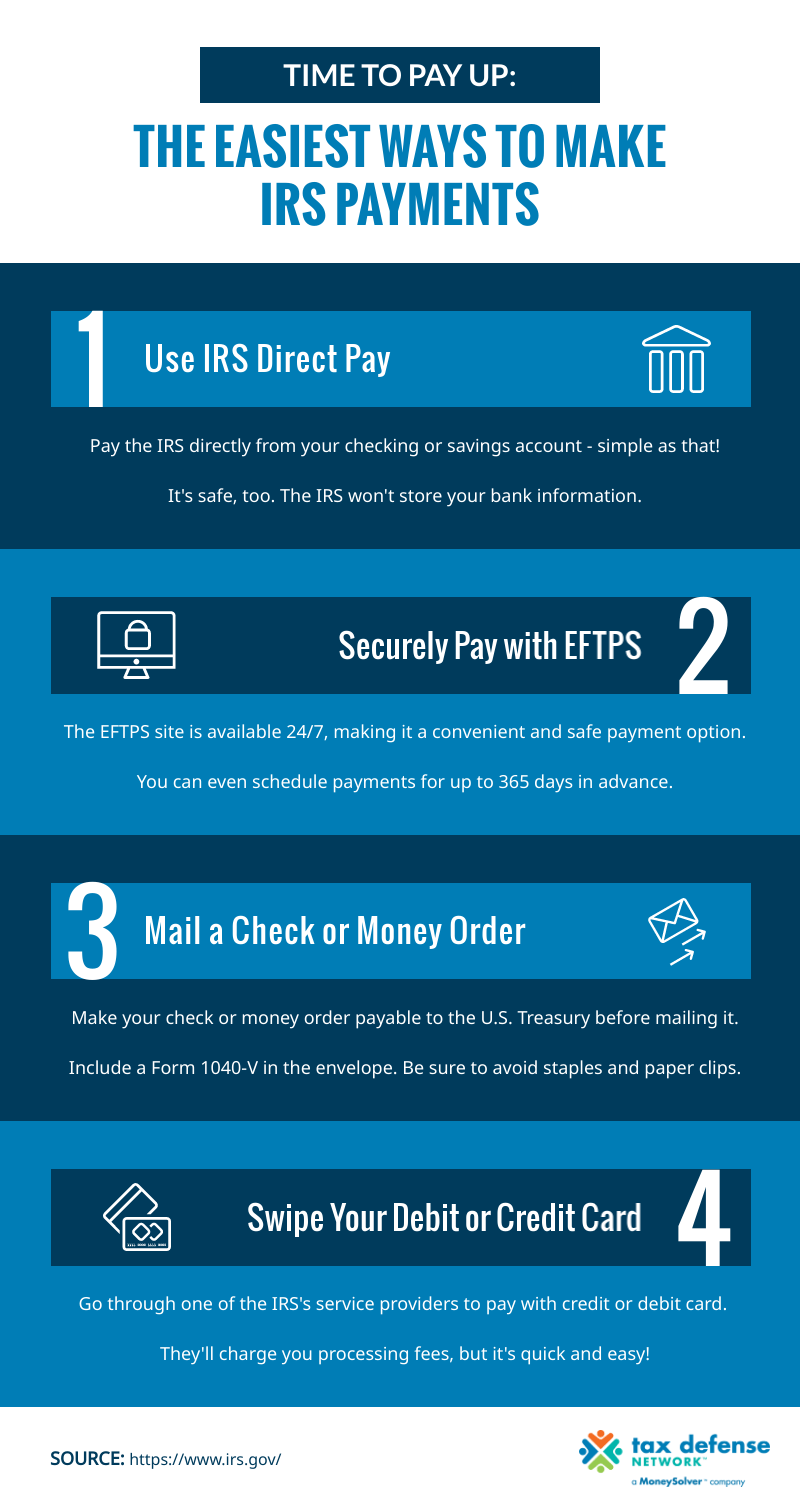
For context, the IRS strongly encourages electronic payment methods due to their speed, security, and convenience. These include IRS Direct Pay, which allows payments directly from your checking or savings account, and payment via debit card, credit card, or digital wallet through approved third-party processors. The Electronic Federal Tax Payment System (EFTPS) is another robust option, primarily used by businesses for various federal tax payments, including estimated taxes. While these digital pathways offer instant confirmation and reduced risk of postal delays, mailing remains a steadfast choice for many, requiring meticulous attention to detail.
The Importance of Timely and Correct Mail Payments
When opting to mail your payment, precision is paramount. An incorrectly addressed envelope, a missing payment voucher, or a late postmark can lead to significant issues. The IRS charges penalties for late payments and interest on underpayments, which can accumulate quickly. Therefore, understanding the correct procedures for mailing your payment is not just about convenience; it’s a critical component of sound personal and business financial management. It ensures compliance, avoids unnecessary financial burdens, and provides peace of mind that your tax responsibilities have been met effectively.
General Guidelines for Mailing IRS Payments
Regardless of the specific form or payment type, certain universal rules apply when mailing a payment to the IRS. Adhering to these guidelines helps prevent common errors and ensures your payment is processed without undue delay.
Key Information to Include with Your Payment
Every payment mailed to the IRS must be accompanied by specific identifying information. This ensures that your payment is accurately credited to your account and for the correct tax period.
- Tax Form Number: Clearly indicate the tax form the payment is associated with (e.g., Form 1040-ES for estimated taxes, Form 1040 for individual income tax, Form 941 for employer’s quarterly federal tax). Often, this is done by including the corresponding payment voucher (e.g., Form 1040-V).
- Social Security Number (SSN) or Employer Identification Number (EIN): For individuals, your SSN is crucial. For businesses, the EIN is required. Ensure this number is written clearly on both the payment instrument (check/money order) and any accompanying voucher or form.
- Tax Period: Specify the tax year or period for which the payment is intended. For example, “2023 Form 1040” or “Q1 2024 Form 941.” This prevents misapplication of funds to a different tax period.
- Daytime Phone Number: While not always mandatory, including a phone number on your voucher can be helpful if the IRS needs to contact you regarding your payment.
Acceptable Payment Methods by Mail
The IRS accepts two primary forms of payment when mailing:
- Checks: Personal checks, cashier’s checks, and certified checks are all acceptable. Make sure the check is made payable to the “United States Treasury.” Do not make it out to “IRS” or any individual. Ensure the check is dated correctly, signed, and has the correct amount filled in both numerically and written out.
- Money Orders: Money orders are also a viable option. Similar to checks, they should be made payable to the “United States Treasury” and include all necessary identifying information.
Making Your Payment Securely
Security is paramount when mailing financial instruments.
- Do Not Send Cash: Under no circumstances should you mail cash to the IRS. Cash cannot be traced if lost or stolen in transit, leaving you without proof of payment. Only use checks or money orders.
- Avoid Staples and Paperclips: When attaching your payment to a voucher or form, avoid using staples or paperclips. This can interfere with automated processing equipment. Instead, ensure the payment and voucher are simply placed together in the envelope.
- Keep Records: Always make a copy of your check or money order, and any accompanying vouchers or forms, for your records before mailing. This documentation is invaluable if there are any discrepancies or questions later on.
Locating the Correct Mailing Address: A State-by-State and Form-Specific Guide
The most critical aspect of mailing an IRS payment is determining the correct mailing address. This is not a single, universal address. Instead, IRS mailing addresses vary significantly based on several factors: the specific tax form you are filing, whether you are enclosing a payment or merely filing a return, and your geographical location (the state from which you are filing).
Always Check the Official IRS Instructions
The definitive source for any IRS mailing address is always the official instructions for the specific tax form you are completing. These instructions are updated annually and can be found on the IRS website (IRS.gov). Relying on outdated information or third-party sources without verification can lead to misdirected payments and potential penalties.
Individual Income Tax Payments (Form 1040-ES, Balance Due with Form 1040)
For individuals, the mailing address largely depends on the state where you reside and the type of payment you are making.
- Balance Due with Form 1040: If you are filing Form 1040 (U.S. Individual Income Tax Return) and owe taxes, you will typically include Form 1040-V, Payment Voucher. The instructions for Form 1040-V will provide a list of addresses based on your state of residence. For instance, taxpayers in California might mail to a different IRS center than those in New York. There are separate addresses for those who are not enclosing a payment with their Form 1040.
- Estimated Tax Payments (Form 1040-ES): Individuals who pay estimated taxes (e.g., self-employed individuals, those with significant investment income) use Form 1040-ES, Estimated Tax for Individuals. Each quarterly payment should be accompanied by the appropriate voucher from this form. The instructions for Form 1040-ES also provide state-specific mailing addresses for these payments. These addresses are often different from those used for filing a Form 1040 with a balance due.
Business Tax Payments (Form 941, 1120, etc.)
Businesses also have varied mailing addresses depending on the specific tax form.
- Employer’s Quarterly Federal Tax Return (Form 941): Employers typically use Form 941 to report income taxes, social security tax, or Medicare tax withheld from employee wages. The mailing address for Form 941 depends on the state where the business is located and whether payment is enclosed. The instructions for Form 941 list these addresses.
- U.S. Corporation Income Tax Return (Form 1120): Corporations use Form 1120. The mailing address for Form 1120 is also location-dependent and varies based on whether a payment is included. Consult the Form 1120 instructions for the precise address.
- Other Business Forms: Similar specific instructions and addresses exist for other business tax forms such as Form 1120-S (S corporations), Form 1065 (partnerships), and various excise tax forms. Always refer to the current instructions for the form you are filing.
Payments for Amendments or Audits
If you are filing an amended return (e.g., Form 1040-X, Amended U.S. Individual Income Tax Return) and owe additional tax, the mailing address will typically be found within the instructions for that specific amended form. Similarly, if you are making a payment in response to an IRS audit or notice, the notice itself will usually provide the correct mailing address for the payment. Do not use the general filing addresses for these specific situations.
Best Practices for Mailing Your IRS Payment
Beyond finding the correct address, employing best practices when mailing your payment can provide additional assurance and protection.
Always Check the Latest Instructions
Tax laws and IRS procedures can change. The addresses provided by the IRS are updated periodically. It is imperative to consult the current year’s instructions for the specific form you are using. Do not rely on addresses from previous years or generic lists found online without verifying their currency on IRS.gov.
Use the Correct Payment Voucher (e.g., Form 1040-V)
For most individual and business tax payments, the IRS provides a specific payment voucher (e.g., Form 1040-V for individuals, payment vouchers included with Form 1040-ES for estimated taxes). These vouchers contain a barcode and your identifying information, which helps the IRS process your payment efficiently. Always print and include the correct, completed voucher with your payment. Ensure your SSN or EIN is clearly written on both the check/money order and the voucher.
Postmark Dates and Proof of Mailing
The IRS generally considers a payment timely if it is postmarked by the due date.
- Postmark Rule: For most tax documents and payments, the date shown on the U.S. Postal Service postmark is considered the filing date. This means if the due date is April 15th, your envelope must be postmarked on or before April 15th, even if the IRS receives it later.
- Private Delivery Services: The “timely mailed, timely filed” rule also applies to designated private delivery services (PDS), such as FedEx, UPS, or DHL. However, you must use their specific designated services. Check IRS Publication 15, Circular E, Employer’s Tax Guide, or other relevant IRS publications for a list of approved PDS and their eligible services.
- Proof of Mailing: For critical payments, especially those close to the deadline, consider using certified mail with a return receipt from the USPS. This provides undeniable proof that you mailed your payment, when you mailed it, and that the IRS received it. This documentation can be invaluable in resolving any disputes regarding timely payment. Keep the green certified mail receipt and the returned receipt card with your tax records.
What Not to Do
- Sending Cash: As reiterated, never send cash through the mail.
- Incorrect Addresses: Using an address for a different form, a different tax year, or an outdated address is a common error that can lead to significant delays and potential penalties.
- Incomplete Information: Forgetting to sign your check, omitting your SSN/EIN, or not specifying the tax period can cause your payment to be held up.

If You Made an Error or Missed a Payment
If you discover you mailed your payment to the wrong address, or if you simply missed a payment deadline, act promptly.
- Wrong Address: While there’s no way to recall a mailed payment, if you’re concerned it won’t be credited, make the correct payment via the proper method (electronic or mail) as soon as possible to avoid late payment penalties. You may need to follow up with the IRS if the original payment doesn’t appear on your record.
- Missed Deadline: If you missed a payment deadline, pay the outstanding amount immediately, ideally through an electronic method, to minimize further penalties and interest. If you cannot pay the full amount, pay what you can and consider applying for a payment plan (e.g., an Offer in Compromise or an Installment Agreement) with the IRS.
Mailing an IRS payment requires careful attention to detail. By adhering to the official instructions for your specific form, providing complete and accurate information, and following best practices for mailing, you can ensure your tax obligations are met smoothly and securely, preserving your financial well-being and compliance.
aViewFromTheCave is a participant in the Amazon Services LLC Associates Program, an affiliate advertising program designed to provide a means for sites to earn advertising fees by advertising and linking to Amazon.com. Amazon, the Amazon logo, AmazonSupply, and the AmazonSupply logo are trademarks of Amazon.com, Inc. or its affiliates. As an Amazon Associate we earn affiliate commissions from qualifying purchases.