
Mobile payment, often referred to as “pay mobile” or “m-payment,” represents a transformative technological advancement that enables individuals to conduct financial transactions using a portable electronic device, typically a smartphone, smartwatch, or tablet. Far more than just a convenient alternative to physical wallets, pay mobile encompasses a complex ecosystem of hardware, software, security protocols, and network infrastructure that facilitates secure and instantaneous exchange of value. At its core, it leverages existing digital technologies to streamline the payment process, moving beyond traditional methods like cash, checks, or physical credit/debit cards.
The Technological Foundation of Mobile Payments
The operational backbone of mobile payments relies on several key technologies that enable secure communication and transaction processing between a consumer’s device, a merchant’s point-of-sale (POS) system, and financial institutions. Understanding these foundational elements is crucial to grasping the scope of mobile pay.

NFC and Contactless Technology
Near Field Communication (NFC) is perhaps the most prevalent technology driving modern mobile payments. NFC is a short-range wireless technology that allows two devices to communicate when they are brought within a few centimeters of each other. In the context of mobile payments, an NFC-enabled smartphone acts as a digital card, emitting a signal that is read by an NFC-enabled payment terminal. This ‘tap-to-pay’ method encrypts transaction data and sends it securely to the terminal, which then forwards it to the payment network for authorization. The simplicity and speed of NFC transactions have made it a cornerstone of contactless payments worldwide.
QR Codes and In-App Payments
Beyond NFC, Quick Response (QR) codes offer another robust mechanism for mobile transactions, particularly popular in regions like Asia. A QR code is a two-dimensional barcode that can store various types of information. For payments, a merchant might display a QR code containing their payment details, which a customer scans using their smartphone’s camera. The customer’s payment app then populates the transaction details, requiring only confirmation. Alternatively, the merchant might scan a QR code generated on the customer’s phone.
In-app payments, on the other hand, integrate payment functionality directly within mobile applications. This allows users to complete purchases within an app, such as ordering food, booking rides, or buying digital content, without leaving the application environment. These transactions typically leverage stored payment credentials or connect directly to digital wallets like Apple Pay or Google Pay, offering a seamless user experience.
Cloud-Based and Tokenization Security
Security is paramount in mobile payments. Cloud-based security solutions play a critical role, where sensitive payment data is stored remotely on secure servers rather than directly on the mobile device. This reduces the risk if a device is lost or stolen.
Tokenization is a key cryptographic technique employed to protect sensitive payment information. When a user enrolls a credit or debit card in a mobile payment service, the actual card number is converted into a unique, single-use token. This token is what is transmitted during a transaction, not the actual card number. If intercepted, the token is useless to fraudsters because it cannot be reverse-engineered to reveal the original card details. Furthermore, tokens are often device-specific or transaction-specific, adding another layer of security. This drastically lowers the risk of data breaches compared to traditional card usage.
How Mobile Payment Systems Work
The end-to-end process of a mobile payment involves several integrated steps, ensuring accuracy, security, and real-time processing.
Wallet Integration and User Experience
For consumers, the journey typically begins with setting up a digital wallet on their mobile device. This involves linking credit cards, debit cards, or bank accounts to the chosen mobile payment service (e.g., Apple Wallet, Google Wallet, Samsung Pay). The service then tokenizes these credentials. When a payment is initiated, the user authenticates themselves, usually via biometric verification (fingerprint, facial recognition) or a PIN. This authentication triggers the device to generate and transmit the payment token to the POS terminal. The user experience is designed for minimal friction, emphasizing speed and ease of use.
Backend Infrastructure and Merchant Systems
On the merchant side, a compatible POS terminal is essential. These terminals are equipped with NFC readers or QR code scanners and are integrated with their payment processor. When a mobile payment token is received, the POS system sends it to the payment processor, which then routes it to the issuing bank (the bank that issued the customer’s card) via the relevant payment network (e.g., Visa, Mastercard). The issuing bank verifies the token and the transaction details, checks for sufficient funds, and sends an approval or denial back through the network to the POS terminal. This entire process often takes mere seconds, culminating in a transaction confirmation on both the customer’s device and the merchant’s terminal.
Key Players and Platforms in the Mobile Payment Ecosystem
The mobile payment landscape is dominated by a mix of technology giants, financial institutions, and specialized payment service providers, each contributing to the infrastructure and user accessibility.
Device-Specific Solutions (Apple Pay, Google Pay, Samsung Pay)
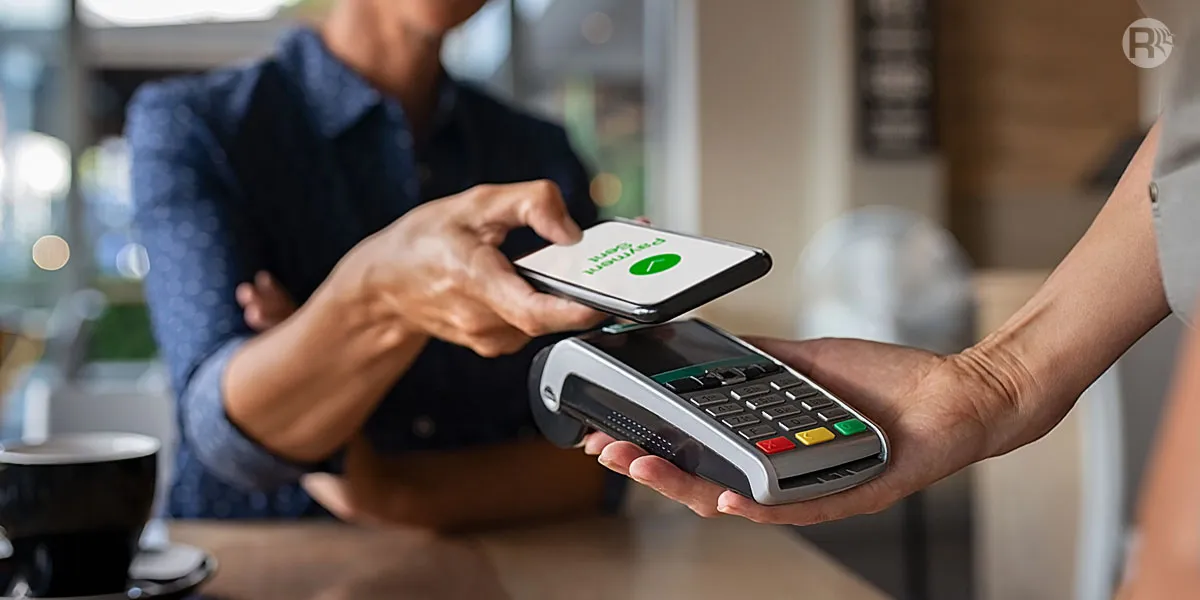
These are arguably the most widely recognized mobile payment platforms, deeply integrated into their respective device ecosystems. Apple Pay leverages the secure element chip within iPhones, Apple Watches, and iPads. Google Pay offers similar functionality across Android devices, often utilizing the HCE (Host Card Emulation) technology, which virtualizes the secure element in the cloud. Samsung Pay distinguishes itself by supporting both NFC and Magnetic Secure Transmission (MST) technology, allowing it to work with older magnetic stripe card readers, giving it broader compatibility at certain POS systems. These platforms serve as digital wallets, securely storing tokenized payment credentials and facilitating NFC-based transactions.
Third-Party Payment Apps and Digital Wallets
Beyond device-specific solutions, a plethora of third-party payment apps and digital wallets cater to various needs. Examples include PayPal, Venmo, Square Cash, and various bank-specific apps. These often facilitate peer-to-peer (P2P) payments, allow for online purchases, or offer unique features like budgeting tools or rewards programs. They may use QR codes, direct bank transfers, or connect to existing card networks. The technological underpinning often involves secure APIs (Application Programming Interfaces) that allow these apps to communicate with financial institutions and payment gateways, while maintaining user data integrity.
Evolution Towards Open Banking and API Integration
The trend of open banking, driven by regulatory changes in many regions, is significantly shaping the future of mobile payments. Open banking mandates that banks allow third-party financial service providers secure access to customer data (with customer consent) through APIs. This fosters innovation, enabling a new generation of mobile payment apps that can initiate payments directly from bank accounts, bypass card networks, and offer richer financial insights and services. This API-centric approach enhances interoperability and encourages the development of more sophisticated and integrated financial technology (fintech) solutions.
The Advantages of Mobile Payment Technology
The widespread adoption of mobile payments is driven by compelling advantages for both consumers and businesses, stemming directly from its technological design.
Convenience and Speed
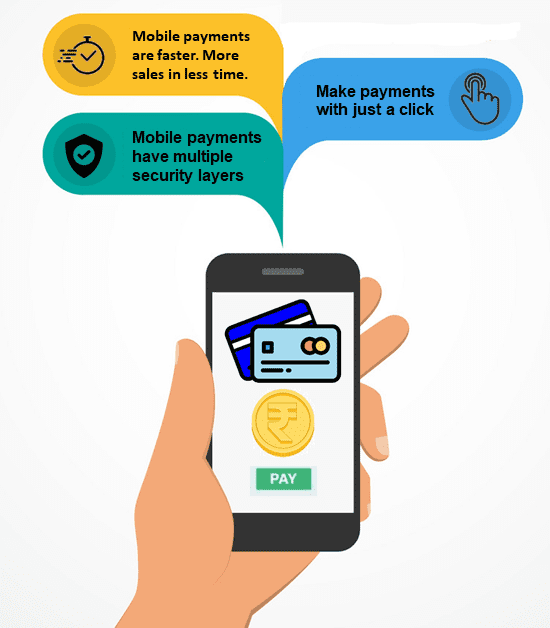
The primary draw of mobile payments is unparalleled convenience. A user’s smartphone, an ubiquitous personal device, replaces multiple cards and even cash. The ‘tap-and-go’ nature of NFC transactions drastically reduces transaction times compared to swiping a card, entering a PIN, or fumbling with change. For online or in-app purchases, stored credentials and biometric authentication eliminate the need to manually enter card details, speeding up checkout processes.
Enhanced Security Features
As previously highlighted, tokenization and biometric authentication provide layers of security often superior to traditional payment methods. Unlike a physical card number printed on plastic, the tokenized data transmitted during a mobile payment is useless if intercepted. Biometric authentication means that even if a phone is stolen, the thief cannot authorize payments without the user’s fingerprint or face. Furthermore, many mobile payment services obscure the actual card number from the merchant, adding another privacy safeguard.
Integration with Loyalty Programs and Digital Receipts
Mobile payment platforms frequently integrate with loyalty programs and provide digital receipts. Instead of carrying multiple loyalty cards, consumers can link them to their digital wallet. When a payment is made, loyalty points are automatically applied. Digital receipts, stored directly on the device or accessible via the payment app, offer a convenient way to track spending, manage returns, and reduce paper waste, leveraging the smartphone’s inherent data management capabilities.
Future Trends and Challenges in Mobile Pay Technology
The mobile payment landscape is continuously evolving, driven by innovation and addressing emerging challenges.
Biometric Authentication and Advanced Security
While fingerprints and facial recognition are common, future mobile payment systems will likely incorporate more advanced biometric technologies, such as vein pattern recognition or behavioral biometrics (analyzing typing patterns, gait, etc.). The goal is to create even more seamless and foolproof authentication methods, making unauthorized access virtually impossible. Quantum-resistant cryptography is also an area of research to future-proof payment security against potential quantum computing threats.
Cross-Border Payments and Blockchain Integration
The inherent global reach of internet and mobile technologies positions mobile payments as a natural fit for cross-border transactions. Blockchain technology, with its decentralized and immutable ledger, offers the potential to revolutionize international payments by reducing intermediaries, lowering fees, and increasing transparency and speed. Projects exploring stablecoins and central bank digital currencies (CBDCs) leveraging blockchain could further streamline global mobile payments, reducing friction and currency exchange complexities.
Privacy Concerns and Regulatory Evolution
As mobile payments become more pervasive and integrated with other digital services, privacy concerns regarding personal spending data will intensify. The vast amounts of data generated by mobile transactions could be leveraged for targeted advertising or other data analytics, raising questions about data ownership and consent. Regulatory frameworks globally are continuously evolving to address these privacy concerns, ensure consumer protection, and maintain competition in the rapidly changing fintech space. Compliance with stringent data protection laws (like GDPR) will remain a critical technological challenge for mobile payment providers, requiring robust data anonymization and encryption techniques.
aViewFromTheCave is a participant in the Amazon Services LLC Associates Program, an affiliate advertising program designed to provide a means for sites to earn advertising fees by advertising and linking to Amazon.com. Amazon, the Amazon logo, AmazonSupply, and the AmazonSupply logo are trademarks of Amazon.com, Inc. or its affiliates. As an Amazon Associate we earn affiliate commissions from qualifying purchases.