
The humble ice pop, a frozen delight that conjures up images of sun-drenched afternoons and childhood nostalgia, is more than just a simple treat. While its primary purpose is to deliver a refreshing burst of flavor and a welcome coolness, understanding its composition reveals a fascinating intersection of basic culinary science, ingredient sourcing, and even a touch of brand marketing. For those curious about the building blocks of this ubiquitous frozen confection, especially within the context of technology, brand, and money, the answer lies in a surprisingly intricate combination of everyday ingredients.
The Foundation: Water and Sweeteners
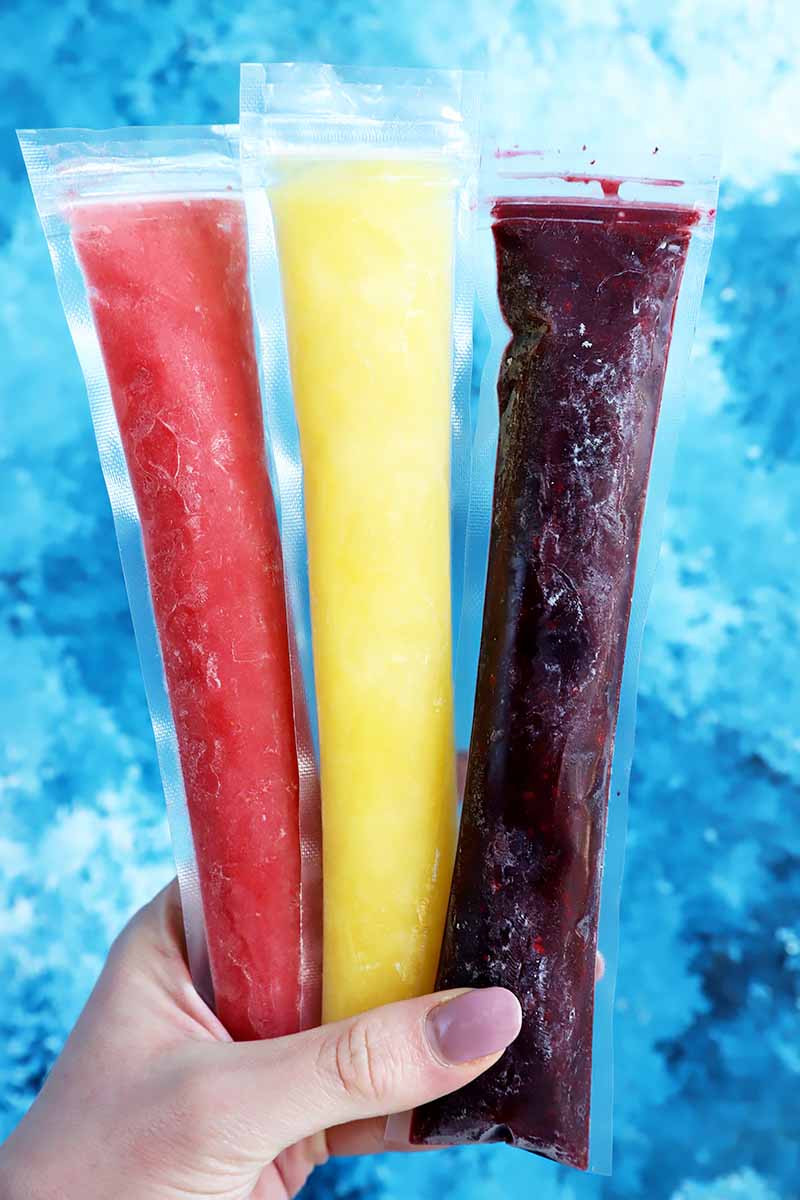
At its most fundamental level, an ice pop is a frozen solution of water, flavorings, and sweeteners. The primary ingredient, of course, is water. It acts as the solvent, carrying all the other components and providing the frozen matrix that gives the ice pop its structure. The quality of the water used can, in fact, subtly influence the final taste and texture, which is why some premium ice pop brands might emphasize their use of filtered or purified water.
The next crucial element is sweetener. This is what transforms plain frozen water into a palatable and enjoyable treat. The most common sweetener is sugar (sucrose). Its role is multifaceted. Firstly, it provides sweetness, which is essential for masking the often tart flavors of fruits and artificial flavorings. Secondly, and perhaps more importantly from a scientific perspective, sugar acts as an antifreeze. When sugar is dissolved in water, it lowers the freezing point of the mixture. This means that even when frozen, the ice pop doesn’t become a solid block of ice. Instead, it retains a somewhat slushy or chewy texture, making it easier to consume. The amount of sugar used directly impacts this texture; more sugar leads to a softer, more pliable ice pop, while less sugar can result in a harder, icier consistency.
Beyond granulated sugar, other sweeteners are also employed. High-fructose corn syrup (HFCS) is a prevalent alternative in many commercially produced ice pops, offering a cost-effective and readily available sweetening solution. Natural alternatives like honey or maple syrup can also be used, particularly in artisanal or health-conscious ice pop recipes, though they often impart their own distinct flavors. For those seeking lower-calorie options, artificial sweeteners such as aspartame, sucralose, or stevia are increasingly incorporated, allowing for the creation of “diet” or “sugar-free” ice pops. The choice of sweetener not only affects taste and texture but also the overall cost of production and the target market for the product.
The Art of Flavor: From Natural Fruits to Artificial Essences
Once the sweet, frozen base is established, the magic of flavor comes into play. This is where ice pops truly differentiate themselves, offering an almost limitless spectrum of taste experiences. The two primary avenues for flavor are natural sources and artificial flavorings.
Natural Flavorings: Harnessing the Goodness of Nature
The most straightforward and often preferred method of flavoring is by using real fruit juice or purée. Think of classic strawberry, lemon, or grape ice pops. These derive their taste directly from the fruit itself. The process involves extracting the juice or blending the whole fruit (minus seeds and pits) and then incorporating it into the water-sweetener base. The natural sugars present in fruit also contribute to the overall sweetness, sometimes allowing for a reduction in added sweeteners.
Beyond simple juices, fruit extracts and essential oils can also be used to enhance or isolate specific flavor notes. For example, a touch of lemon essential oil can amplify the citrusy punch of a lemon ice pop. Similarly, vanilla extract is a common addition to many fruit-flavored ice pops, adding depth and complexity.
The quality and type of fruit used can significantly impact the final product. Premium brands might opt for exotic fruits or high-quality organic juices to justify a higher price point and appeal to discerning consumers. The seasonality of fruits also plays a role, with some ice pop flavors being more readily available and cost-effective at certain times of the year.
Artificial Flavorings: Precision and Consistency
While natural flavors offer authenticity, artificial flavorings provide immense flexibility, consistency, and cost-effectiveness for mass-produced ice pops. These are carefully engineered chemical compounds that mimic the taste of natural ingredients. They are often more potent than their natural counterparts, meaning less is needed to achieve the desired flavor profile.
The development of artificial flavorings is a testament to advancements in chemistry and food science. Scientists can break down the complex aroma and taste profiles of fruits, spices, and other ingredients into their constituent chemical components and then recreate them synthetically. This allows manufacturers to achieve consistent flavor across batches, regardless of variations in natural produce. For instance, a “blue raspberry” flavor, which doesn’t exist naturally, is a prime example of the power of artificial flavoring in the ice pop world.
The use of artificial flavorings is often a strategic decision for brands looking to control costs, ensure year-round availability of specific flavors, and create unique, imaginative taste experiences that might not be possible with natural ingredients alone.
Beyond the Basics: Color, Texture, and Preservatives
While water, sweeteners, and flavorings form the core of most ice pops, a few other ingredients often play a supporting role, contributing to the visual appeal, mouthfeel, and shelf-life of the product.
The Visual Appeal: Coloring Agents
Ice pops are inherently visual treats, and their vibrant colors are a significant part of their allure, especially for children. Coloring agents are therefore a common addition. These can be derived from natural sources or be synthetic.
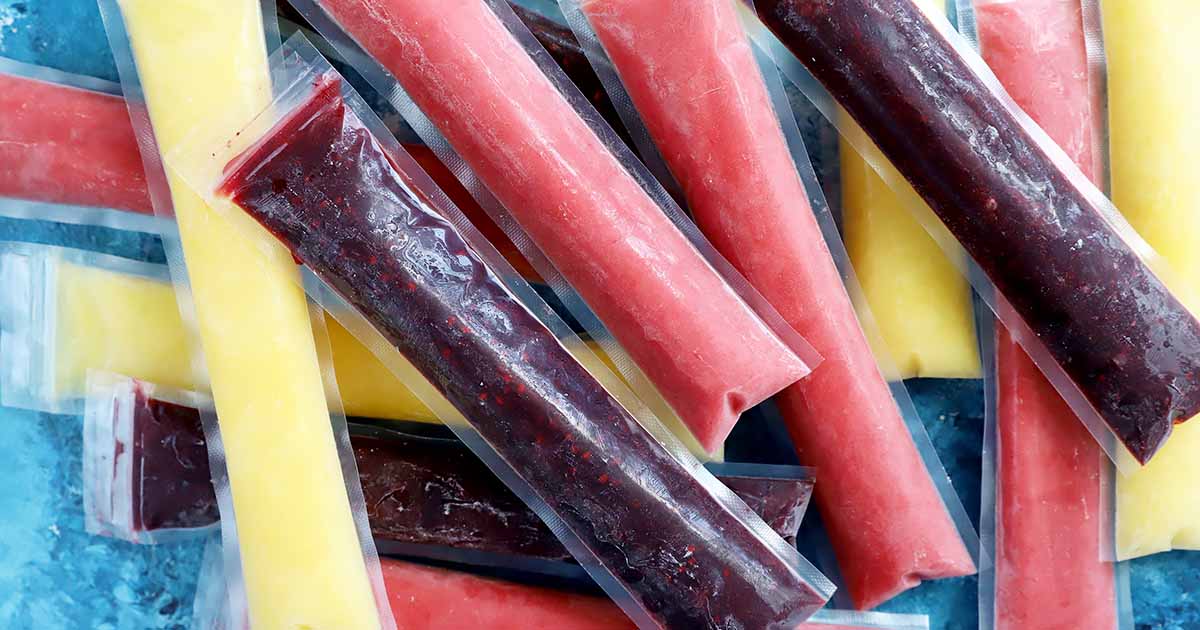
Natural colorings include pigments extracted from fruits and vegetables, such as beta-carotene for orange hues, anthocyanins from berries for reds and purples, and chlorophyll for green. These are often preferred by brands aiming for a “natural” or “organic” positioning.
However, artificial food dyes are widely used due to their intensity, stability, and cost-effectiveness. Common examples include FD&C Red 40, Yellow 5, and Blue 1. These are carefully regulated by food safety authorities to ensure they are safe for consumption. The choice of color is not just for aesthetics; it’s often tied to the flavor. A red ice pop strongly suggests strawberry or cherry, while a blue one often implies blueberry or blue raspberry.
Enhancing the Experience: Thickeners and Stabilizers
The texture of an ice pop is critical to its enjoyment. To achieve a smooth, less icy consistency and prevent rapid melting, manufacturers often incorporate thickeners and stabilizers. These ingredients help to bind water molecules, creating a more uniform ice crystal structure and a creamier mouthfeel.
Common examples include:
- Gums: Such as guar gum, xanthan gum, and carrageenan. These are plant-derived hydrocolloids that absorb water and create a gel-like structure, improving texture and preventing ice crystal formation.
- Pectin: Derived from fruits, pectin is a natural gelling agent that helps to stabilize mixtures and contribute to a smoother texture.
- Cellulose gum (CMC): Another common stabilizer that aids in preventing ice crystal growth and improving mouthfeel.
These ingredients, while not directly contributing to taste, are vital for achieving the desired sensory experience and ensuring the ice pop maintains its integrity from production to consumption.
Ensuring Freshness: Preservatives
While many ice pops are designed to be consumed relatively quickly, especially when sold in individual servings, preservatives can be added to extend their shelf life, particularly for larger multipacks or products intended for extended storage.
Common preservatives used in frozen treats include:
- Citric acid: Beyond its role in flavor (providing tartness), citric acid also acts as an antioxidant, helping to prevent spoilage and maintain color.
- Sodium benzoate: A salt of benzoic acid, it’s effective at inhibiting the growth of yeast, mold, and some bacteria.
- Potassium sorbate: Similar to sodium benzoate, it’s used to prevent the growth of mold and yeast.
The inclusion of preservatives is often a business decision, allowing for more efficient inventory management and wider distribution networks. However, consumer demand for “clean label” products has led many brands to explore preservative-free formulations, relying on the frozen state itself as the primary means of preservation.
The Brand and Business Behind the Bite
Understanding what ice pops are made of also offers a glimpse into the world of brand strategy and business finance. The ingredients chosen are not arbitrary; they are carefully selected to meet specific market demands, production costs, and brand positioning.
Cost-Effectiveness vs. Premium Quality
The choice between using granulated sugar versus high-fructose corn syrup, or artificial flavorings versus real fruit purées, often boils down to a strategic decision about cost of goods sold. Mass-market ice pops, designed to be affordable impulse purchases, will lean towards more economical ingredients. This allows them to be priced competitively and reach a broader audience.
Conversely, brands aiming for a premium market will often highlight the use of high-quality, natural ingredients. Organic fruits, artisanal sweeteners, and natural flavorings become selling points, justifying a higher price tag. This taps into consumer trends towards health consciousness and a desire for more authentic taste experiences. The “brand story” often revolves around the origin and quality of these superior ingredients.
Innovation and Market Differentiation
The seemingly simple ice pop has become a canvas for innovation. Brands differentiate themselves through unique flavor combinations, novel ingredient inclusions (like popping candy or edible glitter), and even functional benefits (e.g., added vitamins or probiotics). These innovations are driven by market research, understanding consumer preferences, and a desire to capture market share. The underlying recipe is constantly being tweaked and refined, not just for taste but also to create a distinct brand identity that resonates with target demographics.
The entire lifecycle of an ice pop, from sourcing raw materials to final sale, is underpinned by financial considerations. Production efficiency, supply chain management, marketing spend, and retail pricing all contribute to the profitability of an ice pop business. Understanding the composition of the product is the first step in appreciating the economic forces at play.
In conclusion, while the ingredients of an ice pop might seem straightforward, a deeper examination reveals a sophisticated interplay of culinary science, consumer psychology, and business acumen. From the fundamental roles of water and sweeteners to the nuanced art of flavoring and the strategic decisions behind ingredient choices, what are ice pops made of is a question that leads us on a journey through taste, texture, and the ever-evolving landscape of the food industry.
aViewFromTheCave is a participant in the Amazon Services LLC Associates Program, an affiliate advertising program designed to provide a means for sites to earn advertising fees by advertising and linking to Amazon.com. Amazon, the Amazon logo, AmazonSupply, and the AmazonSupply logo are trademarks of Amazon.com, Inc. or its affiliates. As an Amazon Associate we earn affiliate commissions from qualifying purchases.