
NVIDIA Corporation (NVDA) stands as a titan in the technology sector, particularly renowned for its graphics processing units (GPUs) which power everything from high-end gaming rigs to the cutting edge of artificial intelligence and data centers. For investors, analysts, and market watchers, the release of NVIDIA’s quarterly earnings report is far more than a routine announcement; it’s a pivotal event that can send ripples across global markets, dictate sector trends, and offer critical insights into the future trajectory of AI, semiconductors, and computing infrastructure. Understanding when these earnings are released and what to anticipate is paramount for anyone involved in the financial markets.
This article delves into the critical aspects of NVIDIA’s earnings reports, providing a roadmap for identifying release dates, dissecting the key financial and strategic elements, and offering perspectives on how investors might approach these high-stakes announcements. We will focus on the most recent and upcoming earnings cycle, typically the Q2 2024 period, and explain why NVIDIA’s financial performance transcends mere company specifics to influence broader economic and technological narratives.
Understanding the Significance of NVIDIA’s Earnings
NVIDIA’s financial disclosures are not just a snapshot of a single company’s health; they are a bellwether for several crucial economic and technological segments. Its performance often serves as an indicator of demand in the semiconductor industry, the pace of AI adoption, and the overall health of the consumer electronics and enterprise data center markets.
The Market Mover: Why NVIDIA Matters to Investors
NVIDIA’s stock, often characterized by significant volatility and growth potential, holds a substantial weighting in major indices like the S&P 500 and NASDAQ 100. Its market capitalization frequently places it among the world’s most valuable companies, meaning its movements can directly impact the performance of index funds, ETFs, and a vast array of managed portfolios. Institutional investors, hedge funds, and retail investors alike scrutinize NVIDIA’s reports for signals about broader market trends. The company’s leadership in the AI hardware space makes its financial health a direct proxy for the state of artificial intelligence investment and deployment globally. Any substantial beat or miss on earnings, or a significant revision to future guidance, can trigger widespread market reactions, influencing not just other tech stocks but also investor sentiment across sectors.
Beyond the Numbers: Decoding Key Metrics and Guidance
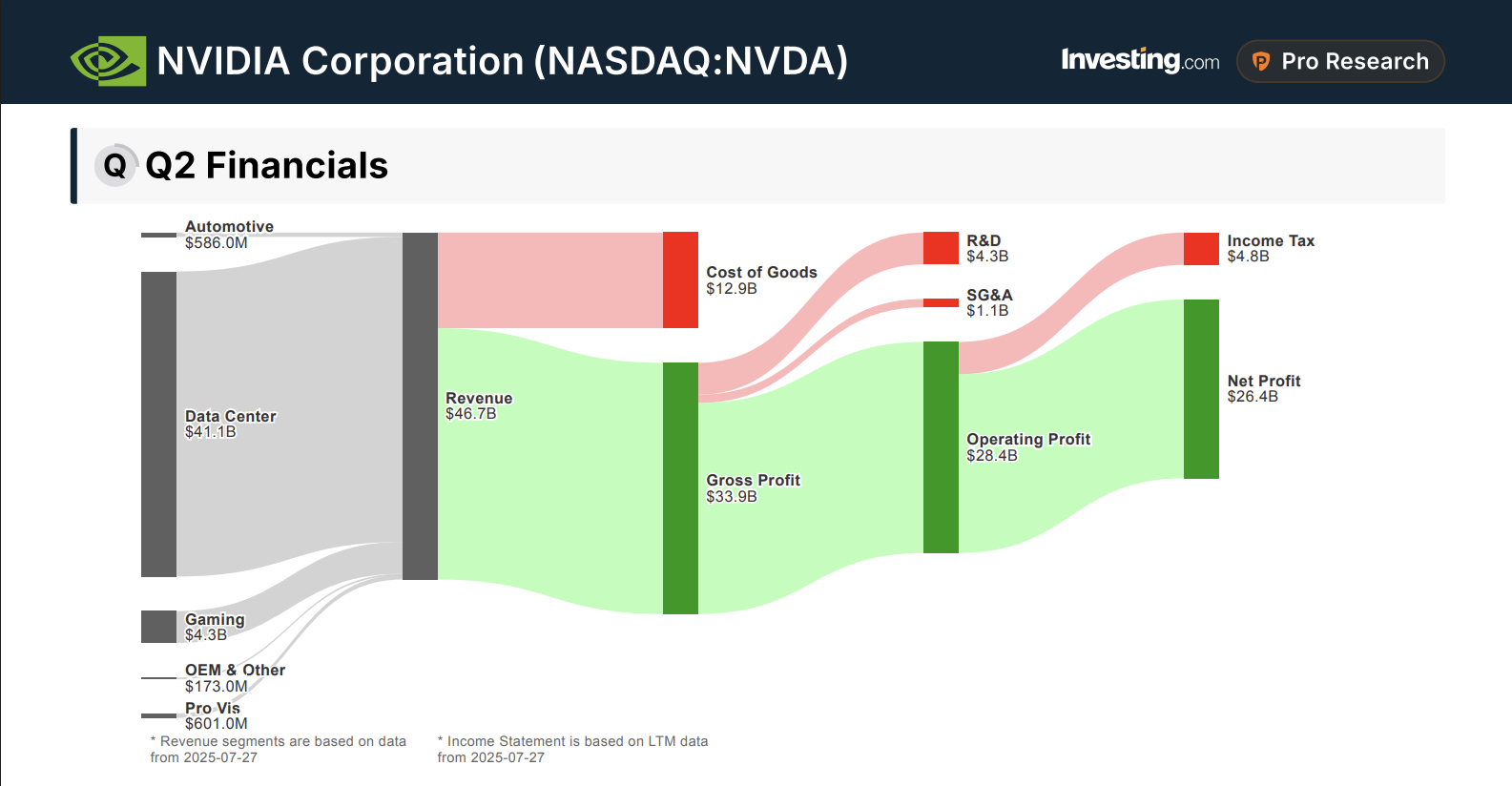
While headline figures like revenue and earnings per share (EPS) grab immediate attention, savvy investors look deeper. Key metrics for NVIDIA include segment-specific revenues (Data Center, Gaming, Professional Visualization, Automotive), gross margins, operating expenses, and cash flow from operations. However, perhaps the most impactful element of an earnings report is the company’s forward-looking guidance. Management’s projections for the upcoming quarter and fiscal year provide crucial insights into their expectations for demand, supply chain stability, and overall market conditions. A strong outlook can often outweigh a slight miss on current quarter numbers, while a cautious outlook, even after a strong quarter, can temper enthusiasm. Commentary on new product pipelines, market share, and strategic investments also offers valuable qualitative data for long-term investors.
Historical Performance and Future Projections
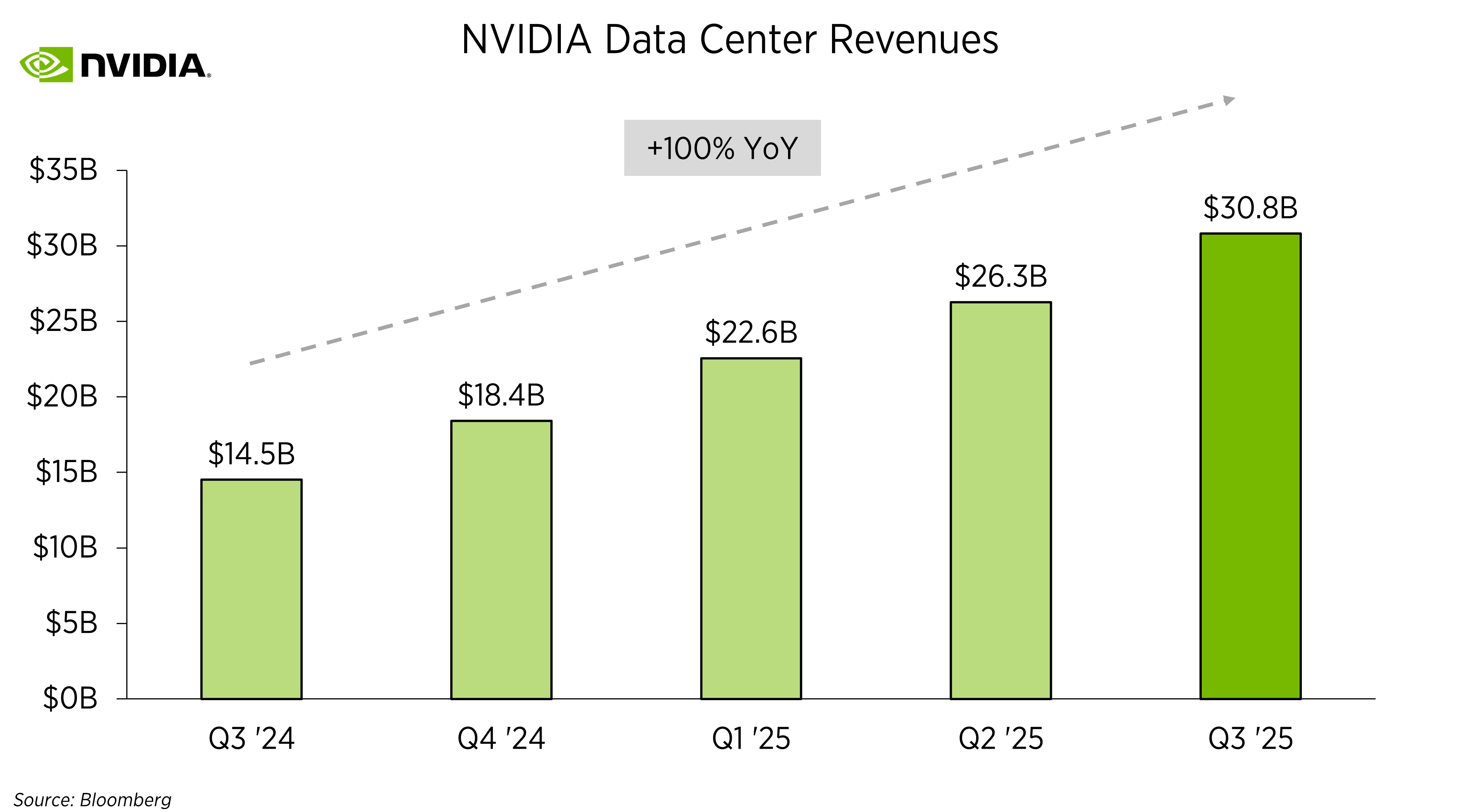
NVIDIA has demonstrated remarkable growth, especially in its Data Center segment, fueled by the insatiable demand for AI computing. A review of historical earnings reveals consistent innovation and strategic positioning in high-growth markets. Analysts typically provide detailed projections for NVIDIA, incorporating macroeconomic factors, competitive landscape shifts, and anticipated technological advancements. These projections set the bar for market expectations, and the divergence between actual results and these expectations often drives significant stock price movements. Understanding the historical context helps investors gauge the sustainability of growth and the company’s ability to execute its long-term vision.
Pinpointing NVIDIA’s Q2 2024 Earnings Release
Knowing the exact date of an earnings announcement is the first, crucial step for investors to prepare. While the specific date can vary slightly each quarter, companies typically follow a predictable schedule.
Official Announcement and Investor Relations Resources
NVIDIA, like all publicly traded companies, provides its earnings calendar through its official investor relations (IR) website. This is the most reliable source for confirmed dates. Investors should navigate to investor.nvidia.com and look for the “Events & Presentations” or “Financial Calendar” section. The company issues press releases well in advance, announcing the date and time of the earnings release and accompanying conference call. Subscribing to NVIDIA’s investor alerts is an effective way to receive these notifications directly.
Key Dates to Watch: Earnings Call, Transcript, and Filing
For the second fiscal quarter of 2024 (which typically corresponds to calendar months May, June, July), NVIDIA is expected to release its earnings report after market close, usually on a Wednesday or Thursday, in late August. For instance, NVIDIA’s Q2 fiscal year 2024 earnings were reported on Wednesday, August 23, 2023, after market close. For the current fiscal year’s Q2 2025 earnings (which will cover roughly May-July 2024), investors should anticipate the release date to fall around the third week of August 2024, likely Wednesday, August 21st, 2024, or Thursday, August 22nd, 2024, after the market closes. This is an estimation based on historical patterns; always confirm with the official NVIDIA IR site.
Following the earnings release, an investor conference call and webcast are held, usually an hour or so after the press release. This call features management commentary on results, strategic updates, and a Q&A session with analysts. A full transcript of the call is typically available on the IR website within hours or a day. The comprehensive financial filing (10-Q for quarterly reports) is then submitted to the SEC within a few days to a week after the initial announcement, offering the most detailed financial statements.
How to Access Live Webcasts and Reports
The NVIDIA investor relations website provides direct links to the live webcast of the earnings call. It is advisable to register in advance if required. For those who miss the live event, a replay is usually available on demand for several weeks or months. The earnings press release and any supplemental financial materials (e.g., investor presentation slides) are also published concurrently on the IR site. Financial news outlets and platforms like Bloomberg, Reuters, CNBC, and Yahoo Finance will also extensively cover the announcement, often providing direct links or summaries.
What to Expect from NVIDIA’s Q2 2024 Earnings Call
While specific numbers are speculative until the official release, we can anticipate the key themes and areas of focus that management will address and analysts will scrutinize.
The AI Revolution: Data Center Performance and Growth Drivers
The Data Center segment remains NVIDIA’s most critical growth engine. Investors will be keenly looking for continued acceleration in this division, driven by demand for its H100 and upcoming B100/Blackwell AI GPUs. Key questions include: How is demand holding up for its AI accelerators? What are the lead times for orders? Are hyperscale cloud providers continuing to invest heavily? Any updates on the NVIDIA AI Enterprise software platform and its ecosystem will also be vital, as software and services represent a growing, high-margin revenue stream. The ability to meet surging demand through supply chain optimization will also be a major talking point.

Gaming and Professional Visualization Segments: Stability and Innovation
While Data Center dominates the narrative, NVIDIA’s legacy Gaming GPU business remains substantial. Investors will want to see stable, if not growing, performance here, indicating healthy consumer demand for PC gaming and upgrades. Commentary on new GPU architectures and competitive dynamics with AMD will be relevant. The Professional Visualization segment, serving industries like design, media, and scientific research, provides another layer of revenue diversification. Stability or modest growth in these segments can underscore the company’s resilience beyond just AI. The Automotive segment, though smaller, is a high-potential area; any updates on partnerships, design wins for autonomous driving platforms, or progress in infotainment systems will be closely watched.
Supply Chain Dynamics and Geopolitical Considerations
The semiconductor industry is inherently linked to complex global supply chains. Management commentary on manufacturing capacity, component availability, and logistics will be critical. Any signs of bottlenecks or improvements will directly impact revenue guidance. Geopolitical tensions, particularly concerning trade relations with China and export restrictions on advanced AI chips, are a persistent concern. Investors will be listening for any updates on how NVIDIA is navigating these challenges, adapting its products for different markets, or mitigating risks. The ongoing semiconductor fabrication capacity constraints, particularly for advanced packaging, also warrant attention.
Management’s Outlook and Future Strategic Directions
Perhaps the most forward-looking aspect of the call is management’s revised outlook for the coming quarters. This will include revenue and gross margin guidance, capital expenditure plans, and any shifts in strategic priorities. Investors will also be keen to hear about future product roadmaps, investments in research and development, and potential mergers or acquisitions. Insights into new market opportunities, such as sovereign AI initiatives or further expansion into enterprise AI solutions, will help paint a picture of NVIDIA’s long-term growth vectors.
Strategies for Investors Ahead of and After Earnings
NVIDIA earnings reports are notorious for causing significant stock price movements. Preparing for these events requires a thoughtful approach.
Pre-Earnings Volatility: Risk Assessment and Portfolio Adjustments
Leading up to the earnings release, NVIDIA’s stock often experiences increased volatility as investors try to anticipate the results. Options trading volumes typically surge as traders bet on potential upside or downside surprises. For long-term investors, deciding whether to hold through earnings or reduce exposure can be a tough call. Those with a high conviction in NVIDIA’s long-term thesis might choose to hold, accepting the short-term volatility. More risk-averse investors might consider trimming positions or using options strategies (e.g., buying puts for protection, or selling covered calls) to hedge against potential downside. Day traders and swing traders often enter and exit positions based on technical analysis and market sentiment in the days preceding the report.
Post-Earnings Reaction: Interpreting Market Sentiment
The immediate market reaction to an earnings report can be dramatic, but it’s not always sustained. A “beat and raise” (beating estimates and raising guidance) typically leads to a significant rally, while a “miss and lower” can cause a sharp sell-off. However, sometimes a “whisper number” (unofficial, higher expectations) can lead to a sell-off even on a reported beat, if the numbers aren’t strong enough. Conversely, the market might overlook a slight miss if the forward guidance is exceptionally strong or if a specific segment shows robust underlying strength. It’s crucial to differentiate between an initial emotional market reaction and a more considered, long-term reassessment of the company’s value. Waiting for a few hours, or even a day, to let the dust settle can provide a clearer picture.
Long-Term vs. Short-Term Investment Perspectives
For long-term investors, a single quarterly report, while important, is one data point in a multi-year investment thesis. They will focus more on the strategic direction, competitive moats, innovation pipeline, and the sustainability of growth. Short-term traders, on the other hand, are primarily interested in the immediate price movement and opportunities for quick gains or losses. It’s vital for investors to align their strategy with their investment horizon and risk tolerance. NVIDIA’s role as a foundational technology provider in AI suggests a powerful long-term growth narrative, but its valuation metrics often imply high expectations that must be continually met.
Utilizing Financial Tools and Analyst Insights
Numerous financial platforms (e.g., Bloomberg Terminal, Refinitiv Eikon, FactSet, Fidelity, Schwab, E*TRADE) offer sophisticated tools for analyzing earnings reports, tracking analyst consensus estimates, and monitoring real-time market reactions. Subscribing to reputable financial news services and institutional research reports can provide deep dives into analyst expectations, segment breakdowns, and scenario analyses. However, investors should always perform their own due diligence and not rely solely on external opinions. Comparing a company’s performance against its peers, assessing its valuation multiples (P/E, PEG, EV/Sales), and understanding its competitive advantages are all critical components of a robust investment decision.
The Broader Impact: NVIDIA’s Earnings on the Tech Sector and Global Economy
NVIDIA’s quarterly performance often serves as a barometer for several interconnected industries and broader economic trends.
Semiconductor Trends and Industry Benchmarks
NVIDIA’s results provide direct insights into the health of the global semiconductor industry. Strong demand for its GPUs signals robust spending by data centers, cloud providers, and consumers. Its commentary on chip manufacturing capacity, raw material costs, and pricing power can set expectations for other semiconductor companies like TSMC (its primary foundry partner), AMD, Broadcom, and Intel. It can also influence supply chain dynamics for memory manufacturers (Micron, Samsung) and equipment providers (ASML, Applied Materials). Therefore, NVIDIA’s earnings can lead to sympathetic movements across the entire semiconductor ecosystem.
AI’s Economic Ripple Effect
As a dominant force in AI hardware, NVIDIA’s financial reports are a window into the broader AI economy. Strong results indicate continued, aggressive investment in AI development and deployment across various industries, from healthcare and finance to manufacturing and autonomous driving. This, in turn, suggests a growing market for AI software, services, and related infrastructure. A slowdown in NVIDIA’s AI segment could signal a cooling of AI investment, which would have significant implications for the multitude of startups and established companies betting on AI as a transformative technology.
Investor Confidence and Market Sentiment
Finally, NVIDIA’s earnings can significantly impact overall investor confidence and market sentiment. As a high-growth, high-multiple stock, its performance is often viewed as a proxy for the appetite for risk in the market. A robust report can fuel optimism, encouraging investors to allocate capital to other growth-oriented technology companies. Conversely, a disappointing report, especially if it points to broader macroeconomic headwinds or unforeseen challenges, can dampen enthusiasm, leading to a flight to safety or increased volatility across the broader market. The ongoing narrative around AI’s transformative potential is heavily tied to NVIDIA’s ability to execute, making its earnings a critical event for tracking the pulse of technological progress and economic growth.
In conclusion, knowing when NVIDIA releases its earnings report and understanding what to look for extends far beyond a simple stock market update. It’s a key event for anyone interested in investing, the future of technology, and the broader economic landscape shaped by artificial intelligence and high-performance computing. Diligent preparation, careful analysis, and a well-defined investment strategy are essential for navigating these highly anticipated financial disclosures.
aViewFromTheCave is a participant in the Amazon Services LLC Associates Program, an affiliate advertising program designed to provide a means for sites to earn advertising fees by advertising and linking to Amazon.com. Amazon, the Amazon logo, AmazonSupply, and the AmazonSupply logo are trademarks of Amazon.com, Inc. or its affiliates. As an Amazon Associate we earn affiliate commissions from qualifying purchases.