
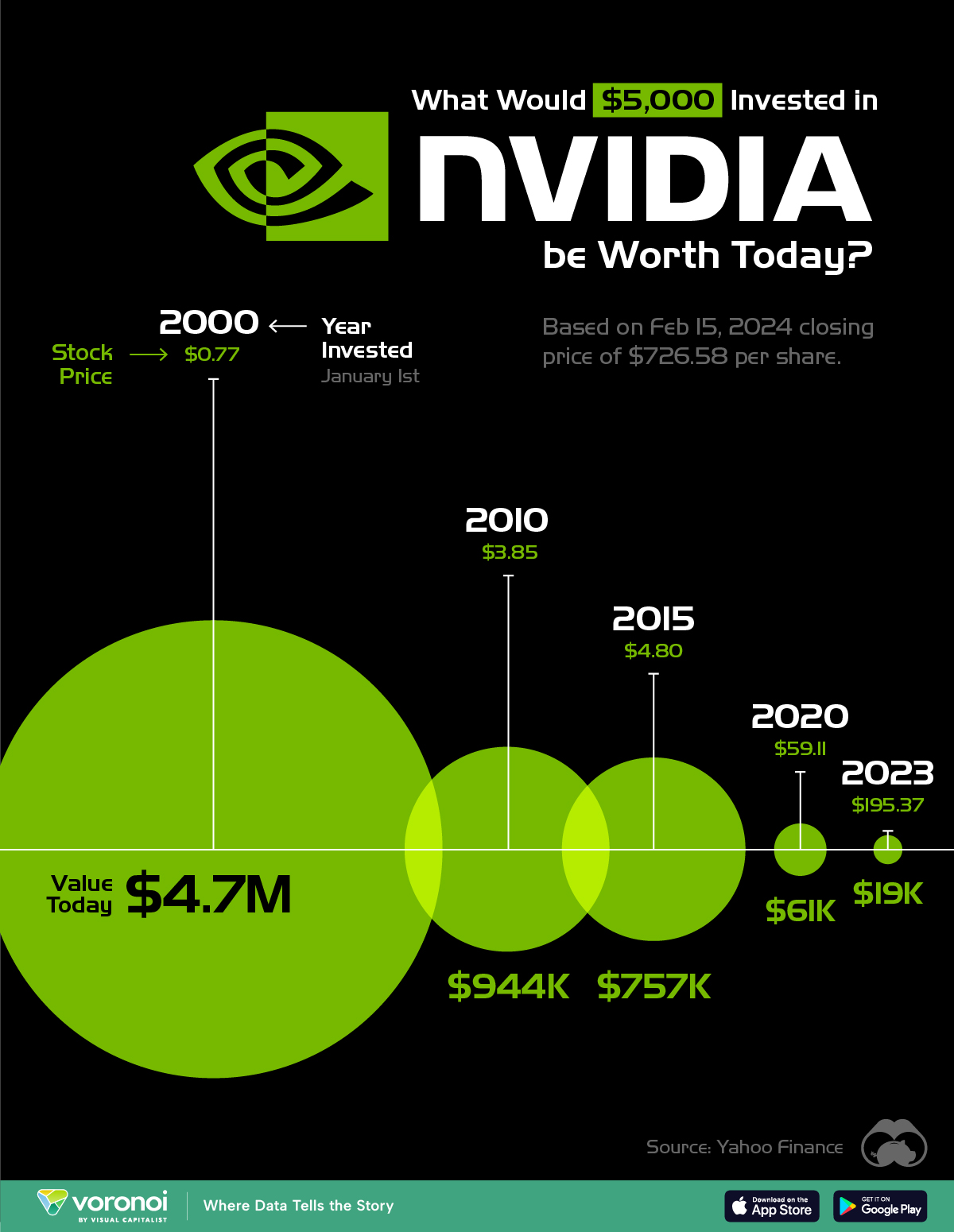
NVIDIA has transcended its origins as a graphics card manufacturer to become a pivotal force in artificial intelligence, data centers, and high-performance computing. Its stock, often a darling of the tech sector, has seen remarkable growth, drawing the attention of countless investors. However, approaching an investment in a company like NVIDIA requires a clear understanding of the market, the company’s fundamentals, and the practical steps involved. This comprehensive guide will walk you through everything you need to know about investing in NVIDIA stock, ensuring you make informed and strategic decisions.
Understanding NVIDIA’s Investment Appeal
Before diving into the mechanics of buying shares, it’s crucial to grasp why NVIDIA is considered an attractive investment by many. Its innovation extends far beyond gaming, positioning it at the forefront of several transformative technologies.
NVIDIA’s Market Dominance and Innovation Landscape
NVIDIA’s core strength lies in its Graphics Processing Units (GPUs), initially designed for rendering complex graphics in video games. However, it quickly became apparent that the parallel processing capabilities of GPUs were exceptionally well-suited for the intensive computations required by artificial intelligence and machine learning algorithms. This foresight allowed NVIDIA to pivot strategically, establishing a dominant position in the AI and data center markets.
Today, NVIDIA’s technologies power everything from supercomputers and autonomous vehicles to enterprise AI applications and the metaverse. Its CUDA platform, a parallel computing architecture, acts as a crucial ecosystem that locks in developers and researchers, making it difficult for competitors to displace. This strong technological moat, coupled with continuous innovation in chip design and software, underpins much of its market valuation. For investors, this translates into a company with a proven track record of adapting and leading in high-growth sectors, suggesting resilience and continued relevance in the future economy.
Key Growth Drivers and Future Outlook
NVIDIA’s growth trajectory is propelled by several robust drivers, making it a compelling consideration for a growth-oriented investment portfolio. The exponential growth of AI across industries, from healthcare to finance, demands ever more powerful computing infrastructure – a demand NVIDIA is uniquely positioned to meet. Its data center segment, which includes its AI chips and networking solutions, has become its largest revenue generator, showcasing its successful diversification beyond gaming.
Furthermore, NVIDIA is actively expanding into new frontiers such as the Omniverse platform for 3D simulation and collaboration, and its automotive solutions for self-driving cars. These ventures represent significant potential for future revenue streams, though they also carry inherent risks associated with emerging technologies. Investors should monitor NVIDIA’s progress in these areas, along with its ability to maintain its technological edge against formidable competitors like AMD, Intel, and an increasing number of custom chip developers. The global demand for computing power, particularly for AI, is unlikely to wane in the foreseeable future, providing a strong tailwind for NVIDIA’s continued expansion.
Essential Steps Before You Invest
Investing in any stock, even a seemingly robust one like NVIDIA, requires careful preparation. Due diligence, understanding your personal financial situation, and strategic planning are paramount to mitigating risks and maximizing potential returns.
Due Diligence and Thorough Research
Before committing capital, thorough research is non-negotiable. Begin by examining NVIDIA’s financial statements: its revenue growth, profit margins, balance sheet strength, and cash flow. Look at its P/E ratio (price-to-earnings), P/S ratio (price-to-sales), and compare them to industry averages and competitors. A high valuation might indicate significant future growth expectations, but also greater risk if those expectations aren’t met.
Beyond financials, delve into industry reports, analyst ratings, and news articles to understand the broader market dynamics and potential challenges. What are the company’s competitive advantages? Who are its main rivals, and how does NVIDIA differentiate itself? Are there any regulatory hurdles or geopolitical risks that could impact its supply chain or market access? Understanding these factors will provide a holistic view of the company’s intrinsic value and its position within the competitive landscape. Don’t rely solely on hype; base your decisions on verifiable data and a well-rounded perspective.
Assessing Your Risk Tolerance and Investment Goals
Every investment decision should be made within the context of your personal financial situation and goals. Ask yourself:
- What is my investment horizon? Am I looking to invest for the short-term (months/a few years) or long-term (5+ years)? NVIDIA, like many growth stocks, can be volatile in the short term, making it more suitable for long-term investors who can weather market fluctuations.
- What is my risk tolerance? Can I comfortably withstand significant dips in the stock price? Growth stocks often come with higher volatility compared to value stocks or bonds. If you are highly risk-averse, allocating a smaller portion of your portfolio to such stocks, or opting for broader tech ETFs that include NVIDIA, might be more appropriate.
- What are my financial goals? Am I saving for retirement, a down payment, or simply aiming for portfolio growth? Aligning your investment in NVIDIA with specific goals will help you stay disciplined during market swings.
It’s crucial to ensure that investing in NVIDIA aligns with your broader financial plan and doesn’t expose you to undue risk, especially if it represents a disproportionately large part of your portfolio.
Diversification: The Golden Rule of Investing
Perhaps the most critical principle in investing is diversification. While NVIDIA may offer compelling growth potential, putting all your eggs in one basket is a risky strategy. Even the strongest companies can face unforeseen challenges, market downturns, or technological disruptions.
Diversifying your portfolio means spreading your investments across different asset classes (stocks, bonds, real estate), different industries (tech, healthcare, consumer goods), and different geographies. If you choose to invest in NVIDIA, ensure it’s part of a well-diversified portfolio. This strategy helps to cushion the impact if any single investment underperforms, protecting your overall financial health. For example, alongside NVIDIA, consider investing in companies from unrelated sectors, or in broader market index funds, to achieve a balanced risk-return profile.
Practical Ways to Invest in NVIDIA
Once you’ve completed your research and aligned your investment with your financial goals, the next step is to understand the practical methods for purchasing NVIDIA stock.
Direct Stock Purchase via a Brokerage Account
The most common way to invest in NVIDIA is by purchasing its stock directly through a brokerage account.
- Choosing a Brokerage: You’ll need an investment account with a reputable brokerage firm. Options range from traditional full-service brokers offering extensive advice (at higher fees) to online discount brokers known for lower commissions and user-friendly platforms (e.g., Fidelity, Charles Schwab, E*TRADE, Robinhood, Interactive Brokers). When choosing, consider fees, research tools, customer service, and the types of investments offered.
- Opening and Funding Your Account: This typically involves providing personal information for identity verification, linking a bank account, and transferring funds into your brokerage account.
- Placing an Order: Once your account is funded, you can search for NVIDIA using its ticker symbol, “NVDA.” When buying, you’ll generally have a choice between:
- Market Order: This instructs your broker to buy shares immediately at the best available current market price. While fast, the exact price can fluctuate, especially in volatile markets.
- Limit Order: This allows you to specify the maximum price you’re willing to pay per share. Your order will only be executed if the stock’s price falls to or below your specified limit. This gives you more control over the purchase price but means your order might not be filled if the price doesn’t hit your limit.
- Fractional Shares: Many brokers now offer fractional shares, allowing you to invest a specific dollar amount (e.g., $100) into NVIDIA, even if that amount is less than the price of a single share. This is a great option for investors with smaller budgets.
Investing Through ETFs and Mutual Funds

If you prefer a diversified approach without picking individual stocks, or if you’re looking for broader exposure to the tech or semiconductor sector, consider Exchange-Traded Funds (ETFs) or mutual funds that include NVIDIA as one of their holdings.
- Tech-Focused ETFs/Mutual Funds: Many funds specialize in the technology sector, such as the Invesco QQQ Trust (QQQ) or the Technology Select Sector SPDR Fund (XLK). These funds hold a basket of leading technology companies, including NVIDIA, providing instant diversification within the tech space.
- Semiconductor-Specific ETFs: For more targeted exposure to the chip industry, funds like the VanEck Semiconductor ETF (SMH) or the iShares Semiconductor ETF (SOXX) heavily feature NVIDIA among other semiconductor giants. These funds offer diversification within the sector, mitigating some of the company-specific risks while still capitalizing on the industry’s growth.
Investing in funds allows you to own a small piece of many companies, reducing the impact of any single company’s poor performance on your overall portfolio.
Alternative Investment Vehicles (For Advanced Investors)
More experienced investors might explore advanced strategies:
- Options Trading: Options contracts give you the right, but not the obligation, to buy (calls) or sell (puts) NVIDIA stock at a specific price within a certain timeframe. This can magnify gains but also carries significantly higher risk and potential for substantial losses. It requires a deep understanding of options strategies and market dynamics.
- Contracts for Difference (CFDs): In some jurisdictions outside the U.S., CFDs allow you to speculate on the price movement of NVIDIA stock without actually owning the underlying shares. CFDs are leveraged products, meaning you can control a large position with a relatively small amount of capital, but this also amplifies potential losses. CFDs are not available to U.S. investors due to regulatory restrictions.
These advanced methods are generally not recommended for beginners and should only be pursued after extensive education and with a clear understanding of the magnified risks involved.
Managing Your NVIDIA Investment
Once you’ve invested in NVIDIA, your journey isn’t over. Effective portfolio management involves continuous monitoring, understanding financial events, and tax planning.
Monitoring Performance and Rebalancing
The market is dynamic, and stock prices constantly fluctuate. Regularly monitor NVIDIA’s performance against your expectations and the broader market. Stay updated on company news, earnings reports, and industry developments. While daily monitoring is excessive for long-term investors, a quarterly or semi-annual review is prudent.
Rebalancing involves adjusting your portfolio to maintain your desired asset allocation. If NVIDIA’s stock performs exceptionally well, it might grow to represent a larger percentage of your portfolio than you initially intended. Rebalancing could mean selling a portion of your NVIDIA shares to invest in underperforming assets or to bring your portfolio back to your target allocation, thus managing risk. Conversely, if it underperforms, you might consider buying more (if your conviction remains strong) or reducing your position if the fundamentals have deteriorated.
Understanding Dividends and Stock Splits
While NVIDIA has historically been a growth-oriented company and not known for significant dividend payouts, understanding these concepts is important for any stock investment:
- Dividends: Some companies distribute a portion of their profits to shareholders as dividends, usually quarterly. These can provide a steady income stream. While NVIDIA does offer a small dividend, its primary appeal is capital appreciation.
- Stock Splits: Companies sometimes perform stock splits (e.g., a 4-for-1 split), which increases the number of shares outstanding while proportionally decreasing the price per share. This makes shares more accessible to a wider range of investors. While a split doesn’t change the total value of your investment in the company, it can sometimes boost liquidity and investor interest. NVIDIA has had notable stock splits in its history.
Tax Implications of Stock Investments
Investing in stocks has tax consequences that vary by jurisdiction.
- Capital Gains Tax: When you sell NVIDIA shares for a profit, you incur capital gains. In many countries, if you hold the stock for less than a year, these are considered short-term capital gains and are often taxed at a higher rate (like ordinary income). If you hold the stock for over a year, they are typically long-term capital gains, which usually have a lower tax rate.
- Dividends Tax: Any dividends you receive from NVIDIA are usually subject to income tax.
- Tax-Advantaged Accounts: Consider investing within tax-advantaged accounts like a 401(k) or IRA (in the U.S.) or a TFSA (Tax-Free Savings Account) or RRSP (Registered Retirement Savings Plan) in Canada. These accounts offer tax benefits that can significantly boost your long-term returns by allowing your investments to grow tax-deferred or tax-free.
Always consult with a qualified tax advisor to understand the specific tax implications for your situation and to optimize your investment strategy.
Risks and Considerations
No investment is without risk, and NVIDIA, despite its strengths, is no exception. Understanding these risks is crucial for making an informed decision.
Market Volatility and Sector-Specific Risks
Growth stocks like NVIDIA are often more susceptible to market volatility. Economic downturns, interest rate hikes, or broader market corrections can disproportionately affect high-growth, high-valuation stocks. Furthermore, the technology sector itself is prone to rapid shifts. What’s cutting-edge today could be obsolete tomorrow, meaning companies must constantly innovate to stay relevant. Changes in consumer spending, enterprise IT budgets, or global supply chain disruptions can also impact NVIDIA’s performance significantly.
Competitive Landscape and Innovation Challenges
While NVIDIA holds a dominant position, it operates in a highly competitive arena. Rivals like AMD are increasingly challenging NVIDIA in areas like gaming GPUs and data center CPUs/GPUs. Large tech companies are also developing their own custom AI chips (e.g., Google’s TPUs, Apple’s M-series chips), potentially reducing their reliance on NVIDIA hardware. Maintaining its lead requires continuous, costly investment in research and development, and there’s no guarantee that NVIDIA will always be first or best. The pace of technological change demands constant vigilance from investors.
Valuation Concerns
NVIDIA’s stock often trades at a high valuation, reflecting its strong growth prospects and market leadership. While justified by its performance and potential in some eyes, a high price-to-earnings (P/E) ratio means that much of the company’s future growth is already “priced in.” If NVIDIA fails to meet these high expectations, or if there’s a significant downturn in the tech sector, its stock price could see a substantial correction. Investors must weigh the potential for continued growth against the current valuation to decide if it still represents a good entry point.

Conclusion
Investing in NVIDIA stock offers an opportunity to participate in the growth of some of the most transformative technologies of our time, from AI and machine learning to high-performance computing. However, a successful investment strategy is built on a foundation of thorough research, a clear understanding of your personal financial goals and risk tolerance, and a commitment to diversification.
By understanding NVIDIA’s core business and growth drivers, diligently researching its financials and market position, and choosing the right investment vehicle, you can approach this opportunity with confidence. Remember to monitor your investment, understand the tax implications, and always be aware of the inherent risks. Investing in the stock market is a marathon, not a sprint, and a well-thought-out, long-term approach to a company like NVIDIA can be a rewarding component of a diversified financial portfolio.
aViewFromTheCave is a participant in the Amazon Services LLC Associates Program, an affiliate advertising program designed to provide a means for sites to earn advertising fees by advertising and linking to Amazon.com. Amazon, the Amazon logo, AmazonSupply, and the AmazonSupply logo are trademarks of Amazon.com, Inc. or its affiliates. As an Amazon Associate we earn affiliate commissions from qualifying purchases.