
The world of work is constantly evolving, and with it, the quest to find a fulfilling and successful career path. For many, the journey begins with a simple, yet profound question: “What are Holland Codes?” More than just a quiz or a set of labels, Holland Codes, also known as the RIASEC model, offer a powerful framework for understanding your innate interests and how they align with different work environments. Developed by psychologist John L. Holland, this theory posits that career satisfaction and success are most likely when your personality and interests match your work environment.
In today’s landscape, where technological advancements are reshaping industries, branding is paramount for both individuals and corporations, and financial acumen is essential for navigating personal and professional growth, understanding your Holland Code can be a game-changer. It’s a tool that can guide your decision-making across these critical domains, leading to greater fulfillment and a more strategic approach to your career.
The Six Holland Codes: A Deep Dive into RIASEC
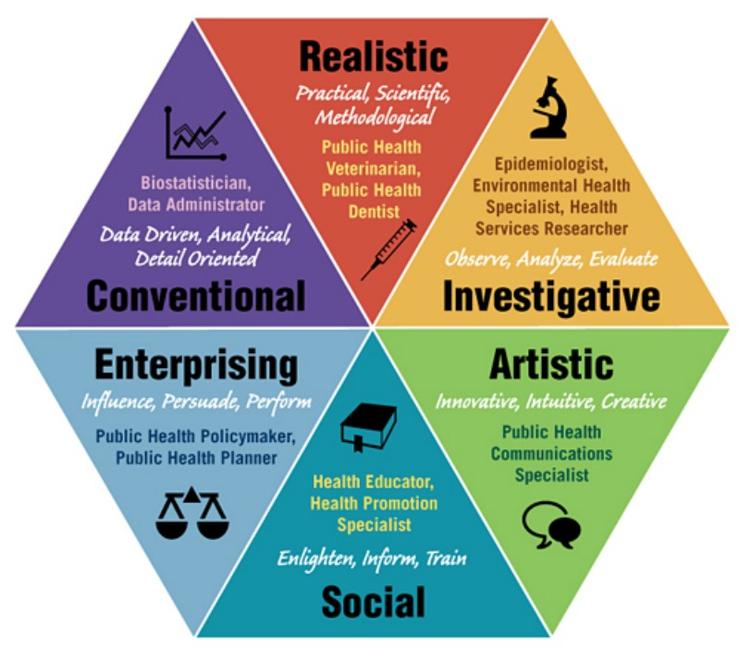
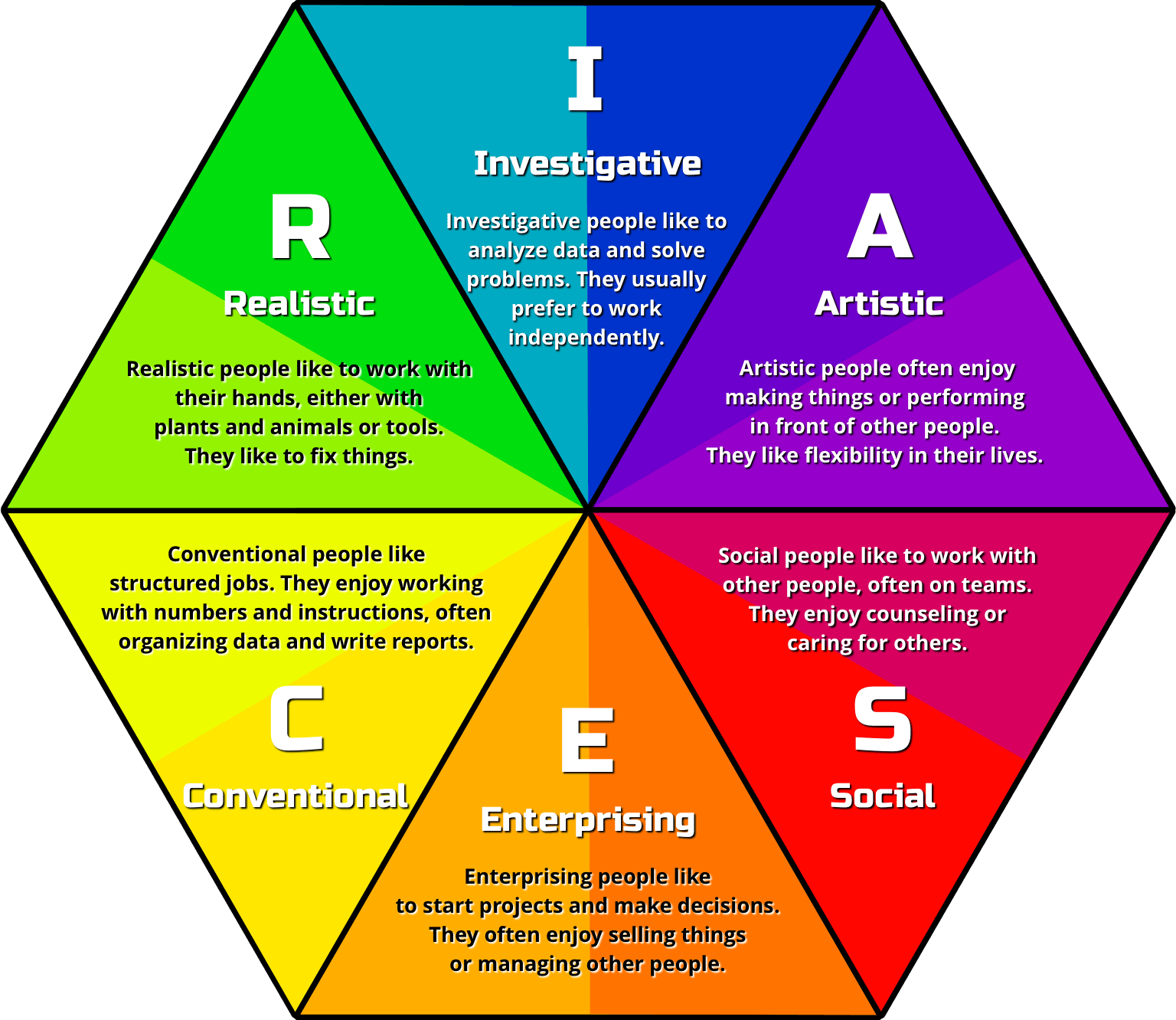
At the heart of Holland’s theory lie six distinct personality and interest types, each represented by a letter in the acronym RIASEC. These types are not mutually exclusive; most individuals exhibit a combination of two or three dominant codes, creating a unique profile. Understanding these six categories is the first step to deciphering your own career DNA.
Realistic (R): The Doers and Builders
Individuals who identify with the Realistic code are practical, hands-on, and often prefer working with tangible things rather than abstract ideas. They are often described as down-to-earth, resourceful, and good with tools and machines. Realistic types enjoy problem-solving that involves physical tasks and are often happiest in environments where they can see the direct results of their labor.
Characteristics:
- Interests: Working with hands, tools, machinery, animals, plants, outdoor activities, mechanical or electrical systems.
- Skills: Mechanical aptitude, manual dexterity, problem-solving, physical coordination, ability to follow instructions.
- Preferred Work Environments: Outdoors, workshops, laboratories, garages, farms, construction sites.
- Potential Career Paths: Mechanic, engineer, carpenter, electrician, farmer, technician, pilot, physical therapist.
In the context of Tech, Realistic individuals might gravitate towards hardware engineering, robotics, cybersecurity (the hands-on aspect of preventing breaches), or even roles involving the physical infrastructure of technology. For Brand, they might find satisfaction in the tangible aspects of product design, packaging, or even managing the physical presence of a brand. In Money, a Realistic approach could lead to careers in trades, manufacturing, or fields requiring practical financial management of physical assets.
Investigative (I): The Thinkers and Researchers
Investigative types are analytical, curious, and enjoy observing, learning, and solving complex problems. They are often drawn to scientific, mathematical, or research-oriented fields where they can delve into abstract concepts and gather data to form conclusions. They value accuracy, intellectual stimulation, and independent thought.
Characteristics:
- Interests: Science, mathematics, research, analysis, observation, critical thinking, puzzles, understanding how things work.
- Skills: Analytical skills, critical thinking, problem-solving, research abilities, data interpretation, logic.
- Preferred Work Environments: Laboratories, research institutions, libraries, universities, offices involving data analysis.
- Potential Career Paths: Scientist, researcher, doctor, psychologist, mathematician, data analyst, detective, programmer.
Within Tech, the Investigative code is a natural fit for software development, AI research, data science, cybersecurity analysis, and roles requiring deep understanding of complex systems. For Brand, they might excel in market research, competitive analysis, or the strategic planning behind brand messaging. In Money, Investigative individuals often thrive in roles like financial analysis, actuarial science, economic research, or the development of complex investment strategies.
Artistic (A): The Creators and Innovators
Artistic individuals are imaginative, expressive, and often have a strong aesthetic sense. They enjoy creative pursuits, innovation, and self-expression through various mediums. They are often unconventional, intuitive, and prefer flexibility and freedom in their work.
Characteristics:
- Interests: Art, music, writing, drama, design, creative problem-solving, self-expression, originality.
- Skills: Creativity, imagination, originality, communication (verbal and non-verbal), aesthetic judgment, artistic expression.
- Preferred Work Environments: Studios, theaters, galleries, offices with a creative focus, freelance settings.
- Potential Career Paths: Artist, musician, writer, actor, designer, architect, photographer, marketing creative.
The Tech world offers fertile ground for Artistic individuals in areas like UI/UX design, game development, digital art, animation, and creative coding. For Brand, this code is fundamental to graphic design, content creation, advertising campaigns, and shaping brand aesthetics. In Money, Artistic individuals might find their niche in financial planning for creative industries, designing financial products with user-friendly interfaces, or even in the art market itself.
Social (S): The Helpers and Educators
Social types are empathetic, helpful, and enjoy working with people to guide, teach, or heal. They are often good communicators, friendly, and find satisfaction in contributing to the well-being of others. They thrive in collaborative environments and value interpersonal relationships.
Characteristics:
- Interests: Helping others, teaching, counseling, nurturing, social causes, group activities, communication.
- Skills: Interpersonal skills, communication, empathy, listening, teaching, counseling, teamwork.
- Preferred Work Environments: Schools, hospitals, social service agencies, non-profits, community centers, customer-facing roles.
- Potential Career Paths: Teacher, nurse, counselor, therapist, social worker, coach, human resources specialist, customer support representative.

In Tech, Social individuals are invaluable in roles like technical support, customer success, training and development for tech products, and as team leads who foster collaboration. For Brand, they are essential in public relations, community management, customer service, and building strong client relationships. In Money, Social types can excel in financial advising, credit counseling, human resources within financial institutions, or roles focused on financial literacy education.
Enterprising (E): The Leaders and Persuaders
Enterprising individuals are ambitious, energetic, and enjoy influencing, leading, and persuading others. They are often goal-oriented, confident, and thrive in competitive environments where they can take initiative and make decisions. They enjoy leadership roles and are motivated by achievement and recognition.
Characteristics:
- Interests: Leadership, sales, persuasion, entrepreneurship, management, public speaking, taking risks.
- Skills: Leadership, negotiation, persuasion, decision-making, public speaking, organizational skills, risk-taking.
- Preferred Work Environments: Business settings, sales floors, offices with a focus on strategy, entrepreneurial ventures.
- Potential Career Paths: Manager, salesperson, entrepreneur, lawyer, politician, real estate agent, marketing manager.
For Tech, Enterprising individuals can be highly successful in sales and business development roles for tech companies, product management, or leading tech startups. In Brand, they are the driving force behind marketing campaigns, sales strategy, and brand expansion. In Money, this code is key to entrepreneurship, investment banking, sales roles within financial services, and management positions in finance.
Conventional (C): The Organizers and Maintainers
Conventional types are orderly, practical, and enjoy working with data, systems, and established procedures. They are often detail-oriented, responsible, and prefer structured environments where they can maintain accuracy and efficiency. They value reliability and clear expectations.
Characteristics:
- Interests: Organizing, managing data, following procedures, detail-oriented tasks, record-keeping, systematic approaches.
- Skills: Organization, attention to detail, accuracy, efficiency, record-keeping, administrative skills.
- Preferred Work Environments: Offices, libraries, accounting firms, data processing centers, administrative roles.
- Potential Career Paths: Accountant, bookkeeper, administrative assistant, data entry clerk, librarian, auditor, paralegal.
Within Tech, Conventional individuals are crucial for IT administration, database management, quality assurance, project management (ensuring processes are followed), and technical documentation. For Brand, they are vital for managing brand assets, organizing marketing campaigns, data analysis for performance tracking, and ensuring brand consistency. In Money, Conventional types are the backbone of accounting, bookkeeping, financial record-keeping, auditing, and regulatory compliance.
How Holland Codes Influence Your Career Decisions
Understanding your dominant Holland Codes is not just about knowing your personality; it’s a strategic tool for making informed career decisions across various facets of professional life.
Navigating the Tech Landscape
The rapid pace of technological advancement demands that individuals constantly adapt and find their niche. For Realistic individuals, this might mean focusing on the tangible aspects of tech – building and maintaining the hardware that powers our digital world. Investigative types will thrive in the analytical and problem-solving aspects of software development, AI research, and cybersecurity. Artistic individuals can find immense satisfaction in the creative design of user interfaces, engaging digital experiences, and innovative tech solutions. Social individuals are critical in ensuring tech products are user-friendly and well-supported, acting as bridges between complex technology and end-users. Enterprising individuals will drive the adoption and innovation of new technologies, leading sales teams and developing tech businesses. Conventional types will ensure the smooth operation and maintenance of tech infrastructure, managing data and systems with precision.
Building and Maintaining Your Brand
Whether you are an individual seeking personal branding or a corporation aiming to solidify its identity, Holland Codes offer insights into effective brand strategies. Realistic individuals might focus on the tangible aspects of a brand – product quality, physical retail experiences, or efficient operational delivery. Investigative minds are perfect for deep market research, understanding consumer psychology, and developing data-driven brand strategies. Artistic individuals are the creative force behind a brand’s visual identity, messaging, and overall aesthetic. Social individuals are key to building community around a brand, managing customer relationships, and fostering positive brand perception. Enterprising individuals will drive brand growth through sales, marketing campaigns, and strategic partnerships. Conventional types are essential for maintaining brand consistency, managing brand assets, and ensuring accurate and efficient brand communication.
Mastering Your Financial Journey
Personal and business finance are critical areas where aligning your interests with your actions can lead to greater success and peace of mind. Realistic individuals might excel in practical financial management, hands-on investment in tangible assets, or careers in trades that require financial prudence. Investigative individuals are well-suited for complex financial analysis, investment research, and developing sophisticated financial strategies. Artistic individuals might find unique opportunities in financing creative industries, developing aesthetically pleasing financial products, or even in the art market itself. Social individuals can excel in financial advisory roles, helping others manage their money, or in roles focused on financial education and accessibility. Enterprising individuals are natural entrepreneurs, investors, and leaders in the financial sector, driving innovation and growth. Conventional types are the bedrock of financial management, excelling in accounting, bookkeeping, and ensuring financial order and compliance.
Unlocking Your Potential: Beyond the Labels
It’s crucial to remember that Holland Codes are a guide, not a rigid definition. They offer a starting point for self-discovery and career exploration. The most fulfilling careers often lie at the intersection of your dominant codes and the demands of the modern professional world. By understanding your RIASEC profile, you can:
- Identify career paths that are likely to be fulfilling and engaging.
- Recognize environments where you are likely to thrive.
- Develop strategies for leveraging your strengths and addressing potential challenges.
- Make informed decisions about education, training, and professional development.
- Continuously refine your career path as you grow and evolve.
In a world that demands adaptability and continuous learning, understanding your Holland Code is an investment in your future. It empowers you to move beyond generic career advice and towards a path that is uniquely yours, aligning your innate talents and interests with the opportunities available in the dynamic realms of Tech, Brand, and Money. Embrace the journey of self-discovery, and let your Holland Code illuminate the way to a more satisfying and successful career.
aViewFromTheCave is a participant in the Amazon Services LLC Associates Program, an affiliate advertising program designed to provide a means for sites to earn advertising fees by advertising and linking to Amazon.com. Amazon, the Amazon logo, AmazonSupply, and the AmazonSupply logo are trademarks of Amazon.com, Inc. or its affiliates. As an Amazon Associate we earn affiliate commissions from qualifying purchases.